Economic Pulse Net | Sources: World Bank World Development Indicators, Government Sources | 2026
Key Takeaways
– Nigeria’s economy posted a robust 4.01% GDP growth in 2025, according to the World Bank, signaling a recovery that analysts will be watching closely for sustainability.
– Despite the headline growth figure, the National Bureau of Statistics is currently undertaking a GDP and CPI rebasing exercise, suggesting official data may soon paint a different picture of the economy’s true size and inflation pressures.
– A major Nigerian newspaper has reported that soaring cooking gas prices are squeezing households and businesses alike, highlighting the cost-of-living crisis that growth figures alone cannot capture.
– The country operates as a federal republic with 36 states and a powerful presidency, but political stability remains a key variable for investors assessing Africa’s largest economy.
Growth on Paper, Pressure in Practice
The World Bank’s latest data places Nigeria’s GDP growth at 4.01% for 2025 — a figure that, on its face, suggests the continent’s most populous nation is finding its footing after years of sluggish performance. With a total GDP of roughly $290.8 billion and GDP per capita measured at purchasing power parity standing at $9,531.61, Nigeria remains a heavyweight in sub-Saharan Africa. But these numbers demand careful unpacking.
The 4% growth rate, while respectable, must be viewed against the backdrop of a population that continues to expand rapidly. Per capita income figures, when adjusted for purchasing power, tell a story of an economy that is still struggling to lift the average citizen into genuine prosperity.
The World Bank’s data does not provide inflation or unemployment figures for the current period, but the absence of these numbers is itself telling — it suggests either volatility in measurement or challenges in data collection that the National Bureau of Statistics is now seeking to address.
The Statistician General of the Federation recently delivered a keynote address at a sensitisation workshop for stakeholders on the GDP and CPI rebasing exercise, as reported by the National Bureau of Statistics. This is a significant technical undertaking. Rebasing changes the base year against which economic output and price changes are measured, and it can dramatically alter how the economy is perceived.
When Nigeria last rebased its GDP in 2014, the economy was suddenly revealed to be nearly 90% larger than previously thought. Investors and policymakers alike will be watching this process closely — the new numbers could either confirm the recovery story or complicate it.
The Cost of Living Crunch — Cooking Gas and the Household Burden
While the macroeconomic data points to growth, the lived experience of ordinary Nigerians tells a more complicated story. A special report published by Premium Times, a major national newspaper, has documented how soaring cooking gas prices are squeezing Nigerian households and businesses.
Cooking gas is not a luxury in Nigeria — it is a daily necessity for millions of families who rely on it for cooking, and for small businesses from roadside food vendors to bakeries that depend on affordable energy to keep their operations running.
The report’s findings resonate with what economists call “felt inflation” — the gap between official price indices and what consumers actually experience at the market. When a basic necessity like cooking gas becomes significantly more expensive, it eats into disposable income and forces households to make painful trade-offs between food, energy, and other essentials.
For small business owners, rising input costs mean either absorbing the hit to their margins or passing it on to customers who are already stretched thin.
The National Bureau of Statistics’ celebration of African Statistics Day 2024, also reported by the bureau itself, underscores the importance of reliable data in understanding these dynamics. Without accurate, timely statistics on prices and consumption patterns, policymakers are flying blind. The rebasing exercise currently underway is an acknowledgment that the old numbers may no longer reflect reality — and the cooking gas crisis is a stark reminder of why getting the data right matters.
Investment and Business Climate — Banking, Cement, and the Search for Stability
Nigeria’s corporate landscape is dominated by a mix of financial institutions, industrial players, and consumer-facing companies that reflect the economy’s structure and its aspirations. Access Bank stands as a major force in the financial sector, while BUA Cement and BUA Foods represent the industrial and consumer goods pillars that underpin much of the country’s formal economic activity.
The presence of the Central Bank of Nigeria among the top companies listed in the data is itself noteworthy — it signals the outsized role that monetary policy and regulatory oversight play in shaping business conditions.
The aviation sector features prominently, with Aero Contractors, Arik Air, and Chanchangi Airlines all appearing on the list. This is a sector that has historically been challenging in Nigeria, plagued by fuel costs, foreign exchange shortages, and infrastructure constraints. The fact that multiple carriers remain among the country’s top companies suggests both resilience and unmet demand — Nigerians and businesses need to move, and the airlines that can navigate the headwinds stand to benefit.
For foreign investors, the business climate in Nigeria remains a study in contrasts. The country offers a vast consumer market, natural resources, and a young, increasingly urbanised population. Yet infrastructure deficits, foreign exchange volatility, and regulatory unpredictability continue to temper enthusiasm.
The World Bank’s GDP data provides a snapshot of where the economy stands, but investors will be looking for signs of structural reform — particularly in the energy sector, where the cooking gas crisis is just one symptom of deeper challenges in refining capacity and pricing policy.
Safety, Politics, and Quality of Life — A Federal Republic Under Strain
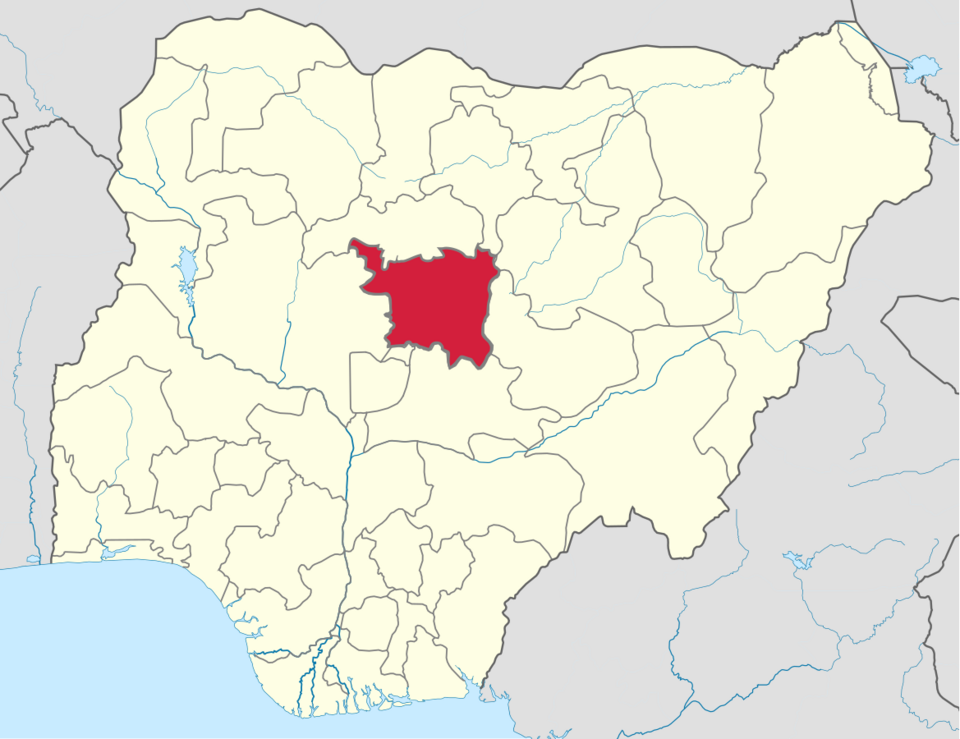
Nigeria’s political system is modelled as a federal republic with 36 states and the Federal Capital Territory of Abuja functioning as an independent unit. Executive power rests with the president, who is elected by popular vote to a maximum of two four-year terms — a structure that mirrors the American system in form, though the political dynamics are distinctly Nigerian.
State governors are similarly elected for four years with a two-term limit, creating a federal framework that is meant to distribute power across the country’s vast and diverse regions.
The data provided does not include crime or safety indices, but any discussion of quality of life in Nigeria must acknowledge the security challenges that have persisted across various regions. From kidnap-for-ransom in the northwest to separatist tensions in the southeast and oil theft in the Niger Delta, the security environment remains a significant concern for both citizens and businesses. These challenges are not new, but they continue to shape investment decisions and daily life.
Political stability in Nigeria is often described as resilient but fragile. The country has maintained civilian governance since 1999, which is no small achievement given its history of military coups. However, elections remain contentious, and the interplay between federal and state authorities can create friction, particularly when it comes to resource allocation and security management.
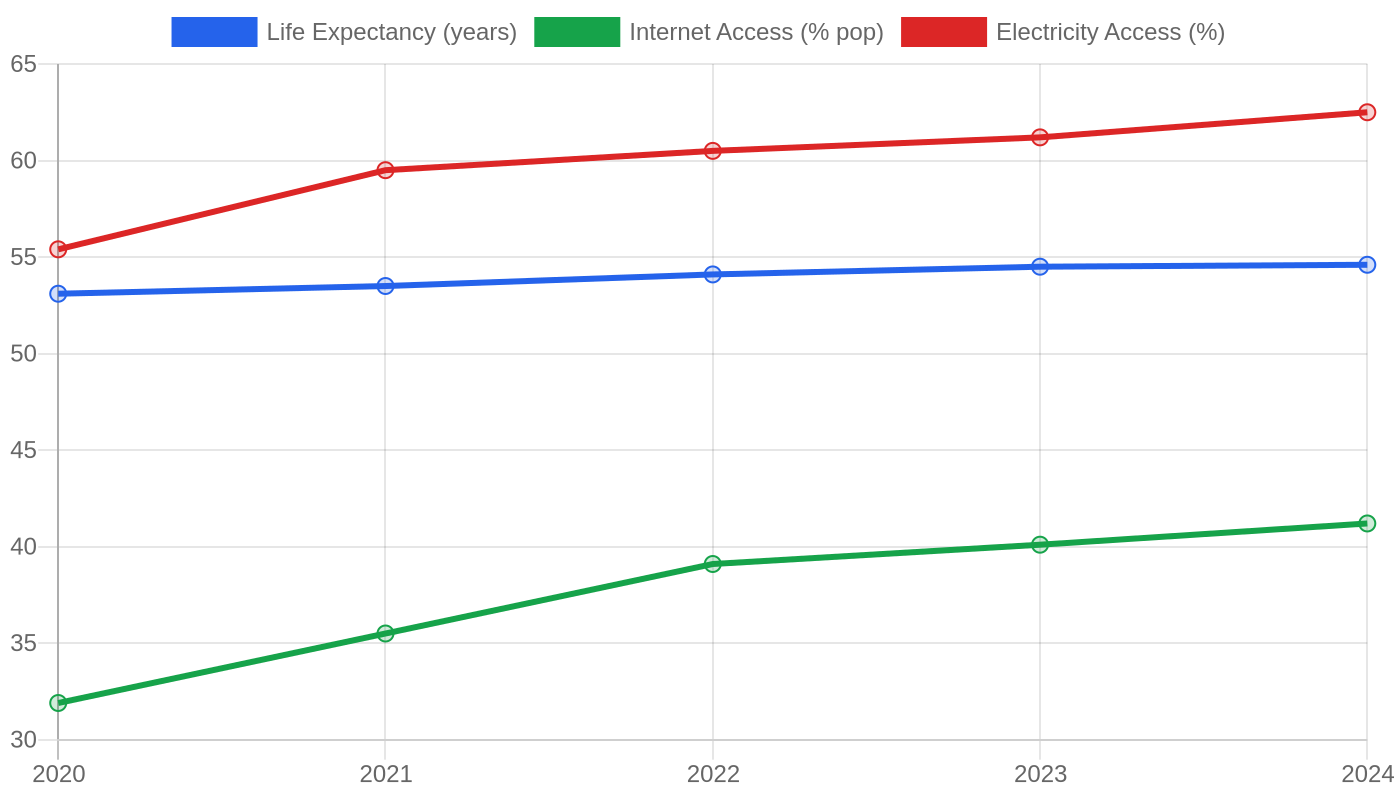
For the average Nigerian, quality of life is shaped less by GDP growth figures and more by the availability of electricity, the affordability of food and fuel, and the sense of personal safety in their community.
What’s Happening Now — Rebasing, Reporting, and Rising Prices
The most current developments in Nigeria centre on three interconnected stories, all drawn from recent official and journalistic sources. First, the National Bureau of Statistics is actively engaged in rebasing the country’s GDP and Consumer Price Index. This is not a routine administrative exercise — it is a fundamental re-evaluation of how the economy is measured, and the results will influence everything from monetary policy to international investment decisions.
The Statistician General’s keynote address at the sensitisation workshop signals that the bureau is taking stakeholder engagement seriously, but the process itself will take time.
Second, the National Bureau of Statistics marked African Statistics Day 2024, an occasion that highlights the importance of data-driven policymaking across the continent. For Nigeria, this celebration comes at a moment when the reliability of economic statistics is under scrutiny.
The rebasing exercise is partly a response to the recognition that the economy has changed significantly since the last base year — new industries have emerged, consumption patterns have shifted, and the informal sector remains vast and poorly measured.
Third, and most urgently for ordinary Nigerians, Premium Times has reported on the soaring cost of cooking gas. This is not an abstract economic indicator — it is a daily reality that is reshaping household budgets and business operations. The report’s findings underscore the gap between the headline GDP growth figure and the lived experience of citizens who are struggling with rising costs.
For policymakers, the challenge is clear: growth is welcome, but it must translate into tangible improvements in affordability and living standards if it is to be sustained.
The Bottom Line
Nigeria in 2025 is a country of stark contrasts — 4% GDP growth coexists with a cooking gas crisis that is squeezing households, while the National Bureau of Statistics works to rebase the very numbers that define the economic narrative. For investors, the opportunity lies in the country’s scale and potential, but the risks remain in infrastructure deficits, security challenges, and the gap between macroeconomic data and microeconomic reality.
For policymakers, the message from the data is clear: growth alone is not enough, and getting the numbers right is only the first step toward getting the policies right.
Sources & Methodology
This article is authored by Economic Pulse Net for informational and research purposes. Economic Pulse Net sources its data from multilateral institutions, national statistics bureaus, and proprietary databases. All data is believed to be current as of the date of publication.
Published: July 20, 2026 | Category: Research — Nigeria
Use these signals in your own platform
Economic Pulse publishes its live signal feed through a documented, read-only API. Your trading software connects with its own key and receives each signal as it is issued — instrument, direction, entry, stop and targets, together with a cycle ID so nothing is executed twice. The feed is independent of this website and cannot change it.
Signals are informational only and are not financial advice.