Economic Pulse Net | Sources: World Bank World Development Indicators, Government Sources | 2026
Key Takeaways
* Robust Expansion: Nigeria’s economy is projected to grow by over 4% in 2025, driven by a massive population base and resilient industrial sectors.
Inflation Challenge: Despite growth, the Consumer Price Index (CPI) remains critically high at approximately 23%, signaling significant cost-of-living pressures for citizens.
Low Official Unemployment: Current unemployment stands at a relatively low 3.064%, though this figure requires context within the broader labor market dynamics.
Digital & Utility Shifts: Recent developments show a surge in electricity metering rates and strategic withdrawals from agent banking by fintech firms, indicating a shifting business landscape.
Economic Momentum Meets Monetary Headwinds
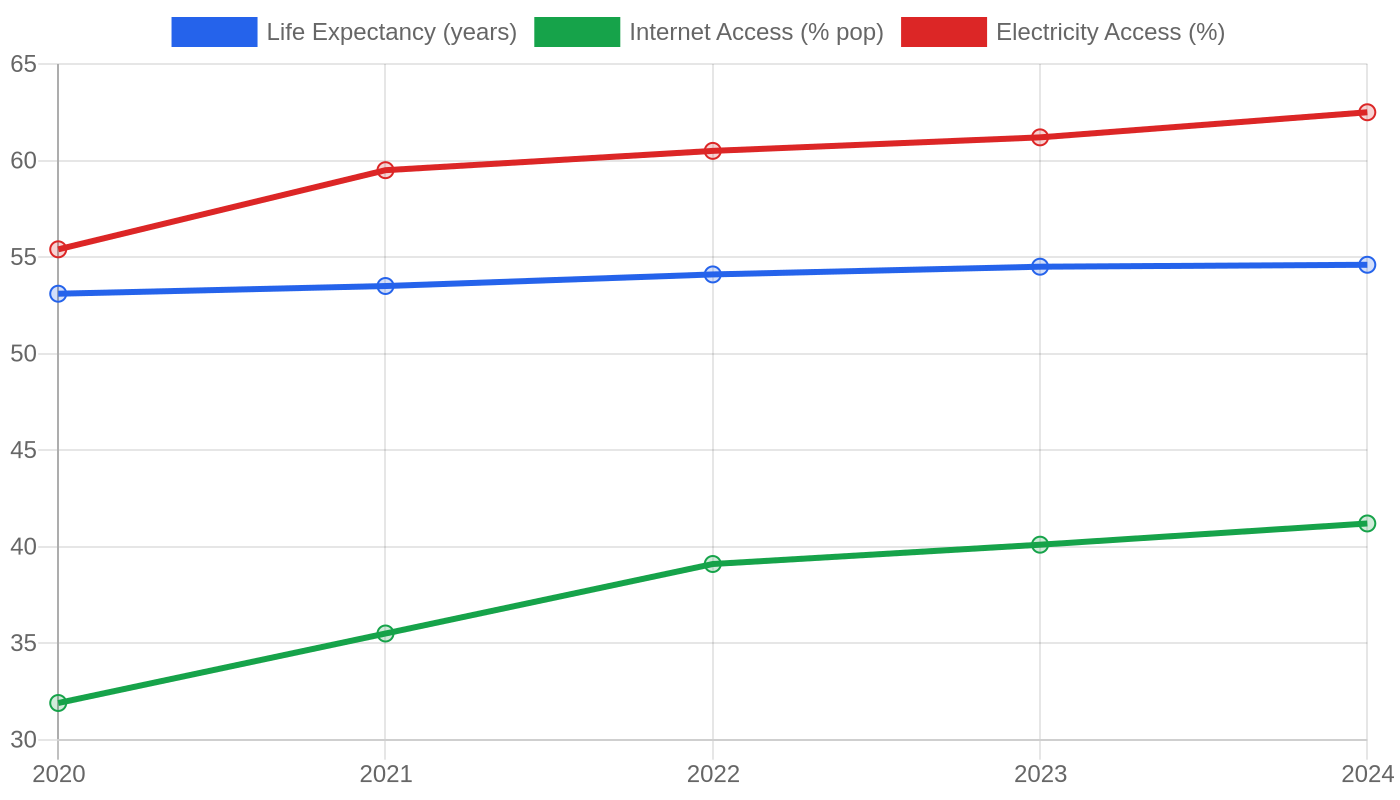
Nigeria’s economic trajectory in 2025 presents a complex picture of expansion constrained by monetary volatility. According to World Bank data, the nation’s GDP is valued at approximately $290.8 billion, with a projected growth rate of 4.01%. This growth is underpinned by a substantial gross national income per capita of $1,360 and a GDP per capita (PPP) of roughly $9,531, reflecting the purchasing power parity of its 237.5 million citizens.
However, these positive indicators are counterbalanced by severe inflationary pressures; the CPI has surged to 23.01%, eroding real wages and complicating household budgeting. While the official unemployment rate sits at a modest 3.064%, the high inflation rate suggests that even those employed are facing diminished buying power.
The interplay between steady GDP expansion and double-digit inflation highlights an economy that is growing in volume but struggling with price stability, a dynamic that policymakers must carefully navigate to ensure sustainable development.
Navigating Daily Expenses and Housing Realities
For the average Nigerian resident, the daily economic reality is defined by the stark contrast between macroeconomic growth figures and microeconomic hardship. With inflation hovering near 23%, the cost of living has become a primary concern for households across the 36 states. While specific rental indices are not detailed in the current dataset, the high CPI implies that essential goods and services have seen significant price hikes, impacting everything from food security to housing affordability.
The disparity between the national GDP per capita of $9,531 (PPP) and the GNI per capita of $1,360 underscores the uneven distribution of wealth, suggesting that while aggregate economic output is rising, individual financial security remains fragile. Consumers are likely adjusting their spending habits, prioritizing necessities over discretionary items as the value of the naira fluctuates against global standards.
This environment creates a challenging backdrop for middle-class stability, where even modest income gains can be quickly offset by rising utility and grocery costs.
Investment Landscape and Corporate Dynamics
The corporate sector in Nigeria continues to evolve, with major players dominating key industries such as financials, industrials, and consumer services. Access Bank and the Central Bank of Nigeria remain pivotal in the financial sector, providing the liquidity and regulatory framework necessary for economic activity. In the industrial space, BUA Cement plays a crucial role in infrastructure development, while BUA Foods addresses critical consumer goods needs.
The aviation and transport sectors feature prominently with companies like Aero Contractors, Arik Air, and Chanchangi Airlines, reflecting the country’s reliance on air connectivity for both business and leisure. Additionally, firms like Cassava Republic Press and Chocolate City Records highlight the growing influence of media and entertainment in the cultural economy. C&I Leasing Group PLC further diversifies the industrial portfolio, offering specialized financial services.
Investors watching Nigeria must look beyond traditional sectors, as the performance of these established entities often signals broader trends in consumer confidence and industrial capacity.
Political Structure and Security Context
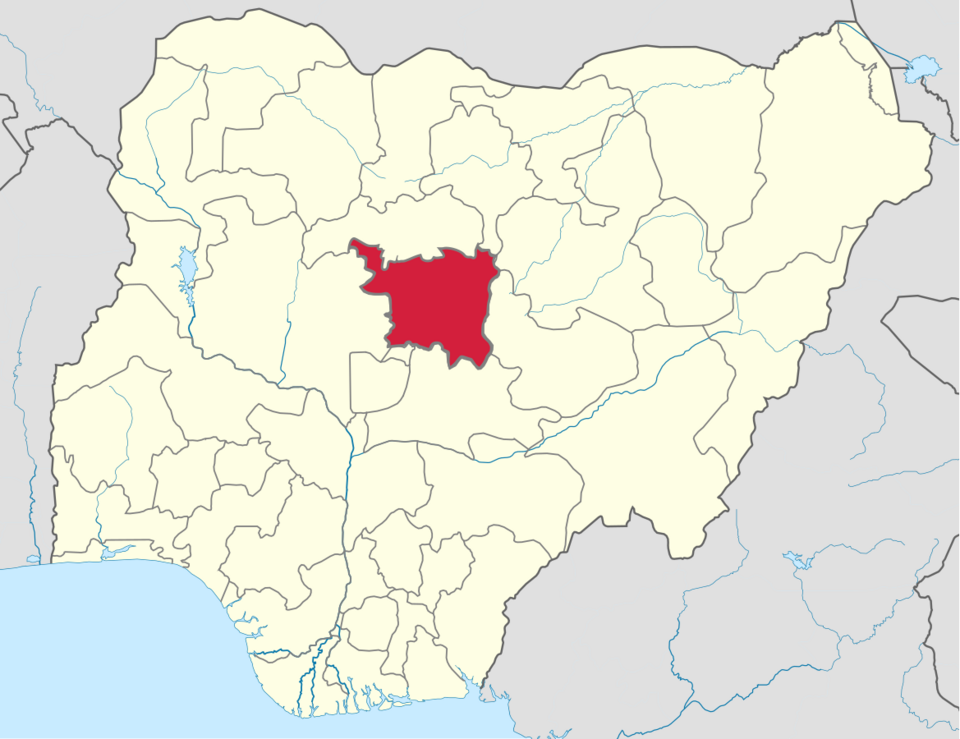
Nigeria operates as a federal republic modeled after the United States, featuring a bicameral legislature comprising a Senate and a House of Representatives that checks the executive power of the President. The President serves as both head of state and head of government, elected by popular vote for a maximum of two four-year terms, mirroring the term limits for state governors.
This political structure aims to balance federal authority with local autonomy across the country’s 36 states and the independent capital unit of Abuja. Regarding safety, current data indicates that Crime and Safety Indices are listed as N/A, which may reflect gaps in standardized reporting rather than an absence of security concerns. Without specific safety metrics, potential expatriates and investors must rely on localized intelligence and diplomatic advisories rather than broad statistical benchmarks.
The political stability provided by the constitutional framework offers a predictable governance model, yet the lack of transparent safety data remains a variable for risk assessment.
Current Affairs: Metering and Fintech Adjustments
Recent news highlights significant operational shifts within Nigeria’s infrastructure and financial technology sectors. The National Bureau of Statistics recently celebrated African Statistics Day 2024, emphasizing the importance of data integrity in guiding national policy.
On the utility front, there is a notable improvement in transparency; the metering rate has jumped to 63%, reducing the number of unmetered electricity customers to 4.7 million, a move expected to stabilize revenue collection and improve service reliability. Conversely, the fintech sector is undergoing consolidation, with firm Onafriq announcing the closure of its Nigeria agent banking business, signaling a recalibration of digital payment strategies in response to regulatory or market pressures.
Furthermore, investigative reports have surfaced regarding academic qualification falsifications by public figures, such as Anthony Kila, raising questions about accountability and meritocracy in leadership roles. These developments collectively illustrate a nation in transition, where digital adoption and regulatory enforcement are reshaping the business environment.
The Bottom Line
Nigeria represents a high-potential, high-volatility market that demands careful navigation. Investors and analysts should monitor the divergence between robust GDP growth and persistent inflation, as this tension will dictate consumer behavior and policy responses. The country’s vast population and evolving corporate landscape offer opportunities in utilities, finance, and consumer goods, provided that risks related to currency stability and regulatory changes are managed.
For those interested in emerging markets, Nigeria remains a critical case study in balancing rapid economic expansion with social and monetary challenges.
Sources & Methodology
This article is authored by Economic Pulse Net for informational and research purposes. Economic Pulse Net sources its data from multilateral institutions, national statistics bureaus, and proprietary databases. All data is believed to be current as of the date of publication.
Published: October 16, 2026 | Category: Research — Nigeria
Use these signals in your own platform
Economic Pulse publishes its live signal feed through a documented, read-only API. Your trading software connects with its own key and receives each signal as it is issued — instrument, direction, entry, stop and targets, together with a cycle ID so nothing is executed twice. The feed is independent of this website and cannot change it.
Signals are informational only and are not financial advice.