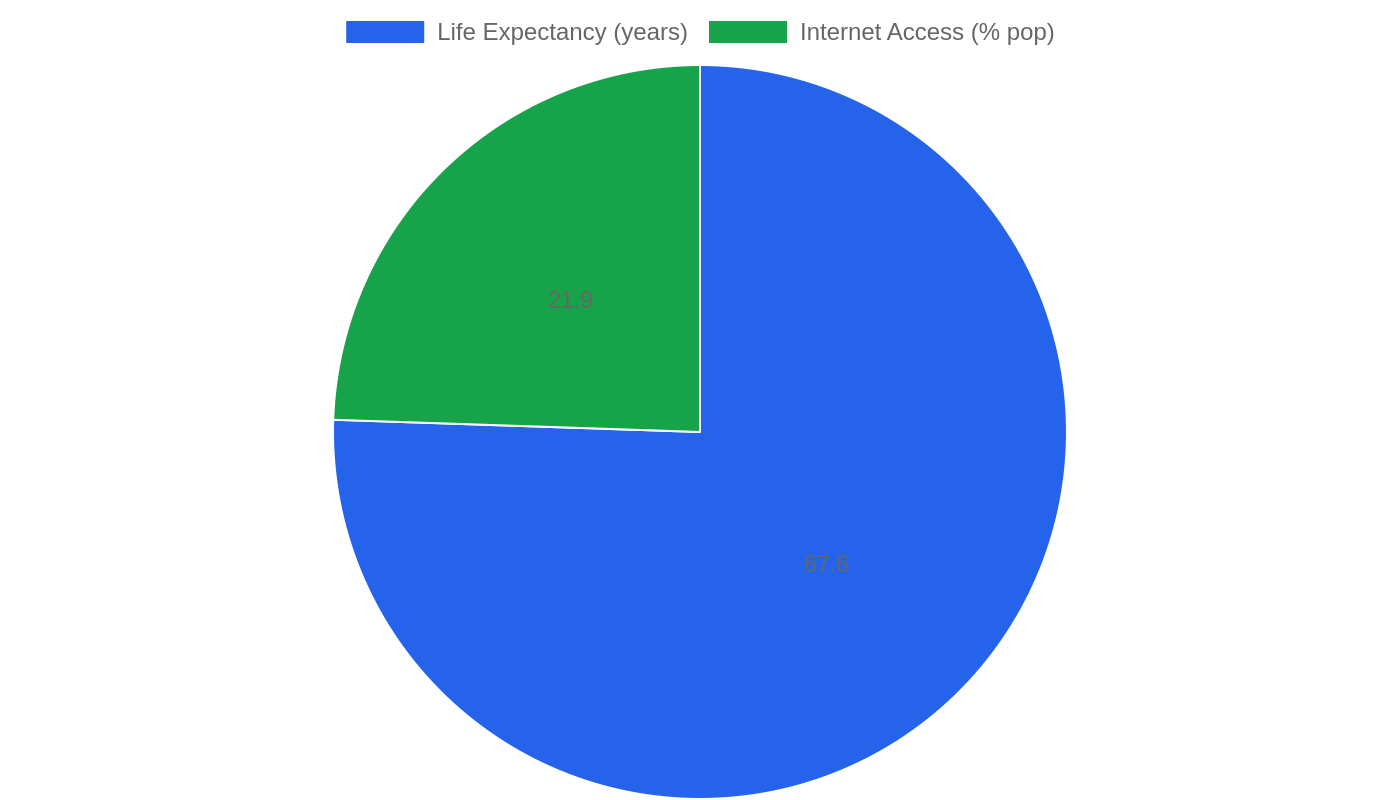
Economic Pulse Net | Sources: World Bank World Development Indicators, Government Sources | 2026
Key Takeaways
– A Pivotal Transition: Ethiopia is navigating a complex period of post-conflict reconstruction and ambitious economic liberalization, with the government’s reform agenda under intense scrutiny.
– Financial Sector in Focus: The landscape is dominated by major domestic players like the Commercial Bank of Ethiopia and Awash International Bank, signaling a robust, state-influenced financial core that is now opening to competition.
– Infrastructure and Industry as Pillars: From the national carrier Ethiopian Airlines to the state-owned Ethio-Engineering Group, the economy leans heavily on large-scale enterprise and public infrastructure projects.
– A Federal Balancing Act: As a federal parliamentary republic, the country’s political trajectory is defined by the delicate balance of power between the federal government and its regional states, a dynamic that directly impacts economic stability.
– A Market to Watch: For investors and analysts, Ethiopia represents one of Africa’s most significant frontier markets, where the outcomes of current reforms will determine its long-term economic trajectory.
The Great Unraveling: Growth, Inflation, and the Real Economy
The World Bank’s latest data dashboard for Ethiopia presents a paradox: key indicators such as GDP growth, inflation, and unemployment are currently listed as unavailable. In the world of economic journalism, a data vacuum is rarely a sign of stability; it often points to an economy in a state of flux where measurement itself is a challenge. This absence of hard numbers forces us to look beyond the headline statistics to the structural realities of Africa’s second-most populous nation.
The lack of a definitive GDP figure is not an absence of economic activity—far from it—but rather a reflection of the profound disruptions the economy has weathered in recent years, from global commodity shocks to internal conflict.
What we can infer from the industrial and corporate landscape is that Ethiopia’s economy is a story of two speeds. On one hand, there is a modernizing, ambitious sector anchored by state behemoths and increasingly confident private players. On the other, a vast, informal agricultural economy persists, which is highly sensitive to weather patterns and global price shifts.
The main industries—while not explicitly itemized in the provided data—are clearly dominated by the aviation sector (via Ethiopian Airlines), financial services, and heavy engineering. This suggests a strategic focus on becoming a continental hub for connectivity and manufacturing, rather than a purely agrarian-based model.
The high concentration of financial institutions on the top companies list, including the Cooperative Bank of Oromia and the Ethiopia Commodity Exchange, underscores a drive toward formalizing commerce and creating deeper capital markets.
However, the missing inflation and employment data are the most telling. For the average Ethiopian, the cost of basic goods and the availability of work are the metrics that matter most. Without official figures, we must rely on the anecdotal and the structural. The presence of large, state-affiliated employers like Anbessa City Bus Service Enterprise and the Ethio-Engineering Group suggests that the public sector remains a critical absorber of labor.
Yet, the persistent pressure on the birr and the high cost of imported goods—fuel and machinery—likely continue to fuel price pressures, eroding household purchasing power. The economy is, in essence, being re-engineered, but the human cost of that transition is steep and not yet fully quantified by the World Bank.
The Price of Living: Housing and Daily Survival in a Stressed Economy
For citizens, the economic narrative is written in the cost of essentials. While the World Bank data does not provide a specific cost-of-living index for Ethiopia, the composition of its top companies offers a clear window into daily life. The prominence of BGI Ethiopia PLC, a major player in the consumer discretionary sector, indicates a domestic market for non-essential goods that is resilient but likely sensitive to price fluctuations.
The daily reality for many in Addis Ababa and other urban centers involves a constant recalibration of budgets to accommodate the fluctuating costs of food, transport, and housing. The presence of Anbessa City Bus Service Enterprise as a top company highlights that public transportation is not just a service but a cornerstone of the urban economy, essential for millions to access work and markets.
Housing, particularly in the capital, remains one of the most pressing social and economic challenges. The data does not provide specific rent or purchase prices, but the sheer scale of the urban population and the pace of construction (implied by the heavy industry focus) suggest a market under immense supply pressure. For most, buying a home is an aspirational goal, often achieved through government-backed condominium programs rather than private mortgage markets.
The rental market is the more immediate reality, and it is here that the pressure of urban migration and limited affordable supply is felt most acutely. Compared to regional hubs, Ethiopia’s formal rental market is less developed, with a significant portion of the population living in informal settlements or family-owned properties, making accurate price comparisons difficult but the struggle for affordable, quality housing universally understood.
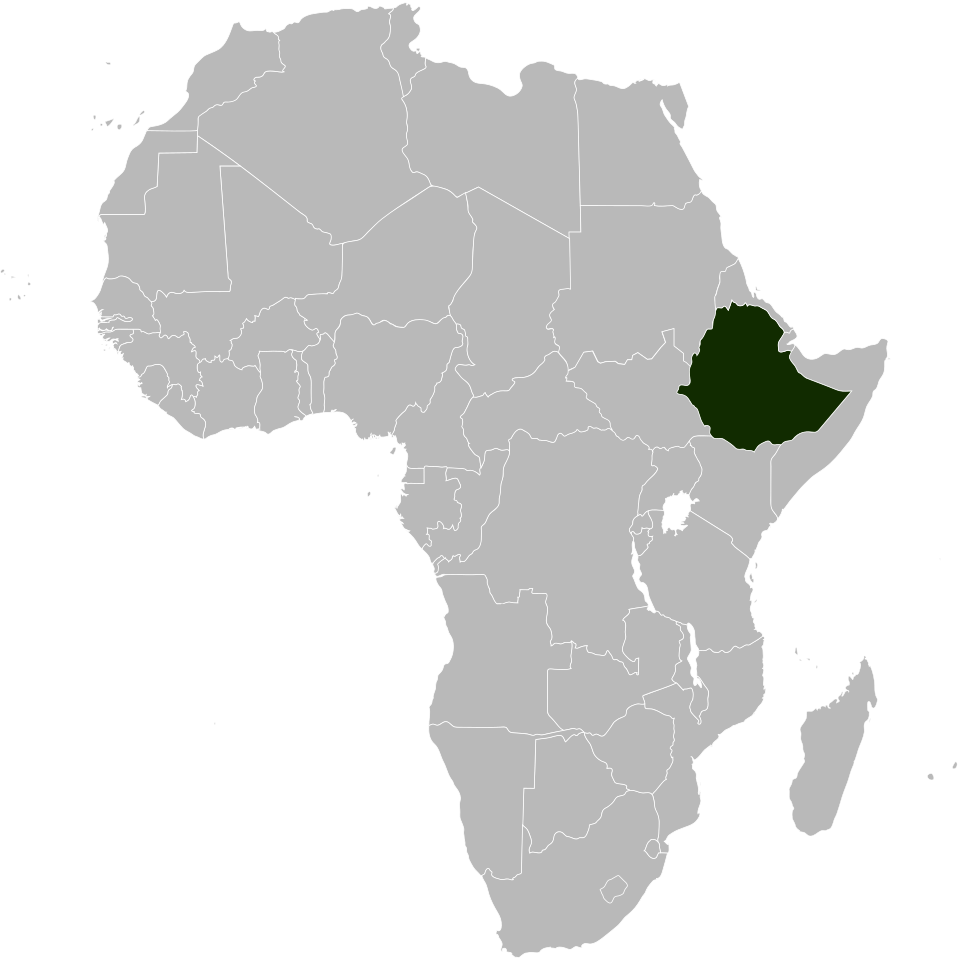
The Business Frontier: Giants, Gatekeepers, and New Opportunities
Ethiopia’s investment climate is a study in contrasts—a tightly controlled, state-centric system that is gradually, but decisively, opening its doors. The list of top companies is a testament to the power of the state and its proxies. The Commercial Bank of Ethiopia is not just a bank; it is a financial pillar of the state, holding the majority of deposits in the nation.
Alongside it, private giants like Awash International Bank have carved out significant market share, proving that domestic private capital can thrive. For foreign investors, the message has been one of cautious liberalization. Sectors like aviation, with Ethiopian Airlines, remain state-dominated, but the airline itself is a global success story, a world-class operator that serves as a powerful advertisement for Ethiopian competence on the international stage.
The sectors to watch are those where the government is actively seeking partnerships. The financial sector is on the cusp of opening to foreign banks, a move that could unlock significant capital and expertise. The Ethiopia Commodity Exchange is a fascinating experiment in formalizing agricultural trade, aiming to protect farmers and buyers from price volatility. For businesses, the environment is one of high potential but also high complexity.
Navigating the regulatory landscape requires patience and local knowledge. The dominance of state-owned enterprises in key sectors means that the government is often both a competitor and a regulator. However, for those willing to engage with the long-term vision—particularly in manufacturing, logistics, and finance—the rewards could be substantial, as Ethiopia seeks to leverage its strategic location and large, young population to become a manufacturing hub for the continent.
The Political Tightrope: Federalism, Security, and the Business of Stability
The political landscape is the lens through which all economic activity in Ethiopia must be viewed. As a federal parliamentary republic, the structure is designed to manage the immense ethnic and regional diversity of the nation. The Prime Minister holds the executive power, while the President’s role is largely ceremonial.
The bicameral legislature, comprising the 547-seat House of Peoples’ Representatives and the 108-seat House of Federation, is the arena where the nation’s complex federal bargain is negotiated. The House of Federation, in particular, holds significant power over constitutional and regional matters, making it a crucial body for maintaining the delicate balance between the federal government and the states.
This political architecture is not just a matter of governance; it is the bedrock of economic stability. The absence of a current crime index or safety index from the World Bank data is notable, as perceptions of insecurity have a direct impact on foreign direct investment and tourism. The government’s primary challenge is to ensure that political differences are resolved through the federal system, not through conflict. For businesses, this means that political risk is a constant factor in planning.
A stable political environment is the single most important precondition for the kind of long-term investment Ethiopia needs to create jobs and sustain growth. The focus on the federal structure, rather than on a centralized state, signals a commitment—at least in principle—to a more inclusive model of governance, which is essential for the legitimacy of the state in the eyes of its diverse population.
Now: The Reform Agenda Under a Microscope
Right now, Ethiopia is at a critical inflection point. The government is pushing forward with a homegrown economic reform agenda, even as it grapples with the legacy of recent internal conflicts and the persistent pressure of external debt. The focus is on macroeconomic stabilization, which means tackling inflation and the foreign exchange shortages that have plagued importers.
The decision to allow the currency to float more freely was a landmark shift, signaling a move away from a rigid, state-controlled exchange rate toward a more market-driven system. This is a painful but necessary adjustment, designed to attract foreign capital and unlock access to international financial support.
In the business community, the mood is one of cautious optimism mixed with frustration over the pace of change. The financial sector is awaiting the final details of legislation that would allow foreign banks to enter, a move that could revolutionize the industry. Meanwhile, state-owned enterprises are being restructured to improve efficiency. The government is also keen to showcase its commitment to peace and stability, which is the essential foundation for all its economic ambitions.
The coming months will be crucial in determining whether the reform momentum can be sustained against the headwinds of global economic uncertainty and domestic political pressures. For now, the world is watching to see if Ethiopia can successfully navigate this tightrope walk between reform and stability.
The Bottom Line
Ethiopia is not a market for the faint-hearted. It is a country of immense potential, strategic importance, and deep structural challenges. For the long-term investor, the development banker, and the geopolitical analyst, Ethiopia is one of the most consequential stories in Africa. The success or failure of its current reform path will not only shape the lives of its 120 million citizens but will also send a powerful signal about the viability of state-led development models in the 21st century.
This is a country to watch closely, not for the faint of heart, but for those who see opportunity in complexity.
Sources & Methodology
This article is authored by Economic Pulse Net for informational and research purposes. Economic Pulse Net sources its data from multilateral institutions, national statistics bureaus, and proprietary databases. All data is believed to be current as of the date of publication.
Published: August 01, 2026 | Category: Research — Ethiopia
Use these signals in your own platform
Economic Pulse publishes its live signal feed through a documented, read-only API. Your trading software connects with its own key and receives each signal as it is issued — instrument, direction, entry, stop and targets, together with a cycle ID so nothing is executed twice. The feed is independent of this website and cannot change it.
Signals are informational only and are not financial advice.