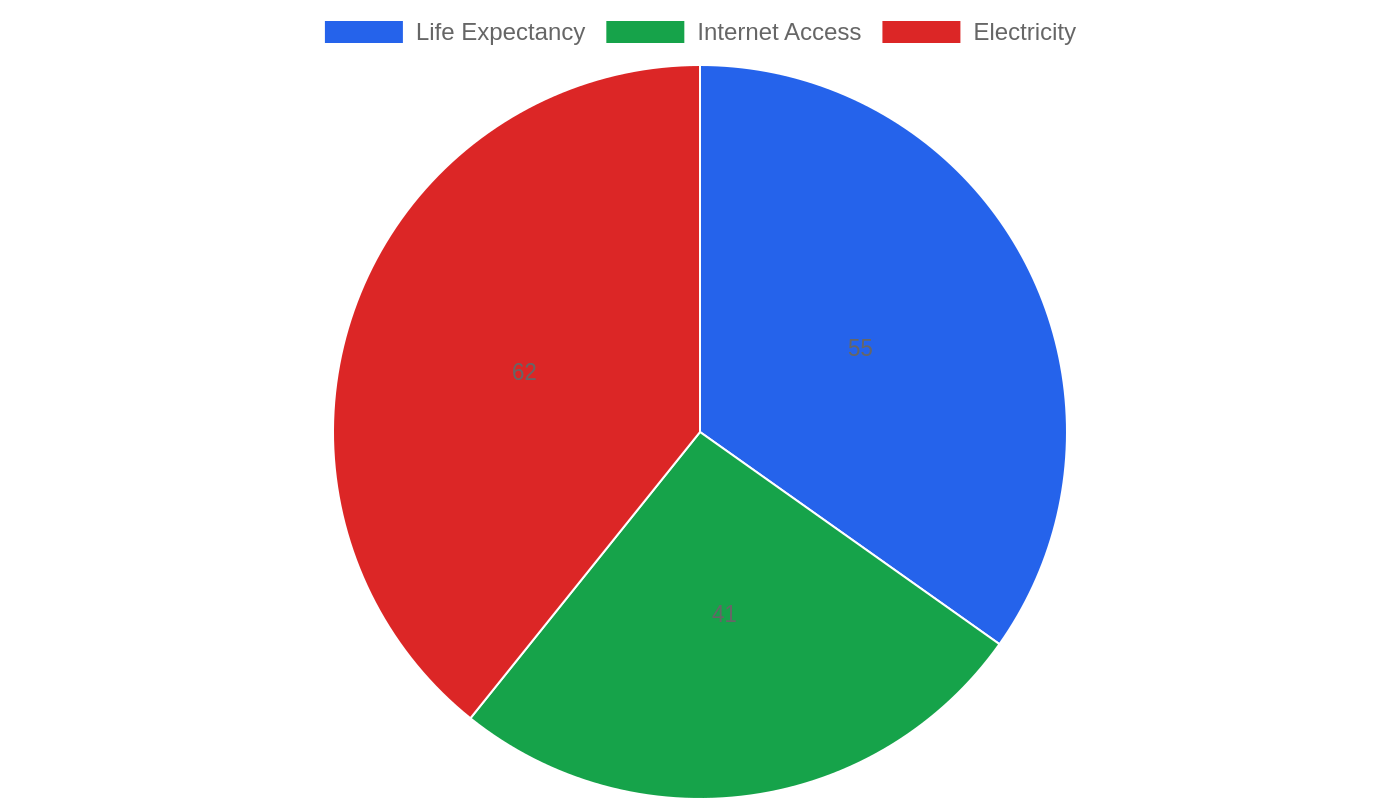
Economic Pulse Net | Sources: World Bank World Development Indicators, Government Sources | 2026
Key Takeaways
– Eswatini remains one of the world’s last absolute monarchies, with King Mswati III holding executive power alongside his mother, the Ndlovukati, under a constitution that blends modern governance with Swazi law and custom
– The economy lacks recent World Bank data across key indicators including GDP growth, inflation, unemployment, and per capita income, creating significant uncertainty for investors and analysts
– State-linked enterprises dominate the corporate landscape, with the Central Bank of Eswatini, Eswatini Railways, and the royal investment arm Tibiyo Taka Ngwane controlling strategic sectors
– The country’s small, landlocked economy is heavily reliant on Southern African regional trade dynamics, particularly ties with South Africa and Mozambique
– Political tensions simmer beneath the surface, with pro-democracy movements challenging the monarchy’s absolute authority while the constitution formally enshrines the king as “a symbol of unity and the eternity of the Swazi nation”
The Numbers Gap — An Economy Shrouded in Statistical Silence
For any serious observer of Eswatini’s economy, the first and most striking challenge is the absence of reliable, recent macroeconomic data from the World Bank. The country’s GDP growth rate, inflation measured by consumer price index, unemployment figures, total GDP in US dollars, GDP per capita adjusted for purchasing power parity, GNI per capita, and even total population all appear as blank entries in the international financial institution’s latest reporting.
This statistical vacuum is itself a telling indicator. It suggests either limited capacity for data collection, a reluctance to submit to international transparency standards, or both. For a nation attempting to attract foreign investment and integrate into global supply chains, this data gap represents a significant credibility deficit.
What can be inferred from the available information is that Eswatini operates a dual economy. On one side stands the formal sector, dominated by state-linked entities and a handful of consumer services and industrial companies. On the other side exists a substantial informal economy, likely encompassing subsistence agriculture, cross-border trade, and undocumented employment.
The absence of unemployment data is particularly problematic, as it masks what regional analysts widely suspect to be a chronic underemployment crisis, especially among the country’s youth. Without inflation figures, it becomes impossible to assess whether the purchasing power of the lilangeni — which is pegged to the South African rand — is eroding faster than regional peers. The World Bank’s silence on these metrics should alarm anyone seeking to understand Eswatini’s true economic health.
The Cost of Living in the Kingdom — Where the Price of Everything Tells You Nothing
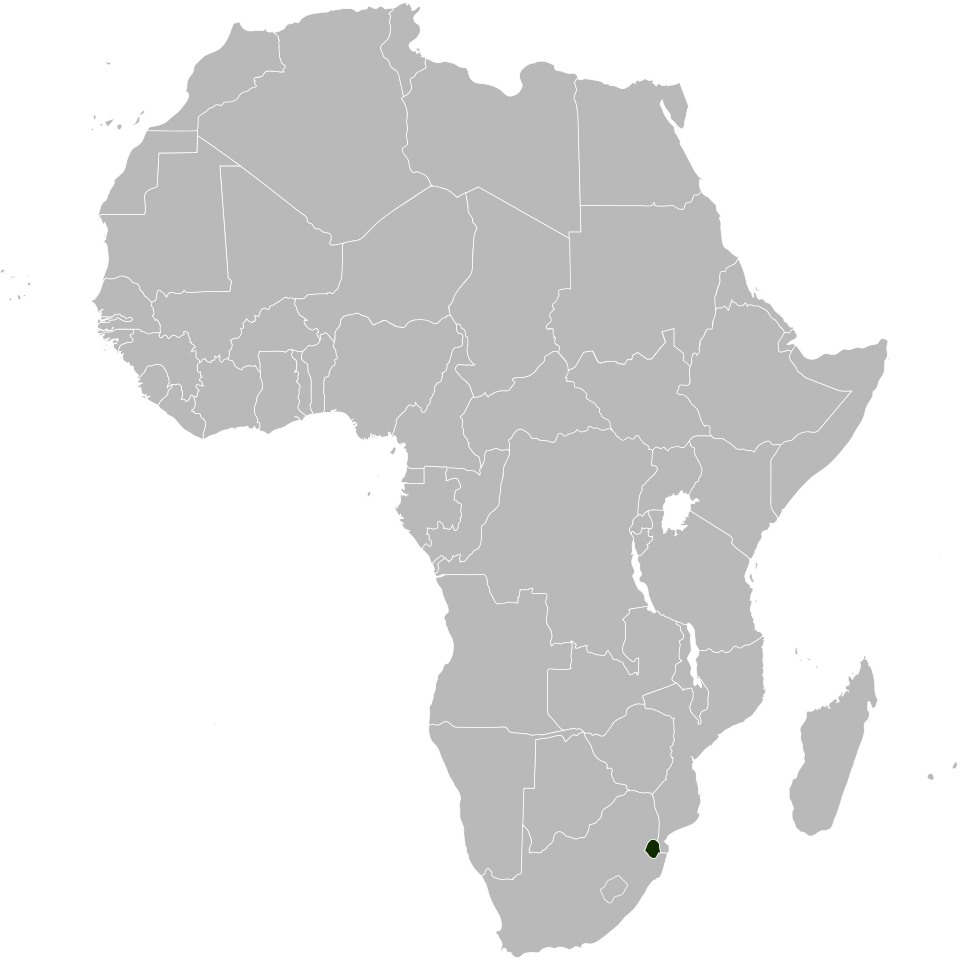
Eswatini’s cost of living data is similarly absent from the provided information, but this does not mean the subject is irrelevant. On the contrary, the lack of official statistics on housing costs, rent versus buy dynamics, and daily expenses forces a reliance on anecdotal and regional context. As a landlocked kingdom sharing borders with South Africa and Mozambique, Eswatini’s consumer prices are heavily influenced by its larger neighbour.
Petrol, food staples, and manufactured goods largely flow across the border, meaning that South African inflation trends — currently elevated by energy and transport costs — directly impact Swazi households.
Housing in the commercial capital Mbabane and the economic hub Manzini likely follows a pattern familiar across Southern Africa: a premium on secure, serviced properties in urban centres, with a sharp drop in costs as one moves into peri-urban and rural areas where traditional homesteads remain common. The rental market probably caters to a thin layer of civil servants, expatriate workers, and employees of the dominant state-owned enterprises.
For the majority of Swazis living outside formal employment, housing costs are inseparable from questions of land tenure, which in turn is tied to the traditional chieftaincy system and the monarchy’s ultimate authority over land allocation. Without hard data, the best inference is that Eswatini’s cost of living mirrors the broader regional pattern of high inequality, where a small formal economy coexists with widespread subsistence-level existence.
The Corporate Kingdom — State Power and Royal Capital
Eswatini’s corporate landscape is dominated by entities that blur the line between state enterprise, royal investment, and private sector activity. The Central Bank of Eswatini sits at the apex of the financial system, managing monetary policy and currency issuance in a country where the central bank’s independence from political — and by extension royal — influence is a matter of ongoing debate.
Alongside it, the Eswatini Stock Exchange provides a formal platform for capital raising, though its depth and liquidity remain limited by the small size of the economy.
The most intriguing corporate entity is Tibiyo Taka Ngwane, a conglomerate that operates across multiple sectors and is directly linked to the royal family. Tibiyo’s holdings span agriculture, real estate, media, and beverages, making it arguably the most powerful economic actor in the country outside the government itself.
The presence of multiple airlines — Aero Africa, Royal Swazi National Airways, Swazi Express Airways, and Eswatini Airlink — suggests a strategic focus on air connectivity, likely driven by the needs of tourism, business travel, and the monarchy’s own mobility requirements. Eswatini Railways represents the industrial backbone, connecting the kingdom to regional rail networks for freight movement.
Eswatini Posts and Telecommunications rounds out the state-linked sector, holding a dominant position in communications infrastructure. For any investor, the message is clear: doing business in Eswatini means navigating a system where royal and state interests are deeply intertwined with commercial activity.
Monarchy, Dissent, and the Question of Stability
Eswatini is constitutionally defined as an absolute monarchy, a political structure increasingly rare in the 21st century. The head of state is the king, or Ngwenyama — literally “the lion” — currently King Mswati III, who ascended to the throne in 1986 after the death of his father King Sobhuza II.
The constitution describes the Ngwenyama as “a symbol of unity and the eternity of the Swazi nation.” By tradition, the king reigns alongside his mother, the Ndlovukati, in a dual monarchy system that balances spiritual and temporal authority.
This political framework has come under growing domestic and international scrutiny. Pro-democracy activists, underground political parties, and labour unions have repeatedly called for constitutional reforms to limit royal power and introduce multiparty elections. The government has responded with a mixture of legal restrictions, surveillance, and occasional crackdowns on dissent.
The absence of crime and safety indices in the provided data makes it impossible to quantify public security, but the political environment is widely understood to be tense. For a country that relies on regional stability and investor confidence, the unresolved tension between the monarchy’s absolute authority and popular demands for democratic reform represents a structural risk that no economic analysis can ignore.
The Present Tense — What Is Happening in Eswatini Right Now
Eswatini currently exists in a state of suspended economic and political animation. Without recent World Bank data, it is impossible to confirm whether the economy is growing, stagnating, or contracting. What can be said with confidence is that the kingdom is navigating a period of heightened uncertainty. The monarchy under King Mswati III faces sustained pressure from civil society groups and international human rights organisations to address allegations of authoritarian governance and economic mismanagement.
On the economic front, the dominance of state-linked enterprises suggests that any meaningful reform agenda would require the government to either privatise or restructure key assets like Eswatini Railways and the telecommunications monopoly. The presence of multiple airlines operating in a small domestic market raises questions about efficiency, subsidy dependence, and whether consolidation might be necessary.
Meanwhile, the royal investment vehicle Tibiyo Taka Ngwane continues to expand its footprint, deepening the entanglement between the crown and commerce. For the average Swazi, the immediate reality is likely one of high living costs, limited formal employment opportunities, and a political system that offers few avenues for peaceful change. The coming months will test whether the absolute monarchy can adapt to modern economic and political pressures, or whether the kingdom will remain frozen in its current form.
The Bottom Line
Eswatini is a country that demands attention from investors, political risk analysts, and students of African governance precisely because of its anomalies. As one of the world’s last absolute monarchies, it offers a case study in how traditional authority structures interact with 21st-century economic realities. The absence of basic economic data is itself a red flag that should give any potential investor pause.
Those who watch Eswatini should do so with eyes open to both the stability that comes from long-standing institutions and the fragility that arises when those institutions resist democratic evolution. This is not a market for the impatient or the risk-averse, but for those who understand that in the Kingdom of Eswatini, politics and economics are inseparable.
Sources & Methodology
This article is authored by Economic Pulse Net for informational and research purposes. Economic Pulse Net sources its data from multilateral institutions, national statistics bureaus, and proprietary databases. All data is believed to be current as of the date of publication.
Published: July 17, 2026 | Category: Research — Eswatini
Use these signals in your own platform
Economic Pulse publishes its live signal feed through a documented, read-only API. Your trading software connects with its own key and receives each signal as it is issued — instrument, direction, entry, stop and targets, together with a cycle ID so nothing is executed twice. The feed is independent of this website and cannot change it.
Signals are informational only and are not financial advice.