Economic Pulse Net | Sources: World Bank World Development Indicators, Government Sources | 2026
Key Takeaways
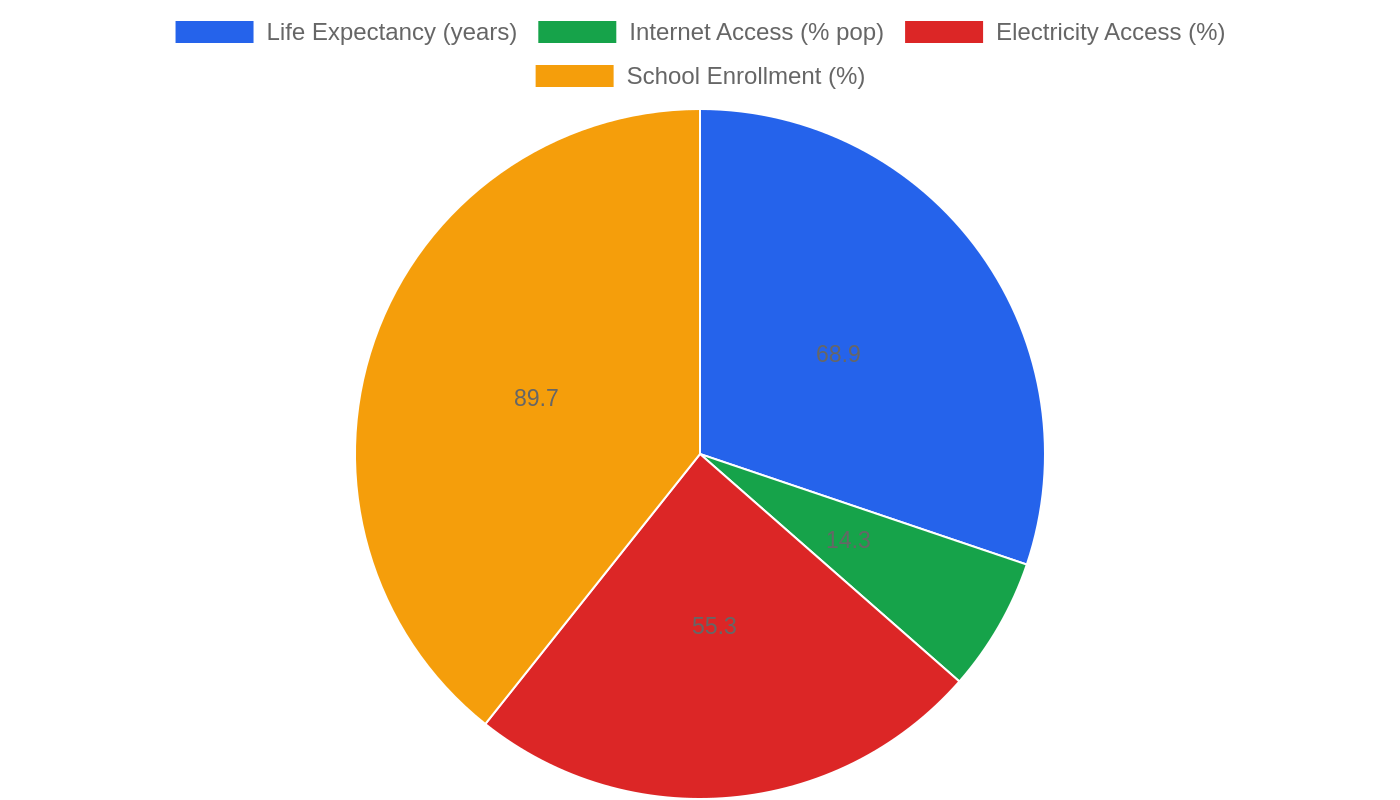
– Eritrea remains one of the world’s most opaque economies, with the World Bank reporting no official data on GDP growth, inflation, unemployment, or income per capita for the latest period.
– The country has been governed by the same president, Isaias Afwerki, since independence in 1993, with no national elections ever held according to the political landscape data.
– The People’s Front for Democracy and Justice (PFDJ) is the only legal political party, and the 1997 constitution providing for multi-party politics remains unimplemented.
– Without basic economic indicators from the World Bank, analysts must rely on anecdotal evidence and regional context to understand living conditions in this Horn of Africa nation.
– Eritrea’s absence from global economic databases is itself a telling indicator of its isolation and the challenges facing anyone seeking to invest or operate there.
The Ghost Economy — Why Missing Numbers Tell the Real Story
When the World Bank cannot provide GDP growth, inflation rates, unemployment figures, or even population estimates for a country, that silence is itself a data point. Eritrea has become something rare in the 21st century: an economic black box. The World Bank’s datasets show “N/A” across every major category — GDP, GDP per capita, GNI per capita, and population. This is not a data collection oversight. It reflects a deliberate opacity that has characterised the nation since independence.
Without official figures, the traditional tools of economic journalism fail. We cannot chart inflation trends, compare unemployment to regional peers, or calculate purchasing power. But the absence of data tells a story of a government that does not submit to international statistical standards, does not welcome IMF surveillance, and does not court World Bank development programmes in the conventional manner. The Eritrean economy operates largely outside formal measurement systems.
What we know comes from fragments. The country’s main industries are not listed in the available data, but regional context suggests mining, agriculture, and diaspora remittances play significant roles. The lack of any cost of living data means we cannot compare housing costs to neighbours like Ethiopia or Sudan.
The World Bank’s silence on population figures — one of the most basic statistics any government collects — underscores how fundamentally disconnected Eritrea is from international economic governance.
For a nation that fought a thirty-year war for independence and then a bitter border conflict with Ethiopia, this economic isolation is partly by design. President Afwerki’s government has prioritised self-reliance and national service over integration into global markets. The result is an economy that exists but cannot be measured — a challenge for investors, aid organisations, and journalists alike.
Housing and Daily Life — Living Without a Price Tag
The cost of living in Eritrea is essentially undocumented by international bodies. The World Bank provides no data on housing costs, rent versus buy dynamics, or daily expenses. This gap is not accidental. In a country where the government controls large swaths of the economy and where national service conscription can last decades, traditional market pricing mechanisms are distorted beyond recognition.
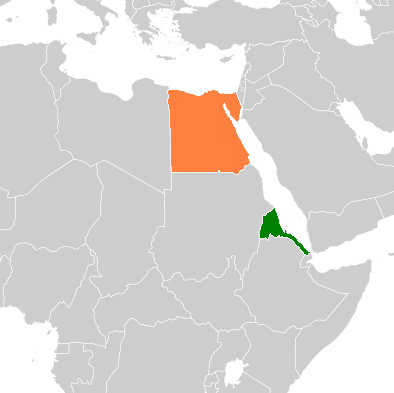
What can be inferred from regional patterns is limited but suggestive. Eritrea shares borders with Ethiopia, Sudan, and Djibouti — all countries where basic food costs consume a significant portion of household income. Without official data, one cannot confirm whether Asmara’s housing market follows regional trends or has developed its own peculiar dynamics under the PFDJ’s tight control.
The absence of cost of living indices from the World Bank suggests either that international organisations cannot access reliable local price data, or that the government does not cooperate with such surveys.
For the average Eritrean, daily life likely involves a mix of formal and informal economic activity, with remittances from the diaspora — estimated in other reports to be substantial — playing a crucial role in household survival. But without hard numbers, any description of living costs remains speculative. The data vacuum itself is the story: it means that even basic economic planning for families, businesses, or aid agencies must proceed without the statistical foundations taken for granted elsewhere.
Business and Investment — Navigating the Unknown
The data provided lists no top companies, no major industries, and no business environment rankings for Eritrea. This absence is consistent with a country that has not held national elections since independence and where the PFDJ controls political and economic life. The World Bank’s “Doing Business” reports have historically ranked Eritrea near the bottom globally, but even those figures are absent from the current dataset.
Without identifiable major corporations, one cannot point to sectors to watch or flag emerging opportunities. Mining — particularly gold and potash — has attracted some foreign interest in previous years, but the data provided does not confirm current activity. The lack of any company listings suggests either that the private sector remains underdeveloped, or that businesses operate in such opaque conditions that they do not register in international databases.
For potential investors, the message from the data is clear: proceed with extreme caution. When a country provides no GDP figures, no inflation data, and no population numbers to the World Bank, the due diligence required for any business venture becomes extraordinarily difficult. The political landscape — one party, one president for three decades, no elections ever held — adds a layer of political risk that most international businesses find prohibitive.
Security, Politics and the Quality of Life Question
The crime and safety indices from the data are marked “N/A”, which in this context may actually be a positive signal. Eritrea is not known for high rates of urban crime compared to some regional neighbours, though the absence of data means this cannot be verified through official channels.
The political landscape data is more revealing: the PFDJ is the only legal party, the 1997 constitution providing for multi-party politics has never been implemented, and President Isaias Afwerki has been in power since 1993. National elections have been scheduled and cancelled repeatedly, with none ever held as of 2025.
This political reality shapes every aspect of life. The National Assembly has 150 seats, but without elections, the representative nature of that body is unclear. The unimplemented constitution hangs over the country as a promise unfulfilled. For citizens, this means living under a government that has not faced a popular mandate in over three decades. For international observers, it means treating any official statements about economic progress with healthy scepticism.
Quality of life in such circumstances is difficult to measure without standard indicators. The World Bank provides no GNI per capita, no poverty data, no health or education statistics in this dataset. What can be said is that a country that has not held elections in 32 years, that does not report basic economic data, and that maintains indefinite national service is unlikely to rank highly on international happiness or wellbeing indices.
But without the numbers, even that conclusion must be stated as inference rather than fact.
Current Affairs — The 2025 Status Quo
As of 2025, the defining feature of Eritrea’s current affairs is continuity. President Afwerki remains in office, the PFDJ remains the sole legal party, and the national elections that were periodically scheduled continue to be cancelled. The World Bank data shows no change from previous years — the same “N/A” entries that have characterised the country’s statistical profile for over a decade.
There are no recent reforms, no new policy shifts, no business developments recorded in the available data. The political landscape has not changed: no opposition parties have been legalised, no constitutional implementation has begun, and no electoral timetable has been announced. The country remains in the same holding pattern it has occupied since independence.
For a feature article that aims to be timely, this stasis is the story. Eritrea is a country that has chosen isolation over integration, opacity over transparency, and continuity over change. While neighbours like Ethiopia have undergone dramatic political transformations, Eritrea has remained remarkably stable in its authoritarian structure. The absence of news is itself newsworthy — it signals a government that has successfully resisted both internal and external pressure to open up.
The Bottom Line
Eritrea is a country for specialists only. Without basic economic data from the World Bank, without a functioning electoral system, and without identifiable major industries or companies, it offers little for conventional investors or businesses. Those with a strategic interest in the Horn of Africa — regional security analysts, diaspora engagement specialists, or mining companies with very high risk tolerance — may find reasons to watch.
For everyone else, the data vacuum is a clear warning: this is an economy that operates outside the rules of international transparency, and any engagement should proceed with eyes wide open to the unknowns.
Sources & Methodology
This article is authored by Economic Pulse Net for informational and research purposes. Economic Pulse Net sources its data from multilateral institutions, national statistics bureaus, and proprietary databases. All data is believed to be current as of the date of publication.
Published: July 30, 2026 | Category: Research — Eritrea
Use these signals in your own platform
Economic Pulse publishes its live signal feed through a documented, read-only API. Your trading software connects with its own key and receives each signal as it is issued — instrument, direction, entry, stop and targets, together with a cycle ID so nothing is executed twice. The feed is independent of this website and cannot change it.
Signals are informational only and are not financial advice.