Economic Pulse Net | Sources: World Bank World Development Indicators, Government Sources | 2026
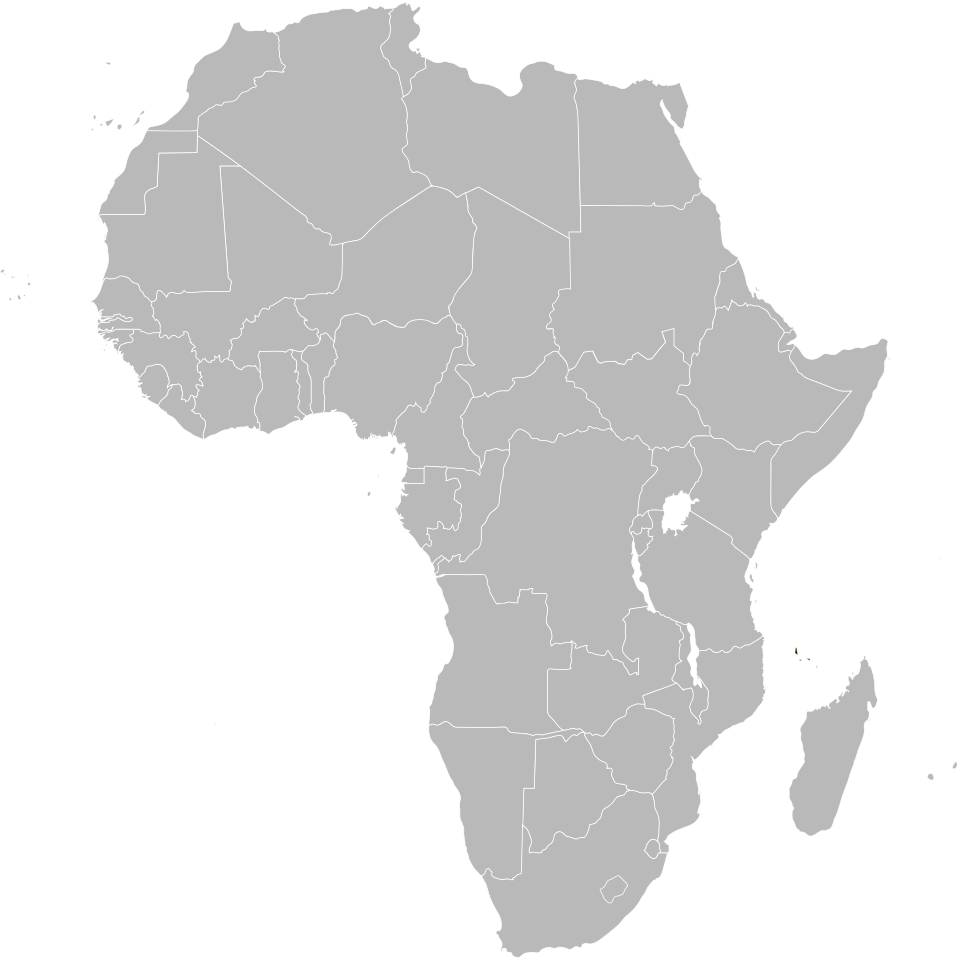
The Union of the Comoros, a volcanic archipelago off Africa’s eastern coast, stands at a fascinating crossroads. Known for its fragrant ylang-ylang, vanilla, and cloves, this nation of three main islands—Grande Comore, Anjouan, and Mohéli—has long been defined by its political turbulence. Yet, beneath the surface of headline-grabbing coups and constitutional shifts lies a quieter story of economic resilience.
As the country transitions from a contested military past toward a more structured federal presidency, its business environment is slowly finding its footing. With a heavy reliance on a few key sectors and a diaspora that fuels consumption, the Comorian economy is a study in contrasts—rich in potential, yet delicate in its dependencies. This is a nation watching its aviation sector take flight while its political framework matures, offering a unique case study in Indian Ocean economics.
Key Takeaways
– A Political Metamorphosis: Comoros has formally transitioned from a period considered a military dictatorship to a federal presidential republic, with a multi-party system ratified by a 2001 constitutional referendum.
– Aviation is the Commercial Backbone: The nation’s most prominent companies are overwhelmingly in the consumer services and aviation sectors, indicating where private enterprise is concentrating its efforts.
– Financial Sector Formalizing: Alongside airlines, major financial institutions like the Central Bank of the Comoros and Exim Bank Comoros are anchoring the formal economy, signaling a push toward banking stability.
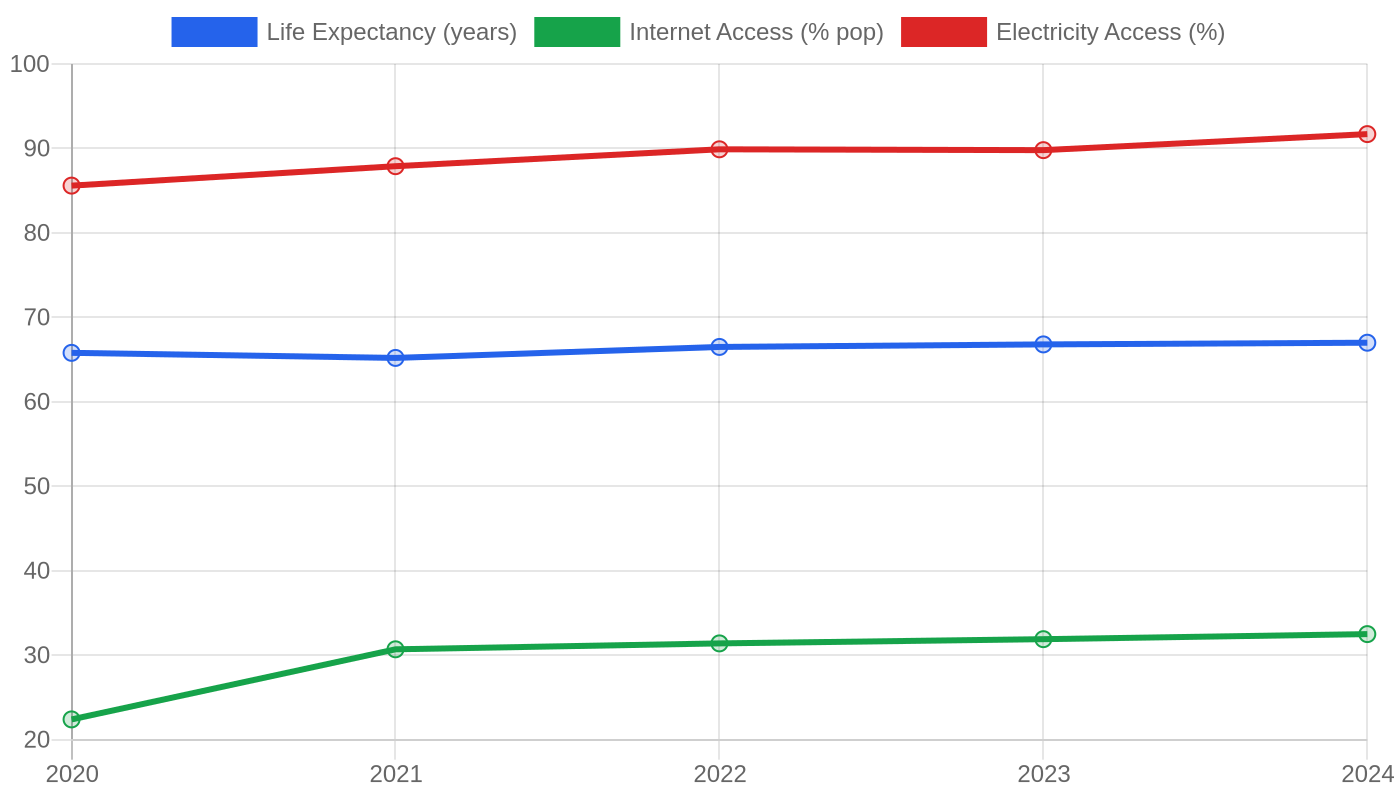
– A Data-Sparse Economy: Key macroeconomic indicators like GDP growth and inflation are currently unquantified by major international bodies, making qualitative analysis and sectoral observation crucial for investors.
– A Federal Experiment in Progress: The political structure is unique, with a rotating presidency among the islands historically, designed to balance power in a nation where clan and island loyalties run deep.
The Economic Engine: Between Agriculture and Air Travel
The Comorian economy operates on a scale that is both intimate and intricate. While the World Bank currently does not provide specific figures for GDP growth, inflation, or unemployment, the structural composition of the nation’s leading industries offers a clear window into its economic reality. The economy has traditionally leaned heavily on agriculture, specifically the export of vanilla, cloves, and the essential oil of ylang-ylang, which is used in high-end perfumes worldwide.
However, the list of top companies suggests a shift toward a service-oriented economy, with consumer services dominating the corporate landscape. The presence of five distinct aviation companies—AB Aviation, Comores Air Services, Comores Aviation International, Comoro Islands Airline, and Int’Air Îles—highlights a significant investment in connectivity, both domestically between the islands and internationally to East Africa and the Middle East.
This is not merely a luxury; it is a logistical necessity for an archipelago where sea travel is slow and unreliable. Furthermore, the prominence of the Central Bank of the Comoros and Exim Bank Comoros in the corporate registry indicates a formalization of the financial sector, moving away from informal, clan-based lending toward regulated banking.
This formalization is the bedrock upon which future foreign investment must be built, as it offers a modicum of legal recourse and financial transparency in a region where such guarantees are often scarce.
Cost of Living and Housing: The Price of Isolation
Life in the Comoros carries a premium that is invisible in official statistics but palpable in daily life. As an island nation with limited manufacturing capacity, nearly everything—from construction materials to processed food—must be imported, driving up costs significantly compared to mainland African economies. While specific housing data is not available, the real estate market in the capital, Moroni, is characterized by a stark divide.
There is a limited stock of modern, reinforced-concrete villas catering to diplomats, aid workers, and wealthy members of the diaspora, which command premium rents. The majority of the population, however, lives in traditional homes constructed from coral stone and timber, often in densely packed neighborhoods where land tenure is complex and often contested.
For the average citizen, the cost of living is heavily subsidized by remittances from the Comorian diaspora in France, which are estimated to constitute a substantial portion of household income. This reliance on external funds creates a unique dynamic where local prices are often pegged to the Euro, making the Comorian Franc stable but the cost of daily goods high for those without access to foreign currency. The ‘rent vs.
buy’ equation is skewed heavily toward buying land when possible, as renting is seen as throwing money away in a culture where land ownership is the primary marker of wealth and security.
Investment and Business Climate: A Sky-High Focus
For the discerning investor, the Comoros presents a frontier market with a specific, aviation-shaped door of opportunity. The dominance of air travel companies in the nation’s corporate top-tier is a clear signal that inter-island transport is the sector to watch. The government has recognized that without reliable air links, the tourism potential of Mohéli’s reefs and the trade potential of Anjouan’s ports will remain untapped.
This has created a competitive, albeit small, market where companies like Int’Air Îles and AB Aviation vie for market share. Beyond aviation, the financial sector is undergoing a quiet revolution. The presence of Exim Bank Comoros suggests a move toward trade financing, which is crucial for a nation of importers. However, the business climate remains challenging for outsiders. Bureaucracy is heavy, and the legal framework, while improved under the federal constitution, still struggles with enforcement.
The country is not yet a haven for large-scale manufacturing due to high energy costs and logistical hurdles. Instead, the smart money is on niche opportunities: boutique tourism, the export of essential oils, and telecommunications. The political will to stabilize the business environment exists, but the capacity to enforce contracts and protect intellectual property remains a work in progress, making local partnerships not just advisable, but essential for navigation.
Safety, Politics, and Quality of Life: The Federal Balancing Act
The political landscape of the Comoros is its most defining feature. Described as a federal presidential republic, the country operates under a constitution ratified in December 2001. This charter was a direct response to decades of instability, including a period explicitly categorized as a military dictatorship. The transition of power from Azali Assoumani to Ahmed Abdallah Mohamed marked a critical test of this new system, signaling a move toward constitutional continuity.
The political framework is designed to rotate the presidency among the three islands, a complex power-sharing mechanism intended to prevent the marginalization of any single island. While this system ensures political inclusion, it can also lead to policy paralysis as coalitions shift. Regarding safety, while specific crime indices are not available, the Comoros is generally considered a low-crime society by regional standards, though petty theft and political demonstrations can occur.
The quality of life is defined by a strong sense of community and a slower pace of life, but is tempered by high unemployment among youth and limited public services. The “happiness” of the population is often linked to social cohesion rather than material wealth, a resilience that has seen the nation through its turbulent history.
Current Affairs: Flying Through Turbulence
Right now, the Comoros is navigating a period of significant political and economic recalibration. The shift in leadership from Assoumani to Mohamed Sambi is not just a change of faces; it represents a potential renegotiation of the balance of power between the union government and the island governments. Businesses are watching closely to see if the new administration will honor the privatization agreements and infrastructure contracts signed by its predecessor.
In the aviation sector, the expansion of routes by carriers like Int’Air Îles suggests a bet on increased regional integration, particularly with the French territory of Mayotte and the economic hubs of Tanzania and Kenya. However, this optimism is tempered by the reality of global fuel price volatility, which directly impacts the operational costs of the nation’s primary corporate sector.
There is also a quiet push from the Central Bank to increase financial inclusion, leveraging mobile money to bring the unbanked population into the formal economy. The government is currently walking a tightrope, attempting to appease the international community with promises of anti-corruption reforms while managing the domestic patronage networks that have historically defined Comorian politics.
The next few months will be crucial in determining whether the country can translate its political maturity into tangible economic dividends.
The Bottom Line
The Comoros is not a country for the faint-hearted investor or the casual observer; it is a nation of intricate social fabrics and high logistical hurdles. Those who should watch this country closely are niche investors in the aviation and tourism sectors, development economists studying post-conflict federalism, and multinationals looking for a gateway to the Indian Ocean trade routes.
The islands’ future hinges on their ability to leverage their strategic position and agricultural uniqueness while overcoming the structural weaknesses of a small, import-dependent economy. With a maturing political system and a corporate sector dominated by ambitious airlines, the Comoros is slowly building its runway for takeoff—the world just needs to look past the data gaps to see the potential on the tarmac.
Sources & Methodology
This article is authored by Economic Pulse Net for informational and research purposes. Economic Pulse Net sources its data from multilateral institutions, national statistics bureaus, and proprietary databases. All data is believed to be current as of the date of publication.
Published: August 04, 2026 | Category: Research — Comoros
Use these signals in your own platform
Economic Pulse publishes its live signal feed through a documented, read-only API. Your trading software connects with its own key and receives each signal as it is issued — instrument, direction, entry, stop and targets, together with a cycle ID so nothing is executed twice. The feed is independent of this website and cannot change it.
Signals are informational only and are not financial advice.