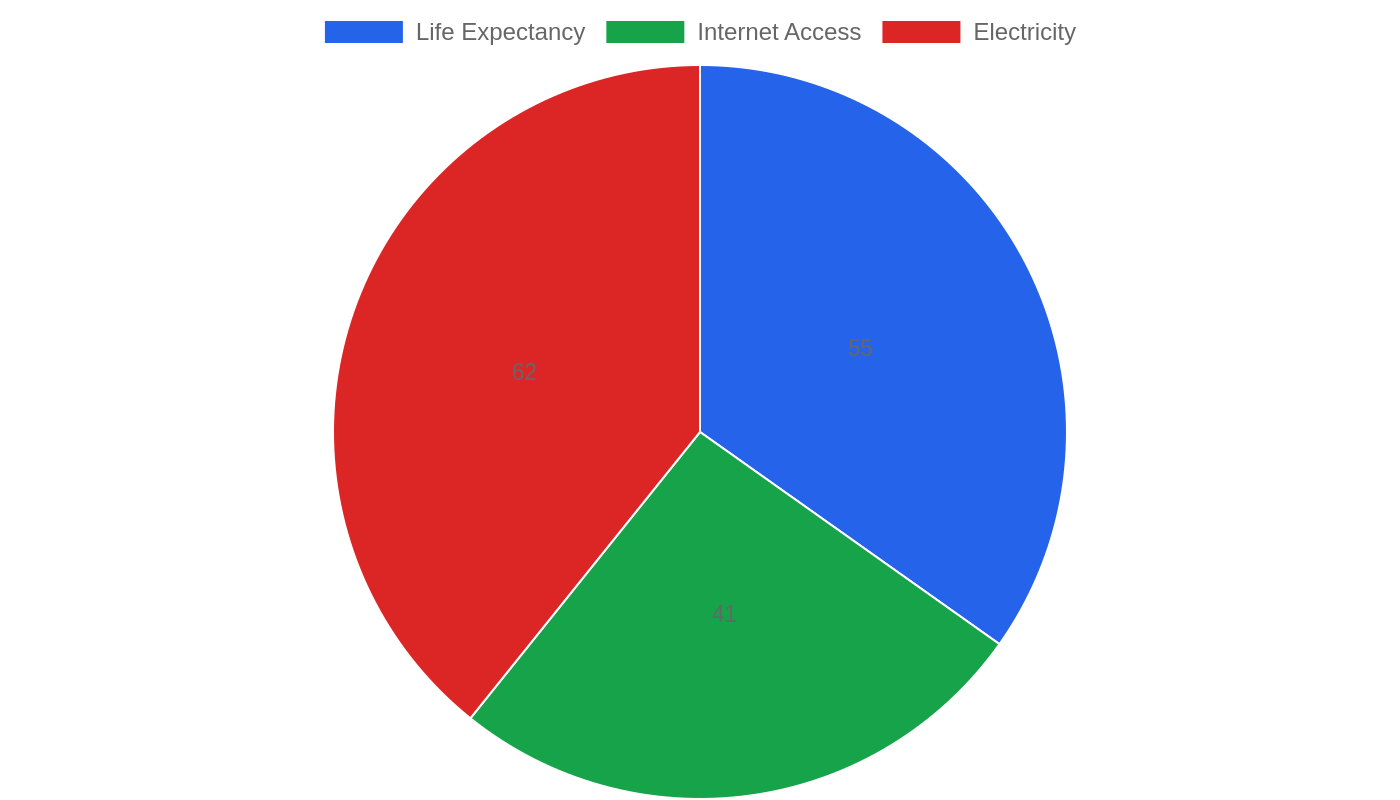
Economic Pulse Net | Sources: World Bank World Development Indicators, Government Sources | 2026
Key Takeaways
– Burundi’s political system operates as a presidential representative democratic republic with 21 registered parties, yet the nation continues to grapple with the legacy of decades of ethnic tension and constitutional upheaval. The 1992 constitution brought multi-party competition, but the 1998 amendment that broadened the National Assembly signaled ongoing institutional instability.
– The country’s top companies span telecommunications, mining, textiles, and financial services — Africell Burundi, African Mining Burundi, and the Bank of the Republic of Burundi among them — suggesting a private sector that is trying to modernize despite a challenging operating environment.
– Key economic indicators from the World Bank — GDP growth, inflation, unemployment, GDP per capita, and GNI per capita — are all currently unavailable, which itself speaks volumes about the opacity and fragmentation of Burundi’s economic data infrastructure.
– The cost of living and crime indices are also unrecorded by standard international databases, leaving analysts to rely on qualitative reports from regional observers and humanitarian organizations to gauge daily life.
– Burundi remains one of the world’s poorest and most fragile states, yet its telecommunications and mining sectors offer glimmers of potential if political stability can be sustained and international confidence restored.
The Invisible Economy — What the Missing Numbers Tell Us
When the World Bank publishes no GDP growth figure, no inflation rate, no unemployment statistic, and no GDP per capita for a country, it is not merely a data gap — it is a statement. For Burundi, these blank cells in the global economic spreadsheet reflect a nation where statistical systems have collapsed, where informal activity dominates formal commerce, and where international institutions struggle to maintain reliable monitoring.
The absence of a GNI per capita figure, typically one of the most basic metrics for any country, underscores how deeply Burundi has fallen off the radar of mainstream economic surveillance.
This is not a country experiencing a quiet recession or a modest slowdown. This is a country where the basic machinery of economic measurement has broken down. The main industries listed — from African Mining Burundi’s extraction operations to Afritextile’s consumer goods production to Africell’s telecommunications network — suggest a diverse but stunted industrial base.
Mining, textiles, and telecoms are all sectors that require capital investment, regulatory clarity, and political predictability. That these companies continue to operate at all is a testament to entrepreneurial resilience, but the lack of headline data means we cannot quantify whether they are growing, stagnating, or contracting.
The implications are stark. Without reliable GDP data, the government cannot calibrate fiscal policy. Without inflation figures, the central bank — the Bank of the Republic of Burundi — is flying blind on monetary policy. Without unemployment statistics, there is no way to assess whether the economy is generating jobs for a young and rapidly growing population.
The missing numbers are not just an inconvenience for economists; they are a governance failure that leaves Burundi’s leadership making decisions in the dark.
The Price of Living — When the Basics Become a Luxury
The cost of living in Burundi is not captured by any major international index, which itself is revealing. In countries where the cost of basic goods is volatile and subsistence farming remains widespread, standard price baskets often fail to capture reality. For most Burundians, the cost of living is measured not in rent-to-income ratios or CPI baskets, but in the price of cassava, beans, and cooking oil at the local market — commodities whose prices fluctuate with weather, conflict, and transport routes.
Housing costs, whether for rent or purchase, are similarly undocumented by global databases. What is known from regional observers is that Bujumbura, the economic capital, has seen property prices swing wildly with political cycles. During periods of calm, demand from international NGOs and diplomatic missions drives up rents in secure neighborhoods. During crises, the market collapses.
For the majority of Burundians living in rural areas, housing is not a market transaction at all — it is family land, inherited and shared, with no formal valuation.
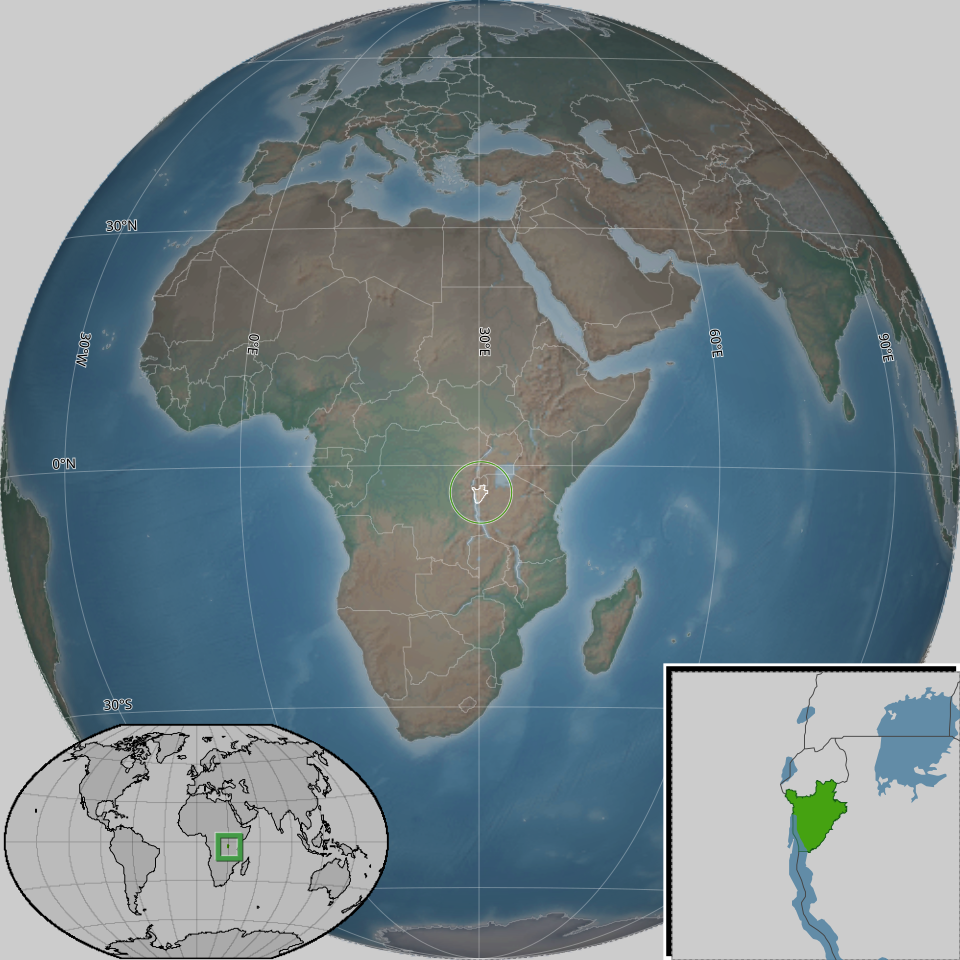
Daily expenses in Burundi are shaped by the country’s landlocked geography. Everything that is not grown locally — fuel, medicine, manufactured goods, electronics — must be imported through Tanzania, Rwanda, or the Democratic Republic of Congo, adding transport costs that inflate prices far beyond regional averages. A bottle of cooking oil or a bag of rice that might cost half as much in Nairobi or Kigali becomes a significant household expense in Bujumbura.
Without formal inflation data, families rely on their own memory of last month’s market prices to budget for next week.
Business in the Balance — Companies That Stay When Others Leave
The list of top companies in Burundi reads like a roll call of those who have chosen to stay rather than flee. Afra Airways and Air Burundi represent the consumer services sector, keeping the country connected to the region despite the challenges of operating in a small, low-income market. Africell Burundi provides telecommunications infrastructure that is often the only reliable link between rural communities and the outside world.
African Mining Burundi taps into the country’s mineral wealth — nickel, gold, and rare earths — though extraction has been hampered by political instability and infrastructure deficits.
On the financial side, Bancobu and the Bank of the Republic of Burundi sit alongside the Banque de commerce et de développement, forming a banking sector that is tiny by regional standards but essential for what little formal economic activity exists. These institutions face extraordinary challenges: low deposit bases, high credit risk, and a population that largely operates outside the banking system.
Yet their very existence signals that some investors see long-term potential in Burundi’s economy — perhaps betting that political normalization will eventually unlock growth.
For a business considering entry into Burundi, the environment is harsh but not hopeless. The regulatory framework exists on paper, but enforcement is unpredictable. Corruption remains a significant barrier, and the legal system offers limited recourse for contract disputes.
Sectors to watch include mining, where international demand for battery minerals could transform the economy if extraction becomes viable, and telecommunications, where mobile money and digital services are already leapfrogging traditional banking. The companies that succeed here are those with patience, local partnerships, and a tolerance for uncertainty that would daunt most multinationals.
The Political Tightrope — Democracy, Ethnicity, and the Shadow of the Past
Burundi’s political landscape is defined by a constitution that has been rewritten twice in the last three decades — first in 1992, when Tutsi coup leader Pierre Buyoya established a multi-party system after years of ethnic dictatorship, and again in 1998, when the National Assembly was broadened in an attempt to accommodate competing factions.
Today, the country operates as a presidential representative democratic republic with 21 registered parties, a number that suggests pluralism on paper but masks the reality of a system still scarred by the civil war that ended in 2005.
The ethnic divide between Hutu and Tutsi, which fueled genocidal violence in neighboring Rwanda and a brutal civil war in Burundi itself, remains the country’s deepest fault line. The 1992 constitution was a fragile compromise, and the 1998 amendments did not fully resolve the tensions. Every election cycle brings fears of a return to violence, and international observers have repeatedly documented irregularities and repression.
The president serves as both head of state and head of government, concentrating power in a way that worries human rights organizations.
For the average Burundian, politics is not an abstract debate about constitutional design — it is a matter of survival. Political affiliation can determine access to jobs, land, and justice. The 21 registered parties are not all equal; some are vehicles for ethnic mobilization, others are patronage networks built around individual leaders. The quality of life for most citizens depends less on GDP figures than on whether their community is aligned with the ruling party.
Safety, too, is political — crime indices may be unavailable, but qualitative reports from humanitarian organizations describe a society where security is uneven, where police presence is thin in rural areas, and where political violence can erupt with little warning.
What’s Happening Now — A Nation Waiting for Its Data to Return
As of early 2026, Burundi remains in a state of suspended animation. The World Bank’s data gaps have not been filled, suggesting that international monitoring efforts have not yet been restored to normal levels. This is not a country experiencing a sudden crisis that has made headlines — it is a country that has been in a slow-burn emergency for so long that it has fallen off the global news cycle altogether.
The lack of recent economic indicators means that even basic questions — Is inflation accelerating? Is the currency stable? Are exports growing? — cannot be answered with certainty.
What is known is that the mining sector continues to attract interest, with African Mining Burundi and other operators exploring the country’s nickel and rare earth deposits. The telecommunications sector, led by Africell, is expanding mobile money services, which are increasingly vital in a country where most people lack bank accounts.
The financial sector, including Bancobu and the Banque de commerce et de développement, is struggling to maintain liquidity in an environment where international reserves are thin and foreign investment is scarce.
Politically, the country is in a period between electoral cycles, which offers a fragile calm. The 21 registered parties are positioning themselves for future contests, but the underlying ethnic and regional tensions have not been resolved. The 1998 constitutional amendments remain in place, but there is no consensus on whether they provide a sustainable framework for governance.
For now, Burundi endures — its economy invisible to statisticians, its people resilient in the face of uncertainty, its future dependent on whether the political class can transcend the divisions that have defined the country since independence.
The Bottom Line
Burundi is not a country for the faint-hearted investor or the casual observer. It is a nation whose economic data is essentially absent, whose political system is fragile, and whose population has endured decades of hardship. Yet for those willing to look past the missing numbers, there are real assets — mineral wealth, a young population, a strategic location in the Great Lakes region — that could form the basis of a recovery if political stability takes hold.
Watch Burundi if you believe in the long-term potential of frontier markets, but do not expect quick returns or easy answers. This is a country that will reward patience, local knowledge, and a clear-eyed understanding of the risks.
Sources & Methodology
This article is authored by Economic Pulse Net for informational and research purposes. Economic Pulse Net sources its data from multilateral institutions, national statistics bureaus, and proprietary databases. All data is believed to be current as of the date of publication.
Published: July 21, 2026 | Category: Research — Burundi
Use these signals in your own platform
Economic Pulse publishes its live signal feed through a documented, read-only API. Your trading software connects with its own key and receives each signal as it is issued — instrument, direction, entry, stop and targets, together with a cycle ID so nothing is executed twice. The feed is independent of this website and cannot change it.
Signals are informational only and are not financial advice.