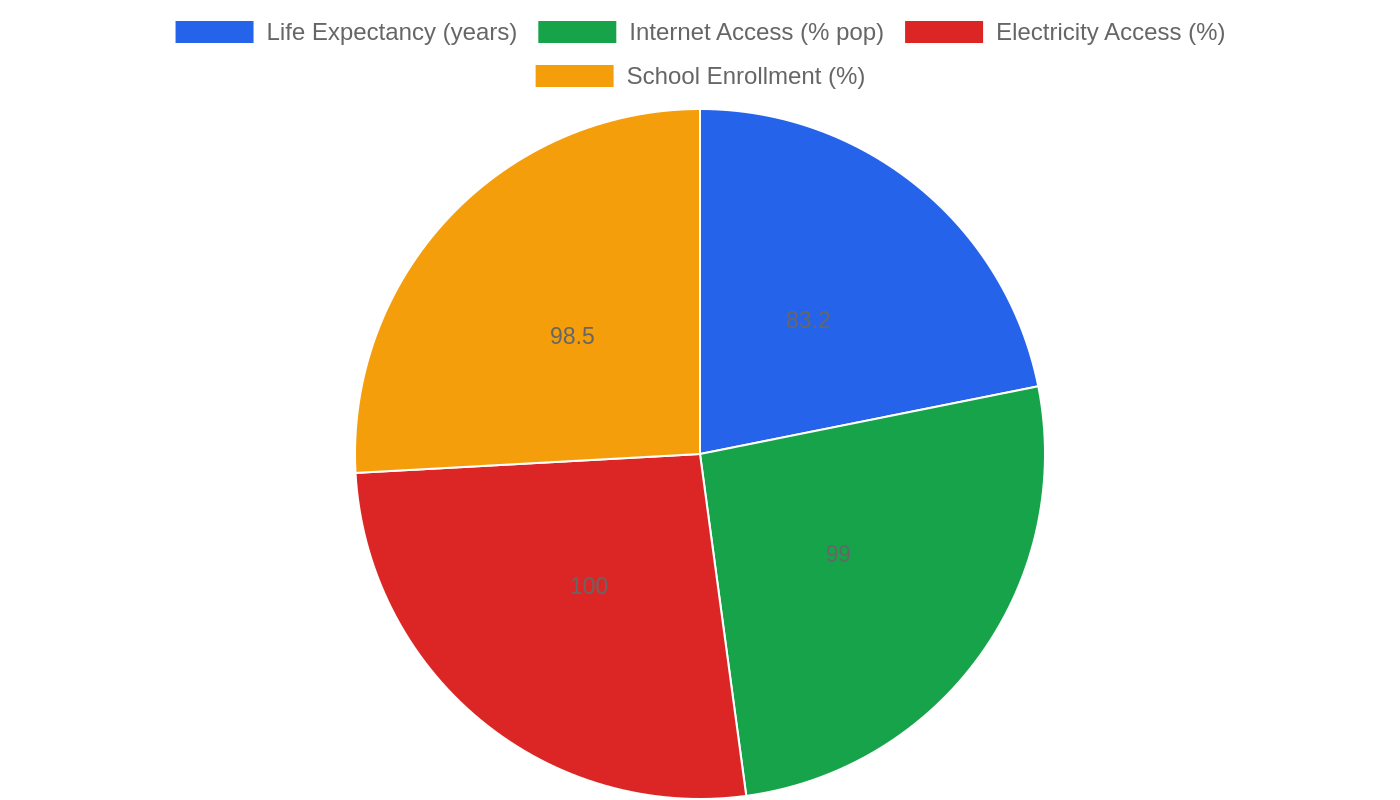
Economic Pulse Net | Sources: World Bank World Development Indicators, Government Sources | 2026
Key Takeaways
– The Northern Mariana Islands operate as a U.S. commonwealth, with federal funds administered through the Office of Insular Affairs of the U.S. Department of the Interior, making Washington’s budgetary decisions a central pillar of local economic stability.
– The islands’ economic data remains largely opaque, with the World Bank reporting no available figures for GDP growth, inflation, unemployment, or per capita income — a reflection of both data collection challenges and the territory’s small, isolated economy.
– The political system is a multiparty presidential representative democracy, but the territory’s status as a U.S. commonwealth means its fiscal and trade policies are deeply intertwined with American federal governance.
– Without major private-sector industries or significant foreign investment reported, the commonwealth faces structural vulnerabilities that leave it heavily reliant on external support and tourism — sectors that remain precarious in the post-pandemic era.
The Silent Ledger — Reading Between the Lines of an Unreported Economy
When the World Bank publishes its annual country profiles, most nations arrive with a thicket of numbers: GDP growth rates, inflation trajectories, unemployment tallies, and per capita income estimates. For the Northern Mariana Islands, that page is nearly blank. The World Bank reports no data for GDP growth, inflation, unemployment, GDP in U.S. dollars, GDP per capita based on purchasing power parity, GNI per capita, or even population. This statistical silence is itself a story — and not a reassuring one.
What does it mean when an entire economy is essentially unmeasured by the world’s premier development institution? In practical terms, it means that policymakers, investors, and residents are navigating without a compass. Without reliable GDP figures, it is impossible to know whether the economy is expanding or contracting. Without inflation data, families cannot gauge whether their purchasing power is eroding. Without unemployment statistics, the government cannot design targeted job creation programs.
The absence of data is not merely an academic inconvenience; it is a governance gap that leaves the commonwealth vulnerable to shocks it cannot see coming.
The Northern Mariana Islands are a commonwealth of the United States, and federal funds to the territory are administered by the Office of Insular Affairs of the U.S. Department of the Interior. This arrangement provides a financial lifeline, but it also creates dependency. When Washington adjusts its budget priorities — whether for infrastructure, healthcare, or disaster relief — the islands feel the ripple effects directly.
The lack of local economic data makes it difficult for territorial leaders to advocate effectively for their share of federal resources. They cannot point to a rising poverty rate or a contracting GDP to make their case; they are arguing from a position of empirical invisibility.
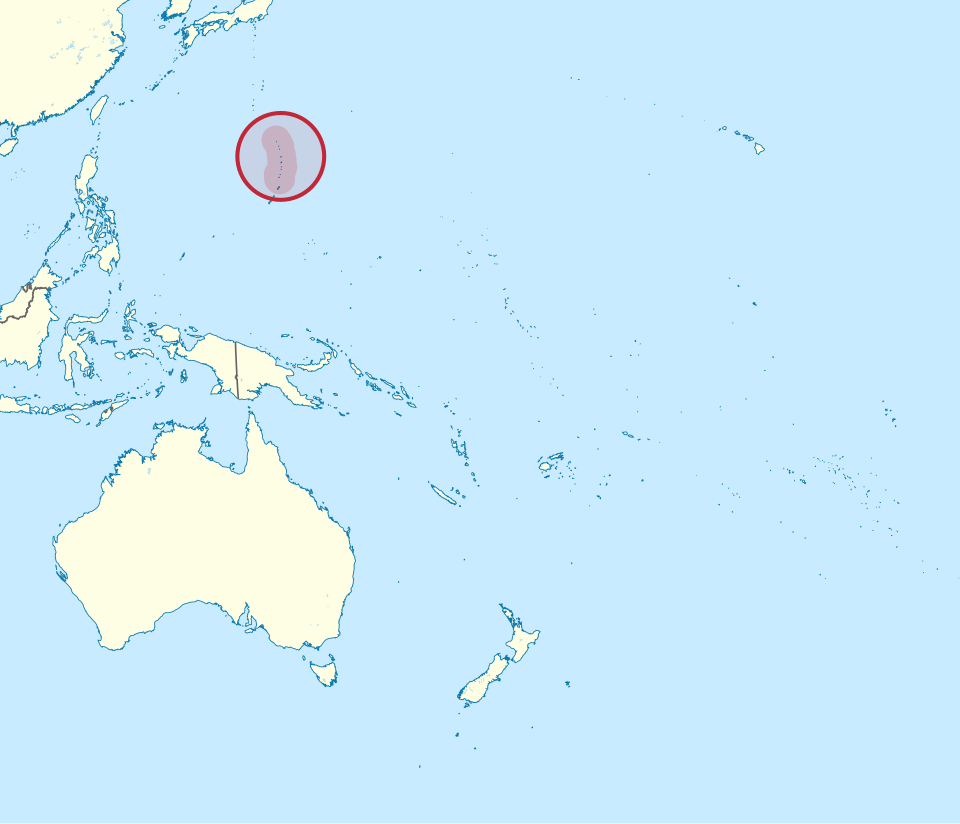
What can be inferred from the available information is that the economy is small, isolated, and structurally constrained. The main industries are not listed in the provided data, but the territory’s geography and history suggest a reliance on tourism, remittances, and federal transfers.
Without diversified manufacturing, robust agriculture, or a significant financial services sector, the commonwealth remains highly exposed to external shocks — whether those are global recessions, pandemics, or shifts in U.S. foreign policy toward the Pacific.
The Price of Paradise — Housing and Daily Life in a Data Void
Understanding the cost of living in the Northern Mariana Islands requires reading the available data with care — and acknowledging what is not there. The provided information does not include specific housing costs, rent averages, or daily expense benchmarks. There are no comparisons to regional averages, no breakdowns of food prices or utility costs.
This gap is significant because for residents of the commonwealth, the cost of living is likely a daily preoccupation, shaped by the islands’ remote location and dependence on imported goods.
In small island economies, the cost of living is almost always higher than on continental landmasses. Everything from food to fuel to construction materials must be shipped in, and those shipping costs are passed directly to consumers. Without local manufacturing or large-scale agriculture, even basic necessities carry a premium. Housing, too, is constrained by limited land availability and the high cost of imported building materials.
Renters and homeowners alike face a market where supply is tight and prices are dictated by forces far beyond the islands’ control.
The absence of official data on these costs does not mean the problem does not exist. For families in the Northern Mariana Islands, the gap between income and expenses is likely a persistent source of financial strain. Without federal subsidies or robust social safety nets, even middle-class households may find themselves one medical emergency or one typhoon away from financial instability. The data may be missing, but the lived reality is not.
Investing in the Invisible — The Business Climate of an Unmeasured Territory
For any investor considering the Northern Mariana Islands, the first challenge is not regulatory or logistical — it is informational. The provided data lists no major companies headquartered in the territory, no key industries to watch, and no indicators of business environment quality. This absence suggests that the private sector is either very small, very informal, or both. Without a roster of top employers or a clear sense of which sectors are growing, potential investors are effectively flying blind.
The political landscape offers some structural clarity. The Northern Mariana Islands have a multiparty presidential representative democratic system and are a commonwealth of the United States. This status provides a degree of legal and political stability that many other Pacific islands lack. Property rights are generally protected, the rule of law is established, and the territory operates under the U.S. legal framework.
For investors from the United States, this familiarity may be an advantage — there is no need to navigate an entirely foreign legal system or worry about expropriation.
However, the same status that provides stability also imposes constraints. As a U.S. commonwealth, the Northern Mariana Islands cannot negotiate independent trade agreements or set their own monetary policy. The U.S. dollar is the currency, which eliminates exchange rate risk but also means the territory cannot devalue its way to competitiveness. Labor laws, environmental regulations, and immigration policies are all shaped by Washington’s priorities, not local needs.
For businesses considering a move, the question is whether the benefits of U.S. legal protections outweigh the limitations of being a small territory in a vast ocean with no data to guide strategic decisions.
Safety, Sovereignty, and the Quality of Life Question
The provided data includes no crime index or safety index for the Northern Mariana Islands, and no happiness or well-being metrics. This is another blank space in a profile full of them. Yet the quality of life in the commonwealth is shaped by factors that go beyond crime statistics. The political system — multiparty, presidential, representative, and democratic — suggests a functioning governance structure with checks and balances. The territory’s status as a U.S.
commonwealth provides access to federal courts, federal law enforcement resources, and, in theory, the protections of the U.S. Constitution.
But quality of life is also about economic opportunity, healthcare access, educational attainment, and environmental resilience. On each of these fronts, the data is silent. Without information on hospital capacity, school enrollment, or disaster preparedness, it is impossible to construct a full picture of daily life. What can be said is that the Northern Mariana Islands, like many Pacific territories, face existential threats from climate change — rising sea levels, stronger typhoons, and coastal erosion.
These environmental pressures compound the economic vulnerabilities already present.
The political landscape, as described by the available data, is stable but dependent. Federal funds administered by the Office of Insular Affairs of the U.S. Department of the Interior are a critical source of revenue, but they also tie the territory’s fortunes to the whims of American politics. A change in administration in Washington, a budget battle in Congress, or a shift in foreign policy priorities can have outsized effects on a commonwealth that lacks the economic heft to chart its own course.
The Present Tense — What Is Happening in the Northern Mariana Islands Right Now
The most current information available about the Northern Mariana Islands comes from the political and administrative framework: the territory is a commonwealth of the United States, and federal funds are administered by the Office of Insular Affairs of the U.S. Department of the Interior. This is not a news headline — it is a structural reality that shapes everything happening in the islands at this moment.
What does this mean for the present? It means that the most significant economic developments in the Northern Mariana Islands are likely unfolding in Washington, not in Saipan. Budget negotiations, infrastructure spending bills, and disaster relief packages passed by the U.S. Congress have direct and immediate consequences for the territory. When the U.S. government increases or decreases funding for insular areas, the commonwealth’s schools, hospitals, roads, and public services rise or fall accordingly.
The lack of recent news data — no reports of elections, reforms, policy shifts, or business developments — suggests a period of relative quiet, or perhaps a lack of international attention. For the people of the Northern Mariana Islands, the absence of news may be a blessing: no major crises, no political upheavals, no natural disasters making global headlines. But it also means the territory remains in the shadows, its economic struggles and successes largely invisible to the world.
The data vacuum is not just a statistical problem; it is a geopolitical one. A territory that cannot tell its own story — in numbers or in news — risks being forgotten.
The Bottom Line
The Northern Mariana Islands deserve the attention of anyone interested in the future of small island economies within larger federal systems. The territory’s reliance on U.S. federal funding, its lack of diversified industries, and its near-total data invisibility make it a case study in both dependency and resilience. For policymakers, the commonwealth offers lessons in what happens when economic data goes uncollected — and what is lost when a population cannot measure its own progress.
For investors, the territory remains a high-risk, low-information proposition. And for the people who call these islands home, the future depends not on what happens in Saipan, but on decisions made thousands of miles away in Washington, D.C.
Sources & Methodology
This article is authored by Economic Pulse Net for informational and research purposes. Economic Pulse Net sources its data from multilateral institutions, national statistics bureaus, and proprietary databases. All data is believed to be current as of the date of publication.
Published: July 30, 2026 | Category: Research — Northern Mariana Islands
Use these signals in your own platform
Economic Pulse publishes its live signal feed through a documented, read-only API. Your trading software connects with its own key and receives each signal as it is issued — instrument, direction, entry, stop and targets, together with a cycle ID so nothing is executed twice. The feed is independent of this website and cannot change it.
Signals are informational only and are not financial advice.