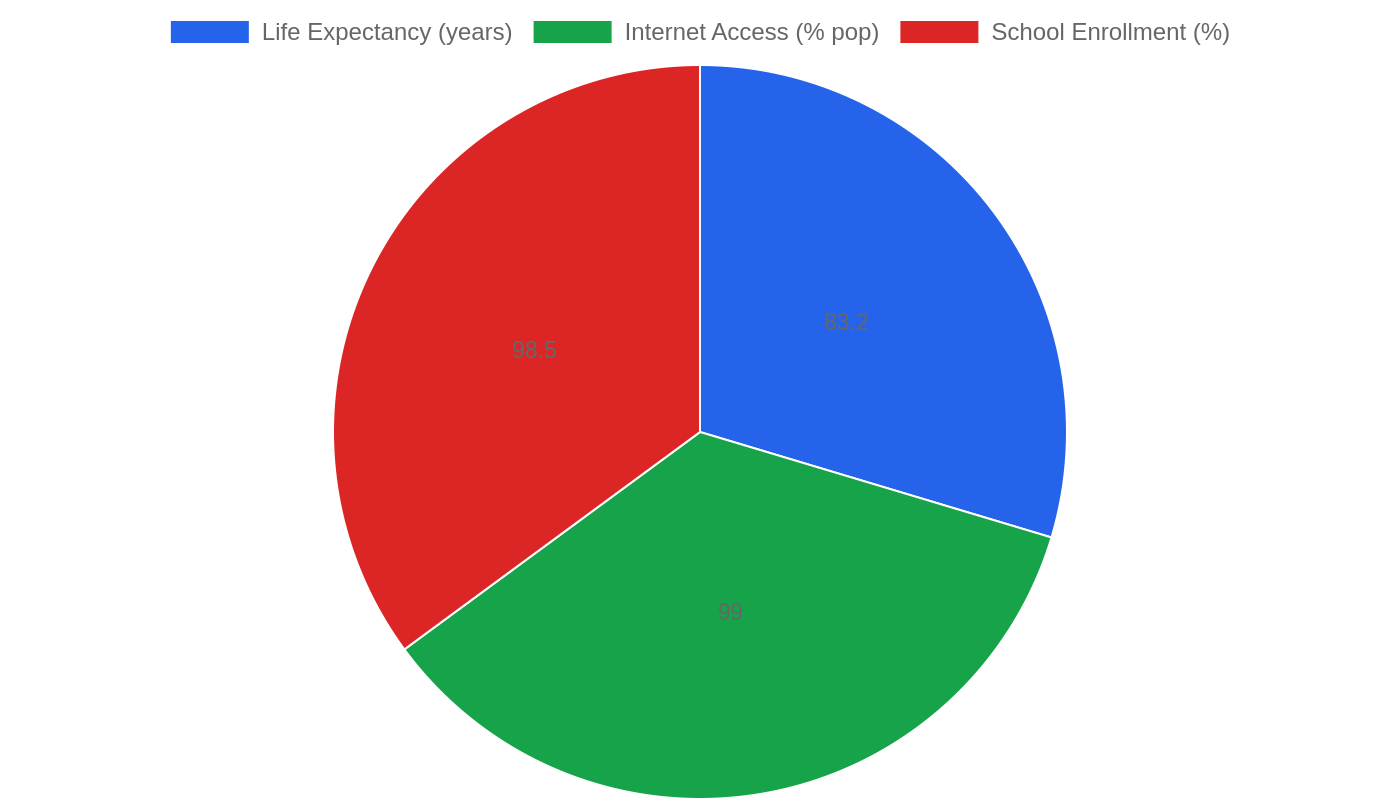
Economic Pulse Net | Sources: World Bank World Development Indicators, Government Sources | 2026
Key Takeaways
– The Northern Mariana Islands operate as a US commonwealth with a multiparty presidential representative democratic system, creating a unique political and economic framework in the Pacific.
– Federal funds administered by the Office of Insular Affairs of the US Department of the Interior remain the backbone of the commonwealth’s fiscal stability.
– While comprehensive economic indicators are currently limited, the islands’ strategic position in the Western Pacific continues to shape their development trajectory.
– The territory’s political status as a US commonwealth distinguishes it from neighboring Pacific island nations, offering distinct advantages and challenges.
– Observers should monitor how the commonwealth navigates its relationship with Washington while developing local economic resilience.
The Economic Landscape — A Pacific Economy in Transition
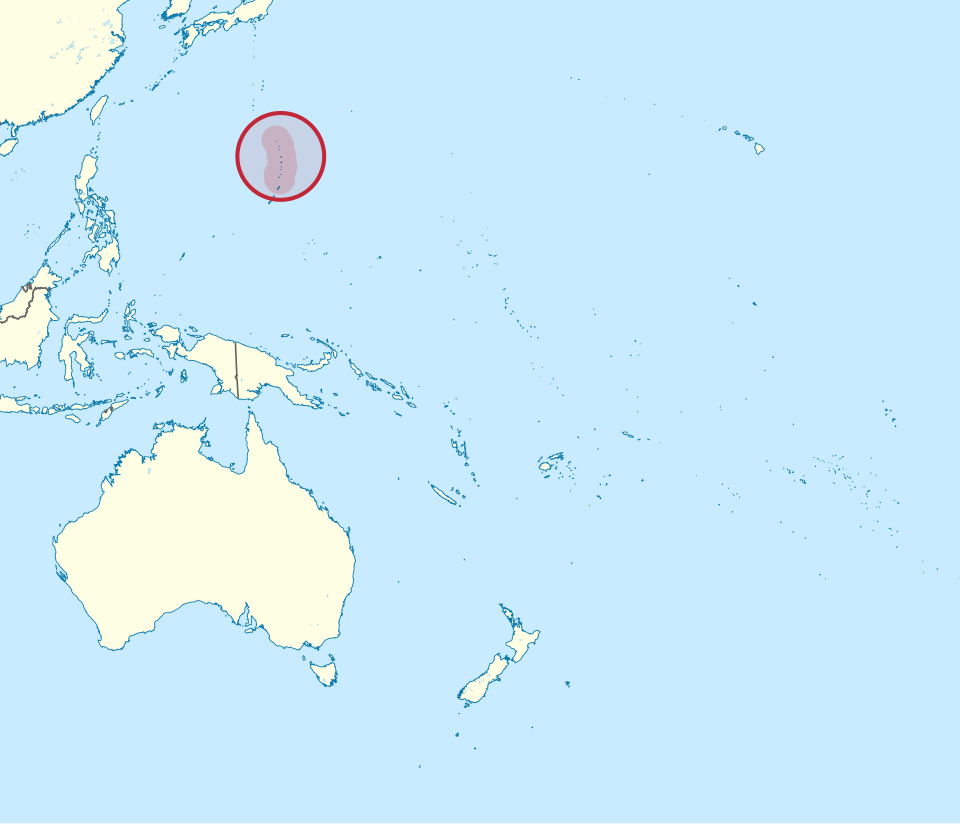
The Northern Mariana Islands present an intriguing case study in Pacific economic development, though comprehensive data from the World Bank remains sparse. What we know is that this commonwealth of approximately 50,000 residents has historically relied heavily on its political relationship with the United States, with federal funds administered through the Office of Insular Affairs of the US Department of the Interior playing a critical role in maintaining public services and infrastructure.
This financial lifeline has created a unique economic dynamic—one where external support and local enterprise must find balance.
The islands’ economy has traditionally centered on tourism, particularly from Asian markets, with the garment industry playing a significant historical role before trade preferences shifted. The service sector, government employment, and construction have provided the backbone of formal employment opportunities.
However, without current GDP growth figures, inflation data, or unemployment statistics from the World Bank, economists must rely on qualitative assessments and regional patterns to understand the commonwealth’s economic position.
What makes the Northern Marianas particularly fascinating is the tension between its political integration with the United States and its geographic and cultural position in the Pacific. The islands have struggled with economic diversification, and the absence of robust local industries beyond tourism and government services has left the economy vulnerable to external shocks.
The commonwealth’s leaders have repeatedly emphasized the need to attract investment in sectors like renewable energy, fisheries, and technology-enabled services, though progress has been gradual.
The labor market presents its own complexities, with significant numbers of foreign workers historically employed in tourism and construction. This has created demographic pressures and policy debates about immigration, workforce development, and the balance between local employment and imported labor. The economic future of the Northern Marianas will depend heavily on how these structural challenges are addressed in the coming years.
Cost of Living and Housing — The Price of Paradise
Life in the Northern Mariana Islands carries a premium that reflects the logistical realities of island living. As a remote archipelago, nearly all goods must be imported, which naturally drives up prices for everyday necessities. While specific cost-of-living data is not available from the World Bank, the pattern across Pacific island economies suggests that food, fuel, and consumer goods command significantly higher prices than on the US mainland or in larger Asian cities.
Housing in the Northern Marianas presents a stark divide. Saipan, the largest island and commercial center, offers everything from modest apartments to luxury beachfront properties, but affordability remains a persistent concern for local families. The rental market has been shaped by the demands of the tourism industry and the presence of foreign workers, which has pushed prices upward in desirable areas.
Homeownership rates have fluctuated as land tenure issues—particularly around the constitutional restriction on land ownership to people of Northern Marianas descent—continue to shape the property market.
The cost of utilities, particularly electricity, represents a significant burden for households. The commonwealth has historically depended on imported diesel for power generation, making electricity costs highly sensitive to global fuel prices. This creates a compounding effect on the cost of living, as higher energy costs ripple through food prices, transportation, and business operations.
For residents, this means that even basic monthly budgets require careful planning and often exceed what would be considered normal expenses in less isolated locations.
Investment and Business Climate — Opportunities and Obstacles
The business environment in the Northern Mariana Islands offers a distinctive proposition for investors. As a US commonwealth, the islands provide a degree of legal and regulatory stability that is rare among Pacific island nations. Businesses operating within the commonwealth benefit from US legal frameworks, currency stability, and access to US markets, creating a foundation that many neighboring jurisdictions cannot match.
The tourism sector remains the most prominent investment opportunity, with the islands’ white-sand beaches, World War II historical sites, and duty-free shopping drawing visitors from Japan, South Korea, and China. However, the sector’s dependence on international travel makes it vulnerable to regional geopolitical tensions and global health concerns.
Investors have also explored opportunities in light manufacturing, fisheries, and aquaculture, though these sectors have yet to reach their full potential.
The commonwealth has worked to improve its business climate through various incentive programs and infrastructure investments. The presence of the US dollar eliminates currency risk, and the territory’s position near major Asian markets offers strategic advantages for companies seeking a Pacific foothold. Yet challenges persist, including the small domestic market, infrastructure limitations, and the ongoing need to balance local land ownership restrictions with development demands.
Safety, Politics, and Quality of Life — Navigating Commonwealth Status
The political landscape of the Northern Mariana Islands is defined by its unique constitutional relationship with the United States. As a commonwealth, the islands enjoy a degree of self-governance while ceding certain powers to the federal government. The multiparty presidential representative democratic system allows residents to elect their own governor and legislature, though they do not participate in US presidential elections.
This arrangement creates a complex political environment where local leaders must navigate both domestic priorities and federal requirements.
The Office of Insular Affairs of the US Department of the Interior plays a central role in administering federal funds, making Washington a critical partner in the commonwealth’s development. This relationship has been a source of both support and tension, as local leaders seek to balance their political autonomy with the financial realities of federal dependence.
Political discourse in the islands frequently centers on issues of self-determination, economic self-sufficiency, and the terms of the commonwealth relationship.
Quality of life in the Northern Marianas reflects a blend of Pacific island traditions and American influences. The islands offer a slower pace of life, strong community ties, and natural beauty that many residents cherish. Public services, including education and healthcare, are supported by federal funding, though their quality and accessibility vary across the islands.
The crime situation remains a concern in certain areas, with property crime and drug-related issues reported, though the islands generally maintain a safer profile than many urban centers in the region.
Current Affairs — Charting a Course Forward
The Northern Mariana Islands are currently navigating a period of significant transition and renewed attention. The commonwealth’s strategic location in the Western Pacific has drawn increased interest from Washington and regional powers alike, elevating the islands’ geopolitical importance. This attention brings both opportunities for infrastructure investment and challenges related to regional tensions.
Efforts to diversify the economy have gained momentum, with renewable energy projects and digital economy initiatives being explored as alternatives to the traditional tourism and garment industries. The commonwealth has also engaged in discussions with federal partners about expanding its role in areas like disaster resilience and climate adaptation, recognizing the particular vulnerability of Pacific islands to environmental changes.
The relationship with the US federal government remains a central focus of political life. Negotiations over funding levels, immigration policies, and the implementation of federal programs continue to shape the islands’ development agenda. Local leaders have advocated for greater flexibility in using federal funds and for policies that better reflect the commonwealth’s unique circumstances.
The tourism sector is working to rebuild and diversify its visitor base, with efforts to attract travelers from new markets and to develop niche tourism segments such as historical tourism and eco-tourism. These initiatives reflect a broader recognition that the commonwealth must reduce its vulnerability to external shocks and build a more resilient economic foundation for the future.
The Bottom Line
The Northern Mariana Islands stand at a pivotal moment in their economic and political development. This Pacific commonwealth offers a unique combination of US institutional frameworks and Pacific island culture, creating opportunities that few other jurisdictions can match. However, the path forward requires navigating significant challenges—economic diversification, infrastructure development, and the ongoing management of the commonwealth relationship with Washington.
For investors, policymakers, and observers interested in the future of the Pacific region, the Northern Marianas merit close attention as a case study in how small island economies can adapt to changing global circumstances while preserving their distinctive character.
Sources & Methodology
This article is authored by Economic Pulse Net for informational and research purposes. Economic Pulse Net sources its data from multilateral institutions, national statistics bureaus, and proprietary databases. All data is believed to be current as of the date of publication.
Published: August 05, 2026 | Category: Research — Northern Mariana Islands
Use these signals in your own platform
Economic Pulse publishes its live signal feed through a documented, read-only API. Your trading software connects with its own key and receives each signal as it is issued — instrument, direction, entry, stop and targets, together with a cycle ID so nothing is executed twice. The feed is independent of this website and cannot change it.
Signals are informational only and are not financial advice.