Economic Pulse Net | Sources: World Bank World Development Indicators, Government Sources | 2026
Key Takeaways
– New Caledonia operates under a unique “sui generis” status, with France having gradually transferred specific powers to the territory while retaining control over key sovereign functions.
– The territory’s citizens hold French nationality and participate in both French presidential elections and European Parliament elections, creating a distinctive political identity in the Pacific.
– Governance is shared between a 54-member Territorial Congress and three provincial assemblies, with a French High Commissioner representing the French State in the territory.
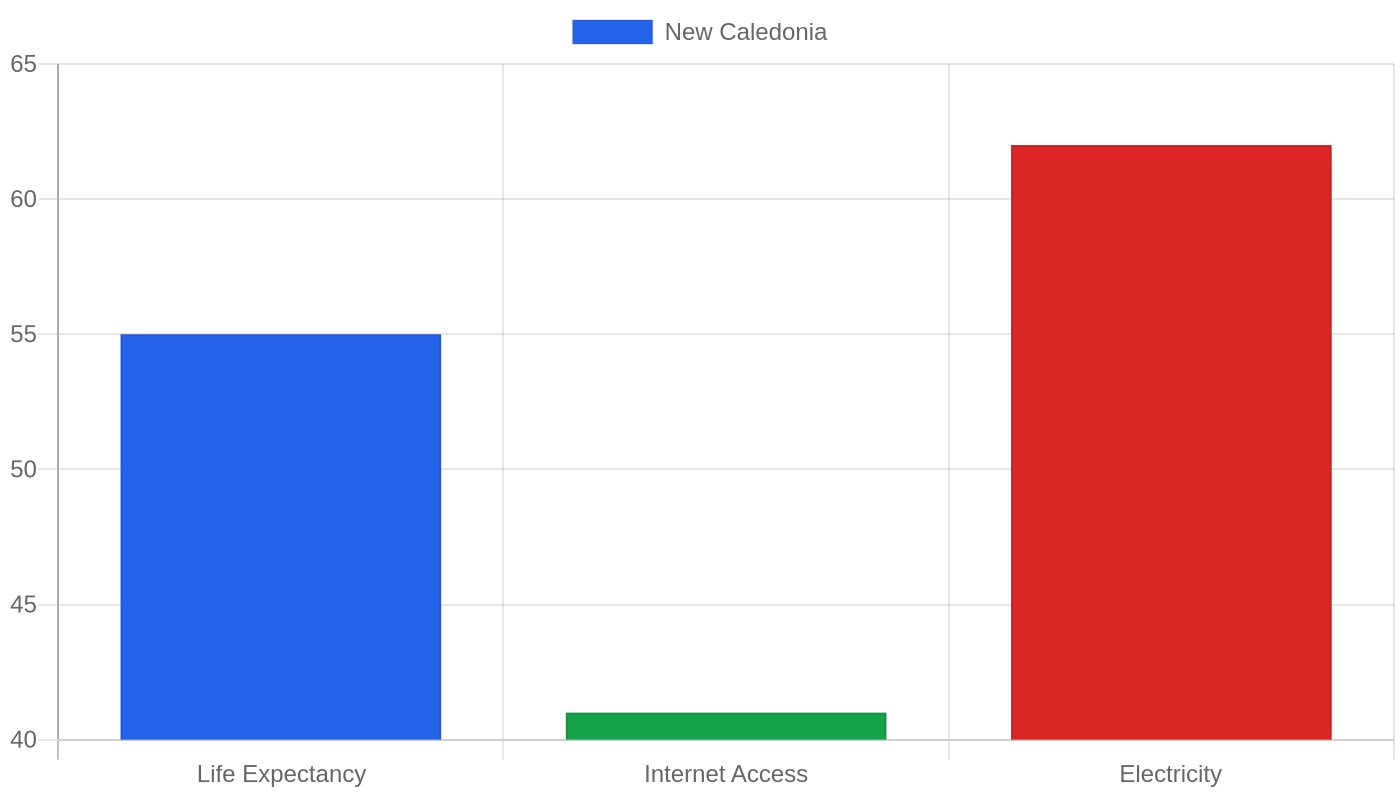
– The economic landscape is defined by its relationship with France, though specific World Bank data on GDP, inflation, and employment remains unavailable for this period.
– The territory stands at a critical juncture, navigating its political future while managing the expectations of its citizens and the strategic interests of France.
The Economic Paradox of a Territory in Transition
The economic story of New Caledonia is intrinsically linked to its unusual political status. As a territory *sui generis* — a legal classification that acknowledges its unique position between full integration and independence — the country’s economic metrics tell a story of dependence, resilience, and uncertainty.
The World Bank’s most recent data shows no recorded figures for GDP growth, inflation, unemployment, or GDP per capita, which in itself speaks to the challenges of tracking an economy in political flux.
What we do know is that New Caledonia’s economic framework is built upon the gradual transfer of powers from France, a process that has shaped its industrial base and trade relationships. The territory’s economy has traditionally relied heavily on its mineral wealth, particularly nickel, though the data provided does not detail current production levels or export figures.
The absence of hard numbers from the World Bank should not be interpreted as economic stagnation, but rather as a reflection of the complexities involved in measuring an economy that exists in a constitutional grey area.
The political arrangement has created an economic environment where French subsidies, transfer payments, and institutional support play a significant role. This dependency has been both a stabilising force and a point of contention, as those advocating for greater autonomy or independence argue that economic self-sufficiency must accompany political sovereignty.
The gradual nature of the power transfer means that New Caledonia has been able to maintain economic stability while transitioning its governance structures, but the ultimate direction of this journey remains uncertain.
For businesses and investors, the lack of comprehensive World Bank data creates a challenging environment for risk assessment. The territory’s economic fundamentals are undoubtedly tied to its political future, and until that future becomes clearer, comprehensive economic analysis will remain incomplete.
Housing and the Cost of Living in the Pacific
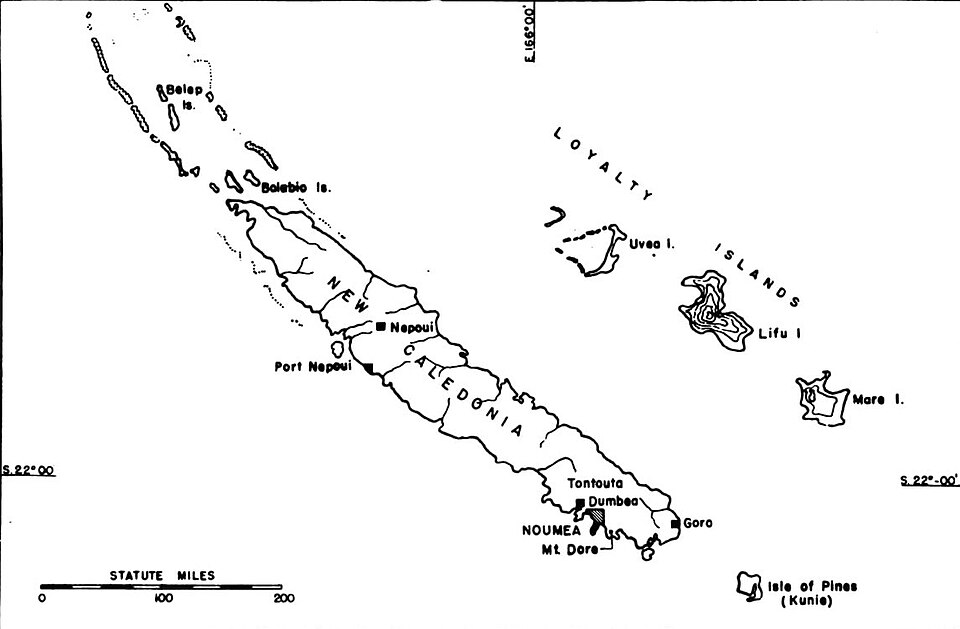
The cost of living in New Caledonia reflects its position as a French territory in the Pacific, where imported goods carry significant premiums. While specific housing data is not available in the current World Bank figures, the economic structure suggests a market shaped by its dual identity — French administrative standards applied to a Pacific island economy.
The rental market in Nouméa, the capital, and its surrounding areas typically reflects French building standards and regulations, which drive construction costs higher than many Pacific neighbours. For residents, this creates a housing market where quality is generally high but affordability remains a persistent concern, particularly for younger families and those working in lower-wage sectors.
The broader cost of living picture is influenced by the territory’s import dependency for many consumer goods. Unlike larger economies with diverse domestic production bases, New Caledonia must ship in a significant portion of its consumer products, adding transportation costs that inevitably pass through to retail prices. This dynamic affects everything from food prices to household appliances, making daily expenses in Nouméa noticeably different from those in other Pacific capitals.
The Investment Landscape and Business Climate
The business environment in New Caledonia is defined by its political arrangements and its strategic position in the Pacific. The gradual transfer of powers from France has created a regulatory framework that blends French administrative traditions with local adaptations, offering investors a familiar European-style business environment within a Pacific context.
The territory’s economic future hinges on several key sectors, with the nickel industry historically serving as the backbone of its export economy. The processing of this mineral resource has attracted significant investment over the years, though the sector faces ongoing challenges related to global commodity prices and production costs. Beyond mining, the territory’s potential lies in its strategic location, its French institutional connections, and its educated workforce.
For international investors, the primary considerations centre on political stability and the uncertain trajectory of the independence question. The presence of the French High Commissioner and the continued integration with French institutions provides a measure of stability, but the possibility of political change creates a layer of uncertainty that requires careful navigation.
The territorial government has sought to encourage diversification, though progress has been gradual given the structural advantages of the existing economic model.
Safety, Politics, and Quality of Life
New Caledonia offers a quality of life that reflects its Pacific location and French cultural influences. The territory enjoys the institutional stability of French governance — the rule of law, established administrative systems, and access to French public services — while maintaining a distinct Pacific identity that shapes daily life and social interactions.
The political landscape is characterised by the careful balancing act between those who seek greater autonomy or full independence and those who wish to maintain the relationship with France. The 54-member Territorial Congress, drawn from three provincial assemblies, serves as the legislative body managing this delicate equilibrium. The French State’s representation through a High Commissioner ensures that metropolitan France maintains a visible presence in the territory’s affairs.
This political framework has created a society where civic engagement is active and the future direction of the territory is a matter of ongoing public debate. The ability of residents to participate in both French national elections and European Parliament elections gives them a dual political identity that is rare among Pacific territories.
This arrangement has fostered a politically engaged population, though it also means that local political debates often intersect with broader French national politics in ways that can be both enriching and complicating.
Navigating the Present: The Road Ahead
The current moment in New Caledonia is defined by the ongoing implementation of the power transfer process and the constitutional arrangements that govern the territory’s relationship with France. The *sui generis* status represents a carefully negotiated compromise — a recognition that New Caledonia is neither fully integrated into France nor an independent state, but rather occupies a unique space that allows for gradual evolution.
The political calendar remains a critical factor in the territory’s near-term trajectory. As the provisions for self-determination continue to be discussed and implemented, the decisions made in the coming period will shape not only the political future but also the economic and social development of the territory. The French State’s continued involvement provides a safety net, but it also raises questions about the long-term sustainability of the current arrangement.
For observers of the region, the New Caledonia situation serves as a test case for how developed nations manage relationships with strategically important territories. The balance between local autonomy and metropolitan oversight, between economic support and political freedom, is being worked out in real time. The outcome of this process will have implications beyond the territory itself, offering lessons for similar arrangements elsewhere in the Pacific and around the world.
The Bottom Line
New Caledonia is a territory that deserves close attention from anyone interested in the future of the Pacific region and the evolution of post-colonial relationships. Its unique constitutional status, its economic potential, and its strategic location make it a significant player in regional affairs, despite its small population and geographic size.
The coming years will be decisive in determining whether the gradual transfer of powers leads to a stable, prosperous future or opens new questions about identity, sovereignty, and economic viability. For investors, policymakers, and regional observers, understanding the nuances of the New Caledonian situation is essential to comprehending the broader dynamics of the contemporary Pacific.
Sources & Methodology
This article is authored by Economic Pulse Net for informational and research purposes. Economic Pulse Net sources its data from multilateral institutions, national statistics bureaus, and proprietary databases. All data is believed to be current as of the date of publication.
Published: August 07, 2026 | Category: Research — New Caledonia
Use these signals in your own platform
Economic Pulse publishes its live signal feed through a documented, read-only API. Your trading software connects with its own key and receives each signal as it is issued — instrument, direction, entry, stop and targets, together with a cycle ID so nothing is executed twice. The feed is independent of this website and cannot change it.
Signals are informational only and are not financial advice.