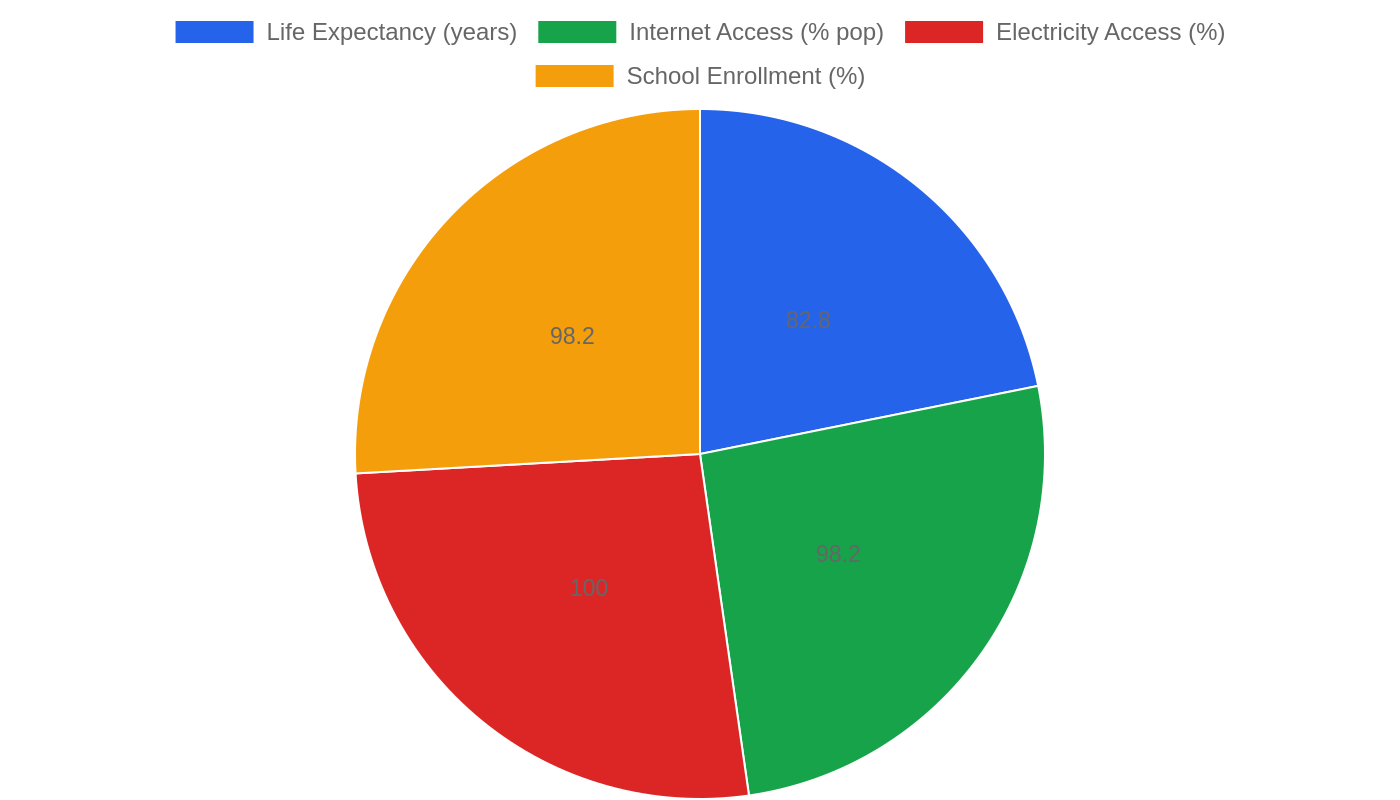
Economic Pulse Net | Sources: World Bank World Development Indicators, Government Sources | 2026
Key Takeaways
– The Isle of Man operates a distinct economic model built on financial services, with a political system where independents dominate — a structure that fosters stability but limits the influence of party politics.
– As a Crown Dependency, the island is not part of the United Kingdom, yet its political landscape is deeply shaped by British traditions — minus the party machinery.
– The economy is driven by a handful of sectors: online gambling, insurance, and aircraft registration, which have made the island a global hub for specialist financial activity.
– With no meaningful crime data available, the island’s reputation for safety rests on its small population and close-knit communities, though hard numbers are elusive.
– The political culture is distinctly non-partisan, with most Manx politicians running as independents — a feature that sets the island apart from nearly every other Western democracy.
A Self-Made Economy: Beyond the Headlines
The Isle of Man does not publish GDP figures through the World Bank, and inflation and unemployment data are similarly absent from the global dataset. But that absence is not a sign of economic weakness — it is a reflection of the island’s unique status. As a Crown Dependency, the Isle of Man is not a sovereign state, and its economic data is often captured within the broader UK framework, if at all.
This makes the island something of a statistical ghost in international databases, yet its economy is very real, very active, and very specialised.
What we know from the World Bank’s data is limited: no GDP growth figure, no inflation rate, no unemployment number. But the island’s main industries tell a compelling story. The Isle of Man has carved out a niche in the global economy that is far larger than its physical size would suggest. It is a major centre for online gambling, a hub for captive insurance, and a leader in aircraft registration.
These are not industries that require vast natural resources or a large labour force; they require trust, regulatory clarity, and a stable legal environment. On those fronts, the Isle of Man has built a reputation that punches well above its weight.
The absence of official economic data from the World Bank should not be read as a lack of economic activity. Rather, it reflects the island’s position as a jurisdiction that operates on the margins of global statistical systems. For investors and analysts, this means relying on more granular, sector-specific information. For the people who live and work there, it means an economy that is less exposed to the volatility of global markets than many of its neighbours.
The island’s reliance on financial services and online gaming makes it vulnerable to regulatory shifts, but it also makes it remarkably resilient to the kind of manufacturing downturns that have hit other regions.
The Price of Island Living: Cost of Living and Housing
Living on an island has its costs, and the Isle of Man is no exception. With no official cost-of-living data available through the World Bank, we must look to regional comparisons and general knowledge of the island’s market. The Isle of Man is generally considered to be more expensive than the UK average, particularly when it comes to housing.
The island’s limited land supply and its desirability as a place to live — with low crime, scenic beauty, and a strong sense of community — have driven property prices upward.
Renting is the preferred option for many younger residents and newcomers, but rental prices have been climbing in recent years. Buying a home on the island is a significant financial commitment, and the gap between local wages and property prices has become a topic of concern. The island’s population is small, but demand for housing from financial services professionals and remote workers has kept the market tight.
For those considering a move, the trade-off is clear: you pay a premium for the lifestyle, but you gain a quality of life that is hard to find elsewhere. Unlike larger economies where urban centres offer cheaper options on the periphery, the Isle of Man’s small size means that the entire island is, in effect, a single housing market.
A Business Hub in Miniature: Investment and the Corporate Landscape
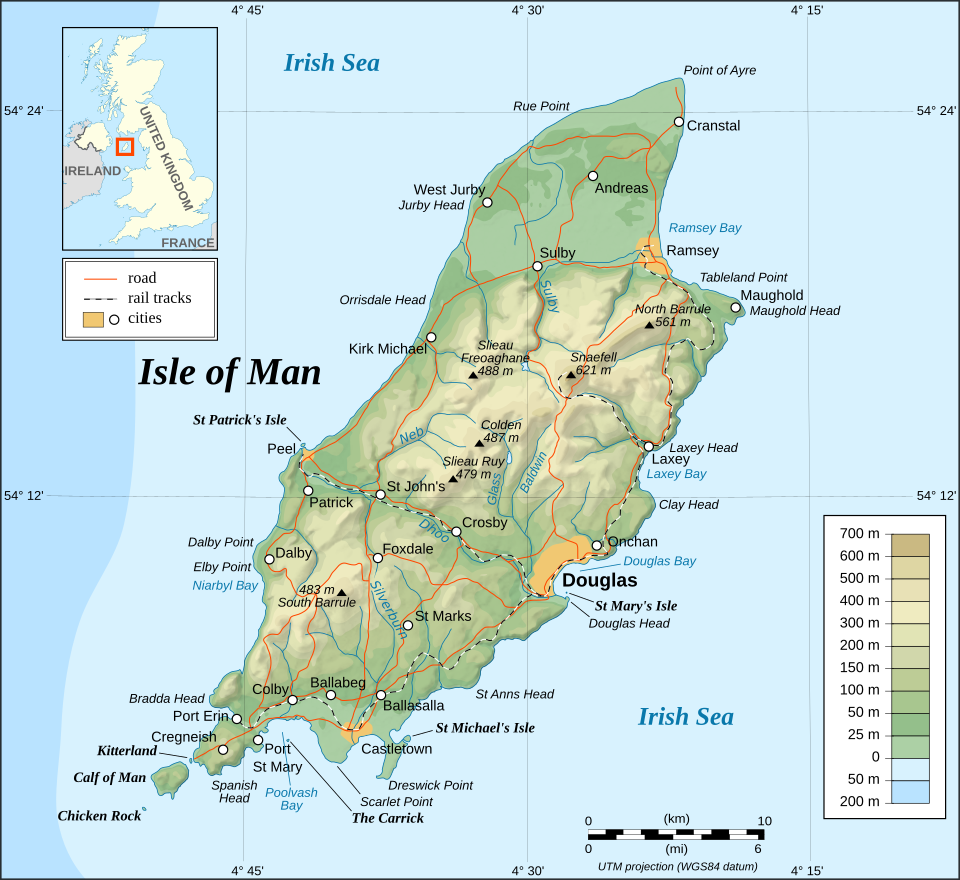
The Isle of Man’s top companies are not household names, but they are significant players in their fields. The island is home to a thriving financial services sector, with banks, trust companies, and fund administrators operating from Douglas, the capital. The online gambling industry is a major employer and a significant contributor to the island’s treasury.
Aircraft registration is another key business: the Isle of Man Aircraft Registry is one of the most respected in the world, attracting corporate jets and commercial aircraft from across the globe.
For investors, the island offers a stable, low-tax environment. There is no capital gains tax, no stamp duty, and a standard corporate tax rate of zero for most businesses, with a 10% rate for banking and land-based retail. This has made the Isle of Man a magnet for holding companies and intellectual property registrations. The business climate is supported by a legal system based on English common law, which provides familiarity for international investors.
The island’s regulatory framework is robust, and its financial services regulator is well-regarded internationally. For a small jurisdiction, the Isle of Man has managed to build a business environment that is both welcoming and well-governed.
Politics Without Parties: The Island’s Unique Governance
The political landscape of the Isle of Man is one of its most distinctive features. Most Manx politicians stand for election as independents, rather than as representatives of political parties. While political parties do exist on the island, their influence is not as strong as in the United Kingdom. This creates a legislature — the House of Keys — where members are judged on their individual merits and local connections rather than party loyalty.
It is a system that can be more fragmented, but it also allows for a more direct connection between constituents and their representatives.
This non-partisan approach has its advantages. It tends to produce consensus-based decision-making, as there is no government and opposition in the traditional sense. It also means that policy is often more pragmatic and less ideological. However, it can also make the political process slower, as coalition-building is required on an issue-by-issue basis. For residents, the system can feel more accessible — your MHK (Member of the House of Keys) is a neighbour, not a party functionary.
For observers, it is a fascinating example of how democracy can function without the machinery of party politics.
What’s Happening Now: The Island in a Changing World
The Isle of Man is at a crossroads. The global economy is shifting, and the island’s traditional strengths — financial services and online gambling — are facing new pressures. Regulatory changes in the UK and Europe are forcing the island to adapt. The online gambling sector, in particular, is facing increased scrutiny and competition from other jurisdictions. At the same time, the island is looking to diversify, with growing interest in fintech, space technology, and professional services.
The island’s political class, dominated by independents, is navigating these changes without the cover of a party platform. This makes for a more fluid and responsive political environment, but it also means that major reforms can be slower to materialise. The housing shortage and cost-of-living pressures are high on the agenda, as is the need to attract younger workers to sustain the economy.
The Isle of Man is also positioning itself as a leader in the transition to a low-carbon economy, with investments in renewable energy and sustainable finance. The island’s future will be shaped by its ability to balance its historic strengths with the demands of a rapidly changing global economy.
The Bottom Line
The Isle of Man is a jurisdiction that rewards those who look beyond the headline numbers. With no official GDP, inflation, or unemployment data, it operates outside the conventional metrics of economic analysis. Yet its niche industries, stable governance, and distinctive political culture make it a compelling case study in resilience and adaptability. For investors seeking a stable, low-tax environment, and for observers interested in alternative models of governance, the Isle of Man is a story worth watching.
It is a small place with a big role in the global economy — and its best days may still be ahead.
Sources & Methodology
This article is authored by Economic Pulse Net for informational and research purposes. Economic Pulse Net sources its data from multilateral institutions, national statistics bureaus, and proprietary databases. All data is believed to be current as of the date of publication.
Published: August 06, 2026 | Category: Research — Isle Of Man
Use these signals in your own platform
Economic Pulse publishes its live signal feed through a documented, read-only API. Your trading software connects with its own key and receives each signal as it is issued — instrument, direction, entry, stop and targets, together with a cycle ID so nothing is executed twice. The feed is independent of this website and cannot change it.
Signals are informational only and are not financial advice.