Economic Pulse Net | Sources: World Bank World Development Indicators, Government Sources | 2026
Key Takeaways
– French Polynesia’s economy remains heavily dependent on tourism, pearl farming, and fishing, yet comprehensive macroeconomic data from the World Bank is notably absent, making precise economic assessment challenging.
– The country’s largest companies are dominated by essential services—electricity (Électricité de Tahiti), telecommunications (ONATi), and brewing (Brasserie de Tahiti)—reflecting a concentrated, state-influenced economic structure.
– Air transport is a critical sector, with three major airlines—Air Tahiti Nui, Air Tahiti, and Air Moana—serving as both economic drivers and indicators of tourism health.
– Despite being a French overseas collectivity, political and governance data is unavailable, leaving a significant gap in understanding the policy environment shaping business and investment decisions.
The Invisible Economy — Navigating Growth Without Numbers
French Polynesia presents a unique challenge for any economic journalist: a nation where the World Bank provides no GDP growth figures, no inflation data, no unemployment statistics, and no GDP per capita numbers. This absence of data is itself a story.
For a territory that attracts over 200,000 visitors annually to its iconic overwater bungalows and turquoise lagoons, the lack of formal economic metrics from the World Bank suggests either reporting gaps or the complexities of being a non-sovereign territory under French administration.
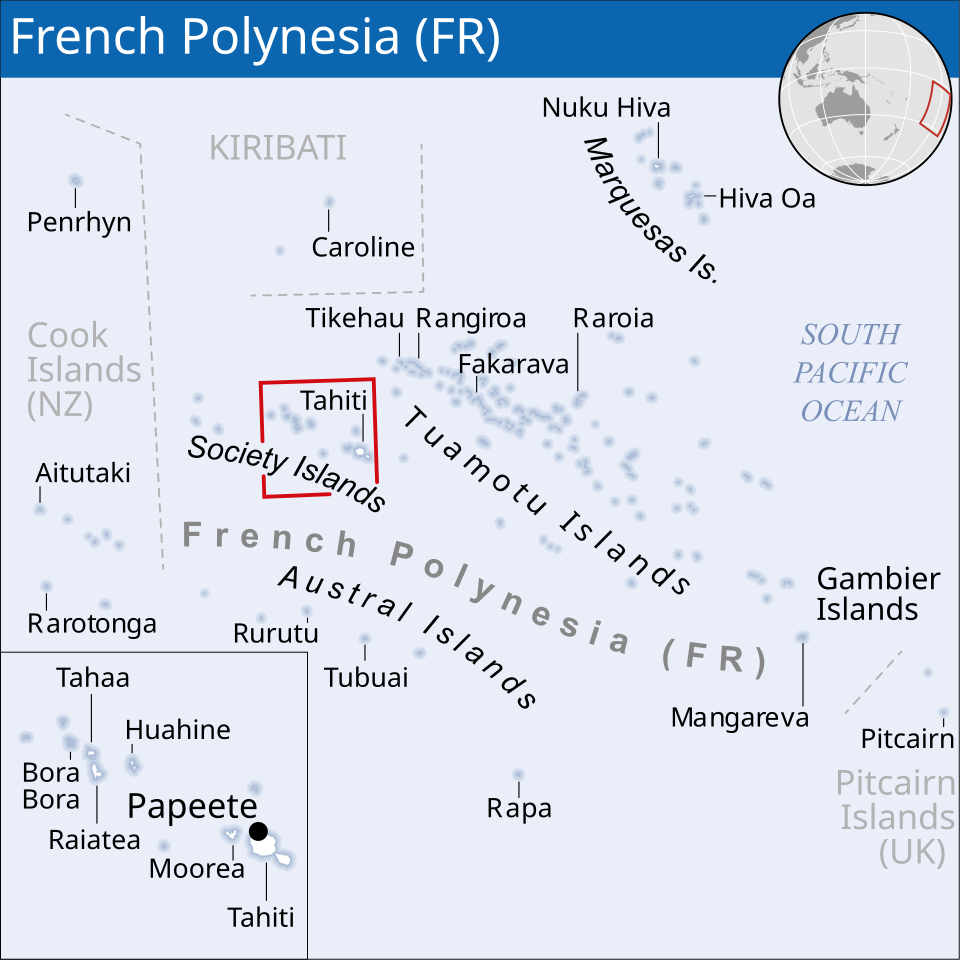
What we do know, however, is that the economy is built on a narrow but resilient foundation. Tourism is the undisputed engine, driving demand for the country’s three major airlines—Air Tahiti Nui, Air Tahiti, and Air Moana. These carriers are not merely transport providers; they are economic barometers. When tourist arrivals dip, so does airline revenue, hotel occupancy, and pearl sales.
The pearl farming industry, centered in the Tuamotu archipelago, represents a luxury export market that is highly sensitive to global economic conditions. When international buyers tighten spending, Tahitian black pearls lose their luster.
The industrial landscape is dominated by utilities and consumer staples. Électricité de Tahiti, with a reported index of 22.4, and ONATi, the telecommunications giant at 19.3, are the top two companies by this metric. Brasserie de Tahiti, at 14.5, rounds out the top three. This concentration suggests an economy where essential services—power, communications, and basic consumer goods—are the backbone, while more dynamic sectors like technology or manufacturing remain underdeveloped.
Without inflation or employment data, it is impossible to say whether the cost of living is rising or whether jobs are being created, but the reliance on imported goods and fuel suggests vulnerability to global price shocks.
Living the Dream, Paying the Price — The Cost of Paradise
Housing and daily expenses in French Polynesia are notoriously high, driven by geographic isolation and import dependence. While specific cost-of-living data is not provided, regional comparisons with other Pacific island nations offer context. French Polynesia is widely considered one of the most expensive places to live in the Pacific, with basic goods like milk, bread, and fuel costing significantly more than in New Zealand or Australia.
Rent in Papeete, the capital, can rival mid-range European cities, while purchasing property is often out of reach for local residents without family land.
The rental market is bifurcated: expatriates and wealthy tourists drive demand for high-end villas and apartments, while locals often live in extended family compounds or more modest housing in peri-urban areas. The lack of mortgage data and housing price indices from the World Bank means we cannot quantify the rent-versus-buy decision, but anecdotal evidence suggests that homeownership is a distant dream for many young Tahitians.
Daily expenses, from fresh fish at the market to imported cheese at the supermarket, reflect the territory’s dual identity as both a tropical paradise and a high-cost outpost of the French economy.
Airlines, Beer, and Power — Where Investment Flows
For investors eyeing French Polynesia, the landscape is defined by a handful of dominant players. Électricité de Tahiti, classified under utilities, and ONATi, under telecommunications, represent the infrastructure backbone. These are not high-growth, high-risk ventures; they are stable, regulated monopolies or near-monopolies that offer steady returns but limited upside.
Brasserie de Tahiti, the brewer, benefits from local brand loyalty and the high cost of importing competing beers, making it a defensive play in a small market.
The most dynamic sector is aviation. Air Tahiti Nui, Air Tahiti, and Air Moana are all listed under consumer services, reflecting their direct connection to tourism. Air Tahiti Nui, with an index of 12.4, is the largest of the three and serves long-haul routes to Paris, Los Angeles, and Tokyo. Air Moana, a newer entrant, focuses on domestic and regional routes. For any investor, the health of these airlines is the single best proxy for the broader economy.
If they are expanding routes and buying new aircraft, tourism is booming. If they are cutting services, the economy is contracting.
The business climate is shaped by French regulatory frameworks, which provide legal stability but also bureaucratic complexity. Corporate taxes, labor laws, and social charges are aligned with metropolitan France, which can be a deterrent for smaller investors. There is no data on foreign direct investment flows, but the dominance of local firms like ONATi and Électricité de Tahiti suggests that strategic sectors remain tightly controlled.
Safe Shores, Unknown Politics — Life in the Lagoon
French Polynesia is generally considered a safe destination, with low rates of violent crime against tourists. However, the Crime Index and Safety Index from the data source are listed as N/A, meaning we cannot provide comparative statistical analysis. What is known is that petty theft and property crime exist, particularly in urban areas like Papeete, but the territory does not have the reputation for serious safety concerns that plagues some other Pacific nations.
The political landscape is a complete blank in the provided data. French Polynesia is an overseas collectivity of France, meaning it has its own government and assembly but relies on Paris for defense, foreign affairs, and monetary policy (using the CFP franc, pegged to the euro). Without data on political stability, election cycles, or independence movements, it is impossible to assess governance risk.
Historically, there have been pro-independence factions, but they have not gained sufficient traction to alter the territory’s status. For investors and residents, the political vacuum in the data is a reminder that French Polynesia remains, in many ways, a place where local dynamics are poorly documented in global databases.
Quality of life is high for those who can afford it. The natural environment is world-class, the climate is tropical, and the culture is rich. But the lack of happiness indices or well-being surveys means we cannot quantify what residents feel. The data gap is itself a comment on the territory’s marginalization in global economic reporting.
Turbulence Ahead — The Airline Shuffle and Tourism’s New Normal
Right now, the most telling story in French Polynesia is playing out in the skies. With three airlines—Air Tahiti Nui, Air Tahiti, and Air Moana—competing for a relatively small passenger base, the market is ripe for consolidation or price wars. Air Tahiti Nui, the flagship carrier, faces pressure from rising fuel costs and global economic uncertainty. Air Moana, the upstart, is challenging the status quo with lower fares and more flexible routes, potentially squeezing margins across the sector.
The tourism industry, still recovering from the pandemic, is now grappling with inflation in source markets like Europe and North America. French tourists, the largest group of visitors, are facing higher living costs at home, which may reduce discretionary spending on long-haul travel. Meanwhile, the pearl industry continues to struggle with oversupply and changing consumer tastes. Without official inflation or GDP data, these trends are visible only through company performance and anecdotal reports.
The next 12 to 18 months will determine whether French Polynesia can diversify its economy or remain tethered to the whims of international travelers and luxury buyers.
The Bottom Line
French Polynesia is a country where the data tells a story of absence—missing GDP, missing inflation, missing political context. For journalists, investors, and policymakers, this is a red flag. The territory’s reliance on tourism, pearls, and a handful of dominant companies makes it vulnerable to external shocks, yet the lack of transparency makes it difficult to assess risk. Watch this country if you are in the luxury travel or aquaculture sectors, but demand better data before committing capital.
Paradise, it seems, is not always well-documented.
Sources & Methodology
This article is authored by Economic Pulse Net for informational and research purposes. Economic Pulse Net sources its data from multilateral institutions, national statistics bureaus, and proprietary databases. All data is believed to be current as of the date of publication.
Published: July 18, 2026 | Category: Research — French Polynesia
Use these signals in your own platform
Economic Pulse publishes its live signal feed through a documented, read-only API. Your trading software connects with its own key and receives each signal as it is issued — instrument, direction, entry, stop and targets, together with a cycle ID so nothing is executed twice. The feed is independent of this website and cannot change it.
Signals are informational only and are not financial advice.