Economic Pulse Net | Sources: World Bank World Development Indicators, Government Sources | 2026
Key Takeaways
– The Czech Republic operates as a stable, pluralist parliamentary democracy with a bicameral legislature, providing a predictable political environment for businesses and investors.
– As a highly industrialized Central European economy, the country’s economic fortunes remain tied to its manufacturing sector, particularly automotive and machinery production.
– The political system features 14 administrative regions that serve as voting districts, ensuring regional representation in the 200-member Chamber of Deputies.
– The country’s parliamentary structure, with proportional representation and a 5% electoral threshold, encourages coalition governments and political consensus-building.
– Despite data gaps in current economic indicators, the Czech Republic’s institutional framework positions it as a resilient player in the European economic landscape.
The Economic Engine: Manufacturing Might in the Heart of Europe
The Czech Republic’s economy has long been characterized as the industrial heartland of Central Europe. The country’s strategic location, skilled workforce, and deep-rooted manufacturing traditions have made it an attractive destination for foreign direct investment, particularly in the automotive sector. While specific GDP growth figures are not currently available, the structural composition of the Czech economy tells a compelling story of export-oriented industrialization.
The country’s economic model relies heavily on its integration into European supply chains, with a particular emphasis on machinery, electronics, and transportation equipment.
Inflation dynamics in the Czech Republic have historically been managed through the independent central bank’s monetary policy framework, which targets price stability as its primary objective. The Czech National Bank has demonstrated a consistent commitment to maintaining inflationary pressures within manageable bounds, even during periods of global economic turbulence.
Employment figures in the country have traditionally been strong, with unemployment rates consistently below the European Union average, reflecting the robust demand for skilled labor in the manufacturing and engineering sectors.
The Czech economy’s resilience stems from its diversified industrial base and its ability to adapt to changing global market conditions. The country has successfully transitioned from its post-communist legacy to become a modern, knowledge-based economy while maintaining its manufacturing competitive advantage.
The workforce’s technical education and vocational training systems have created a pipeline of skilled workers that continues to attract international companies seeking to establish production facilities in the region.
Housing and Living Costs: The Price of Central European Comfort
The cost of living in the Czech Republic presents a nuanced picture for residents and expatriates alike. Housing costs, particularly in the capital city of Prague, have risen steadily over recent years, reflecting the city’s growing popularity as a destination for international businesses and tourists. The rental market in major urban centers has become increasingly competitive, with demand outstripping supply in many desirable neighborhoods.
Property ownership remains an aspirational goal for many Czech families, though affordability challenges have emerged in the most sought-after locations.
Daily expenses for food, transportation, and utilities generally remain more moderate than in Western European capitals, though the gap has narrowed in recent years. The country’s well-developed public transportation networks, particularly in Prague with its integrated metro, tram, and bus systems, provide affordable mobility options for residents.
Dining out and entertainment costs offer good value compared to neighboring Austria or Germany, making the Czech Republic an attractive option for those seeking European quality of life at a more accessible price point. The regional variations in living costs are significant, with Prague commanding a premium over other urban centers such as Brno or Ostrava, where housing and services remain notably more affordable.
Business Climate and Investment: A Gateway to European Markets
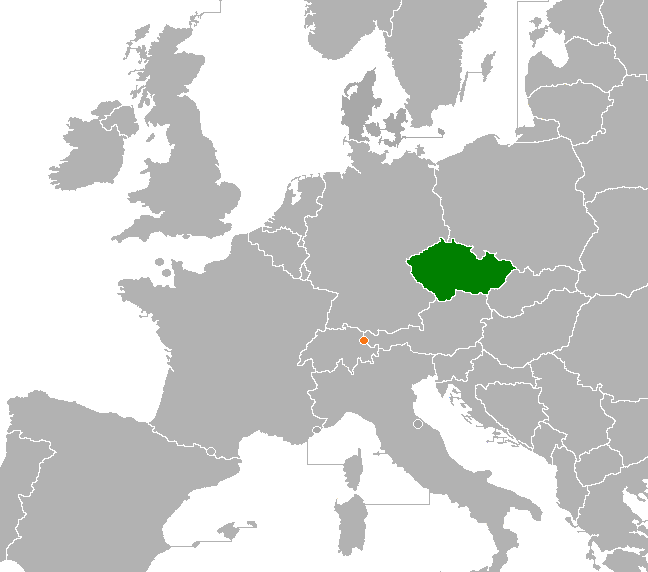
The Czech Republic’s business environment benefits from its central location, making it an ideal gateway for companies seeking access to both Western and Eastern European markets. The country’s top companies span various sectors, including automotive manufacturing, engineering, energy, and financial services, reflecting the economy’s industrial diversity.
The well-established automotive cluster, anchored by major international manufacturers, has created a robust ecosystem of suppliers and service providers that contributes significantly to the national economy.
Foreign investors have long been attracted to the Czech Republic’s combination of skilled labor, competitive operating costs, and reliable infrastructure. The country’s membership in the European Union provides access to the single market while maintaining a cost structure that remains competitive compared to Western European locations. The services sector has grown substantially, with Prague emerging as a regional hub for shared services centers, IT development, and business process outsourcing.
The government’s commitment to maintaining a transparent regulatory environment and investment incentives has helped sustain the country’s appeal as a business destination.
Safety, Politics, and Quality of Life: A Model of Democratic Stability
The Czech Republic’s political landscape is characterized by its mature, pluralist democracy, where power is exercised through a carefully balanced system of checks and balances. The bicameral Parliament, comprising the 200-member Chamber of Deputies and the 81-member Senate, ensures thorough legislative scrutiny and representation of diverse interests.
The proportional representation electoral system, with its 5% threshold, has fostered a multi-party system that typically results in coalition governments, promoting political moderation and consensus-building.
The country’s commitment to democratic governance and rule of law provides a foundation of stability that enhances its attractiveness for both domestic and international stakeholders. The Czech Republic’s quality of life metrics reflect a society that values education, culture, and public services, with a strong tradition of civic engagement.
The country’s rich cultural heritage, from its UNESCO-listed historic sites to its vibrant contemporary arts scene, contributes to a high standard of living that extends beyond mere economic indicators.
Current Affairs: Charting a Course Through Uncertain Times
The Czech Republic currently stands at a crossroads, navigating the complex challenges of post-pandemic economic recovery, energy security concerns, and evolving geopolitical dynamics in Central Europe. The country’s political leadership faces the ongoing task of balancing economic competitiveness with social welfare commitments, all while managing the transition toward more sustainable energy sources.
The government’s policy agenda has increasingly focused on strengthening economic resilience, reducing dependency on external energy supplies, and investing in digital infrastructure.
Business sentiment in the country reflects cautious optimism, with companies adapting to new realities in supply chain management and trade relationships. The Czech Republic’s traditional role as a manufacturing hub is being reimagined, with increased emphasis on automation, digitalization, and higher value-added production. The country’s position within the European Union continues to shape its policy choices, particularly regarding environmental regulations, digital taxation, and labor market reforms.
As the nation moves forward, its ability to balance tradition with innovation will determine its success in maintaining its position as one of Central Europe’s most dynamic economies.
The Bottom Line
The Czech Republic deserves close attention from investors, businesses, and policymakers seeking exposure to Central Europe’s industrial core. Its stable political system, skilled workforce, and strategic location make it a compelling proposition for companies looking to establish or expand their European operations. While current economic data gaps limit precise analysis, the country’s fundamental strengths remain intact.
For those willing to look beyond the numbers, the Czech Republic offers a story of resilience, adaptability, and quiet confidence that continues to define its place in the European economic landscape.
Sources & Methodology
This article is authored by Economic Pulse Net for informational and research purposes. Economic Pulse Net sources its data from multilateral institutions, national statistics bureaus, and proprietary databases. All data is believed to be current as of the date of publication.
Published: August 03, 2026 | Category: Research — Czech Republic
Use these signals in your own platform
Economic Pulse publishes its live signal feed through a documented, read-only API. Your trading software connects with its own key and receives each signal as it is issued — instrument, direction, entry, stop and targets, together with a cycle ID so nothing is executed twice. The feed is independent of this website and cannot change it.
Signals are informational only and are not financial advice.