Economic Pulse Net | Sources: World Bank World Development Indicators, Government Sources | 2026
Key Takeaways
– The British Virgin Islands operates as a parliamentary democracy under the constitutional authority of King Charles III, with the Governor appointed by the British government overseeing defence and foreign affairs.
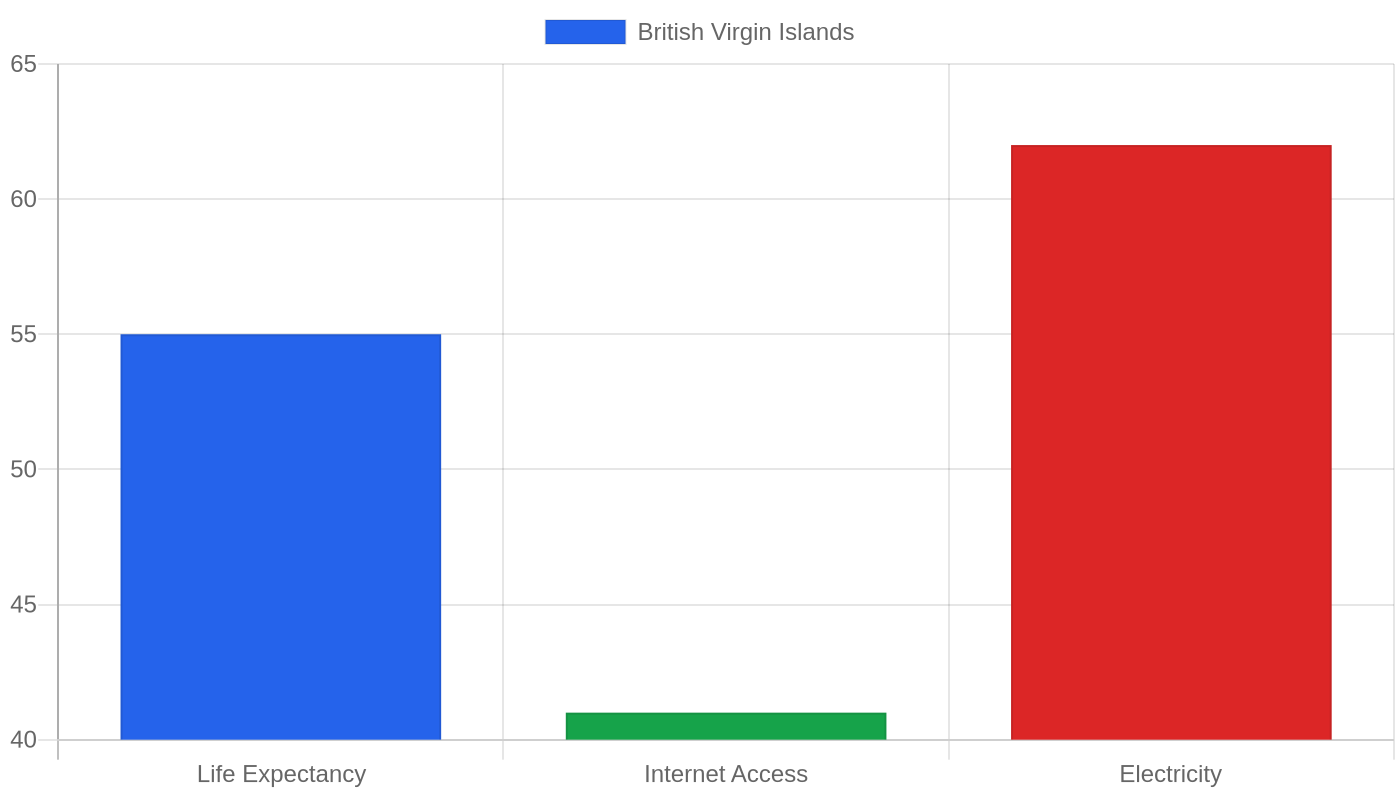
– Despite being one of the world’s most significant offshore financial centres, the territory has no publicly available World Bank data on GDP growth, inflation, unemployment, or GDP per capita.
– The territory’s economic narrative is defined not by traditional metrics but by its role as a global hub for international business companies and corporate registrations.
– Ultimate executive authority rests with the Crown, exercised through a Governor appointed by London, creating a unique political dynamic between local democracy and colonial oversight.
– The absence of basic economic indicators raises fundamental questions about transparency in a jurisdiction that manages trillions of dollars in global assets.
The Invisible Economy — When Zero Data Speaks Volumes
Here is the uncomfortable truth about the British Virgin Islands: the World Bank holds no data on its GDP growth, its inflation rate, its unemployment figures, or its GDP per capita. Not a single number. This is not a data gap caused by bureaucratic delay. It is a structural feature of an economy that exists, in many ways, in the shadows of global finance.
The territory’s main industries are not listed in the available data. But any economist will tell you that the BVI economy is built on one thing: the registration of international business companies. At its peak, the BVI incorporated more companies than people. The territory has no manufacturing base to speak of, no significant agricultural exports, and a tourism sector that, while present, is dwarfed by the financial services industry that gives the islands their global relevance.
The lack of inflation data is particularly telling. In most small island economies, imported inflation is a constant threat. Food, fuel, construction materials — virtually everything must be shipped in. But without CPI figures, we cannot say whether BVI residents are feeling the same price pressures as their Caribbean neighbours. The silence of the data suggests either a lack of statistical capacity or a deliberate opacity that serves the jurisdiction’s offshore model.
What we do know is that the BVI’s economy is not measured in traditional terms because it was never designed to be. The GDP figures that do not exist are not an oversight. They are a feature of a system where economic activity is deliberately obscured from prying eyes — including those of international statisticians.
The Price of Paradise — Living in a Data Vacuum
Housing costs in the British Virgin Islands are widely understood to be among the highest in the Caribbean, though no official cost-of-living index is available in the provided data. The territory’s limited land mass, combined with its status as a desirable destination for wealthy expatriates and financial services professionals, creates a property market that is anything but affordable for the average resident.
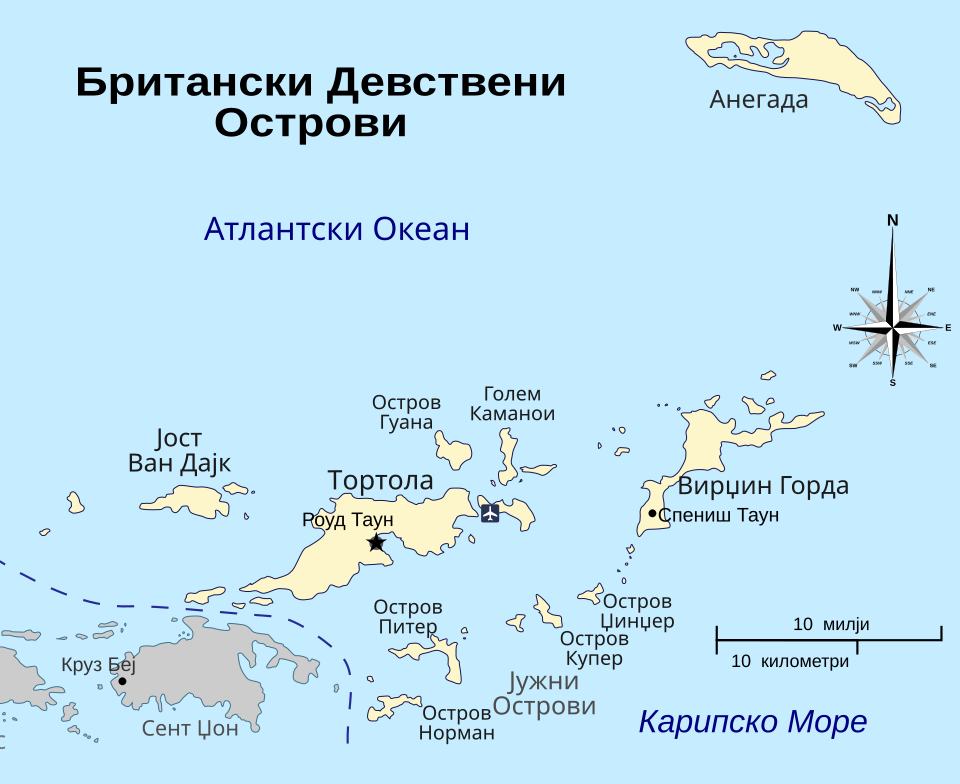
Renting in Road Town, the capital on Tortola, can consume a significant portion of local incomes. The divide between those who work in the financial sector and those who serve the tourism industry is stark. Without official data, anecdotal evidence suggests that many BVI residents face a housing squeeze that mirrors the broader inequality of the territory’s economic model.
Daily expenses for basics such as food, utilities, and transportation are inflated by the territory’s reliance on imports. A gallon of milk, a loaf of bread, a litre of petrol — these cost more in the BVI than in most Caribbean nations. The absence of inflation data means we cannot track how these costs are changing, but the structural realities of island life suggest they are only moving in one direction.
The Business of Secrecy — Investment in a Jurisdiction of Shadows
The British Virgin Islands is not a place where you look for a list of top companies. The territory’s business environment is built around the incorporation of entities that operate elsewhere. The BVI Financial Services Commission oversees a registry that has, at various points, held more active companies than the entire population of the islands.
For investors, the BVI offers a legal framework based on English common law, zero corporate taxes on foreign earnings, and a level of privacy that has made it the jurisdiction of choice for global capital. The territory’s business climate is not about attracting factories or tech startups. It is about providing a legal structure for holding assets, managing wealth, and structuring cross-border transactions.
The sectors to watch are not traditional industries but the regulatory environment itself. The BVI is under constant pressure from the European Union, the OECD, and the United Kingdom to increase transparency. Every new beneficial ownership register or tax information exchange agreement represents a potential shift in the territory’s competitive advantage. The business of the BVI is the business of being a BVI company — and that business is increasingly under threat from global tax reform.
Democracy Under the Crown — Politics in a Non-Sovereign State
The political landscape of the British Virgin Islands is a study in constitutional complexity. The territory operates as a parliamentary democracy, with locally elected representatives managing domestic affairs. But ultimate executive authority is vested in King Charles III, exercised on his behalf by the Governor of the British Virgin Islands, who is appointed by the British government in London.
This means that defence and most foreign affairs remain the responsibility of the United Kingdom. The BVI government cannot sign its own trade deals, cannot join international organisations independently, and cannot control its own borders in matters of security. The Governor retains reserve powers that can, in theory, override the locally elected government.
This arrangement creates a peculiar political dynamic. Local politicians campaign on platforms of autonomy and development, but they operate within constraints set by a distant colonial power. Recent years have seen tensions between the elected government and the Governor’s office, particularly around financial regulation and the territory’s response to international pressure on transparency.
The quality of life in the BVI is thus shaped not just by local policy but by decisions made in Whitehall and Brussels.
The Gathering Storm — Current Affairs in a Jurisdiction Under Pressure
Right now, the British Virgin Islands is navigating one of the most challenging periods in its modern history. The territory is under sustained pressure from international bodies demanding greater financial transparency. The EU has placed the BVI on various watchlists. The OECD’s global tax deal threatens to erode the advantages that have made the jurisdiction so attractive to international capital.
Domestically, the BVI is still recovering from the devastation of Hurricane Irma in 2017, which destroyed much of the territory’s infrastructure. Reconstruction has been slow, and the pandemic delivered another blow to the tourism sector. The economy, already opaque, has become even harder to read.
Perhaps most significantly, the British government has signalled its willingness to impose direct rule if local authorities do not address concerns about governance and financial crime. A Commission of Inquiry into the territory’s political leadership has cast a long shadow. The BVI’s ability to maintain its status as a premier offshore centre depends on its ability to satisfy London’s demands for reform while preserving the privacy that makes it attractive to clients.
The Bottom Line
The British Virgin Islands is a country that exists in the gap between what is measured and what is real. For investors and businesses seeking a stable common law jurisdiction with zero taxation on offshore income, it remains a compelling choice. But the absence of basic economic data should give any serious observer pause. This is a territory where the economy is designed to be invisible — and that invisibility carries risks that no balance sheet can capture.
Watch the BVI not for its GDP, but for the regulatory winds that will determine whether its model survives the decade.
Sources & Methodology
This article is authored by Economic Pulse Net for informational and research purposes. Economic Pulse Net sources its data from multilateral institutions, national statistics bureaus, and proprietary databases. All data is believed to be current as of the date of publication.
Published: July 17, 2026 | Category: Research — British Virgin Islands
Use these signals in your own platform
Economic Pulse publishes its live signal feed through a documented, read-only API. Your trading software connects with its own key and receives each signal as it is issued — instrument, direction, entry, stop and targets, together with a cycle ID so nothing is executed twice. The feed is independent of this website and cannot change it.
Signals are informational only and are not financial advice.