Economic Pulse Net | Sources: World Bank World Development Indicators, Government Sources | 2026
Key Takeaways
– New Caledonia operates as a *sui generis* territory, a unique constitutional arrangement where France has gradually transferred certain powers while retaining control over key areas like defence and security.
– The territory’s 54-member Territorial Congress, composed of members from three provincial assemblies, represents one of the most complex governance structures in the Pacific region.
– French citizenship and European Parliament voting rights create a distinctive dual identity that shapes both political discourse and economic policy.
– With the independence referendums now concluded, the territory faces a critical period of renegotiating its relationship with Paris.
– The business and investment climate remains tethered to French institutional frameworks, making political stability the single most important variable for economic observers.
The Economic Picture: A Nickel-Dependent Economy in Transition
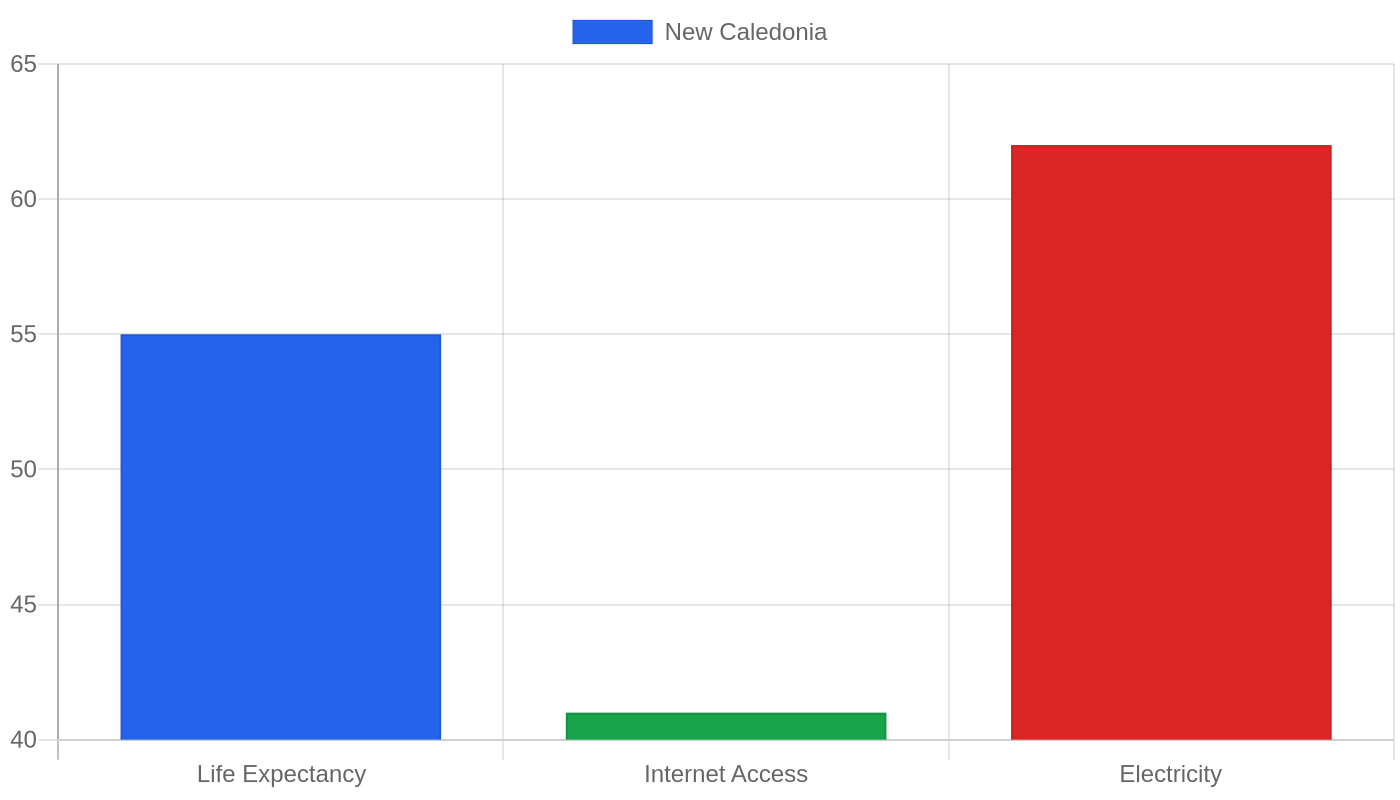
The World Bank’s latest data for New Caledonia presents a notable challenge for economic analysts: GDP growth figures remain unpublished, inflation data is unavailable, and unemployment statistics have not been released. This data vacuum itself tells a story — it reflects a territory in transition, where statistical systems are adapting to political change and where economic metrics have taken a backseat to constitutional negotiations.
What we do know is that New Caledonia’s economy has historically been anchored by its mineral wealth. The territory sits atop approximately 25 percent of the world’s known nickel reserves, making it a strategically significant player in the global battery and stainless steel supply chains.
The nickel industry has traditionally accounted for the lion’s share of export revenues, though the sector has faced persistent challenges from global price volatility and high production costs compared to competitors in Indonesia and the Philippines.
The economic structure reflects the territory’s unique political status. As a *sui generis* territory, New Caledonia benefits from substantial French budgetary transfers, which underpin public services and infrastructure investment. This financial relationship creates a peculiar economic dynamic: the territory enjoys First World public services funded by French taxpayers, while its private sector remains relatively underdeveloped outside the mining and construction industries.
The labour market situation requires careful interpretation. While official unemployment figures are unavailable, observers have long noted that the territory struggles with high youth unemployment and significant skills mismatches. The public sector absorbs a disproportionate share of employment, and there is a persistent gap between the formal economy in Nouméa and the more informal economic activities in the outer islands and tribal communities.
Housing and Living Costs: The Nouméa Premium
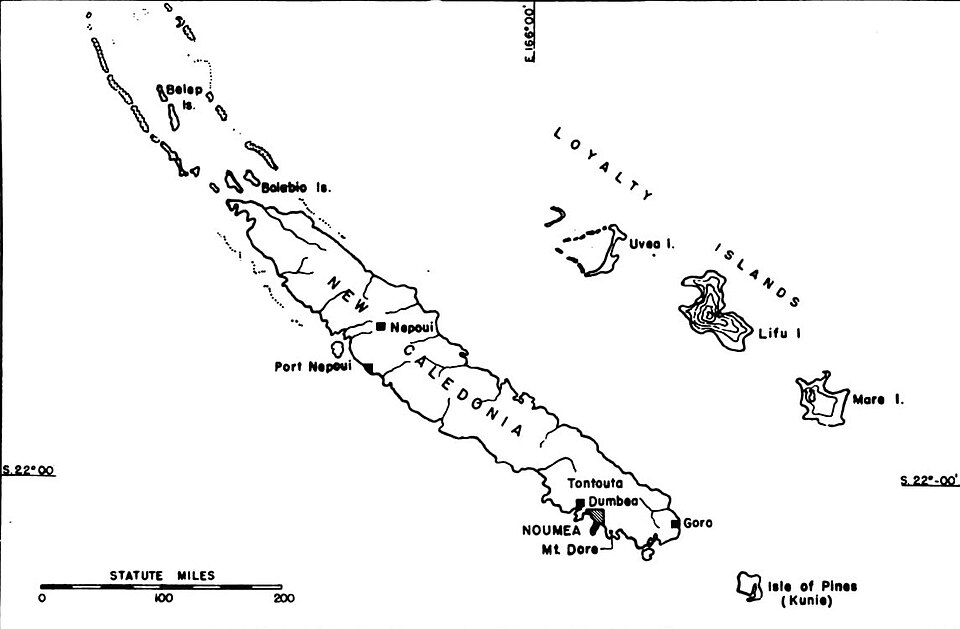
Cost of living data for New Caledonia remains unpublished, but the territory’s reputation as one of the most expensive places to live in the Pacific is well established among regional economists. Nouméa, the capital, consistently ranks among the priciest cities in the region, with imported goods carrying substantial markups due to shipping costs and the territory’s geographic isolation.
The housing market in Nouméa presents particular challenges. Property prices in desirable neighbourhoods along the coast have historically been steep, driven by limited land availability and strong demand from both local professionals and French expatriates. The rental market follows a similar pattern, with apartments in central locations commanding premium rents that strain household budgets, particularly for younger workers and families entering the market.
The cost of food and daily necessities adds another layer of financial pressure. With limited agricultural self-sufficiency, the territory relies heavily on imports from metropolitan France, Australia, and New Zealand. This import dependency creates a structural vulnerability: when global shipping costs rise or supply chains face disruption, prices in New Caledonian supermarkets respond quickly, often outpacing wage growth.
Investment and Business Climate: Opportunities Amid Uncertainty
The business environment in New Caledonia is defined by its institutional close ties to France. This relationship provides a stable legal framework and access to European standards, but it also imposes significant regulatory burdens that can deter smaller investors. The territorial government has made repeated efforts to diversify the economy beyond nickel, promoting sectors such as tourism, aquaculture, and renewable energy, though progress has been slower than advocates would like.
The nickel industry remains the centrepiece of the investment landscape, with the territory’s mining companies operating in a complex environment of global commodity cycles, environmental regulations, and local political considerations. The sector’s future is intertwined with the global energy transition — nickel is essential for electric vehicle batteries — but realising this potential requires sustained capital investment and improvements in production efficiency.
For outside investors, the political uncertainty surrounding the territory’s constitutional future remains the primary concern. The series of independence referendums has created an atmosphere of cautious watchfulness, with many businesses adopting a wait-and-see approach until the parameters of the territory’s relationship with France are more clearly defined.
Safety, Politics, and Quality of Life: A Community in Deliberation
The political landscape of New Caledonia is genuinely unique. As a *sui generis* territory, it occupies a constitutional category of its own — not quite a full overseas department like Martinique or Réunion, but more integrated than a simple overseas collectivity. This arrangement reflects the Nouméa Accord’s careful balancing of different communities’ aspirations.
The governance structure is notably complex. The 54-member Territorial Congress draws its membership from three provincial assemblies, each representing different geographic and demographic realities. The French State maintains representation through a High Commissioner, and New Caledonian citizens participate fully in French national elections, including presidential votes and European Parliament elections.
Quality of life in New Caledonia is generally considered high by Pacific standards. The territory combines French public services — healthcare, education, infrastructure — with a South Pacific lifestyle characterised by outdoor activities, strong community ties, and natural beauty. The Kanak cultural renaissance of recent decades has added a vibrant cultural dimension to public life, with traditional practices increasingly recognised and celebrated alongside European influences.
Current Affairs: The Post-Referendum Reckoning
New Caledonia stands at a pivotal moment. The independence referendums mandated by the Nouméa Accord have now been held, with voters choosing to remain part of France, but the political work is far from complete. The territory and Paris are now engaged in the delicate process of renegotiating their relationship, determining what the post-referendum institutional framework will look like and how powers will be shared or transferred.
This period of constitutional negotiation carries profound economic implications. Business confidence remains sensitive to political signals, and investment decisions are being deferred pending greater clarity about the territory’s future status. The nickel industry, in particular, requires long-term policy certainty, and the ongoing political discussions have created an environment where major strategic decisions are being postponed.
The French government has signalled its commitment to maintaining a strong relationship with the territory, though the exact contours of that relationship remain under discussion. For the people of New Caledonia, this moment represents both an ending and a beginning — the conclusion of a process set in motion decades ago and the start of a new chapter whose outcome will shape the territory’s economic and political trajectory for generations to come.
The Bottom Line
New Caledonia deserves close attention from investors, policymakers, and regional observers. The territory’s strategic position in the Pacific, its critical nickel reserves, and its unique constitutional arrangement make it a significant player in regional geopolitics and the global energy transition. The coming years will be decisive: the shape of the post-referendum settlement with France will determine whether New Caledonia can unlock its economic potential or remains constrained by political uncertainty.
For those watching the South Pacific, this is the story to follow.
Sources & Methodology
This article is authored by Economic Pulse Net for informational and research purposes. Economic Pulse Net sources its data from multilateral institutions, national statistics bureaus, and proprietary databases. All data is believed to be current as of the date of publication.
Published: August 29, 2026 | Category: Research — New Caledonia
Use these signals in your own platform
Economic Pulse publishes its live signal feed through a documented, read-only API. Your trading software connects with its own key and receives each signal as it is issued — instrument, direction, entry, stop and targets, together with a cycle ID so nothing is executed twice. The feed is independent of this website and cannot change it.
Signals are informational only and are not financial advice.