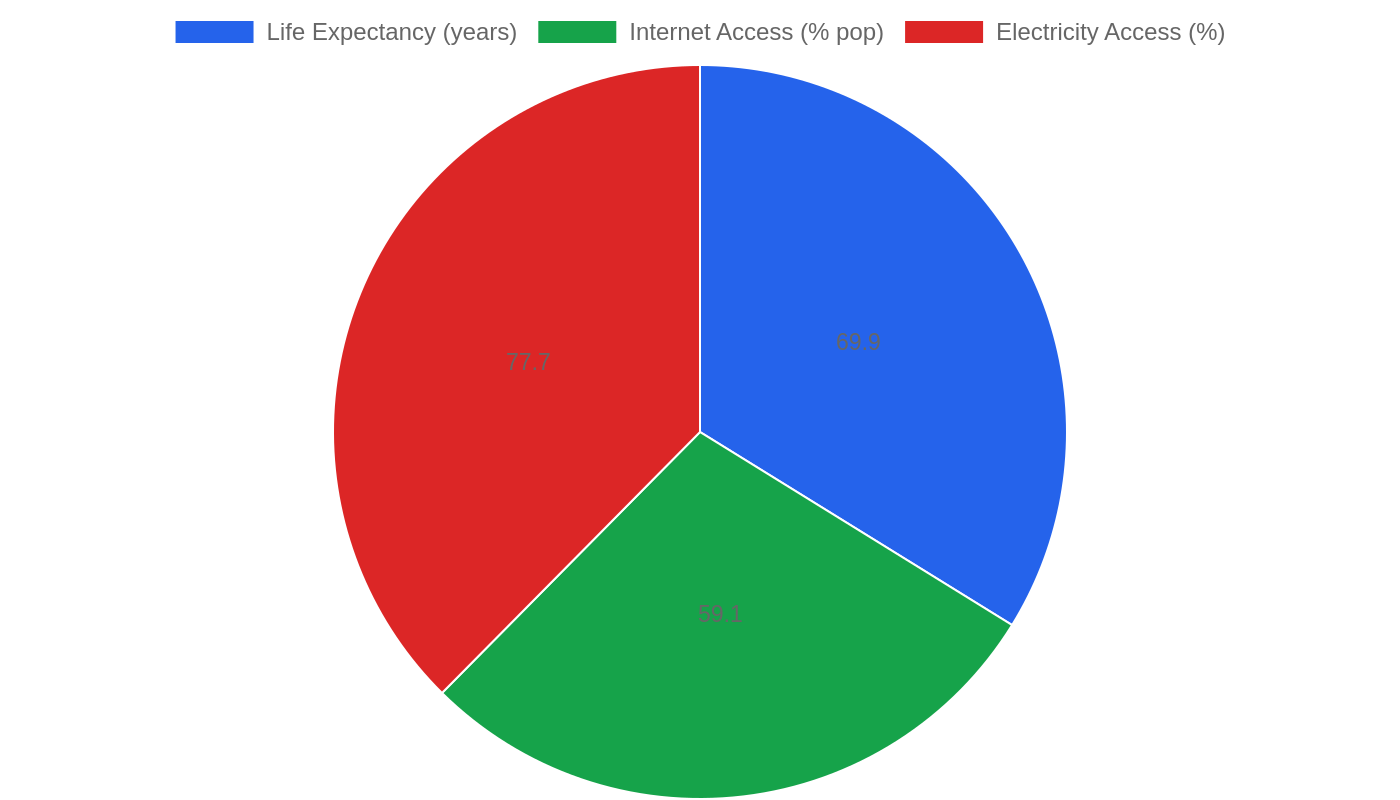
Economic Pulse Net | Sources: World Bank World Development Indicators, Government Sources | 2026
Key Takeaways
– St Martin’s French territory operates as a unique economic microcosm, with its prosperity intrinsically tied to tourism, cross-border trade, and its dual-nation island status.
– The absence of comprehensive World Bank economic data underscores the challenges of tracking GDP, inflation, and employment in a territory that functions as both a French overseas collectivity and a Caribbean trading post.
– The island’s economy is defined by its bifurcated nature—the French side offers European-style governance and social protections, while the Dutch side (Sint Maarten) provides a contrasting regulatory environment, creating a dynamic economic ecosystem.
– Cost of living pressures and infrastructure resilience remain the defining issues for residents, particularly in the wake of repeated hurricane seasons that have tested the territory’s economic foundations.
– For investors and policymakers, St Martin represents a fascinating case study in how small island territories navigate global economic headwinds with limited data infrastructure.
The Economic Paradox of a Dual-Nation Island
The French side of St Martin presents one of the Caribbean’s most intriguing economic puzzles—a territory where official statistical visibility remains remarkably limited, yet economic activity hums with visible energy. The World Bank’s data framework lists GDP growth, inflation, unemployment, GDP per capita, and even population figures as “N/A” for this overseas collectivity.
This statistical silence speaks volumes about the challenges of measuring economic output in a territory that functions as an integrated economic zone with its Dutch neighbour while maintaining distinct French administrative structures.
What we know from the qualitative reality of the island is that St Martin’s French side operates as a services-driven economy, with tourism as the undisputed engine of local prosperity. The island’s dual-nationality status creates a fascinating economic dynamic: residents can move freely between French and Dutch jurisdictions, businesses can arbitrage between two regulatory systems, and consumers can benefit from competitive pricing across the border.
This arrangement has historically made the island a hub for duty-free shopping, with visitors drawn to the unique shopping experience that spans both territories.
The economic model is fundamentally different from larger Caribbean nations. Rather than relying on commodity exports or large-scale manufacturing, St Martin’s French side depends on the spending power of tourists, the resilience of small and medium enterprises, and the stability of French social protections that underpin the local workforce.
The absence of robust economic data, however, means that policymakers must often rely on anecdotal evidence, tourism arrival figures from regional bodies, and the broader economic indicators of metropolitan France to gauge the territory’s financial health.
The World Bank’s lack of comprehensive data for St Martin reflects a broader challenge facing many small island territories that fall outside standard economic measurement frameworks. This statistical gap makes it difficult to attract formal foreign investment, secure development financing, or benchmark the territory against regional peers. Yet the island continues to function, its economy sustained by the informal resilience of its business community and the structural support of French governance.
The High Price of Paradise: Living on a Small Island
For those who call the French side of St Martin home, the cost of living represents one of the most pressing daily challenges. While the World Bank data does not provide specific housing costs or expense indices for the territory, the broader realities of Caribbean island economics are well-documented across the region. Small island territories typically face elevated prices for imported goods, limited housing supply relative to demand, and energy costs that significantly exceed mainland averages.
Housing on the French side of St Martin reflects the classic island paradox: desirable waterfront properties command premium prices that rival metropolitan French cities, while the limited land area constrains new development. The rental market serves both a transient population of tourism workers and longer-term residents who often find themselves priced out of ownership.
Unlike larger territories where suburban expansion can alleviate housing pressure, St Martin’s geography means that every square metre of developable land carries inherent scarcity value.
The dual-nationality aspect of the island creates an interesting consumer dynamic. Residents frequently cross to the Dutch side for certain goods and services, while French-side businesses benefit from visitors coming in the opposite direction. This cross-border commerce helps moderate some costs but also creates inflationary pressures during peak tourist seasons when demand spikes.
For locals, the daily reality involves navigating these price fluctuations and making strategic purchasing decisions across both sides of the island.
The cost of living situation is further complicated by the territory’s vulnerability to external shocks. Hurricane season regularly disrupts supply chains, damages infrastructure, and forces price spikes for essential goods. The French government’s social support systems provide a safety net that distinguishes the French side from its Dutch counterpart, but the underlying cost pressures remain a persistent concern for families and businesses alike.
Business and Investment: Navigating a Unique Commercial Landscape
The investment climate on the French side of St Martin is shaped by its unusual position as a French overseas collectivity in the Caribbean. While the World Bank does not provide specific data on the territory’s top companies or business environment, the island’s economic character is clearly defined by its tourism infrastructure—hotels, restaurants, retail establishments, and service providers that cater to an international visitor base.
The French administrative framework offers businesses a degree of stability and legal certainty that is not always available elsewhere in the Caribbean. Investors benefit from French commercial law, access to European Union funding mechanisms, and the broader protections of French citizenship for their workforce.
However, these advantages come with corresponding obligations—French labour regulations, tax requirements, and administrative procedures that can be more demanding than those of competing Caribbean jurisdictions.
The island’s business community is predominantly composed of small and medium enterprises, many of them family-owned and operated across generations. This creates a commercial landscape that values personal relationships and local reputation over corporate scale. The dual-nationality nature of the island means that businesses must be adaptable, serving customers from multiple jurisdictions and navigating the regulatory requirements of both French and Dutch systems.
For external investors, the French side of St Martin offers a gateway to both the Caribbean market and the broader French-speaking world. The territory’s established tourism infrastructure provides a foundation for hospitality investments, while its unique shopping culture continues to attract retail development. The challenge remains the limited availability of development land and the need to balance economic growth with environmental preservation in a territory of significant natural beauty.
Security, Governance, and the Quality of Island Life
The safety and political landscape of the French side of St Martin reflects its status as an overseas collectivity of France, with the World Bank listing crime and safety indices as unavailable for the territory. This statistical gap mirrors the broader data limitations but does not diminish the importance of these factors for residents and visitors alike.
The French government maintains a security presence on the island, and the territory benefits from the broader legal and institutional framework of the French Republic.
Life on the French side of St Martin offers a distinctive quality of life that combines Caribbean informality with French cultural influences. The island’s population enjoys French citizenship, access to French healthcare and education systems, and the social protections that come with European governance. This creates a quality of life that is often cited as more stable and secure than that of neighbouring territories, though it comes with the higher cost of living discussed earlier.
The political framework of the territory operates through a local council and executive council, with representation in the French National Assembly. This arrangement provides the island with a degree of autonomy while maintaining its integration into the French Republic. The political discourse typically focuses on local development priorities—infrastructure investment, hurricane preparedness, tourism promotion, and the delicate balance of maintaining the island’s character while pursuing economic growth.
The quality of life on the island is also shaped by its environmental context. The natural beauty of St Martin—its beaches, hills, and tropical landscape—represents a significant asset that attracts both tourists and residents. However, this environment is increasingly fragile, facing pressures from development, climate change, and the ever-present threat of hurricane damage.
The community’s ability to preserve its environmental assets while building economic resilience remains a central challenge for the territory’s future.
The Road Ahead: Rebuilding and Reinventing After the Storms
The current moment for the French side of St Martin is defined by the ongoing work of recovery and reinvention. The territory has faced successive hurricane seasons that have tested its infrastructure, housing stock, and economic resilience. While the World Bank data does not provide specific recent economic indicators, the qualitative reality on the ground is one of reconstruction and adaptation.
The French government has committed significant resources to rebuilding the island’s infrastructure and supporting its economic recovery. These investments represent not merely a restoration of what was lost but an opportunity to modernise and improve the territory’s resilience against future climate events. The rebuilding process has necessarily touched every sector of the local economy, from tourism facilities to housing, transportation networks to utility systems.
The island’s tourism industry is at the heart of this recovery effort, with a focus on attracting visitors back to the French side’s distinctive offerings—gourmet dining, duty-free shopping, and a blend of French and Caribbean culture. There is a sense that the territory is not simply returning to its pre-storm condition but rather reimagining its tourism product for a more competitive and environmentally conscious era.
The business community on the French side continues to adapt to changing conditions, with entrepreneurs finding new opportunities in the rebuilding process and the evolving needs of both residents and visitors. The dual-nationality nature of the island remains a competitive advantage, allowing businesses to leverage the strengths of both the French and Dutch systems.
As the territory looks to the future, its success will depend on maintaining this adaptability while building the institutional and physical infrastructure needed for sustainable growth.
The Bottom Line
The French side of St Martin represents a unique case study in Caribbean economics—a territory that thrives despite limited statistical visibility, sustained by tourism, French institutional support, and the entrepreneurial spirit of its people. For investors, the island offers opportunities in hospitality, retail, and services, tempered by the challenges of limited land and climate vulnerability. For policymakers, it demonstrates the resilience of small territories when backed by robust governance frameworks.
And for observers of the Caribbean economy, it offers a reminder that the region’s most interesting stories are often found in its smallest territories—where the absence of data does not mean the absence of economic dynamism.
Sources & Methodology
This article is authored by Economic Pulse Net for informational and research purposes. Economic Pulse Net sources its data from multilateral institutions, national statistics bureaus, and proprietary databases. All data is believed to be current as of the date of publication.
Published: August 14, 2026 | Category: Research — St Martin French Part)
Use these signals in your own platform
Economic Pulse publishes its live signal feed through a documented, read-only API. Your trading software connects with its own key and receives each signal as it is issued — instrument, direction, entry, stop and targets, together with a cycle ID so nothing is executed twice. The feed is independent of this website and cannot change it.
Signals are informational only and are not financial advice.