Economic Pulse Net | Sources: World Bank World Development Indicators, Government Sources | 2026
Key Takeaways
– The Cayman Islands operates as a British Overseas Territory with a 19-seat elected Parliament, yet remains on the UN Special Committee of 24’s list of non-self-governing territories, placing it in a unique geopolitical limbo.
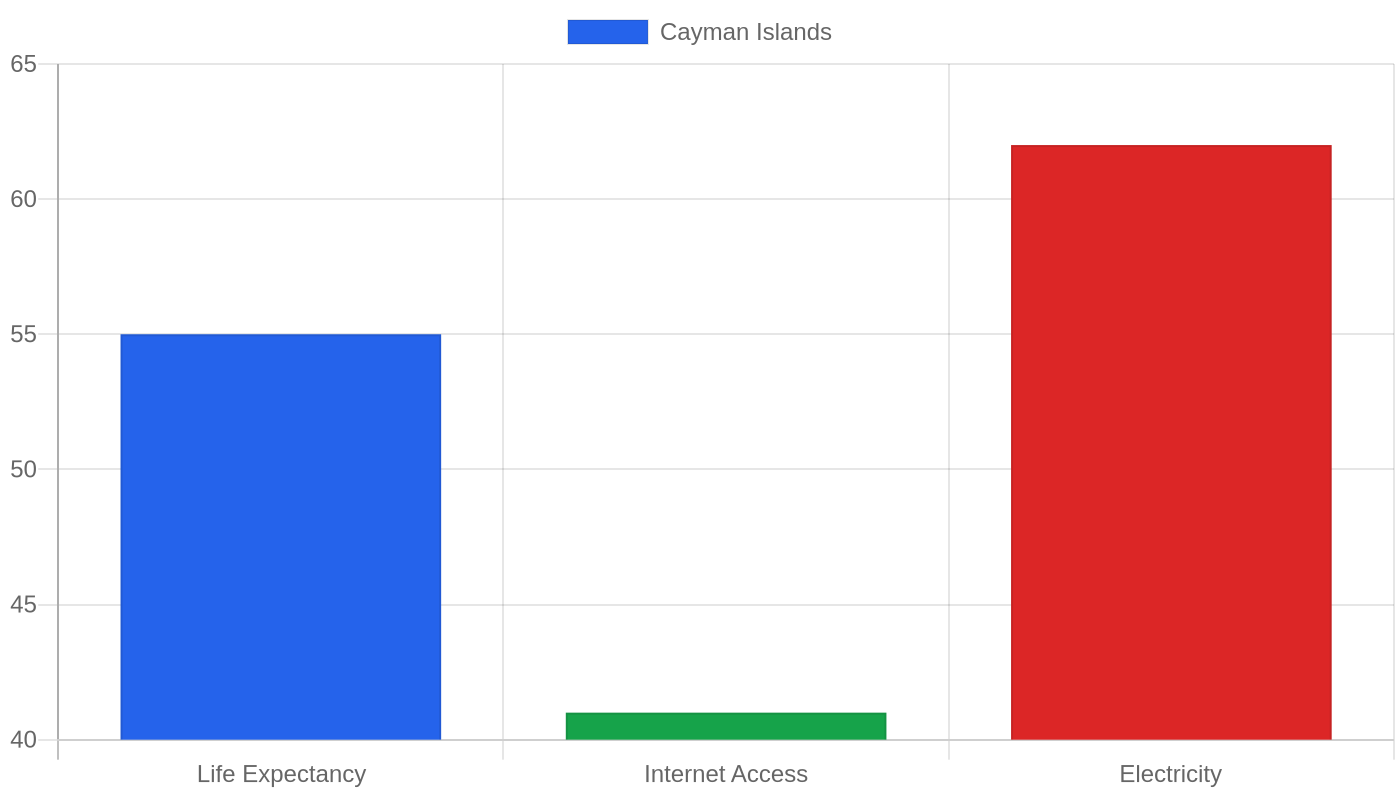
– While comprehensive macroeconomic data from the World Bank remains sparse, the territory’s significance lies not in conventional metrics but in its role as a global financial intermediary.
– The 2009 Constitution, which incorporated a Bill of Rights via UK statutory instrument, represents a landmark shift in the governance structure and legal protections for residents.
– Political stability is anchored in the UK-Cayman relationship, with a Governor appointed by the Crown and locally elected officials managing domestic affairs.
– The islands’ economic narrative is defined by the tension between its offshore financial services dominance and the increasing global scrutiny of tax havens.
The Numbers That Aren’t There — And Why That Tells Its Own Story
The World Bank’s dataset for the Cayman Islands presents a striking void: no GDP growth figures, no inflation metrics, no unemployment statistics, no per-capita income calculations. For most countries, such an absence would signal statistical failure. For the Cayman Islands, it is arguably a feature of its peculiar economic design rather than an oversight.
The territory has long operated as one of the world’s premier offshore financial centers, with an economy structured around banking, hedge funds, insurance, and corporate registration rather than traditional production of goods and services. This structural reality means that conventional economic indicators—those that measure domestic output, consumer price movements, and labor force participation—capture only a sliver of the territory’s actual economic activity.
The wealth that flows through Caymanian accounts, investment vehicles, and corporate structures is global in origin but locally administered.
What the World Bank data does not say speaks volumes about how the Cayman Islands have positioned themselves in the global economy. The absence of GDP per capita figures, for instance, masks the reality that the territory consistently ranks among the wealthiest jurisdictions in the Caribbean region by most alternative measures. The lack of inflation data obscures the fact that consumer prices in this import-dependent territory are inherently volatile, subject to global shipping costs and exchange rate fluctuations.
For the economic journalist, the Cayman Islands demand a different analytical lens. This is not an economy that can be understood through quarterly GDP releases or consumer confidence surveys. It is an economy best understood through the flow of capital, the regulatory environment, and the legal frameworks that make it attractive to global investors.
The World Bank’s silence on conventional metrics is, in itself, a data point—a reminder that the territory’s economic importance far exceeds what traditional statistical instruments can measure.
The Price of Paradise — Living in a Financial Services Hub
While official cost-of-living data is not captured in the World Bank dataset, the Cayman Islands’ reputation as an expensive jurisdiction is well established among regional observers and expatriate communities. The territory imports the vast majority of its consumer goods, foodstuffs, and construction materials, creating a structural dependency that keeps prices elevated compared to mainland Caribbean economies.
Housing in the Cayman Islands presents a particularly acute challenge. The demand for residential property is driven not only by the local population but also by the thousands of financial services professionals who relocate to the territory for employment at banks, law firms, and fund administrators. This expatriate influx creates persistent upward pressure on both rental and purchase prices, particularly in the Seven Mile Beach corridor and George Town areas where most commercial activity is concentrated.
The cost of living in Grand Cayman, the most developed of the three islands, is frequently cited by regional business publications as among the highest in the Caribbean. Utilities, particularly electricity, carry premium rates due to the islands’ reliance on imported fuel for power generation. Groceries, vehicles, and household goods all command import premiums that make everyday living significantly more expensive than in neighboring jurisdictions.
For the local Caymanian population, this cost structure creates a dual economy—one in which financial services professionals earn tax-free salaries that comfortably absorb the high prices, while those employed in tourism, retail, and domestic services face a far more challenging calculus. The absence of income tax, a cornerstone of the Caymanian economic model, benefits all residents equally in theory, but its practical impact varies dramatically by income level and employment sector.
Where the World Parks Its Money — Investment and Business Climate
The Cayman Islands’ business environment is defined by one overriding feature: the absence of direct taxation. There are no income taxes, no corporate taxes, no capital gains taxes, and no withholding taxes. This fiscal framework has made the territory the domicile of choice for thousands of hedge funds, private equity vehicles, and structured finance transactions.
The territory’s main industries are concentrated in financial services, including banking, insurance, fund administration, and corporate services. These sectors have attracted the world’s major financial institutions, which maintain substantial operations in George Town. The legal and regulatory framework, built on English common law principles and refined through the 2009 Constitution’s Bill of Rights, provides the stability and predictability that institutional investors demand.
The Cayman Islands have also developed a sophisticated infrastructure to support their financial services industry. International accounting firms, global law practices, and specialized service providers maintain significant presences on the islands. This ecosystem creates a self-reinforcing dynamic—the presence of these professional services firms makes the jurisdiction more attractive to new business, which in turn justifies the continued presence of the firms.
However, the business climate is not without its challenges. Global pressure for tax transparency, driven by initiatives from the OECD and the G20, has forced the territory to adapt its regulatory framework. The Cayman Islands have implemented economic substance requirements and automatic exchange of information agreements, balancing the need to maintain international compliance with the desire to preserve their competitive position as a low-tax jurisdiction.
Safety, Sovereignty, and the Quality of Life Question
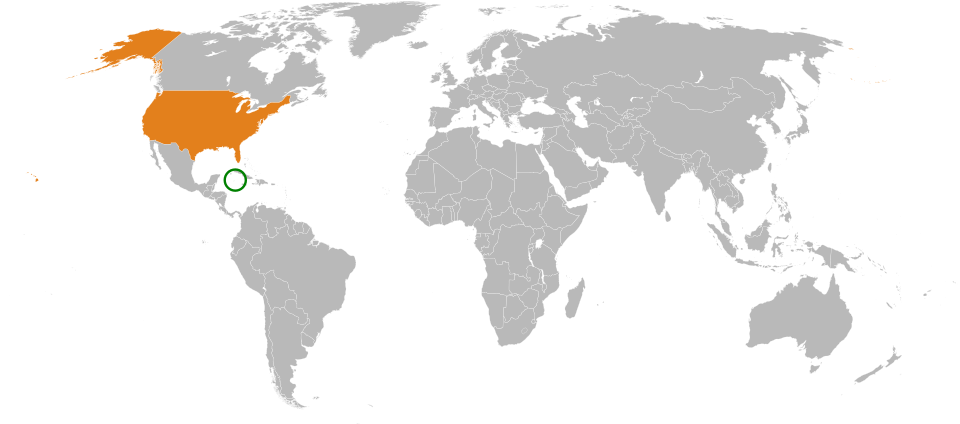
The Cayman Islands’ political landscape is characterized by its unique constitutional arrangement with the United Kingdom. As a British Overseas Territory, the islands enjoy substantial internal self-governance while relying on the UK for defense, foreign affairs, and ultimately, constitutional authority.
The UN Special Committee of 24 continues to list the territory among the world’s 17 non-self-governing territories, a designation that carries symbolic weight in the ongoing global conversation about decolonization.
The current Constitution, ordained by UK statutory instrument in 2009, represents a significant evolution in the territory’s governance. It incorporates a Bill of Rights that protects fundamental freedoms and establishes a framework for the protection of Caymanian heritage and culture. The 19-seat Parliament, elected every four years, handles domestic affairs, while two non-voting members appointed by the Governor bring the total chamber to 21 members.
Crime and safety indices for the territory are not available in the current dataset, but the Cayman Islands have historically maintained a reputation as one of the safer jurisdictions in the Caribbean. The combination of high per-capita income, effective policing, and the social stability that comes from a prosperous economy contributes to this perception.
That said, like any jurisdiction with significant wealth disparities, the territory faces challenges related to inequality and the social tensions that can accompany rapid economic development.
The quality of life in the Cayman Islands is enhanced by the territory’s natural environment, with its famous beaches, coral reefs, and marine ecosystems. The islands offer a standard of living that, for those who can afford it, rivals the most desirable locations in the Caribbean. The political stability provided by the British connection, combined with the economic opportunities of the financial services sector, makes the territory an attractive destination for both professionals and retirees.
The Crossroads — Navigating Global Pressure and Local Aspirations
The Cayman Islands stand at a pivotal moment in their modern history. The global financial system is undergoing its most significant transformation in decades, with digital currencies, enhanced transparency requirements, and shifting international tax norms reshaping the landscape in which offshore financial centers operate.
The territory’s status on the UN Special Committee of 24 list of non-self-governing territories remains a point of ongoing international attention. While the Cayman Islands have not pursued independence, the designation keeps the question of self-determination on the international agenda. The UK government has maintained that it supports the principle of self-determination for its overseas territories, while also emphasizing its commitment to good governance and international standards.
Within the territory, the elected Parliament continues to navigate the balance between economic development and cultural preservation. The 2009 Constitution’s Bill of Rights has been used to address issues ranging from employment rights to environmental protection, establishing a legal framework that evolves with the territory’s needs.
The financial services sector, which remains the engine of the Caymanian economy, faces ongoing regulatory evolution. International pressure for greater transparency continues to shape the territory’s approach to corporate registration, beneficial ownership disclosure, and information exchange with other jurisdictions.
These changes are implemented through the territory’s legislative process, with the elected Parliament working alongside the Governor and UK-appointed officials to ensure compliance with international standards while protecting local interests.
For the people of the Cayman Islands, the future presents both opportunities and challenges. The territory’s success in attracting global capital has brought prosperity, but it has also created pressures on infrastructure, housing, and the natural environment. The ongoing conversation about the territory’s constitutional status, its relationship with the UK, and its role in the global financial system will shape the Cayman Islands for decades to come.
The Bottom Line
The Cayman Islands deserve the attention of anyone tracking the evolution of global finance, offshore regulation, and the changing dynamics of British overseas territories. This is not a conventional economy, and it cannot be understood through conventional metrics. The territory’s significance lies in its role as a critical node in the global financial system, a role that is being redefined by international pressure for transparency and the shifting landscape of cross-border investment.
For investors, policymakers, and observers of the Caribbean region, the Cayman Islands represent a case study in how small territories can leverage legal frameworks and strategic positioning to achieve outsized global influence—and how they must adapt when the rules of the game change.
Sources & Methodology
This article is authored by Economic Pulse Net for informational and research purposes. Economic Pulse Net sources its data from multilateral institutions, national statistics bureaus, and proprietary databases. All data is believed to be current as of the date of publication.
Published: August 22, 2026 | Category: Research — Cayman Islands
Use these signals in your own platform
Economic Pulse publishes its live signal feed through a documented, read-only API. Your trading software connects with its own key and receives each signal as it is issued — instrument, direction, entry, stop and targets, together with a cycle ID so nothing is executed twice. The feed is independent of this website and cannot change it.
Signals are informational only and are not financial advice.