Economic Pulse Net | Sources: World Bank World Development Indicators, Government Sources | 2026
Key Takeaways
– Political independence in practice: The Isle of Man operates with a unique political system where most elected officials run as independents, creating a legislative body that functions differently from the UK’s party-dominated Westminster model.
– Data opacity at the macro level: The World Bank currently reports no headline GDP, inflation, or unemployment figures for the Isle of Man, reflecting its status as a Crown Dependency that manages its own fiscal affairs outside standard international reporting frameworks.
– A self-governing economy: The island maintains its own parliament (Tynwald), tax policies, and regulatory environment, making it an intriguing case study in small-state economic management.
– Business-friendly environment: With no major global economic indicators tracked by international bodies, the island’s economic story is told through its own policy choices and industrial composition rather than comparative international metrics.
– A different political culture: The dominance of independent politicians over party-affiliated candidates suggests a political landscape focused on local issues and individual merit rather than national party platforms.
The Enigma of a Self-Contained Economy
The Isle of Man presents a fascinating challenge to the economic journalist: a prosperous, self-governing nation that exists largely outside the data streams of mainstream international reporting. The World Bank, which tracks economic indicators for nearly every country on Earth, reports no GDP growth figure, no inflation rate, no unemployment statistic, and no GDP per capita for this Crown Dependency.
This absence is not an oversight — it is a reflection of the island’s unique constitutional status and its deliberate choice to manage its economic affairs through its own institutions.
What makes this data gap so intriguing is what it represents. The Isle of Man is not a developing nation struggling to collect statistics; it is a mature, high-income jurisdiction with sophisticated financial infrastructure. Its absence from World Bank datasets speaks to its position outside the typical nation-state framework.
The island has its own parliament — Tynwald, which claims to be the oldest continuous parliament in the world — and it has the authority to set its own taxes, regulate its own industries, and determine its own economic priorities. For readers accustomed to GDP reports and inflation trackers, the Isle of Man offers a reminder that economic health can be measured through alternative lenses: the stability of its institutions, the resilience of its financial sector, and the quality of life it affords its residents.
The practical implication of this data absence is that we must approach the Isle of Man’s economy through the information it does provide: its industrial composition, its political culture, and its regional context. The island’s economy has historically been anchored by financial services, tourism, and more recently, digital innovation and online gambling.
These sectors have provided the foundation for a society that consistently ranks high on quality-of-life measures, even if those rankings are not captured in the World Bank’s standard metrics.
The Price of Island Living — Housing and Daily Costs
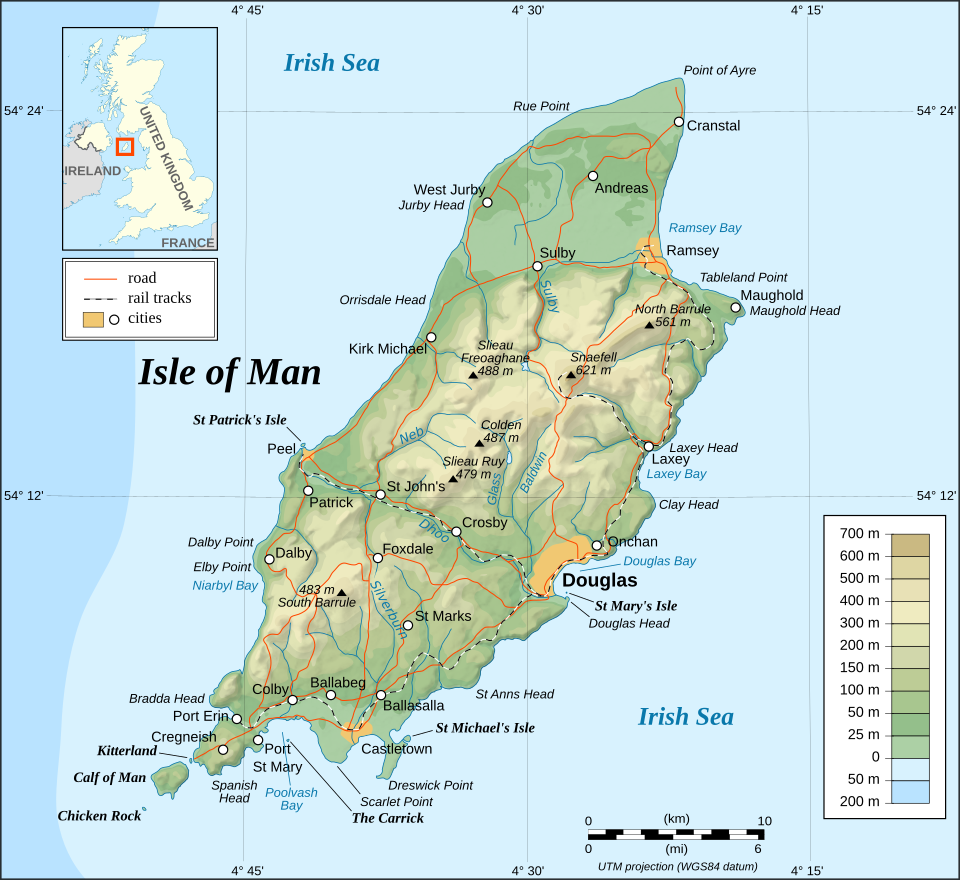
While the World Bank provides no cost-of-living data for the Isle of Man, the island’s position in the Irish Sea — roughly equidistant from England, Scotland, Wales, and Ireland — places it within a regional economic context that helps frame expectations. The Isle of Man operates with its own currency (the Manx pound, pegged to the British pound sterling), and its economy is closely tied to that of the United Kingdom, its largest trading partner.
Housing on the island is a matter of significant local discussion, as it is across much of the British Isles. The island’s limited land area creates natural constraints on housing supply, and demand from financial sector workers and wealthy migrants has historically kept property prices at levels comparable to southern England. The rental market similarly reflects this pressure, with limited stock and steady demand.
However, the island’s low tax environment — no capital gains tax, no stamp duty, and a standard income tax rate that is significantly lower than the UK’s — offsets some of these costs for residents. The trade-off many Manx residents accept is clear: higher housing and goods costs in exchange for a lower tax burden and a quality of life that includes short commutes, low crime, and access to unspoiled natural landscapes.
Daily expenses on the island tend to run slightly higher than the UK average, a common pattern for island economies that must import many goods. Fuel, food, and consumer goods all carry transportation costs that mainland residents never see. Yet these additional expenses are often accepted as the price of living in a society with a strong sense of community and a slower pace of life.
Where Capital Finds a Home — Investment and Enterprise
The Isle of Man’s business environment is defined by its tax regime and its regulatory flexibility. The island is not a member of the European Union, which means it can set its own trade policies and regulatory standards. This independence has made it an attractive domicile for financial services firms, insurance companies, and corporate structures seeking a stable, low-tax jurisdiction within the European time zone.
The financial services sector has long been the island’s economic engine, encompassing banking, insurance, fund management, and corporate administration. In recent years, the island has also developed a reputation as a hub for digital innovation, with a growing technology sector and a well-regulated online gambling industry that generates significant government revenue.
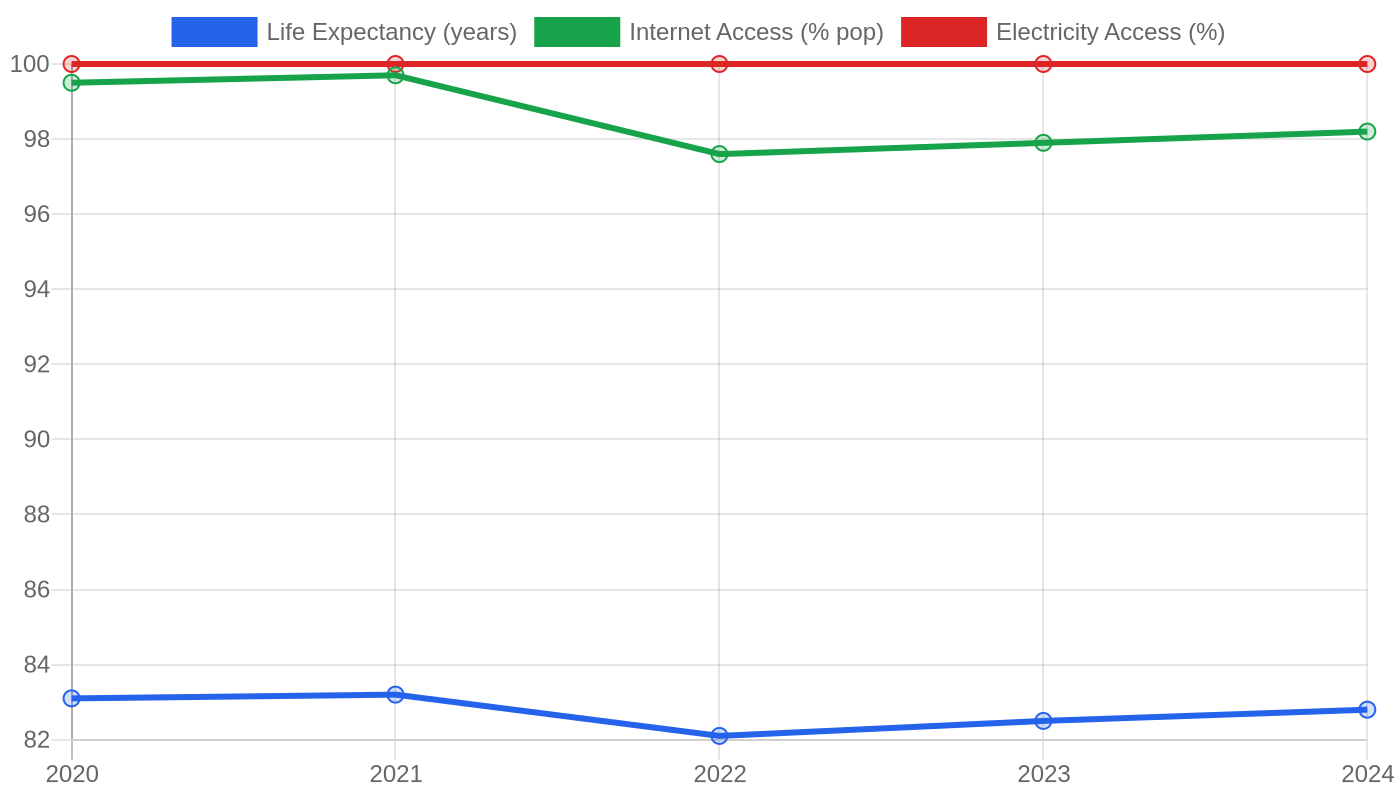
These industries benefit from the island’s investment in infrastructure — including a modern telecommunications network — and its ability to move quickly on regulatory matters without the bureaucratic inertia that can slow larger jurisdictions.
For international investors, the Isle of Man offers something increasingly rare: a developed, English-speaking jurisdiction with a light regulatory touch and a government that is responsive to business needs. The absence of a capital gains tax and the island’s wealth management expertise make it particularly attractive for high-net-worth individuals and family offices.
The political stability provided by Tynwald’s long democratic tradition adds another layer of confidence for those considering the island as a base for their operations.
Safety, Society, and the Independent Spirit
The World Bank provides no crime or safety indices for the Isle of Man, but the island’s reputation for safety is well-established. It is a place where old-fashioned values of community and mutual respect still hold sway, where crime rates are low, and where residents feel secure in their homes and streets. This safety is not incidental — it is a product of a small, close-knit society where people know their neighbors and where the pressures of urban life are largely absent.
The political landscape of the island is one of its most distinctive features. Most Manx politicians stand for election as independents rather than as representatives of political parties. While political parties do exist, their influence is not as strong as in the United Kingdom. This system produces a legislature that is less ideological and more pragmatic, focused on the practical concerns of governing a small island rather than the national debates that dominate larger parliaments.
Members of the House of Keys, the island’s lower house, are elected to represent constituencies, and they typically campaign on local issues — infrastructure, housing, education, and the preservation of the island’s distinct cultural identity.
This political culture has significant economic implications. Independent politicians are more responsive to their constituents and less beholden to party whips, which can lead to more careful consideration of legislation. The absence of strong party discipline also means that economic policy tends to be developed through consensus rather than partisan struggle. For a small island that must compete in global markets, this stability is a genuine competitive advantage.
The Island at a Crossroads — Current Affairs and Future Directions
The Isle of Man in 2026 finds itself navigating a set of challenges and opportunities that will define its economic trajectory for decades to come. The island’s relationship with the United Kingdom remains its most important external connection, and the ongoing evolution of that relationship — post-Brexit and in a world of shifting global trade patterns — requires constant attention from Manx policymakers.
The island’s financial services industry faces the dual pressures of increasing international regulation and competition from other low-tax jurisdictions. The global push for tax transparency has forced the Isle of Man to adapt its practices, and the island has worked to reposition itself as a cooperative, well-regulated jurisdiction rather than a tax haven in the traditional sense.
This repositioning has been largely successful, but it requires ongoing investment in regulatory expertise and international diplomacy.
At the same time, the island is actively pursuing economic diversification. The technology sector continues to grow, and the island has made deliberate efforts to attract digital businesses, fintech startups, and creative industries. The government has invested in digital infrastructure and has worked to create an environment where innovative companies can thrive. There is also a renewed focus on sustainability, with the island exploring opportunities in renewable energy and green finance.
The demographic picture adds urgency to these efforts. Like many small island communities, the Isle of Man faces the challenge of an aging population and the need to attract and retain young workers. The government has introduced policies designed to make the island more attractive to working-age families, including investments in education and healthcare.
The island’s future prosperity will depend on its ability to maintain its distinctive character while adapting to the demands of a rapidly changing global economy.
The Bottom Line
The Isle of Man may not appear in the World Bank’s economic datasets, but it offers a compelling case study in how small jurisdictions can thrive by leveraging their unique advantages. For investors, business leaders, and policymakers interested in alternative models of economic governance, the island represents a laboratory of independent thinking and pragmatic policy. Its low-tax environment, political stability, and high quality of life make it worth watching.
For those who believe that economic success requires size and scale, the Isle of Man offers a quiet but persuasive counterargument.
Sources & Methodology
This article is authored by Economic Pulse Net for informational and research purposes. Economic Pulse Net sources its data from multilateral institutions, national statistics bureaus, and proprietary databases. All data is believed to be current as of the date of publication.
Published: August 16, 2026 | Category: Research — Isle Of Man
Use these signals in your own platform
Economic Pulse publishes its live signal feed through a documented, read-only API. Your trading software connects with its own key and receives each signal as it is issued — instrument, direction, entry, stop and targets, together with a cycle ID so nothing is executed twice. The feed is independent of this website and cannot change it.
Signals are informational only and are not financial advice.