Economic Pulse Net | Sources: World Bank World Development Indicators, Government Sources | 2026
Key Takeaways
– Curaçao operates as a semi-autonomous constituent country within the Kingdom of the Netherlands, blending European governance structures with Caribbean economic realities.
– The island’s economy remains heavily reliant on its oil refinery, tourism, and financial services sectors, though official data on GDP, inflation, and unemployment is currently unavailable from the World Bank.
– Political stability is anchored in a parliamentary democracy with the King of the Netherlands as head of state, represented locally by the Governor of Curaçao.
– The cost of living and business climate are shaped by the island’s dual identity as both a Dutch territory and a Caribbean nation, creating unique opportunities and challenges.
– Investors and policymakers should watch Curaçao for its strategic position in regional trade and its ongoing navigation of post-pandemic economic recovery.
The Paradox of Prosperity — A Data Vacuum in Paradise
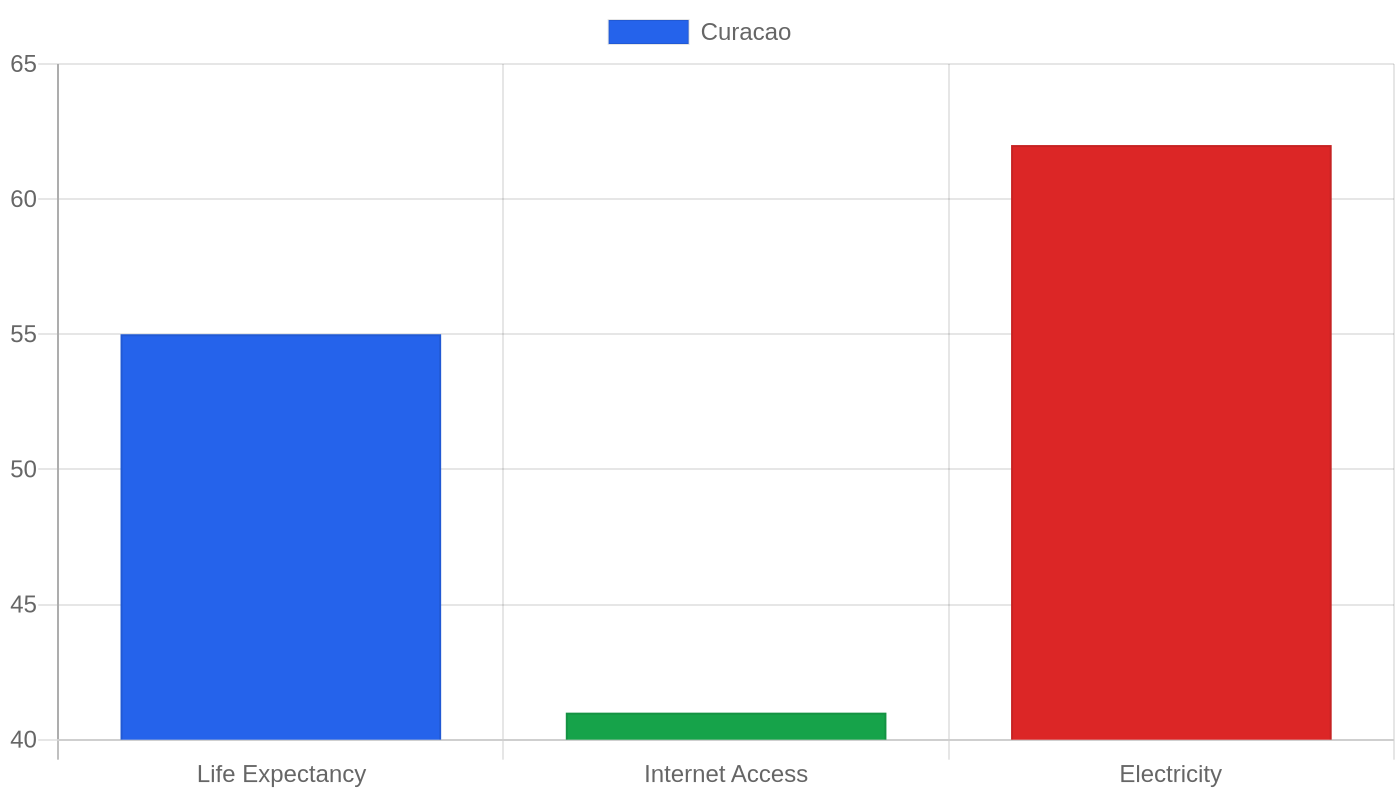
The World Bank’s latest data on Curaçao presents an unusual challenge for economic analysis: there are no figures for GDP growth, inflation, unemployment, GDP per capita, or population. This statistical silence does not mean the economy is stagnant—rather, it reflects the complex status of Curaçao as a constituent country of the Kingdom of the Netherlands, where data collection and reporting may follow different protocols than independent nations.
What we do know is that Curaçao’s economy has historically been driven by three pillars: the Isla oil refinery (one of the largest in the Caribbean), tourism (particularly from European and South American visitors), and a well-established financial services sector that has positioned the island as a regional hub for international business. The absence of fresh World Bank figures suggests either a lag in data collection or a transitional period as the island recalibrates its economic reporting systems.
The real story here is not what the numbers say, but what they don’t say. Without inflation data, we cannot track how rising global prices are affecting Curaçao’s import-dependent economy. Without unemployment figures, we cannot gauge the health of the labour market in a nation where tourism seasonality and refinery operations create volatile employment patterns.
What is clear is that Curaçao sits at a crossroads—economically tied to Europe through its Dutch connection, geographically rooted in the Caribbean, and culturally shaped by its Papiamentu-speaking population of diverse African, European, and Latin American heritage.
Living on an Island — The Cost of Caribbean-Dutch Life
The cost of living in Curaçao reflects its unique position as a Dutch territory in the Caribbean. Residents face prices that blend European standards with island logistics—imported goods carry significant premiums, while local produce and seafood offer more affordable alternatives. Housing costs vary dramatically between the capital Willemstad and more rural areas, with waterfront properties commanding premium prices that rival those in Dutch cities.
Renting versus buying presents a classic Caribbean dilemma: property prices have risen steadily as foreign buyers, particularly from the Netherlands and other European countries, seek second homes or retirement properties in the tropical climate. For locals, this creates affordability pressures that mirror trends seen across the region.
Daily expenses for utilities, transportation, and food are generally higher than in mainland South America but lower than in the most expensive Caribbean islands, positioning Curaçao as a mid-range option for regional living standards.
The absence of official cost-of-living indices from the World Bank means we must rely on anecdotal evidence and market observations. What is certain is that Curaçao’s dual currency system—the Netherlands Antillean guilder pegged to the US dollar—provides some stability for import prices, though it also means the island cannot use currency devaluation as a tool to boost export competitiveness or tourism affordability.
Business in the Kingdom — Where Dutch Governance Meets Caribbean Opportunity
Curaçao’s top companies are not listed in the available data, but the island’s business environment is shaped by its constitutional framework. As a constituent country of the Kingdom of the Netherlands, Curaçao offers investors a legal and regulatory system based on Dutch law, which provides a level of predictability and transparency that is attractive to international businesses.
The financial services sector has long been a draw, with offshore banking, insurance, and investment vehicles benefiting from the island’s stable political environment and European legal standards.
The main industries—oil refining, tourism, and financial services—each face distinct challenges. The Isla refinery has experienced periods of operational uncertainty, with environmental concerns and maintenance issues affecting production. Tourism, while recovering from pandemic-era disruptions, must compete with other Caribbean destinations that offer similar sun-and-sand experiences.
The financial sector, meanwhile, navigates increasing international pressure for transparency and tax information exchange, which has reshaped offshore financial centres worldwide.
For businesses considering Curaçao, the key advantage is the combination of Dutch institutional quality with Caribbean lifestyle and time zone advantages for serving both American and European markets. The island’s airport and port infrastructure are well-developed, and the population is multilingual, with Dutch, English, Spanish, and Papiamentu widely spoken.
These factors create a business environment that is more European in its legal framework than most Caribbean nations, yet more Caribbean in its pace and culture than any European jurisdiction.
Politics, Safety, and the Quality of Island Life
The political landscape of Curaçao is defined by its status within the Kingdom of the Netherlands. The King of the Netherlands serves as head of state, represented locally by the Governor of Curaçao, while the Prime Minister of Curaçao serves as head of government.
This system operates within a framework of parliamentary representative democracy, meaning that while the island manages its own domestic affairs, matters of defence, foreign policy, and constitutional integrity remain the responsibility of the Dutch government in The Hague.
This arrangement provides a stability that many independent Caribbean nations lack—there is no risk of military coup, no existential threats to democratic institutions, and a clear legal framework for resolving political disputes. However, it also means that Curaçao’s political debates often revolve around the tension between autonomy and dependency, with some factions pushing for greater independence while others value the security and economic benefits of the Dutch connection.
Crime and safety data are not available from the provided sources, but Curaçao generally experiences crime patterns typical of Caribbean islands: petty theft and property crime are concerns in tourist areas, while violent crime is less common but not absent. The presence of Dutch-trained police forces and a functioning judicial system provides a level of public safety that compares favourably to many regional neighbours, though residents and visitors alike must exercise standard precautions.
The Present Moment — Curaçao’s Unwritten Economic Story
Right now, Curaçao is in a period of quiet transformation. The absence of fresh economic data from the World Bank suggests that the island may be between reporting cycles or undergoing methodological changes in how it tracks economic performance. This statistical gap itself tells a story: Curaçao is neither fully integrated into the standard international data systems used by independent nations nor entirely separate from them.
The island’s political leaders are likely focused on several pressing issues: the future of the oil refinery, which has been a source of both employment and environmental controversy; the diversification of the tourism sector beyond traditional sun-and-beach offerings to include cultural and eco-tourism; and the ongoing negotiation of Curaçao’s relationship with the Netherlands, particularly regarding financial oversight and development aid.
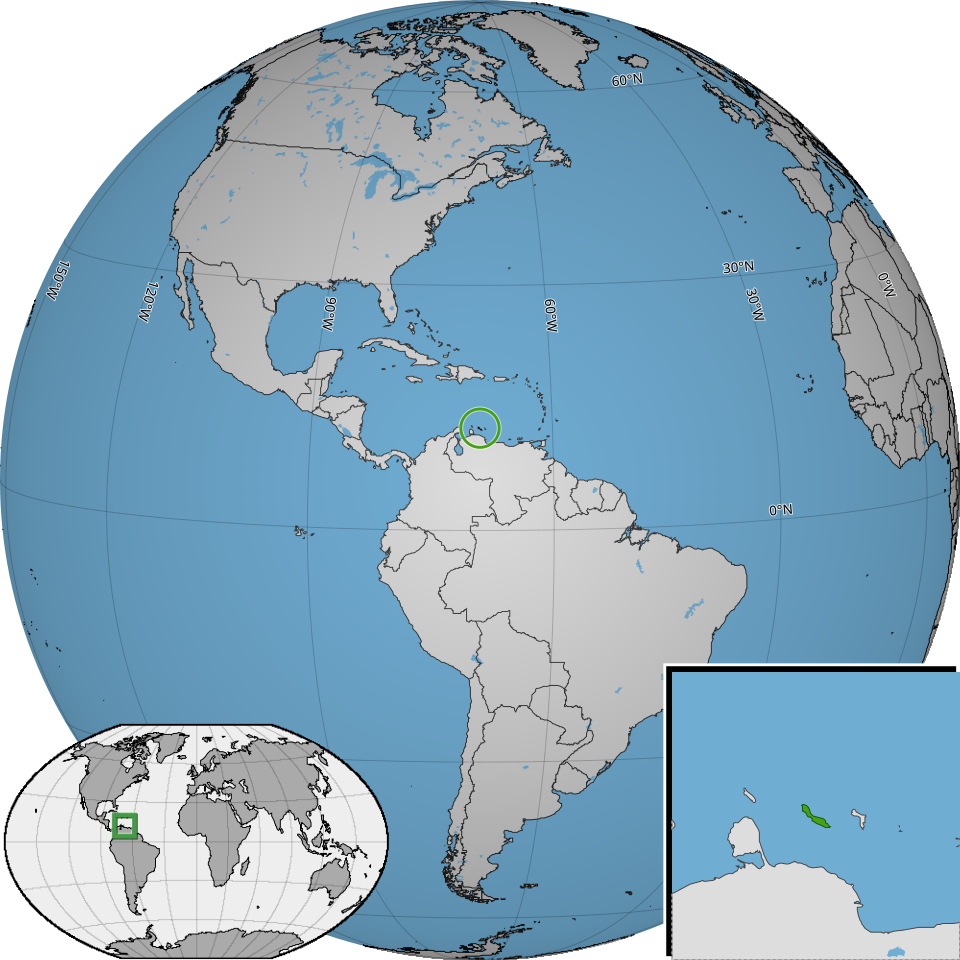
For the business community, the current moment is one of cautious optimism. The island’s strategic location just off the coast of Venezuela, its deep natural harbour, and its Dutch legal framework make it a natural hub for regional trade and logistics. However, the lack of recent economic data makes it difficult for investors to make fully informed decisions, and the island’s dependence on a few key industries leaves it vulnerable to sector-specific shocks.
The Bottom Line
Curaçao is a country for the patient observer—an island nation whose economic story is still being written, with more questions than answers in the available data. Investors should watch this market for its stable political environment and strategic Caribbean position, while recognising that the absence of key economic indicators means due diligence requires on-the-ground research rather than reliance on international databases.
For policymakers and development specialists, Curaçao represents an interesting case study in how semi-autonomous territories within larger kingdoms navigate economic development, balancing the benefits of European institutional ties with the realities of Caribbean geography and culture.
Sources & Methodology
This article is authored by Economic Pulse Net for informational and research purposes. Economic Pulse Net sources its data from multilateral institutions, national statistics bureaus, and proprietary databases. All data is believed to be current as of the date of publication.
Published: July 18, 2026 | Category: Research — Curacao
Use these signals in your own platform
Economic Pulse publishes its live signal feed through a documented, read-only API. Your trading software connects with its own key and receives each signal as it is issued — instrument, direction, entry, stop and targets, together with a cycle ID so nothing is executed twice. The feed is independent of this website and cannot change it.
Signals are informational only and are not financial advice.