Economic Pulse Net | Sources: World Bank World Development Indicators, Government Sources | 2026
Key Takeaways
– Curaçao operates as a semi-autonomous constituent country within the Kingdom of the Netherlands, giving it a unique political status that shapes both its economic policies and international relationships.
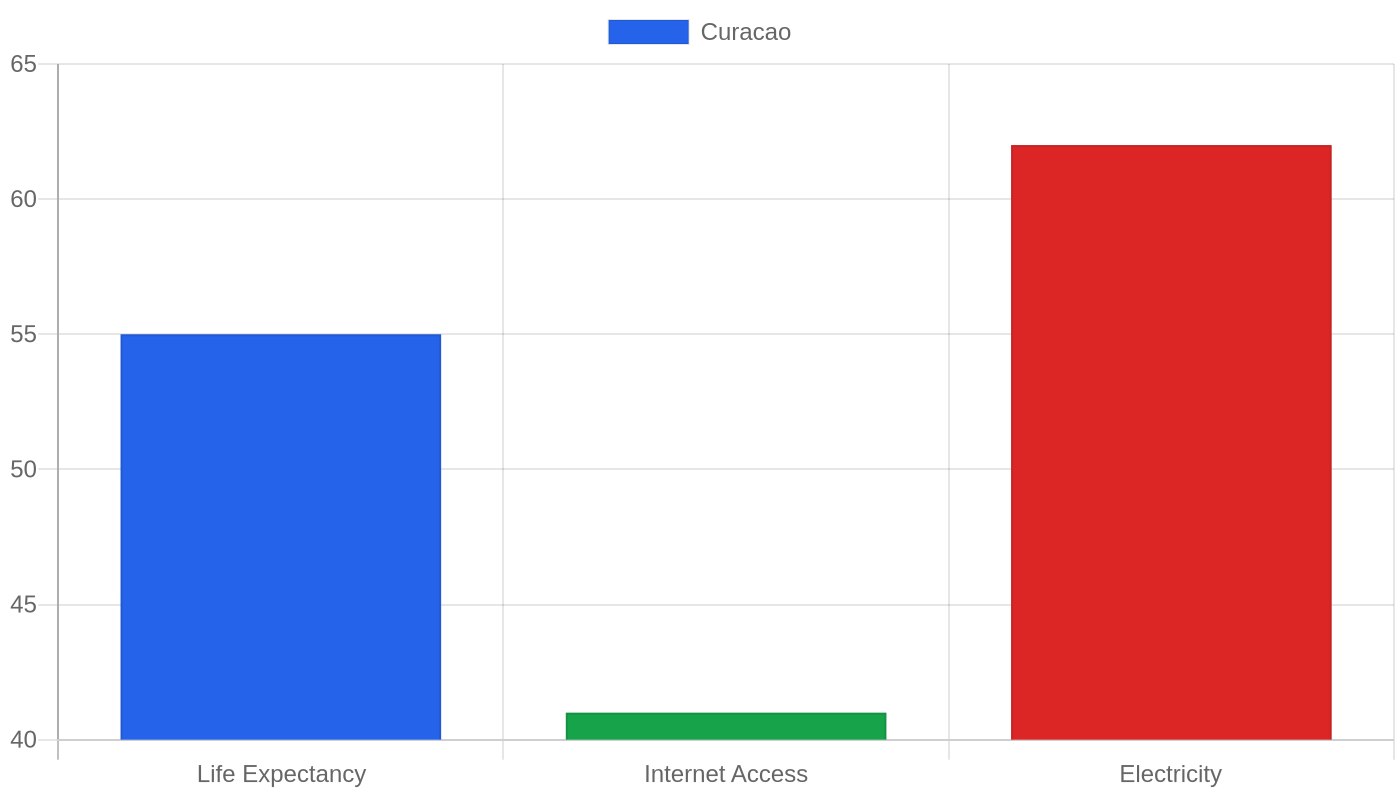
– The country’s economic data remains largely unavailable from standard international sources, reflecting broader challenges in transparency and data collection that complicate investment decisions.
– Curaçao’s parliamentary democracy, with the King of the Netherlands as head of state and a locally elected Prime Minister as head of government, creates a dual-layered governance structure that influences everything from fiscal policy to trade agreements.
– The absence of key economic indicators including GDP growth, inflation, and unemployment figures makes it difficult to assess the country’s current economic trajectory with precision.
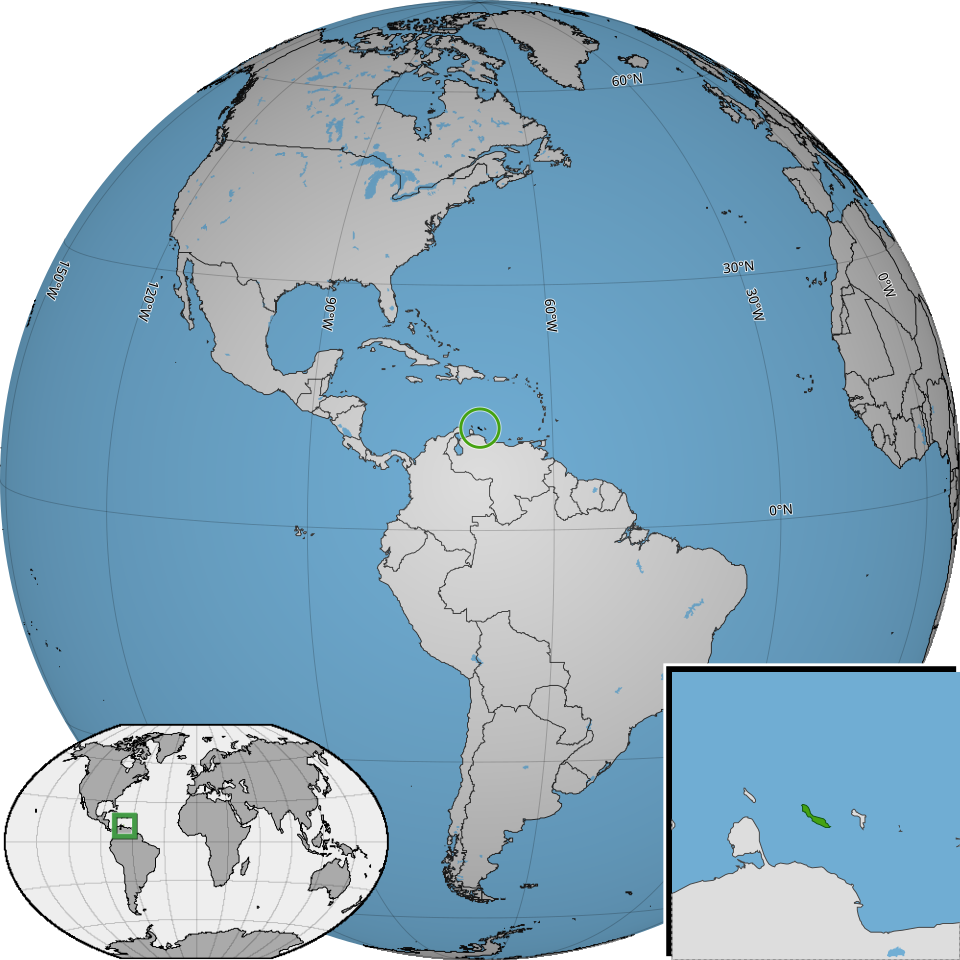
– Despite data gaps, Curaçao’s strategic location in the southern Caribbean and its historical role as a regional financial hub suggest underlying economic potential that warrants closer observation.
The Numbers Gap — Reading Between the Lines of Curaçao’s Economy
When the World Bank publishes its economic profiles, Curaçao appears as something of a statistical ghost. GDP growth, inflation measured by CPI, unemployment rates, total GDP in US dollars, GDP per capita adjusted for purchasing power parity, and GNI per capita — all listed as “N/A” in the most recent available data. For a country that positions itself as a Caribbean financial gateway, this data vacuum is itself a significant economic signal.
The absence of basic macroeconomic indicators from the World Bank does not mean Curaçao’s economy is standing still. Rather, it suggests a nation in transition, where the statistical infrastructure has not kept pace with economic realities. Curaçao has historically relied heavily on oil refining, tourism, and offshore financial services. The closure of the Isla refinery in 2019 dealt a major blow to the economy, and the pandemic devastated tourism arrivals.
Recovery has been uneven, and without reliable data, measuring that recovery becomes an exercise in inference rather than analysis.
What we do know is that Curaçao’s economy operates within the framework of the Kingdom of the Netherlands, which provides a degree of stability and access to European markets that other Caribbean nations lack. The country uses the Netherlands Antillean guilder, pegged to the US dollar, which has historically kept inflation in check — but that peg also limits monetary policy flexibility.
Without inflation figures, it is impossible to say whether this arrangement is currently serving the country well or creating hidden pressures on household purchasing power.
The unemployment data gap is perhaps the most concerning. In a small island economy where tourism and hospitality dominate employment, the pandemic’s impact was almost certainly severe. The World Bank’s inability to provide current figures suggests either a lag in data collection or a more fundamental breakdown in labor market tracking. Either way, policymakers in Curaçao are operating with incomplete information, making targeted interventions difficult.
Housing and the Cost of Living — The Hidden Pressures of Island Life
Curaçao faces the classic Caribbean paradox: a beautiful island with a high cost of living and limited housing supply. While specific cost-of-living data is not available from the provided sources, the structural conditions are clear. As a constituent country of the Netherlands, Curaçao imports a significant portion of its consumer goods from Europe and the United States, subjecting residents to international shipping costs, import duties, and the pricing power of a small market with limited competition.
Housing in Curaçao is shaped by the island’s geography and its colonial history. The capital, Willemstad, with its iconic pastel-colored Dutch colonial architecture, is both a UNESCO World Heritage site and a real estate market under pressure. Rental costs in desirable areas near the coast or in the city center tend to be high by regional standards, driven by demand from expatriates working in the financial sector and European retirees seeking warm winters.
For locals, affordable housing is increasingly scarce, pushing development into less central areas and raising questions about urban sprawl and infrastructure capacity.
The rent-versus-buy calculation in Curaçao is complicated by the island’s status. Property ownership is possible for foreigners, but the legal framework involves both local and Dutch regulations. Mortgage financing is available through local banks, but interest rates tend to be higher than in the European Netherlands, reflecting the perceived risk of a small island economy.
For most residents, renting remains the more practical option, though rental inflation — if it were measured — would likely tell a story of growing unaffordability.
Daily expenses for basics like food, utilities, and transportation are elevated by island logistics. Fresh produce is largely imported, and electricity costs are high due to reliance on imported fossil fuels for power generation. The peg to the US dollar provides some stability, but it also means that when global commodity prices rise, Curaçao feels the full force of those increases without the buffer of a floating currency.
Residents effectively pay a premium for the privilege of Caribbean living, and without wage data, it is impossible to say whether incomes are keeping pace.
Investment and Business Climate — A Financial Hub in Search of Its Next Act
Curaçao’s business environment is defined by its peculiar political status. As a constituent country of the Kingdom of the Netherlands, it offers investors a combination of European legal standards, Dutch commercial law, and Caribbean tax incentives. This hybrid model has historically attracted financial services companies, shipping firms, and international holding companies seeking a stable jurisdiction with favorable tax treatment.
The top companies operating in Curaçao are not listed in the available data, but the sectors they dominate are well known. Financial services remain the backbone of the private sector, with Curaçao hosting a significant number of offshore banks, insurance companies, and investment funds. The country’s tax treaty network, inherited from the Netherlands, provides access to European markets while maintaining a relatively low corporate tax rate.
This has made Curaçao a popular jurisdiction for corporate structuring, though international pressure on tax havens has forced the country to adapt its regulations in recent years.
The tourism sector is the other major pillar, with the island attracting visitors from Europe, South America, and increasingly North America. The hospitality industry includes international hotel chains, boutique resorts, and a growing cruise ship port. However, the sector faces challenges from regional competition — Aruba, Bonaire, and other Caribbean destinations offer similar attractions — and from the lingering effects of the pandemic on travel patterns.
For investors looking at Curaçao today, the key question is what comes next. The oil refining industry, once the island’s economic engine, has been in decline for years. The financial services sector faces ongoing regulatory pressure from the European Union and the OECD. Tourism is recovering but remains vulnerable to external shocks.
The business climate is stable — the rule of law is strong, the legal system is reliable, and the political framework provides continuity — but the country needs a new economic narrative to attract the kind of investment that will drive growth in the coming decade.
Safety, Politics, and Quality of Life — Democracy Under the Dutch Crown
Curaçao’s political landscape is unique in the Caribbean. The country is a constituent country of the Kingdom of the Netherlands, meaning it has substantial autonomy over its internal affairs while the Dutch government retains responsibility for defense, foreign policy, and certain legal matters. The King of the Netherlands serves as head of state, represented locally by the Governor of Curaçao, while the Prime Minister of Curaçao serves as head of government.
This arrangement, established in 2010 when the Netherlands Antilles was dissolved, gives Curaçao more self-governance than most Caribbean territories but less than fully independent nations.
The system of government operates within a framework of parliamentary representative democracy. Elections are held regularly, political parties are active, and the press is generally free. However, the island has experienced periods of political instability, with coalition governments forming and collapsing with some frequency.
Corruption allegations have surfaced in recent years, and the relationship with the Netherlands is sometimes strained, particularly around financial oversight and the management of public debt.
Crime and safety data for Curaçao is not available in the provided sources, but anecdotal evidence and regional comparisons suggest a mixed picture. Like many Caribbean islands, Curaçao experiences property crime and drug-related violence, though serious violent crime against tourists is relatively rare. The Dutch legal system provides a framework for law enforcement, and the presence of Dutch military and police forces in the kingdom adds a layer of security that smaller independent nations lack.
Quality of life in Curaçao is shaped by the island’s natural beauty, its multicultural population, and its European-inflected infrastructure. Healthcare is good by regional standards, with facilities in Willemstad that serve both locals and medical tourists. Education follows the Dutch system, and many Curaçaoans study in the Netherlands before returning home.
The cost of living is high, as noted, but for those who can afford it, the island offers a lifestyle that combines Caribbean warmth with European standards of public service and governance.
What’s Happening Now — Curaçao at a Crossroads
The most pressing issue facing Curaçao today is the need to redefine its economic model. The World Bank’s data gaps are not merely a statistical inconvenience; they reflect a country that has not fully transitioned from its historical economic structure to whatever comes next. The oil refinery’s decline, the pandemic’s impact on tourism, and the ongoing evolution of global financial regulation have all hit Curaçao simultaneously, leaving policymakers scrambling for a new direction.
Political developments in the Kingdom of the Netherlands continue to shape Curaçao’s trajectory. The Dutch government has provided financial support to the island during the pandemic, but that support has come with conditions, including demands for fiscal reform and anti-corruption measures. These negotiations are ongoing and remain a source of tension between Willemstad and The Hague.
For Curaçao, the challenge is to maintain its autonomy while accessing the financial resources it needs to modernize its economy.
On the business front, there are signs of diversification. The island is positioning itself as a hub for renewable energy, leveraging its strong winds and abundant sunshine to attract investment in solar and wind power. The port of Willemstad is being upgraded to handle larger cargo ships and cruise vessels. And there is growing interest in Curaçao as a location for data centers and digital infrastructure, taking advantage of its reliable electricity grid and fiber-optic connections to the Americas and Europe.
But these opportunities come with risks. The global push for tax transparency continues to pressure Curaçao’s financial services sector. Climate change poses an existential threat to low-lying coastal areas. And the island’s demographics — an aging population and limited immigration — raise questions about long-term labor supply and economic dynamism.
Curaçao is not in crisis, but it is in a period of profound transition, and the decisions made in the next few years will determine whether it emerges as a modern, diversified economy or remains a dependent territory living on past glories.
The Bottom Line
Curaçao is a country that investors and analysts should watch, not because its current data tells a compelling story, but because its potential is hidden beneath the surface. The combination of Dutch legal standards, Caribbean location, and a sophisticated financial services sector gives it advantages that few other small island economies can match. But those advantages are eroding, and the country needs a clear strategy — and better data — to chart a path forward.
For now, Curaçao remains a place of possibility rather than performance, a nation waiting for its next chapter to begin.
Sources & Methodology
This article is authored by Economic Pulse Net for informational and research purposes. Economic Pulse Net sources its data from multilateral institutions, national statistics bureaus, and proprietary databases. All data is believed to be current as of the date of publication.
Published: July 23, 2026 | Category: Research — Curacao
Use these signals in your own platform
Economic Pulse publishes its live signal feed through a documented, read-only API. Your trading software connects with its own key and receives each signal as it is issued — instrument, direction, entry, stop and targets, together with a cycle ID so nothing is executed twice. The feed is independent of this website and cannot change it.
Signals are informational only and are not financial advice.