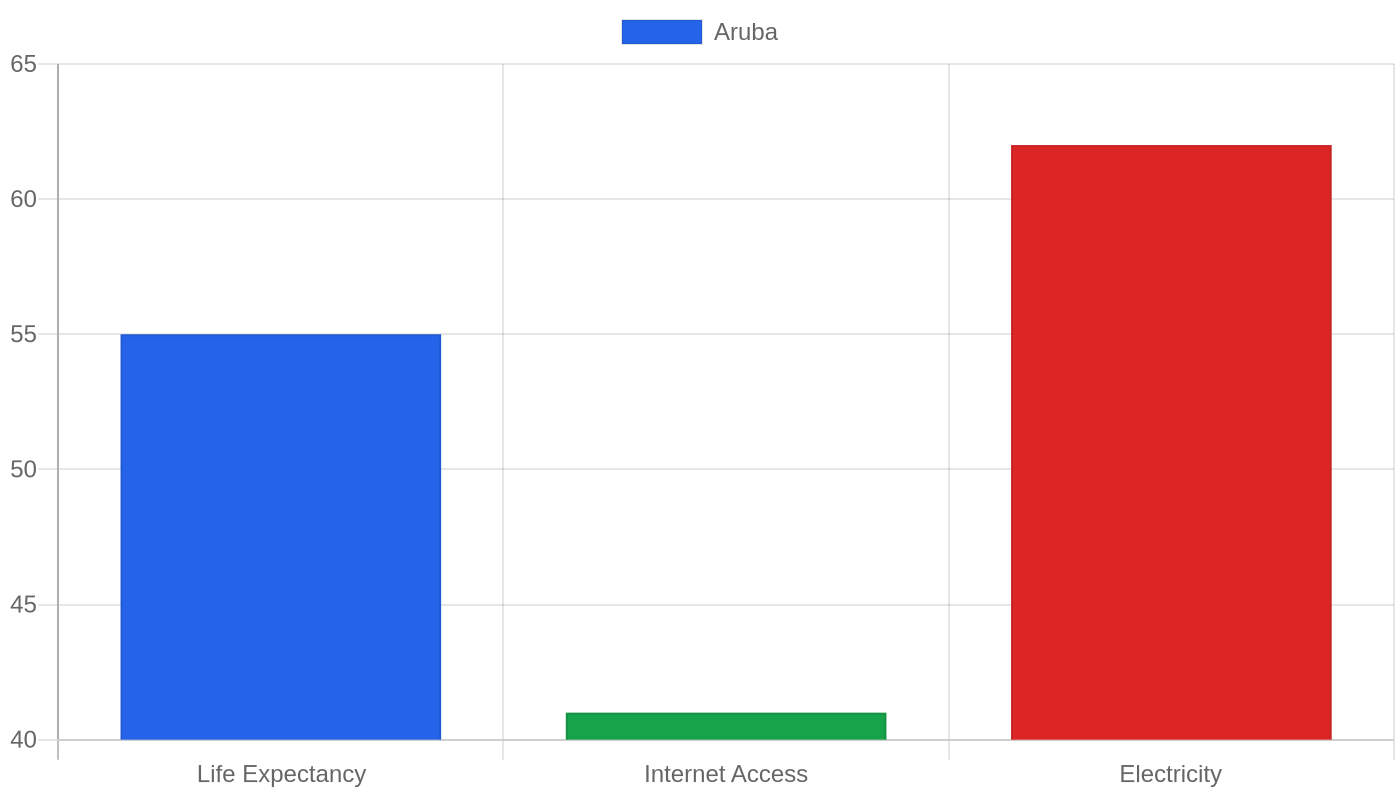
Economic Pulse Net | Sources: World Bank World Development Indicators, Government Sources | 2026
Aruba may be known for its white-sand beaches and perpetual trade winds, but beneath the tourist postcard lies a complex economic story. As a constituent country of the Kingdom of the Netherlands, this Caribbean island of roughly 110,000 people occupies a unique position—enjoying internal autonomy while relying on Dutch support for foreign affairs and defence. Yet the economic data tells a story of opacity and transition.
With key indicators from the World Bank currently unavailable—GDP growth, inflation, unemployment, and GDP per capita all reading as N/A—analysts are left to piece together a narrative from structural clues rather than hard numbers. What emerges is a portrait of an economy in flux, heavily dependent on tourism, navigating the delicate balance between Dutch oversight and local ambition.
Key Takeaways
– Aruba operates as a constituent country within the Kingdom of the Netherlands, managing internal affairs through a 21-member Parliament (Staten) and an eight-member Cabinet, while the Dutch government handles defence and foreign relations.
– The World Bank currently lists no official economic indicators for Aruba—GDP growth, inflation, unemployment, and GDP per capita are all unavailable—making independent economic assessment challenging.
– The island’s political structure features a governor appointed by the Dutch monarch for a six-year term, creating a unique blend of Caribbean governance and European constitutional oversight.
– Tourism remains the dominant economic pillar, though the absence of official data makes quantifying its precise contribution difficult.
– Aruba’s status as an autonomous country within a European kingdom provides both stability and constraints, shaping its business environment and investment climate.
The Economic Engine — Tourism’s Dominance and Data’s Silence
The most striking feature of Aruba’s economic landscape is not what is known, but what is not. The World Bank’s database currently shows no figures for the island’s GDP growth, inflation rate, unemployment level, or gross domestic product—a silence that speaks volumes about the challenges of tracking economic performance in small island states.
This data vacuum forces economists and policymakers to rely on anecdotal evidence, regional comparisons, and qualitative assessments rather than hard statistics. For a country that has historically positioned itself as one of the more prosperous Caribbean nations, this lack of transparency raises questions about economic governance and reporting standards.
What can be reasonably inferred from the available structural information is that Aruba’s economy has long been anchored by tourism, which accounts for the vast majority of economic activity and foreign exchange earnings.
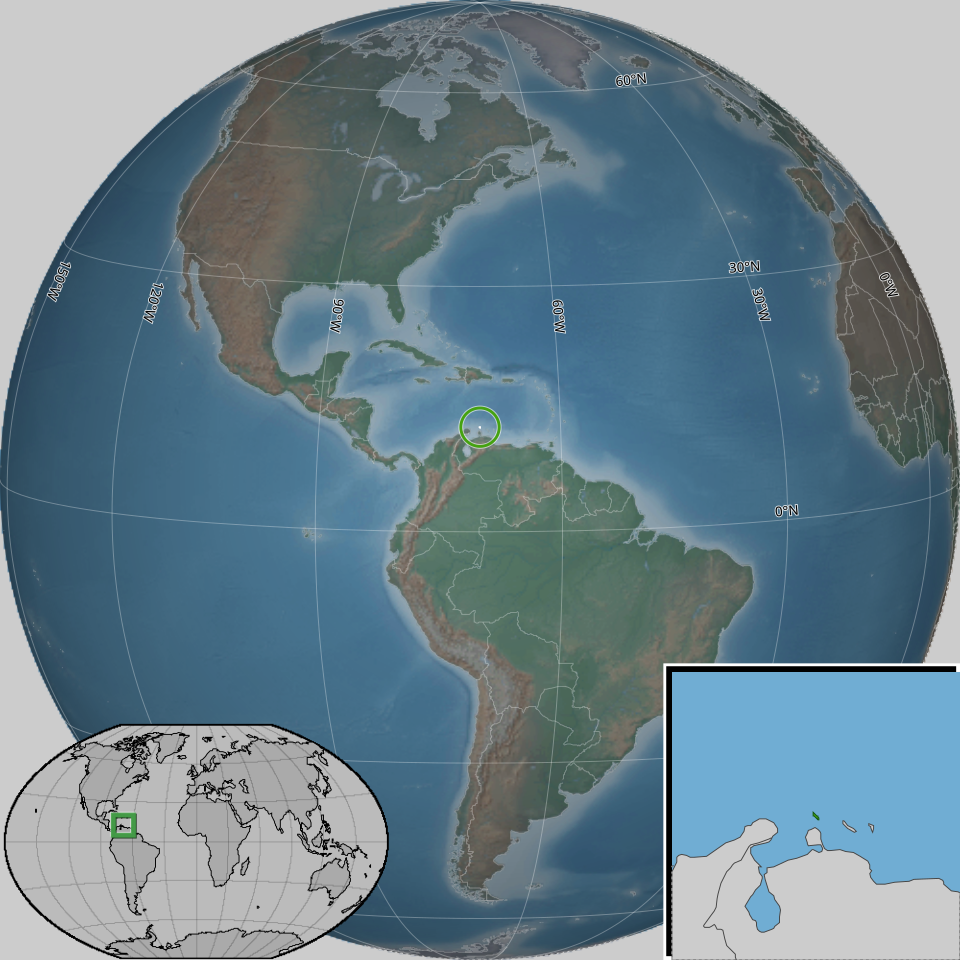
The island’s strategic location just off the coast of Venezuela, its arid climate (which offers a reliable escape from hurricane paths), and its status as a constituent country of a European kingdom have made it an attractive destination for both leisure travellers and, historically, for energy companies operating in the region. The refining industry, which once dominated the economy, has seen boom-and-bust cycles over the decades, leaving tourism as the more stable and sustainable economic driver.
The absence of inflation data is particularly concerning. In a small, open economy heavily reliant on imports, price stability is a constant challenge. Fluctuations in global food and energy prices directly impact local costs, and without official CPI figures, households and businesses alike struggle to plan for the future.
Similarly, the lack of unemployment data obscures the real state of the labour market—critical information for a country that must balance local employment needs against the seasonal demands of its tourism sector. The World Bank’s silence on these metrics is not merely an administrative gap; it represents a genuine barrier to informed decision-making for both public officials and private investors.
Housing and Living Costs — The Price of Paradise
For residents of Aruba, the cost of living presents a persistent challenge, though specific housing data from the World Bank remains unavailable. As a small island importing nearly all of its consumer goods, everyday expenses—from groceries to utilities—tend to run higher than regional averages. The tourism economy creates a dual-tier pricing structure: establishments catering to visitors often charge premium rates, while locals navigate a separate, though still elevated, cost structure.
Housing, in particular, is a scarce commodity on an island with limited land area and strict zoning regulations designed to preserve the island’s character.
The dynamic between renting and buying in Aruba favours those with access to capital or foreign currency. Property prices in desirable coastal areas have historically been buoyed by foreign buyers seeking vacation homes, which can push local residents toward less central neighbourhoods or longer commutes. For the average Aruban household, housing costs typically consume a significant portion of income, a situation exacerbated by the lack of official inflation data to guide wage negotiations.
The comparison to regional neighbours is difficult without hard numbers, but anecdotal reports suggest Aruba’s cost of living sits at the higher end of the Caribbean spectrum, reflecting its status as a more developed and stable economy within the region.
Business and Investment — Navigating Autonomy Within a Kingdom
Aruba’s political framework—an autonomous constituent country within the Kingdom of the Netherlands—creates a distinctive business environment that offers both advantages and complications for investors. On one hand, the Dutch connection provides a degree of institutional stability, legal predictability, and access to European standards that many other Caribbean nations cannot match.
On the other hand, the island’s small market size (with a population around 110,000) limits domestic demand, meaning that businesses must look outward—toward tourism and potential export markets—for growth opportunities.
The sectors to watch in Aruba are those that leverage the island’s natural advantages. Tourism infrastructure remains the most obvious investment target, with opportunities in hospitality, recreation, and related services. Beyond tourism, there is potential in renewable energy—Aruba has made public commitments to sustainability—and in digital services that can be delivered remotely, taking advantage of the island’s time zone and educated workforce.
The main industries data from the World Bank is currently unavailable, but the structural clues suggest a service-dominated economy with limited manufacturing capacity. For foreign investors, the key question is whether Aruba’s autonomy within the Dutch Kingdom provides enough flexibility to pursue innovative economic policies while maintaining the stability that comes with European oversight.
Politics, Safety, and the Quality of Life Equation
Aruba’s political landscape is defined by its unique constitutional arrangement. The island is one of four constituent countries of the Kingdom of the Netherlands, alongside the Netherlands itself, Curaçao, and Sint Maarten. This arrangement grants Aruba internal autonomy—meaning it manages its own domestic affairs—while matters of foreign policy and defence remain in Dutch hands.
The governance structure centres on a 21-member Parliament (the Staten), elected by direct popular vote every four years, and an eight-member Cabinet that executes policy. The Governor of Aruba, appointed by the Dutch monarch for a six-year term, serves as the formal representative of the Crown, adding a layer of constitutional oversight to the island’s democratic processes.
This political framework has historically provided Aruba with a degree of stability uncommon in the Caribbean region. The Dutch connection brings with it not only administrative expertise but also a commitment to rule of law and transparent governance. However, it also creates tensions: the balance between local autonomy and Dutch oversight is a recurring theme in Aruban politics, with different parties and factions advocating for varying degrees of independence or closer integration with the Netherlands.
The crime and safety indices from the World Bank are currently unavailable, but Aruba has generally been perceived as a safe destination for both tourists and residents, with low violent crime rates compared to regional peers. This perception of safety is itself an economic asset, supporting the tourism industry that forms the backbone of the island’s economy.
Current Affairs — An Island at a Crossroads
Aruba today stands at a moment of both opportunity and uncertainty. The global tourism industry, which crashed during the pandemic, has been recovering, and Aruba’s reputation as a safe, accessible Caribbean destination has positioned it well to capture returning travellers. However, the island faces significant structural challenges that demand attention.
The lack of current economic data from the World Bank is itself a story—it suggests either reporting delays or possible gaps in statistical capacity that could hamper effective policymaking. Meanwhile, the broader geopolitical shifts affecting the Caribbean region—from climate change to shifting global trade patterns—will inevitably impact Aruba’s economy.
The political calendar adds another layer of dynamism. With elections for the 21-member Staten held every four years, the island periodically reassesses its direction, including the perennial question of its relationship with the Netherlands. Debates over the degree of autonomy, fiscal policy, and the balance between tourism development and environmental preservation continue to shape the political discourse.
The eight-member Cabinet, drawn from the elected Parliament, must navigate these complex issues while managing the day-to-day governance of a small island with outsized ambitions. For observers, the key development to watch is how Aruba navigates the tension between its Dutch constitutional framework and its Caribbean identity—a balancing act that will determine the island’s economic trajectory for years to come.
The Bottom Line
Aruba is a country that defies easy categorisation—a Caribbean island with European governance, a tourism-dependent economy with aspirations for diversification, and a stable political system operating within a larger kingdom. The absence of official economic data from the World Bank is both a frustration and a story in itself, highlighting the challenges of economic transparency in small island states.
For investors, policymakers, and travellers alike, Aruba offers a fascinating case study in how small nations navigate the complexities of autonomy, dependency, and global economic integration. Those watching the island should focus on the intersection of politics and economics—how the relationship with the Netherlands evolves, how tourism adapts to changing global conditions, and whether the island can build a more diversified, resilient economy for the future.
Sources & Methodology
This article is authored by Economic Pulse Net for informational and research purposes. Economic Pulse Net sources its data from multilateral institutions, national statistics bureaus, and proprietary databases. All data is believed to be current as of the date of publication.
Published: August 04, 2026 | Category: Research — Aruba
Use these signals in your own platform
Economic Pulse publishes its live signal feed through a documented, read-only API. Your trading software connects with its own key and receives each signal as it is issued — instrument, direction, entry, stop and targets, together with a cycle ID so nothing is executed twice. The feed is independent of this website and cannot change it.
Signals are informational only and are not financial advice.