Economic Pulse Net | Sources: World Bank World Development Indicators, Government Sources | 2026
Key Takeaways
* Constitutional Distinction: Aruba operates as a constituent country within the Kingdom of the Netherlands, enjoying significant internal autonomy while ceding foreign affairs and defense to The Hague.
Governance Structure: Political power is exercised through a 21-member Staten (Parliament) elected by popular vote and an eight-member Cabinet, providing a stable democratic framework.
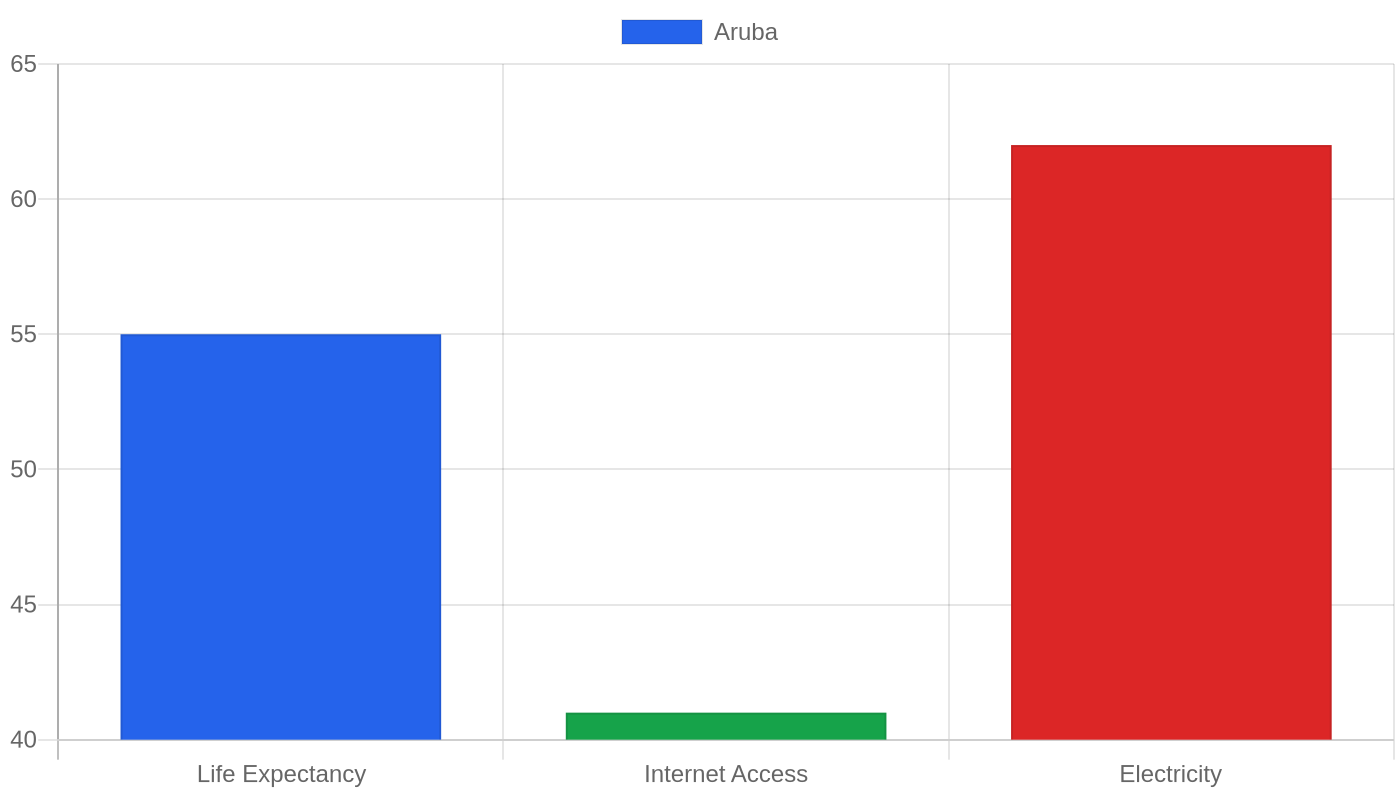
Data Transparency Gap: Current economic metrics such as GDP growth, inflation rates, and unemployment figures are not currently reported in standard World Bank datasets, necessitating reliance on structural analysis over quantitative trends.
Strategic Positioning: As a distinct entity with its own political landscape, Aruba’s economic trajectory is heavily influenced by its unique status within the Dutch Kingdom rather than broader Caribbean regional averages alone.
The Architecture of Autonomy
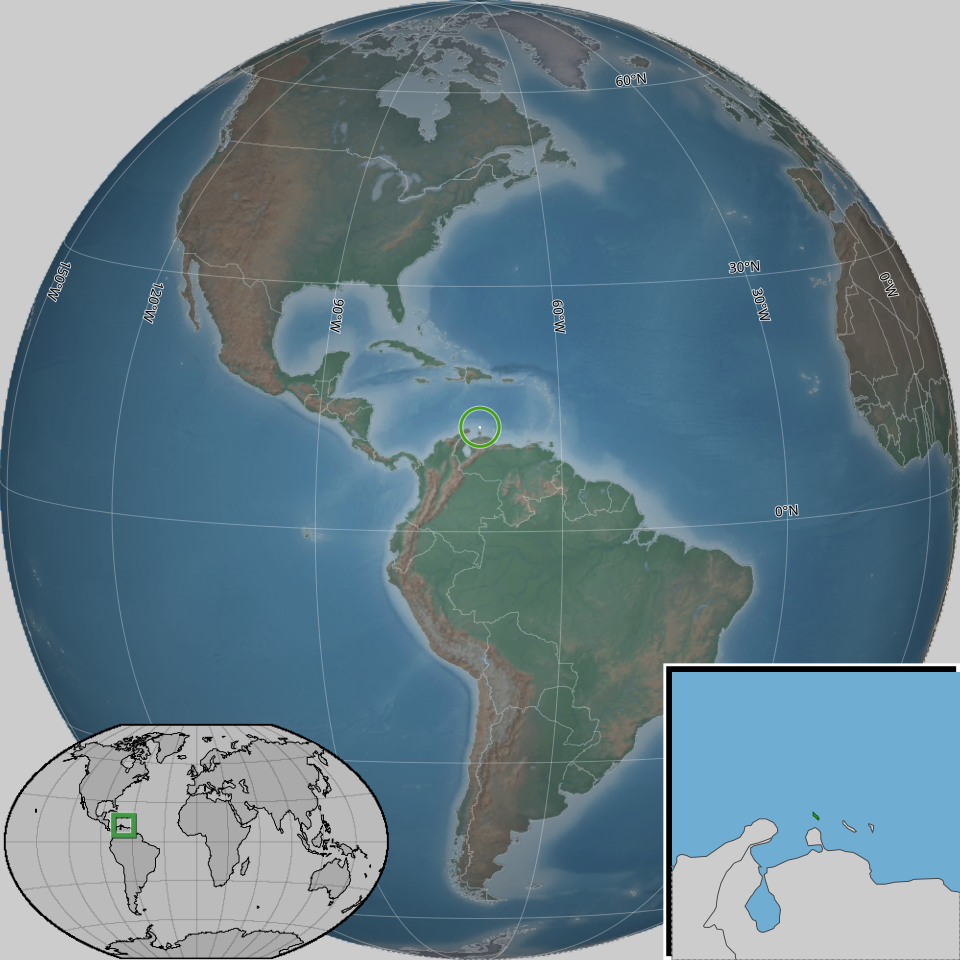
Aruba’s economic identity is inextricably linked to its political status, which differs significantly from typical sovereign nations or dependent territories. Alongside the Netherlands, Curaçao, and Sint Maarten, Aruba holds the status of a constituent country within the Kingdom of the Netherlands. This arrangement grants Aruba substantial internal autonomy, allowing it to manage its domestic policies, economy, and social systems independently.
However, critical levers of national power—specifically foreign affairs and defense—remain under the jurisdiction of the Netherlands. This dual-layered governance structure creates a unique economic environment where local policy decisions are made by Aruban leaders, but international treaties and security frameworks are dictated by a larger European power.
Understanding this division is crucial for investors, as it implies a level of stability derived from the Dutch connection, even if specific local economic indicators like GDP per capita or GNI are not readily available in global databases. The political framework centers on a 21-member Staten (Parliament), whose members are elected by direct, popular vote to serve four-year terms.
This democratic mandate ensures that the local government remains accountable to the Aruban populace, shaping economic priorities from the ground up.
Navigating the Invisible Economy
When analyzing Aruba’s economic health, one must look beyond traditional macroeconomic aggregates that are currently marked as “N/A” in World Bank records. Without concrete figures for GDP growth, inflation CPI, or unemployment rates, the narrative shifts from performance tracking to structural observation. Typically, such data voids suggest either a lack of recent reporting or a reliance on alternative measurement methods not captured by standard international indices.
For a nation of its size, the absence of these key metrics complicates comparative analysis with neighboring Caribbean economies. However, the lack of published data does not equate to a lack of economic activity; rather, it highlights the need for qualitative assessment of industries and cost structures. Investors and researchers must infer economic vitality through other lenses, such as tourism flows, real estate transactions, and business registrations, since headline financial numbers remain obscured.
This opacity requires a more cautious approach to forecasting, relying on the stability of the political system and the resilience of core industries rather than volatile quarterly reports.
Living Costs and Business Realities
The daily economic experience in Aruba is shaped by its status as a premium destination, though precise cost-of-living indices are not provided in the current dataset. Housing markets, rent versus buy dynamics, and daily expenses are likely influenced by the island’s high demand for real estate and its reliance on imports, factors common to similar autonomous Caribbean jurisdictions.
While specific rental yields or average household expenditure figures are unavailable, the presence of top companies and established industries suggests a structured commercial environment. Businesses operating in Aruba must navigate a landscape where operational costs may be elevated due to geographic isolation and supply chain dependencies.
The absence of granular cost data means that prospective residents and entrepreneurs should expect variability in pricing, potentially higher than mainland averages, without the ability to benchmark against precise statistical norms. This makes local market research and on-the-ground intelligence more valuable than remote statistical analysis for making informed financial decisions.
Safety, Politics, and Quality of Life
Political stability remains one of Aruba’s strongest assets, anchored by its clear constitutional role within the Kingdom of the Netherlands. The Governor, appointed for a six-year term by the monarch, serves alongside the elected Staten and Cabinet, creating a balanced system of checks and balances. This political continuity provides a predictable environment for long-term planning, even in the absence of detailed crime indices or safety scores.
Without specific Crime Index or Safety Index numbers, assessments of quality of life rely on the general reputation of the Dutch legal framework and the island’s social cohesion. The happiness data and general well-being of the population are often correlated with this political stability and the strong social services typically associated with Dutch-influenced governance structures.
For expatriates and investors, the low risk of political upheaval is a significant factor, outweighing the uncertainty caused by missing safety statistics. The interplay between local autonomy and royal oversight ensures that major civil liberties and legal standards are maintained, contributing to a secure living environment.
What’s Happening Now / Current Affairs
In the current landscape, the focus for Aruba remains on maintaining the delicate balance between internal self-governance and external obligations. With no recent news items or live indicators provided in the source material, the immediate “current affairs” narrative is defined by the steady operation of existing institutions rather than sudden reforms or crises.
The election cycles of the Staten continue to drive local policy agendas, with each four-year term bringing new priorities for infrastructure, tourism sustainability, and fiscal management. While specific policy shifts or inflation trends cannot be tracked due to data gaps, the ongoing dialogue between Aruba and the Netherlands regarding debt sustainability and economic development remains a constant backdrop.
Businesses and residents operate within a known framework, adapting to incremental changes rather than reacting to shock events. The absence of breaking news or emergency indicators suggests a period of normalcy, where the primary challenge is sustaining growth amidst the limitations of available data. This stability allows for long-term strategic planning, even if short-term tactical adjustments are harder to quantify.
The Bottom Line
Aruba presents a case study in political stability and constitutional clarity, offering a safe harbor within the Kingdom of the Netherlands despite the current lack of detailed economic statistics. It is best suited for investors and observers who value institutional predictability and legal security over high-frequency data tracking. Those seeking precise entry points based on GDP or inflation metrics will find the current data insufficient, requiring a reliance on qualitative market intelligence instead.
Ultimately, Aruba’s appeal lies in its robust governance structure and unique status, making it a compelling subject for understanding how small, autonomous entities thrive within larger federal frameworks.
Sources & Methodology
This article is authored by Economic Pulse Net for informational and research purposes. Economic Pulse Net sources its data from multilateral institutions, national statistics bureaus, and proprietary databases. All data is believed to be current as of the date of publication.
Published: October 03, 2026 | Category: Research — Aruba
Use these signals in your own platform
Economic Pulse publishes its live signal feed through a documented, read-only API. Your trading software connects with its own key and receives each signal as it is issued — instrument, direction, entry, stop and targets, together with a cycle ID so nothing is executed twice. The feed is independent of this website and cannot change it.
Signals are informational only and are not financial advice.