Economic Pulse Net | Sources: World Bank World Development Indicators, Government Sources | 2026
Key Takeaways
- Constitutional Autonomy: Aruba operates as a constituent country of the Kingdom of the Netherlands, enjoying significant internal autonomy while the Dutch government handles foreign affairs and defense.
- Political Stability: The nation features a stable political framework with a 21-member parliament (Staten) elected by direct popular vote for four-year terms, ensuring consistent democratic representation.
- Governance Structure: The Governor, appointed by the monarch for a six-year term, serves as the representative of the Crown, bridging the gap between local governance and the Kingdom.
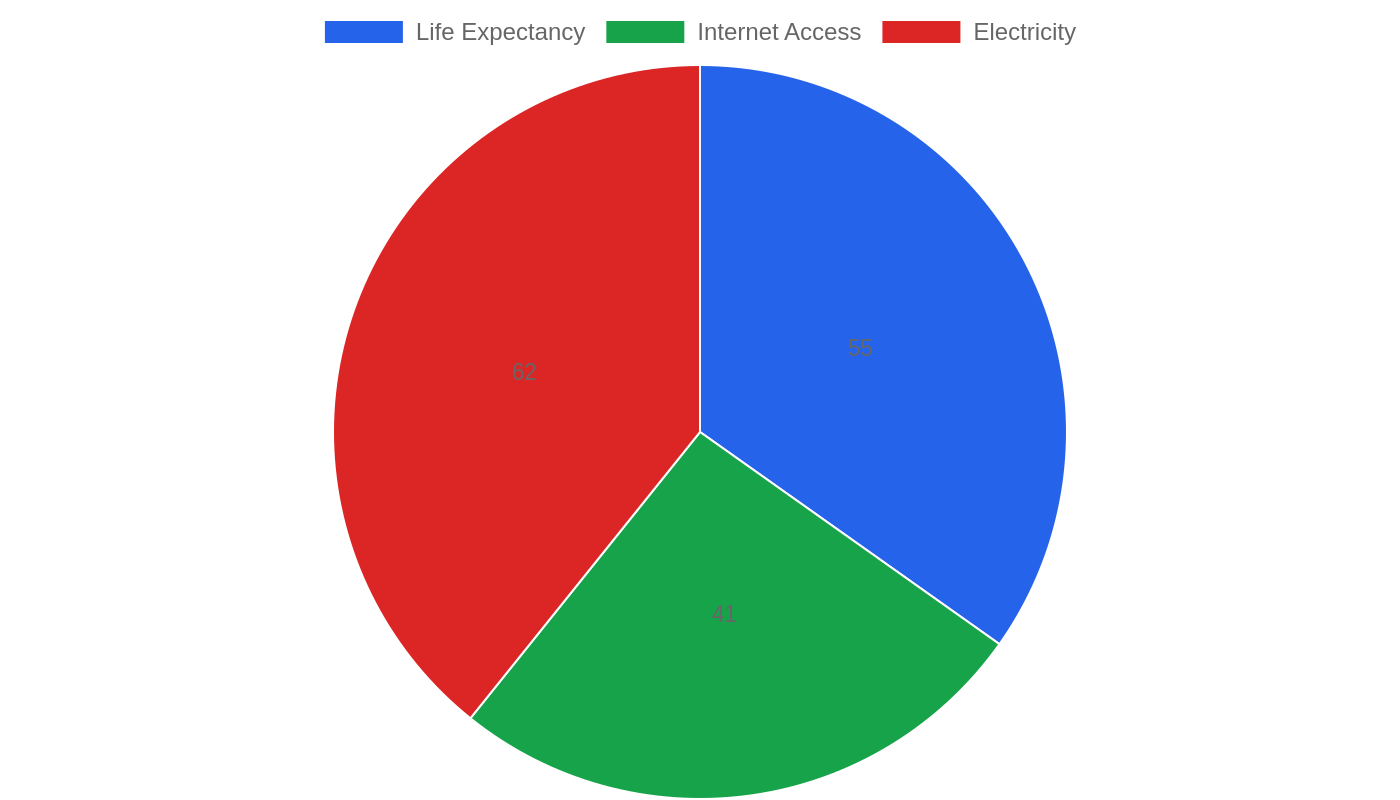
- Data Limitations: Current macroeconomic indicators, including GDP growth, inflation, and unemployment rates, are not currently available in the provided dataset, necessitating a qualitative overview of the economic landscape.
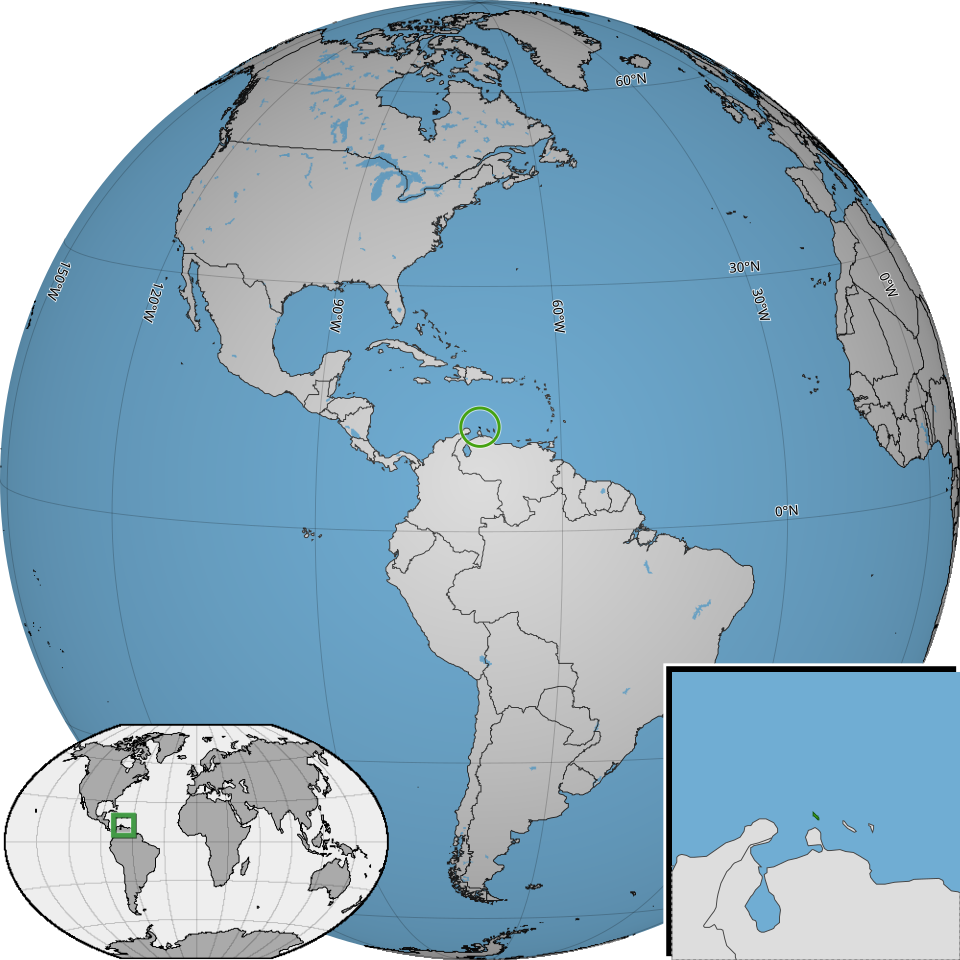
- Strategic Positioning: As part of the Dutch Caribbean, Aruba shares a unique political and economic identity with Curaçao and Sint Maarten, creating a regional bloc with distinct advantages.
The Economics of Autonomy: A Macro View
The economic architecture of Aruba is defined not just by its markets, but by its unique status within the Kingdom of the Netherlands.
As a constituent country, Aruba possesses the authority to manage its internal affairs independently, a status that allows for tailored economic policies suited to its specific needs.
While the World Bank data provided for this analysis does not list specific figures for GDP growth, inflation, or unemployment, the structural framework suggests an economy designed for stability rather than rapid, volatile expansion.
The absence of specific numerical indicators in the current dataset highlights the importance of understanding the qualitative drivers of the economy, such as its integration with the broader Kingdom.
This autonomy means that while Aruba shares a sovereign identity with the Netherlands, its domestic economic levers are pulled locally, allowing for a degree of flexibility that is rare in small island states.
The relationship with the Netherlands, particularly regarding foreign affairs and defense, provides a layer of security that can influence investor confidence, even when detailed macroeconomic statistics are temporarily unavailable.
Understanding this structural foundation is crucial, as it explains why Aruba’s economic narrative is often one of steady, managed growth rather than the boom-and-bust cycles seen elsewhere in the region.
Cost of Living: The High Price of Paradise
In a destination as renowned for its tourism and quality of life as Aruba, the cost of living is a critical factor for both residents and visitors.
While specific housing costs, rent-to-buy ratios, and daily expense breakdowns are not detailed in the provided data, the nature of the island as a high-end tourism hub implies a premium on essential services and real estate.
For locals, the balance between earning potential and the cost of goods imported from the mainland or neighboring islands remains a constant economic consideration.
The lack of specific inflation data in this report makes it difficult to quantify the current pressure on household budgets, but the general economic context of a small island economy suggests that import costs play a significant role in the price of daily necessities.
Readers should approach any assumptions about affordability with caution, as the specific figures required to make a precise comparison to regional averages are not present in the current dataset.
Nevertheless, the island’s reputation for safety and quality of life often justifies the higher cost structure for those who choose to reside there long-term.
Business Climate and Investment Landscape
The business environment in Aruba is shaped by its position as a key player in the Caribbean tourism and financial services sectors.
Although the provided data does not list specific top companies or detailed industry breakdowns, the political stability and clear governance structure create a predictable environment for business operations.
The eight-member Cabinet and the 21-member Staten provide a clear decision-making pathway, which is essential for attracting and retaining investment.
Without specific data on major corporate entities, it is important to recognize that the local business landscape is likely dominated by sectors that leverage the island’s geographic and political advantages, such as hospitality and specialized services.
The autonomy from the Netherlands allows for local regulatory frameworks that can be adapted to specific industry needs, potentially offering incentives that are not available in other parts of the Kingdom.
For investors, the key takeaway is the stability of the political system, which serves as the bedrock for any long-term business strategy in the region.
Safety, Politics, and Quality of Life
Aruba’s political landscape is characterized by a well-defined democratic process that contributes significantly to its overall stability.
The Staten, comprising 21 members elected by direct popular vote for four-year terms, ensures that the local population has a direct voice in their governance.
This democratic structure is overseen by a Governor appointed for a six-year term by the monarch, who represents the Crown and ensures that the interests of the Kingdom are aligned with local autonomy.
While specific crime and safety indices are not provided in the current data, the political framework suggests a society that prioritizes order and lawful governance.
The relationship between the local government and the Kingdom of the Netherlands, with the latter handling foreign affairs and defense, provides a security umbrella that enhances the quality of life for residents.
This stable political environment is a major draw for both residents and tourists, contributing to the island’s reputation as a safe and welcoming destination.
Current Affairs: Navigating the Current Landscape
The most pressing aspect of Aruba’s current situation involves the ongoing dynamics of its autonomous governance within the Kingdom of the Netherlands.
As a constituent country, Aruba continues to navigate the complexities of maintaining its internal autonomy while aligning with the broader interests of the Dutch Caribbean.
The current political term, with its established 21-member Staten and eight-member Cabinet, is focused on implementing policies that support local development and economic resilience.
Without recent news updates or live indicators in the provided data, the focus remains on the structural stability of the government and its ability to manage internal affairs effectively.
The appointment of the Governor for a six-year term ensures continuity in the representation of the monarch, which is vital for maintaining the constitutional balance.
Current affairs in Aruba are thus defined less by sudden shocks and more by the steady, methodical process of governing a small but significant nation within a larger kingdom.
This steady approach allows for long-term planning and sustainable development, key elements for any nation looking to maintain its prosperity.
The Bottom Line
Aruba presents a case study in how small nations can leverage constitutional autonomy to maintain stability and quality of life.
For investors and observers, the key is to look beyond the missing macroeconomic data and focus on the robust political framework that underpins the economy.
The clear division of powers between the local Staten and the Crown’s representative provides a predictable environment that is highly attractive for long-term engagement.
While specific financial metrics are currently unavailable, the structural strength of Aruba’s governance makes it a compelling entity to watch in the Caribbean region.
Those who understand the nuances of its political status will be best positioned to navigate its economic opportunities.
Sources & Methodology
This article is authored by Economic Pulse Net for informational and research purposes.
Economic Pulse Net sources its data from multilateral institutions, national statistics bureaus, and proprietary databases.
All data is believed to be current as of the date of publication. Published: September 06, 2026 |
Category: Research — Aruba
Use these signals in your own platform
Economic Pulse publishes its live signal feed through a documented, read-only API. Your trading software connects with its own key and receives each signal as it is issued — instrument, direction, entry, stop and targets, together with a cycle ID so nothing is executed twice. The feed is independent of this website and cannot change it.
Signals are informational only and are not financial advice.