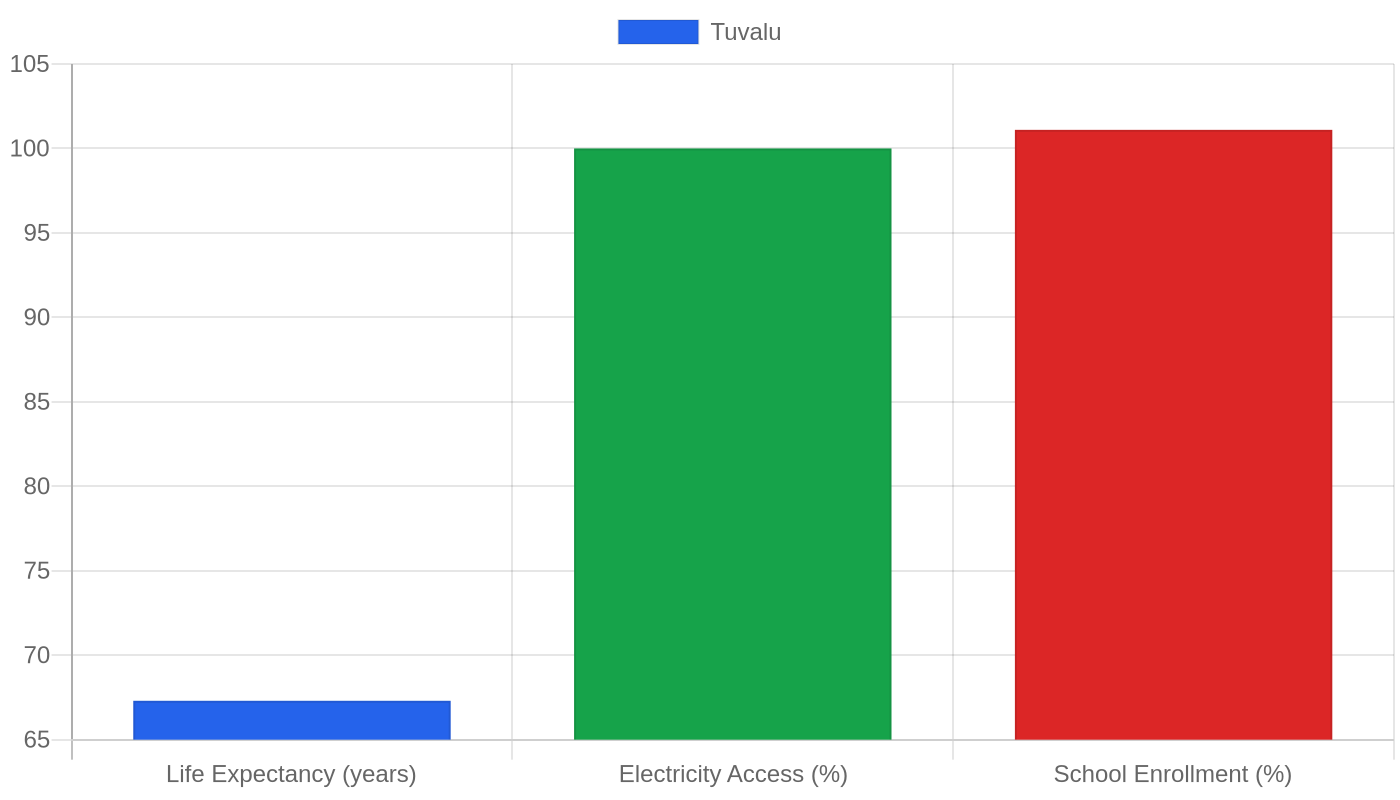
Economic Pulse Net | Sources: World Bank World Development Indicators, Government Sources | 2026
Key Takeaways
– Tuvalu has undergone a historic constitutional transformation, with the Constitution of Tuvalu Act 2023 taking effect on 1 October 2023, reshaping the nation’s legal and political foundations.
– The country’s constitution explicitly establishes itself as the “supreme law of Tuvalu,” with all other laws subject to its interpretation and application.
– Tuvalu’s Bill of Rights and Fundamental Rights and Freedoms protections are enshrined in this new constitutional framework, signaling a commitment to governance reform.
– As one of the world’s most climate-vulnerable nations, Tuvalu’s economic and political decisions are inextricably linked to environmental resilience and international partnerships.
– The nation’s economic trajectory remains closely tied to its unique geographic position and the challenges and opportunities that come with being a small Pacific island state.
The Economic Landscape — A Nation Beyond GDP
When the World Bank’s standard economic indicators return no data for Tuvalu, it is not an oversight — it is a reflection of the country’s unique position in the global economy. Tuvalu operates on a scale that defies conventional economic measurement, with traditional metrics like GDP growth, inflation, and unemployment proving inadequate to capture the reality of a nation whose economy is built on subsistence agriculture, fishing, and external partnerships.
The absence of data points does not mean the absence of economic activity; rather, it signals a system that operates differently from the industrialised economies that dominate global financial reporting.
The nation’s economic foundations rest on its territorial waters, which provide the primary source of livelihood and revenue through fishing licenses, alongside remittances from Tuvaluans working abroad and international development assistance. The country’s small population and limited land area create natural constraints on domestic production, making external relationships and regional cooperation essential components of economic stability.
The constitutional reforms of 2023 signal a government focused on strengthening institutional frameworks, which historically has been a prerequisite for attracting sustainable investment and development partnerships.
The economic reality for Tuvalu is one of careful management of scarce resources and strategic engagement with international partners. The country’s economic resilience is tested by its vulnerability to climate-related disruptions, which can impact agriculture, infrastructure, and the very habitability of the islands.
Yet, the nation’s commitment to constitutional governance and the protection of fundamental rights suggests a forward-looking approach to building the institutional stability that underpins long-term economic development.
The Cost of Living — Balancing Tradition and Modernity
In Tuvalu, the cost of living reflects the broader realities of island economics, where geographic isolation and limited domestic production capacity drive prices for imported goods and services. The country’s small market size means that economies of scale are difficult to achieve, and residents face higher costs for basic necessities compared to larger, more connected nations.
The economic structure is characterised by a mix of traditional subsistence activities and a cash economy, with households often relying on fishing and small-scale agriculture to supplement purchased goods.
Housing in Tuvalu presents unique challenges, with limited land availability and the constant threat of climate impacts shaping settlement patterns and property values. The rental market is constrained by the sheer scarcity of land, and homeownership typically involves customary land tenure systems that operate outside formal property markets.
For residents, the balance between maintaining traditional lifestyles and engaging with the cash economy is a daily negotiation, with the cost of imported food, fuel, and manufactured goods representing a significant portion of household expenditure.
The economic pressures of island living are mitigated by strong community networks and the resilience of traditional support systems. While formal economic data on cost of living is not available, the lived experience of Tuvaluans is shaped by a resourcefulness born of necessity, with families often combining multiple income sources and subsistence activities to maintain their quality of life.
The constitutional emphasis on fundamental rights and freedoms includes the right to an adequate standard of living, reflecting a governance approach that recognises the importance of social welfare in the nation’s development priorities.
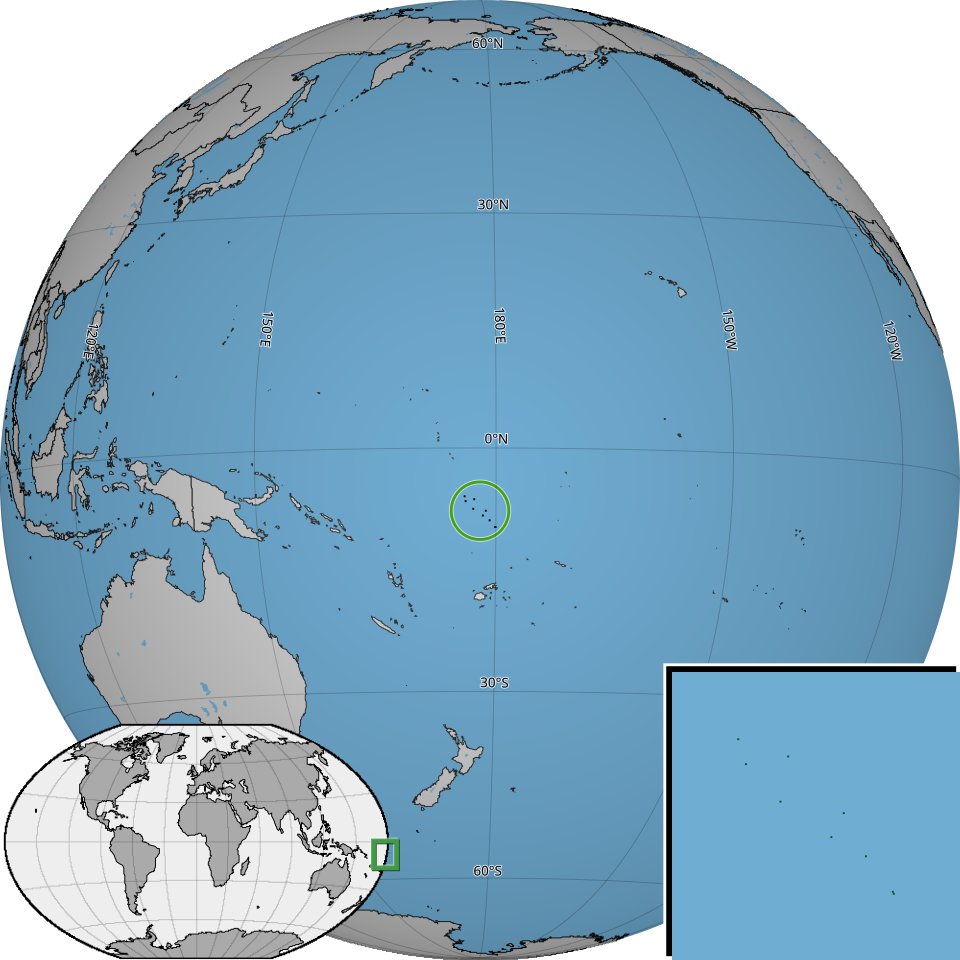
Investment and Business Climate — Opportunities in a Changing Pacific
Tuvalu’s business environment is defined by its scale and its strategic position in the Pacific region. The country’s economic activities are concentrated in areas such as fishing, telecommunications, and public administration, with the private sector operating within the constraints of a small domestic market. For investors, the appeal of Tuvalu lies not in its domestic market size but in its exclusive economic zone, which represents a significant asset in the context of global fisheries management.
The constitutional reforms of 2023, which reaffirmed the rule of law and the protection of fundamental rights, send a strong signal to potential investors about the stability and predictability of Tuvalu’s governance framework. The country’s legal system, grounded in constitutional supremacy, provides a foundation for commercial activities and dispute resolution that is essential for business confidence.
The government’s focus on institutional development is likely aimed at creating an environment conducive to sustainable investment in key sectors.
The fishing industry remains the cornerstone of Tuvalu’s commercial activity, with international fishing agreements providing substantial revenue. Beyond fisheries, there is potential in areas such as digital services, given the country’s interest in maintaining its sovereignty through technological innovation — including plans for digital nationhood that have captured international attention.
The business climate is one of cautious openness, with the government seeking partnerships that align with national priorities and the long-term sustainability of the islands.
Safety, Politics and Quality of Life — The New Constitutional Era
The political landscape of Tuvalu has been fundamentally reshaped by the passage of the Constitution of Tuvalu Act 2023, which came into effect on 1 October 2023. This landmark legislation affirms the constitution as “the supreme law of Tuvalu,” establishing a clear hierarchy in which all other laws must be interpreted and applied subject to its provisions.
The constitutional framework sets out the Principles of the Bill of Rights and the Protection of the Fundamental Rights and Freedoms, providing citizens with codified protections that shape the relationship between the state and the individual.
For a small nation facing existential challenges, the commitment to constitutional governance represents a powerful statement of national identity and resilience. The political system operates within a parliamentary framework, and the recent constitutional changes demonstrate a deliberate effort to modernise governance structures while preserving cultural traditions.
The emphasis on fundamental rights suggests a government attuned to the importance of civil liberties and social protections as components of national development.
Quality of life in Tuvalu is measured not only by economic indicators but by the strength of community bonds, the preservation of cultural heritage, and the natural beauty of the islands. The nation’s approach to safety and social cohesion is rooted in traditional values and the close-knit nature of island communities.
While comprehensive crime and safety indices are not available, the social fabric of Tuvalu is characterised by strong communal ties and a shared sense of purpose in addressing the challenges facing the nation.
Current Affairs — Writing a New Chapter
The constitutional transformation that took effect in October 2023 represents the most significant political development in Tuvalu’s recent history, marking a deliberate step toward strengthening the nation’s legal and governance frameworks. This reform agenda signals a government focused on institutional resilience, particularly important for a country whose long-term viability depends on effective governance and international engagement.
The new constitution’s explicit assertion of supremacy establishes a clear legal foundation for all future legislation and policy decisions.
The timing of these constitutional changes is significant, coming at a moment when Tuvalu is navigating complex international relationships and seeking to secure its future in the face of climate-related challenges. The government’s focus on fundamental rights and freedoms suggests an approach that prioritises the welfare of citizens as the nation charts its course through uncertain waters.
The reforms also demonstrate Tuvalu’s commitment to participating in the global community on its own terms, with a robust legal framework that supports its sovereignty claims and international negotiations.
As the nation moves forward, the interplay between constitutional governance, economic development, and environmental resilience will define Tuvalu’s trajectory. The government’s actions suggest a recognition that strong institutions are the foundation for attracting the partnerships and investments needed to secure the nation’s future.
The constitutional reforms of 2023 are not merely a legal exercise — they are a declaration of intent, a statement that Tuvalu intends to meet the challenges ahead with a clear vision and a firm legal footing.
The Bottom Line
Tuvalu is a nation that refuses to be defined solely by its vulnerabilities, and the 2023 constitutional reforms demonstrate a determination to shape its own destiny through strong governance and the protection of fundamental rights. For observers of Pacific affairs, international law, and climate resilience, Tuvalu offers a compelling case study in how small nations can assert their sovereignty and build institutional strength.
The country’s emphasis on constitutional supremacy and human rights protections signals a mature approach to governance that warrants attention from those interested in the future of the Pacific region. As Tuvalu continues to navigate the complex interplay of environmental challenges and development aspirations, its constitutional journey will remain a defining narrative of national resilience.
Sources & Methodology
This article is authored by Economic Pulse Net for informational and research purposes. Economic Pulse Net sources its data from multilateral institutions, national statistics bureaus, and proprietary databases. All data is believed to be current as of the date of publication.
Published: August 04, 2026 | Category: Research — Tuvalu
Use these signals in your own platform
Economic Pulse publishes its live signal feed through a documented, read-only API. Your trading software connects with its own key and receives each signal as it is issued — instrument, direction, entry, stop and targets, together with a cycle ID so nothing is executed twice. The feed is independent of this website and cannot change it.
Signals are informational only and are not financial advice.