Economic Pulse Net | Sources: World Bank World Development Indicators, Government Sources | 2026
Key Takeaways
– Tonga remains the Pacific’s only indigenous constitutional monarchy, where reverence for the monarch is woven into the fabric of national identity and cultural etiquette.
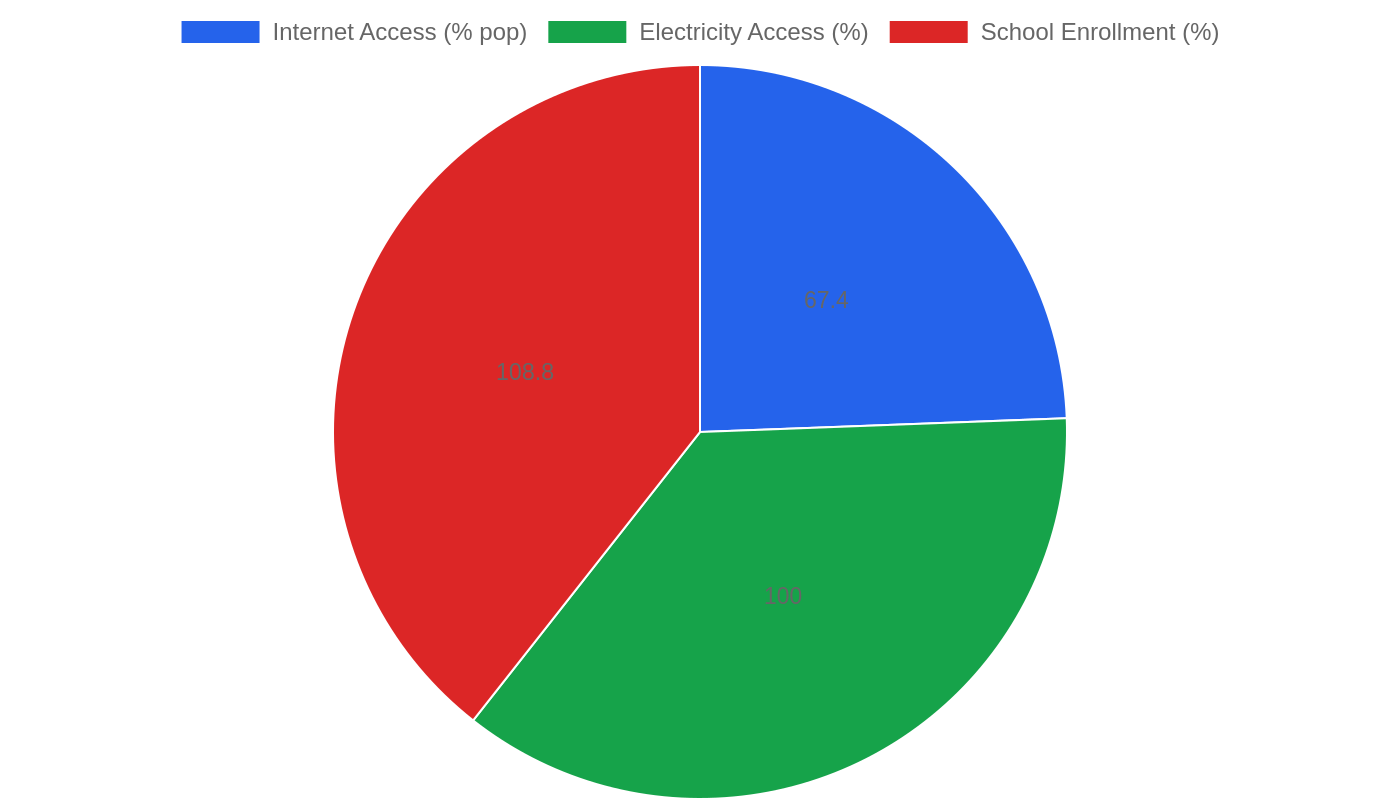
– The kingdom provides free and mandatory primary education, with nominal fees for secondary schooling and foreign-funded scholarships for postsecondary education—a significant investment in human capital.
– Despite its rich cultural heritage and strategic Pacific location, comprehensive economic data from the World Bank remains unavailable, making it difficult to assess GDP growth, inflation, or employment trends with precision.
– Political life is shaped by a unique tension: the monarchy commands deep respect, and criticism of the monarch is considered contrary to Tongan culture, yet the country operates under a constitutional framework.
– For investors and observers, Tonga represents a nation where traditional governance structures intersect with modern economic challenges, offering both stability and uncertainty.
The Kingdom’s Economic Paradox — Growth Without Numbers
Tonga’s economy operates in a curious informational vacuum. The World Bank, the most authoritative source for cross-country economic comparison, provides no data on GDP growth, inflation rates, unemployment figures, or GDP per capita (PPP) for the kingdom. This absence of basic macroeconomic indicators is itself a telling story.
For a nation that has long prided itself on never being formally colonized—a point of deep national pride—the lack of transparent, regularly updated economic data suggests either limited statistical capacity or a deliberate distance from the metrics-driven global economic order.
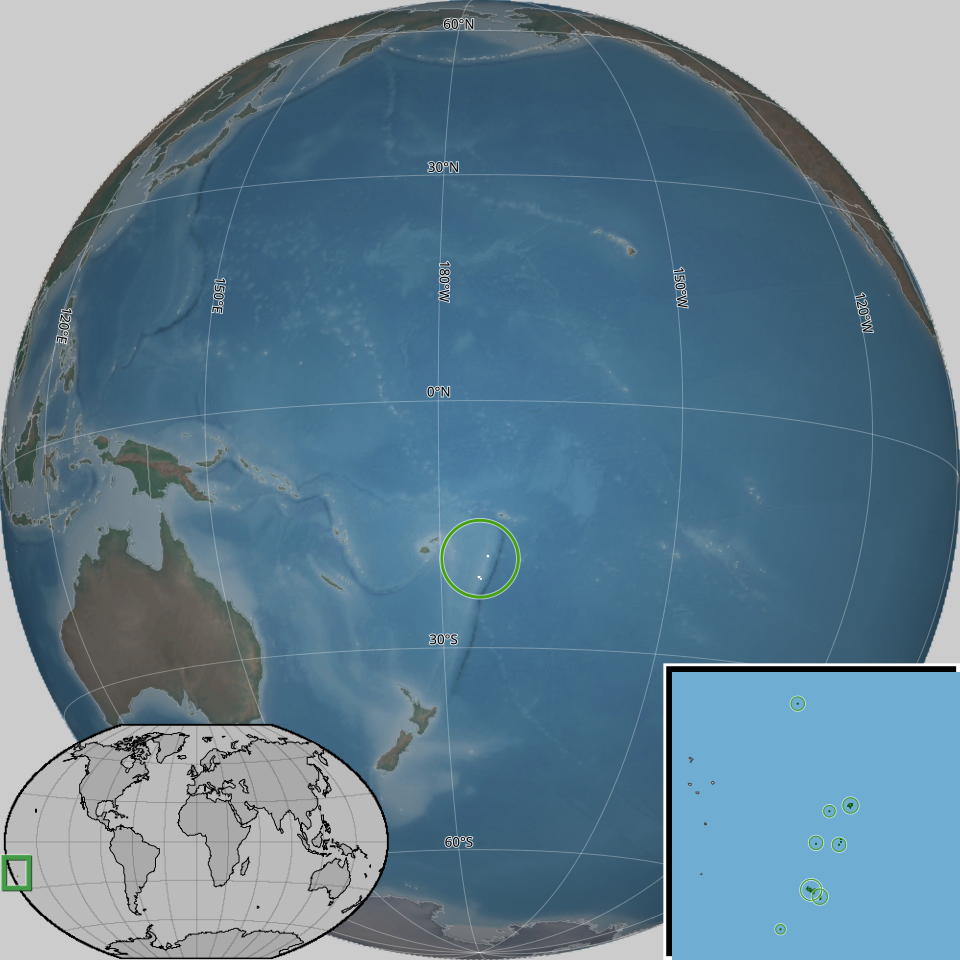
What we do know is that Tonga’s economy is small, island-based, and heavily reliant on remittances from its substantial diaspora, particularly in New Zealand, Australia, and the United States. Agriculture, fishing, and tourism form the backbone of domestic production. The country’s isolation in the South Pacific, while protecting its cultural distinctiveness, also imposes high transportation costs and limits economies of scale.
Without official inflation data from the World Bank, it is impossible to say whether the kingdom is experiencing the same price pressures that have roiled larger Pacific economies. What can be inferred is that Tonga, like all small island developing states, is acutely vulnerable to external shocks—cyclones, global commodity price swings, and shifts in tourism demand.
The absence of data should not be mistaken for the absence of economic reality; it simply means the picture remains frustratingly incomplete for analysts and policymakers alike.
Housing and Daily Life — The Cost of Island Living
Housing costs in Tonga reflect the fundamental tension between limited land availability and a growing population. The kingdom’s land tenure system, deeply rooted in tradition, means that much of the land is held under customary ownership, limiting the formal real estate market. For Tongan families, the dream of homeownership often involves navigating complex family and chiefly claims rather than a straightforward mortgage process.
Rental properties in the capital, Nuku’alofa, command prices that can surprise outsiders, given the country’s modest GDP profile. Daily expenses for staples such as imported rice, canned goods, and fuel are elevated by the logistics of Pacific shipping. Compared to other Pacific island nations, Tonga’s cost of living is likely comparable to neighbors like Samoa or Fiji, though without precise World Bank data on GNI per capita, it is difficult to benchmark definitively.
The reality for most Tongans is a hybrid economy: cash income from jobs or remittances is supplemented by subsistence agriculture and fishing, which cushions families against the full weight of imported inflation.
Investment and Business Climate — Navigating the Monarchy’s Shadow
For the business community, Tonga presents a landscape shaped by its political structure. The constitutional monarchy provides a degree of political stability uncommon in the developing world, but the deep cultural reverence for the monarch—where criticism is held to be contrary to Tongan etiquette—creates an environment where public dissent and corporate lobbying must be conducted with care.
Major companies operating in Tonga tend to be in utilities, telecommunications, banking, and retail, often with connections to New Zealand or Australian parent firms. The tourism sector holds genuine potential, with Tonga’s pristine beaches, whale-watching opportunities, and unique cultural heritage attracting a niche but loyal visitor base. However, the absence of comprehensive economic data from sources like the World Bank makes it difficult for foreign investors to conduct standard due diligence.
Sectors to watch include renewable energy—where Tonga has made strides in solar power—and aquaculture, which leverages the kingdom’s vast exclusive economic zone. The business climate rewards patience, local relationships, and a deep understanding of the intersection between chiefly authority and modern commerce.
Safety, Politics, and Quality of Life — Tradition as a Double-Edged Sword
Tonga’s political landscape is a study in continuity. As the only extant indigenous monarchy in the Pacific islands, the kingdom has maintained a governance structure that traces its lineage back to the sacred paramount chief, the Tuʻi Tonga. This reverence is not merely ceremonial; it shapes daily life, social hierarchy, and the boundaries of acceptable public discourse.
The Crime Index and Safety Index data from the World Bank are unavailable, but anecdotal evidence from travelers and regional reports suggests that violent crime is relatively low compared to urban centers in other parts of the world. Petty theft can occur, particularly in areas frequented by tourists.
The quality of life in Tonga is defined less by material wealth—which is modest—and more by social cohesion, family networks, and the cultural richness of a society that has maintained its traditions through centuries of external contact. The education system, with its free and mandatory primary schooling and foreign-funded scholarships for postsecondary education, represents a genuine investment in future generations.
Yet the political reality is that open criticism of the monarch remains taboo, which can stifle the kind of robust public debate that drives democratic accountability. For residents, this is a trade-off: stability and cultural continuity in exchange for certain freedoms of expression that Western democracies take for granted.
Current Affairs — The Kingdom at a Crossroads
Right now, Tonga is navigating the aftermath of natural disasters and the slow return of international tourism, which was devastated by the COVID-19 pandemic. The January 2022 volcanic eruption and subsequent tsunami caused widespread damage, particularly to the outer islands, and the recovery has been a multi-year process requiring significant foreign aid and remittance inflows.
The government has been working to rebuild critical infrastructure, including roads, ports, and telecommunications, while also addressing the long-term threat of climate change, which poses an existential risk to low-lying island communities. On the political front, there have been ongoing discussions about the pace of democratic reform within the constitutional monarchy framework.
Some civil society groups and pro-democracy advocates continue to push for greater parliamentary accountability and a reduction in the monarch’s executive powers, though these conversations must be conducted within the bounds of cultural respect. The foreign-funded scholarship program for postsecondary education remains a vital lifeline, sending young Tongans abroad for training and, ideally, bringing skills back to the kingdom.
For now, Tonga’s trajectory is one of cautious modernization—embracing the tools of the global economy while fiercely protecting the traditions that define its unique identity.
The Bottom Line
Tonga is a country for patient observers who value cultural preservation as much as economic growth. For investors, the kingdom offers stability and untapped potential in tourism and renewable energy, but the lack of transparent economic data from institutions like the World Bank demands a higher tolerance for uncertainty.
For policymakers and development specialists, Tonga represents a test case of how a traditional monarchy can adapt to the pressures of climate change, globalization, and democratic expectations without losing its soul. Watch this nation not for rapid returns, but for the quiet, generational story of a people determined to chart their own course in the Pacific.
Sources & Methodology
This article is authored by Economic Pulse Net for informational and research purposes. Economic Pulse Net sources its data from multilateral institutions, national statistics bureaus, and proprietary databases. All data is believed to be current as of the date of publication.
Published: July 22, 2026 | Category: Research — Tonga
Use these signals in your own platform
Economic Pulse publishes its live signal feed through a documented, read-only API. Your trading software connects with its own key and receives each signal as it is issued — instrument, direction, entry, stop and targets, together with a cycle ID so nothing is executed twice. The feed is independent of this website and cannot change it.
Signals are informational only and are not financial advice.