Economic Pulse Net | Sources: World Bank World Development Indicators, Government Sources | 2026
Key Takeaways
– Tonga remains the Pacific’s only indigenous constitutional monarchy, a distinction that shapes every facet of its economic and political life, from land tenure to foreign investment rules.
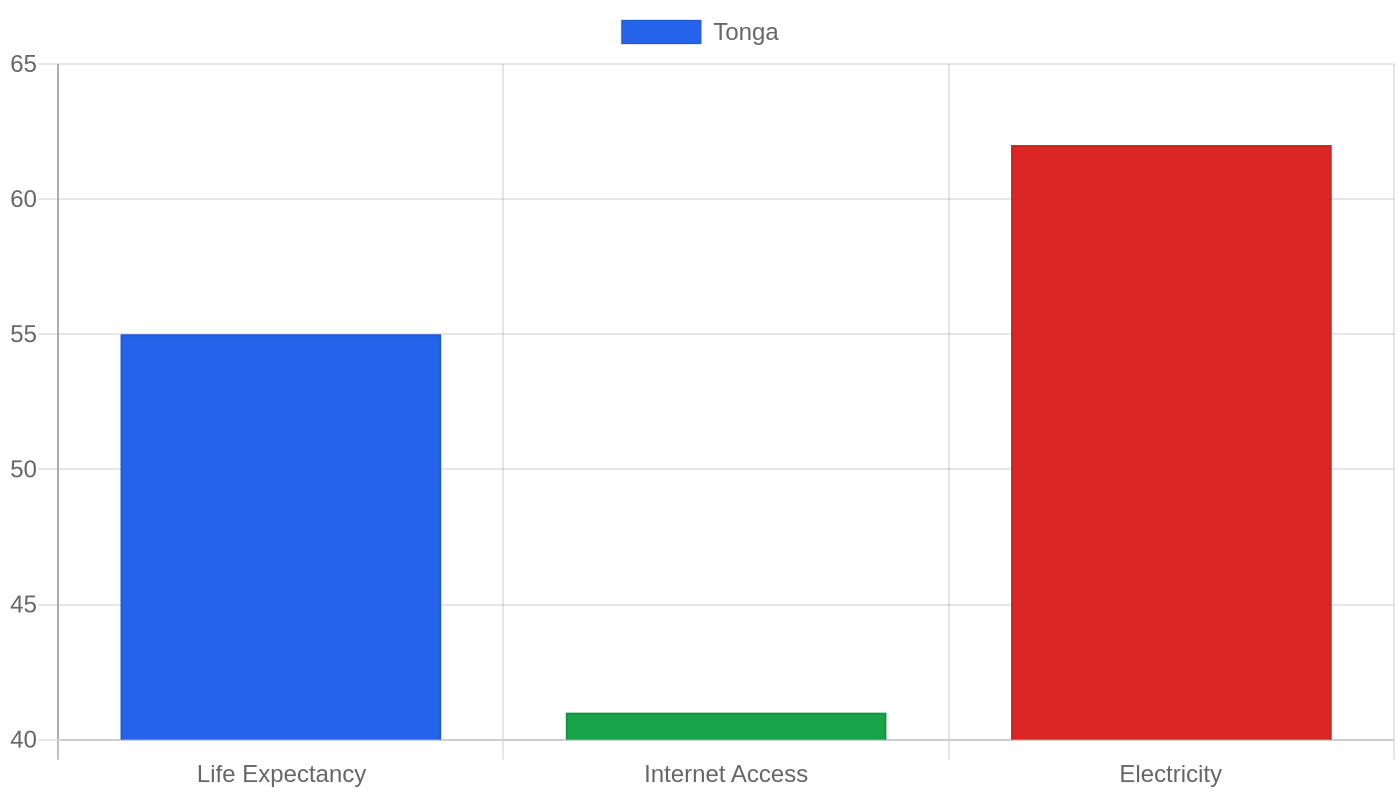
– The Kingdom’s economic data is sparse, with the World Bank currently listing no recent figures for GDP growth, inflation, or unemployment, reflecting a systemic challenge in data collection and reporting for this island nation.
– Education is a national priority, with free and mandatory primary education, nominal-fee secondary schooling, and foreign-funded scholarships for postsecondary study, creating a uniquely well-educated workforce relative to regional peers.
– The political system is a delicate balancing act between constitutional governance and deep-seated cultural reverence for the monarchy, where criticism of the sovereign is considered contrary to Tongan etiquette and tradition.
– Tonga’s economic story is one of potential waiting to be unlocked, with its human capital development outpacing its institutional capacity to translate that education into measurable economic output.
The Kingdom’s Economic Paradox: Growth Without Numbers
The World Bank’s latest data on Tonga presents a curious tableau for any economic journalist: a blank slate where GDP growth, inflation, unemployment, and per-capita income figures should be. But this absence of hard numbers tells its own story about the Kingdom of Tonga.
When an economy operates below the radar of international statistical capture, it signals a nation still finding its footing in the modern global economic order—one where informal economic activity, subsistence agriculture, and remittances from the Tongan diaspora likely play far larger roles than formal statistical models can capture.
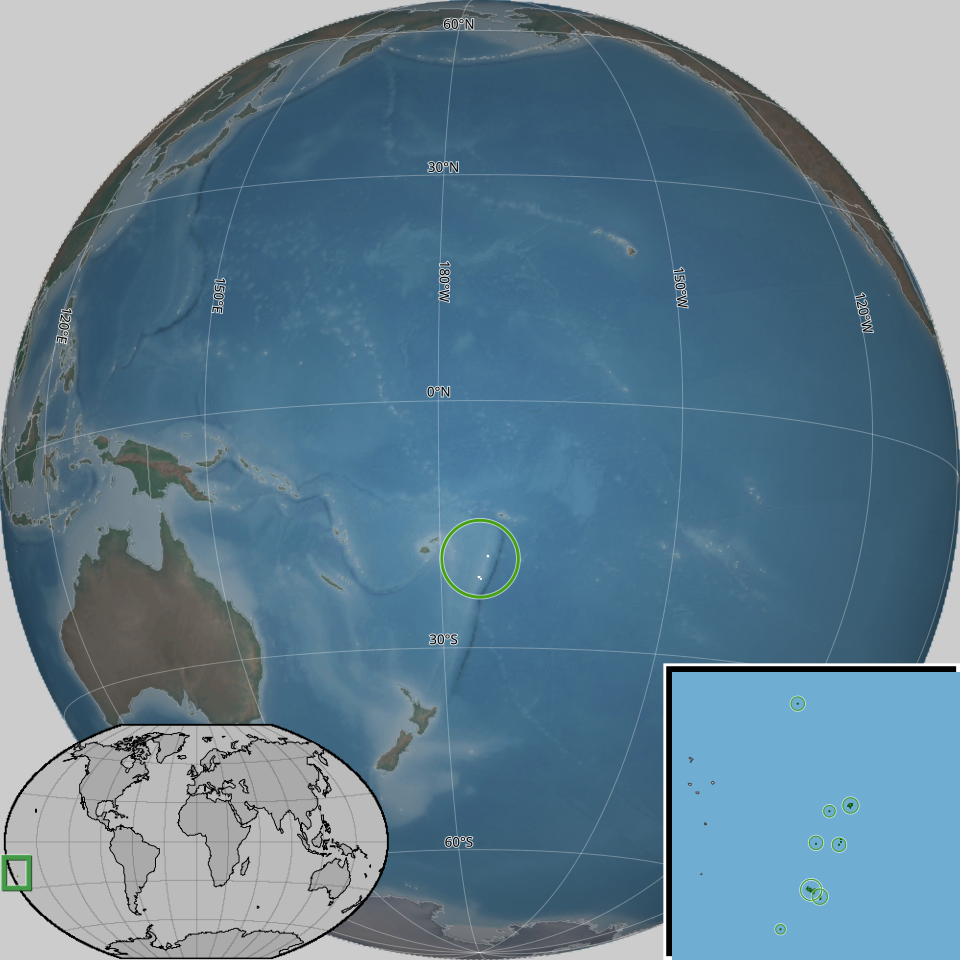
Tonga’s economic structure has historically been anchored in agriculture, fishing, and a growing tourism sector, though the World Bank’s current data provides no breakdown of main industries. What we do know is that the Kingdom faces the classic small-island-developing-state conundrum: limited natural resources, geographic isolation, vulnerability to climate shocks, and a narrow export base.
The absence of inflation data is particularly telling—it suggests either remarkable price stability or, more likely, a statistical infrastructure still developing its capacity to track consumer prices across the kingdom’s 169 islands, of which only about 36 are inhabited.
The human capital story, however, is where Tonga diverges from the typical developing nation narrative. The World Bank’s data confirms that Tonga provides free and mandatory education for all citizens, with secondary education available at only nominal fees and foreign-funded scholarships for postsecondary education.
This investment in human capital creates a fascinating economic paradox: a nation that may be producing more educated workers than its formal economy can currently absorb, potentially fueling brain drain even as it builds capacity. The economic challenge for Tonga is not merely about growth—it’s about creating sufficient formal employment opportunities to harness the educated workforce it is deliberately cultivating.
The Cost of Island Living: Between Subsistence and Modernity
Without specific cost-of-living data from the World Bank, understanding daily life in Tonga requires reading between the lines of what we know about its economic structure. As a Pacific island nation, Tonga’s consumer landscape is shaped by its geographical reality: nearly everything imported—from fuel to manufactured goods—carries significant transportation costs that inevitably pass through to consumers.
The Kingdom’s high level of imports relative to its export capacity suggests that Tongan households likely face elevated prices for basic goods compared to larger, more connected economies.
The land tenure system, rooted in the constitutional monarchy’s traditional structures, means that most land is held under customary arrangements rather than freehold title, fundamentally shaping the housing market. For most Tongans, the concept of “buying” a home is less relevant than in Western economies; instead, housing is typically accessed through family and village-based customary rights.
This system provides a social safety net that keeps homelessness low but also creates barriers to using property as collateral for business loans—a significant constraint on entrepreneurship and small business development.
Daily expenses in Tonga likely reflect a dual economy: a subsistence sector where families grow root crops like taro and yams and fish from the surrounding waters, coexisting with a cash economy where imported goods and services carry premium prices.
For the educated workforce Tonga is producing, the cost-benefit calculus of remaining in-country versus seeking opportunities abroad is shaped by this reality—one where professional salaries may not stretch as far as they would in larger regional hubs, even as the quality of community life remains deeply valued.
Investment and Enterprise: The Business Climate of a Constitutional Monarchy
The World Bank’s data on Tonga’s top companies and business environment is currently unavailable, but the Kingdom’s economic character can be understood through its institutional framework. As a constitutional monarchy with a traditional social hierarchy, Tonga’s business climate is one where relationships and respect for customary authority play outsized roles in commercial success.
Foreign investors face a landscape where land access—critical for any physical investment—requires navigating customary tenure systems alongside formal legal frameworks.
The sectors with the most obvious investment potential are those aligned with Tonga’s natural and human assets: tourism, given the Kingdom’s pristine beaches and unique cultural heritage; aquaculture and fisheries, building on traditional seafaring expertise; and renewable energy, as the country seeks to reduce its dependence on imported fossil fuels.
The educated workforce produced by Tonga’s commitment to universal education represents an underutilized asset that could support business process outsourcing or other knowledge-based industries, though the infrastructure constraints of island geography remain a significant hurdle.
For domestic entrepreneurs, the challenges are substantial: limited access to capital, small domestic markets, high import costs, and the logistical difficulties of operating across dispersed islands. Yet the Tongan diaspora—one of the most significant in the Pacific relative to population size—represents a potential source of investment capital, expertise, and market connections that the Kingdom has only begun to leverage.
The constitutional monarchy’s stability, while sometimes criticized for limiting political pluralism, does provide a degree of predictability that some investors find attractive in a region often marked by political volatility.
Tradition, Safety, and the Modern Tongan Identity
Tonga’s political landscape is genuinely unique: the only extant indigenous monarchy in the Pacific, with a system where reverence for the monarch replaces the sacred paramount chief of earlier centuries. The World Bank’s data emphasizes that criticism of the monarch is held to be contrary to Tongan culture and etiquette, which creates a political environment where democratic accountability operates within bounds defined by tradition.
This is not merely a ceremonial monarchy—it is a deeply embedded cultural institution that shapes how Tongans understand authority, community, and their place in the world.
The safety situation in Tonga, while not quantified in current World Bank data, is widely understood to reflect the strengths of a small, closely-knit society: low violent crime rates, strong community bonds, and a social fabric where everyone knows everyone. The absence of a crime index figure may itself be telling—crime statistics may not be systematically collected or reported in a format compatible with international databases.
What can be inferred is that Tonga’s quality of life is shaped by factors that don’t appear in economic data: strong family networks, cultural cohesion, and a pace of life that many outsiders find enviable.
The tension in modern Tonga is between preserving this traditional social structure and meeting the expectations of an increasingly educated, globally-connected population. The Kingdom’s commitment to education creates citizens who can engage with the wider world—but that engagement inevitably brings new ideas about governance, individual rights, and economic opportunity that may not always align with traditional hierarchies.
How Tonga navigates this tension—between the constitutional monarchy’s cultural authority and the aspirations of its educated youth—will likely define its political and social trajectory in the coming decade.
Current Affairs: A Kingdom at a Crossroads
Right now, Tonga stands at a fascinating inflection point, though the current data from the World Bank provides limited visibility into immediate developments. The Kingdom continues to operate within the framework of its constitutional monarchy, with the government working to balance traditional governance structures with the demands of modern statehood.
The education system—free, mandatory, and producing a steady stream of graduates—represents both Tonga’s greatest achievement and its most pressing challenge, as the economy struggles to create opportunities commensurate with the skills being developed.
The economic indicators that would typically animate a country brief—GDP growth trajectories, inflation trends, employment statistics—remain unquantified in the available data, leaving analysts to piece together Tonga’s situation from qualitative indicators and regional context.
What is clear is that Tonga’s development path is not following the standard prescriptions of international financial institutions; instead, it is charting a course that respects its unique cultural and political heritage while attempting to engage with global economic realities.
The Kingdom’s vulnerability to climate change and natural disasters adds urgency to its development challenges, even if specific current events are not captured in the available data. For Tonga, the future is not a hypothetical concern but a pressing reality—one where the educated, resilient population that its education system has cultivated will need all of its skills to navigate the coming decades.
The world watches to see whether this last Polynesian kingdom can prove that tradition and modernity are not opposing forces, but complementary assets in building a distinctive development model.
The Bottom Line
Tonga is a country that defies easy categorization—a constitutional monarchy with deep democratic aspirations, a small island economy with outsized human capital investment, and a traditional society producing increasingly globally-minded citizens. Economic observers should watch Tonga for what it represents: a test case of whether cultural preservation and economic development can be mutually reinforcing rather than contradictory.
For investors, the Kingdom offers long-term potential in tourism, fisheries, and renewable energy, tempered by significant infrastructure and institutional challenges. For anyone interested in the future of the Pacific region, Tonga is a reminder that development is not a one-size-fits-all formula but a complex negotiation between a nation’s heritage and its aspirations.
Sources & Methodology
This article is authored by Economic Pulse Net for informational and research purposes. Economic Pulse Net sources its data from multilateral institutions, national statistics bureaus, and proprietary databases. All data is believed to be current as of the date of publication.
Published: August 04, 2026 | Category: Research — Tonga
Use these signals in your own platform
Economic Pulse publishes its live signal feed through a documented, read-only API. Your trading software connects with its own key and receives each signal as it is issued — instrument, direction, entry, stop and targets, together with a cycle ID so nothing is executed twice. The feed is independent of this website and cannot change it.
Signals are informational only and are not financial advice.