Economic Pulse Net | Sources: World Bank World Development Indicators, Government Sources | 2026
Key Takeaways
– A Constitutional Monarchy in a Changing World: Tonga remains the Pacific’s only indigenous monarchy, where reverence for the monarch is woven into the fabric of national identity and cultural etiquette.
– Education as the Great Equalizer: The kingdom provides free and mandatory education for all citizens, with foreign-funded scholarships opening doors to postsecondary opportunities.
– A Service-Based Economy: While detailed economic metrics are limited, Tonga’s economic foundation rests on its people, its diaspora, and its unique position as a Pacific island nation.
– Tradition Meets Governance: Criticism of the monarch is considered contrary to Tongan culture, creating a distinctive political landscape that balances ancient customs with modern statecraft.
– A Nation in Transition: Tonga’s story is one of a small island kingdom navigating the complexities of the 21st century while preserving its unique cultural heritage.
The Quiet Economy of the Kingdom
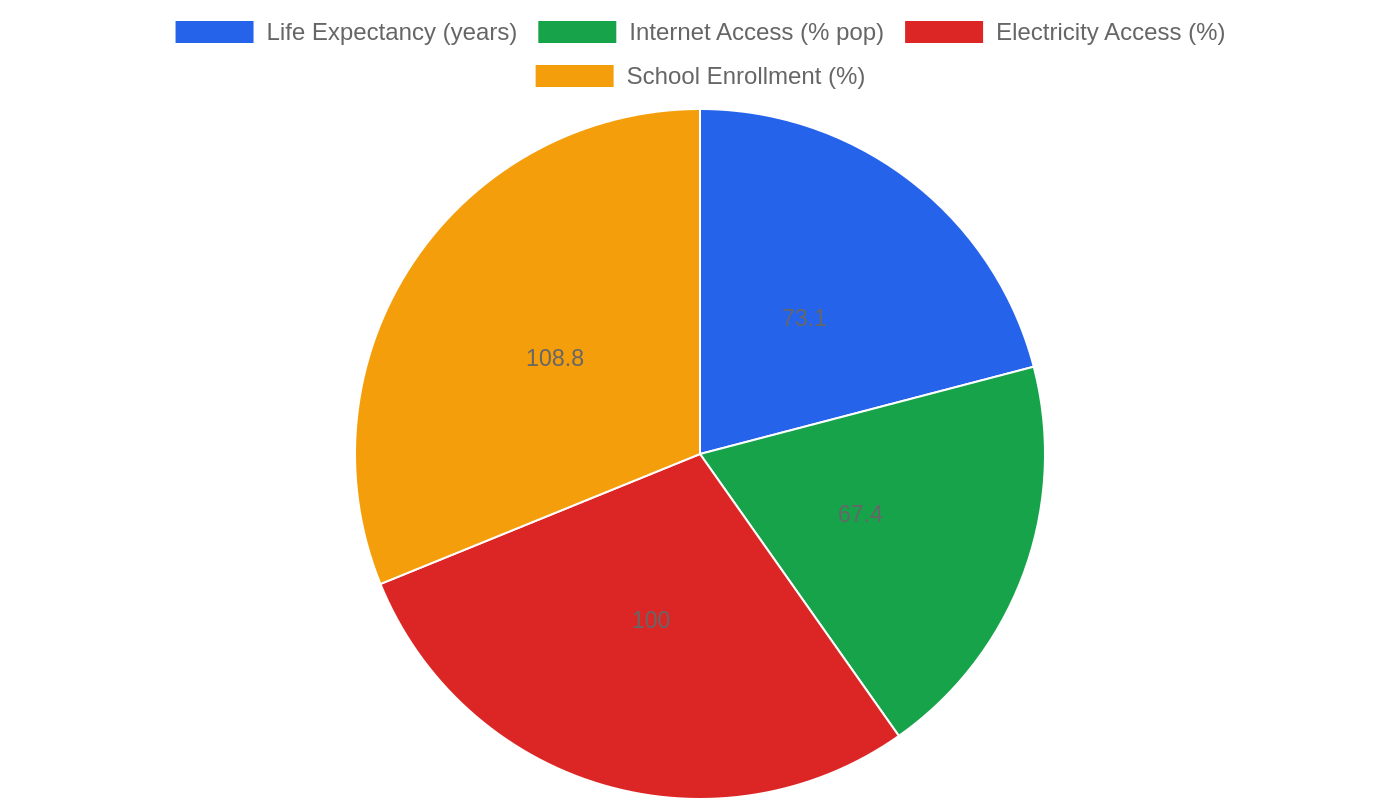
Tonga’s economy operates in a way that defies easy measurement. The World Bank’s latest data shows gaps in standard metrics like GDP growth, inflation, and unemployment — but this absence of numbers tells its own story. Tonga is not a nation that fits neatly into global economic models. It is a kingdom where subsistence agriculture, remittances from a vast diaspora, and a growing tourism sector intertwine in ways that standard economic indicators often fail to capture.
The absence of hard data from the World Bank should not be mistaken for economic inactivity. Tonga’s economy is built on resilience and community. The kingdom’s main industries, while not formally catalogued in the available data, are known to center around agriculture, fishing, and the service sector. These industries form the backbone of daily life, providing sustenance and employment for the population across its scattered islands.
What makes Tonga’s economic situation particularly noteworthy is the role of education. The kingdom provides free and mandatory education for all citizens, with secondary education available at only nominal fees. This commitment to education represents a significant investment in human capital — perhaps the most important economic asset any nation can possess.
Foreign-funded scholarships for postsecondary education further extend these opportunities, creating pathways for Tongans to gain advanced skills and knowledge that can be brought back to benefit the kingdom.
The economy of Tonga is also deeply connected to its people abroad. Like many Pacific nations, Tonga relies on remittances from citizens working overseas — a flow of funds that supports families, funds education, and fuels local enterprise. This diaspora connection is not merely an economic lifeline; it is a testament to the enduring bonds of family and community that define Tongan society.
The Cost of Island Living
For those considering Tonga, the cost of living presents a unique picture. While specific housing and expense data are not available in the current World Bank figures, the reality of island economics suggests a landscape shaped by geography and logistics. Tonga’s islands must import many goods, which naturally drives up prices for everything from fuel to manufactured products.
Daily expenses in such an environment tend to reflect the costs of transportation and the challenges of serving a scattered population across multiple islands.
Housing in Tonga follows traditional patterns, with many families living in homes that reflect both customary building practices and modern influences. The concept of renting versus buying takes on different meaning in a society where land tenure is deeply tied to traditional systems and family connections. Unlike the property markets of larger nations, Tonga’s housing situation is less about investment speculation and more about community and belonging.
What residents and visitors alike find is that the cost of living in Tonga is balanced by a quality of life that money cannot easily quantify. The kingdom offers a pace of life that is unhurried, a connection to nature that is immediate, and a community spirit that is increasingly rare in the modern world. For many, these intangibles more than compensate for the higher costs of imported goods and the limitations of island logistics.
Where Business Meets Tradition
The business environment in Tonga is shaped by its unique cultural context. As a constitutional monarchy, the kingdom provides political stability — a factor that investors and entrepreneurs often cite as essential for long-term planning. The reverence for the monarch and the cultural norms that surround the institution create a society where stability and order are valued, providing a predictable backdrop for economic activity.
While the available data does not list Tonga’s top companies, the kingdom’s business landscape is characterized by small and medium enterprises that serve local needs and, increasingly, cater to international visitors. The tourism sector holds particular promise, with Tonga’s pristine beaches, whale-watching opportunities, and rich cultural heritage offering attractions that few destinations can match.
The kingdom’s commitment to education also creates a literate, skilled workforce that can adapt to the demands of modern service industries.
For investors, Tonga offers something increasingly valuable: authenticity. In a world of homogenized travel experiences and globalized commerce, Tonga remains genuinely itself. Its business culture is built on relationships and trust, where deals are made on handshakes and reputations matter as much as balance sheets. This is not a market for those seeking quick returns, but for those willing to invest in the long term and build genuine partnerships, the opportunities are real.
The political landscape, with its constitutional monarchy, provides a framework of continuity. The kingdom has adapted its governance structures over time, incorporating democratic elements while maintaining the central role of the monarchy. This hybrid system offers a degree of predictability that is valuable for business planning, even as it continues to evolve.
Safety, Politics, and the Pulse of the Kingdom
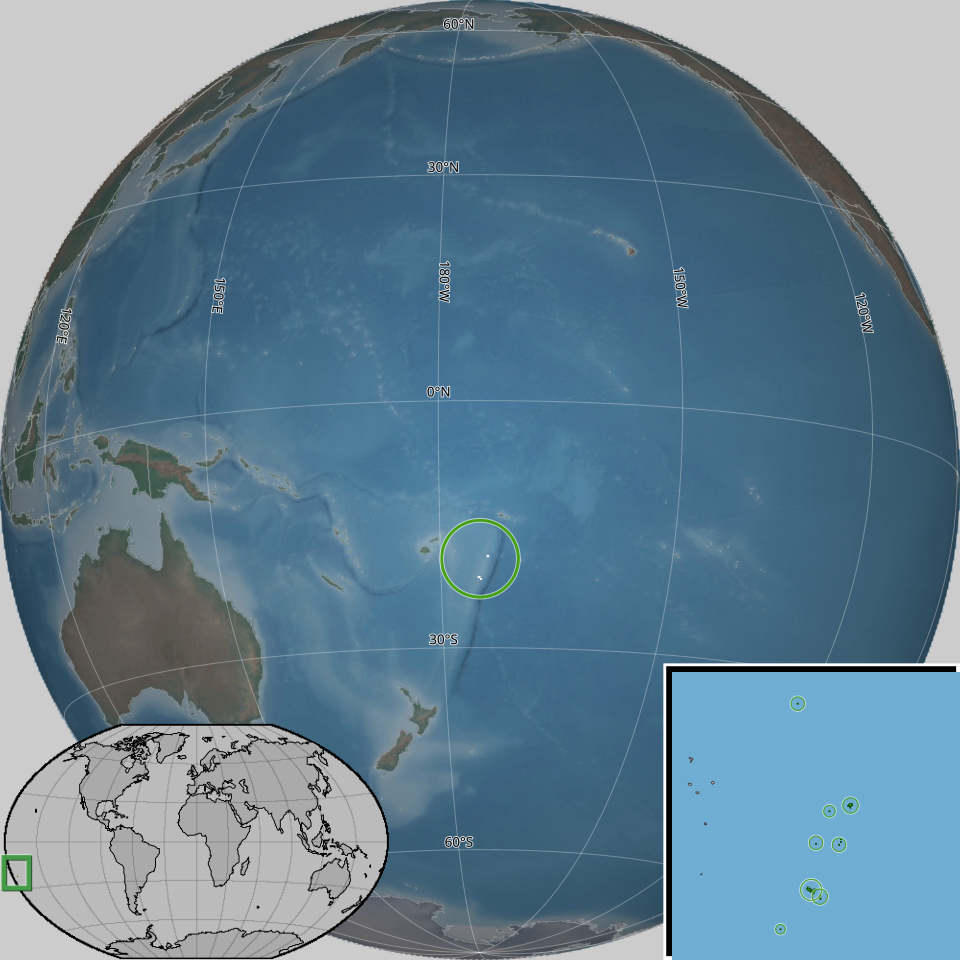
Tonga stands apart in the Pacific for its political and social stability. As the only extant indigenous monarchy in the Pacific islands, the kingdom maintains a continuity of governance that is remarkable in a region that has seen significant political change. The reverence for the monarch, rooted in centuries of tradition and the legacy of the sacred paramount chief, the Tuʻi Tonga, creates a social fabric that is tightly woven and deeply resilient.
This cultural context shapes the kingdom’s approach to safety and social order. While specific crime and safety indices are not available in the current data, the nature of Tongan society — close-knit, community-oriented, and respectful of hierarchy — suggests an environment where social cohesion is strong. The cultural prohibition on criticizing the monarch is not merely a political stance; it reflects a deeper societal value that emphasizes harmony, respect, and the maintenance of social bonds.
Quality of life in Tonga extends beyond material measures. The kingdom offers a connection to nature, community, and tradition that is increasingly precious in a fast-paced world. Education is valued and accessible, healthcare is a priority, and the pace of life allows for the cultivation of relationships and the enjoyment of simple pleasures. For those who call Tonga home, these factors contribute to a sense of well-being that statistics often fail to capture.
The political landscape, while rooted in tradition, is not static. Tonga has navigated the complexities of modernization while maintaining its unique identity. The constitutional monarchy has adapted to changing times, incorporating democratic processes while preserving the symbolic and unifying role of the crown. This balance between continuity and change is perhaps the kingdom’s greatest political achievement.
Navigating the Currents of Change
Tonga today stands at a crossroads, facing the challenges and opportunities of the 21st century while holding fast to its cultural identity. The kingdom continues to navigate the economic realities of island life — the need for sustainable development, the management of natural resources, and the creation of opportunities for its young, educated population.
The World Bank’s data gaps reflect a nation that is still developing its statistical infrastructure, but the human story of Tonga is one of resilience and adaptation.
The kingdom’s commitment to education remains a cornerstone of its development strategy. By investing in its people and providing pathways to advanced learning through foreign-funded scholarships, Tonga is building the human capital that will drive its future. These educated citizens, whether they return to the islands or contribute from abroad, represent the kingdom’s most valuable resource.
Climate change presents perhaps the most significant challenge facing Tonga, as it does for all low-lying Pacific nations. The kingdom’s response to this existential threat will shape its future in profound ways. While the available data does not detail specific climate initiatives, the reality of island geography means that environmental resilience is not an abstract concern but a daily necessity.
The kingdom also continues to strengthen its connections with the wider Pacific region and the world. As a member of the Pacific Islands Forum and other regional bodies, Tonga plays an active role in regional affairs. Its unique status as a monarchy in a region of republics and parliamentary democracies gives it a distinctive voice in regional discussions.
For businesses and individuals watching Tonga, the kingdom offers a blend of stability and potential. The political continuity provided by the constitutional monarchy creates a predictable environment, while the educated workforce and untapped tourism potential offer room for growth. Tonga may not move at the speed of larger economies, but it moves with purpose and deliberation.
The Bottom Line
Tonga is a nation that rewards patient observation and long-term thinking. For investors, it offers stability in a region of change and a genuine, unspoiled tourism product. For policymakers, it presents a case study in how tradition and modernity can coexist. For the casual observer, it is a reminder that economic development is not a one-size-fits-all formula — that some nations define progress on their own terms.
Watch Tonga not for dramatic headlines, but for the quiet, steady work of building a future that honors the past. In a world obsessed with growth at any cost, this small kingdom offers a different vision of what success can mean.
Sources & Methodology
This article is authored by Economic Pulse Net for informational and research purposes. Economic Pulse Net sources its data from multilateral institutions, national statistics bureaus, and proprietary databases. All data is believed to be current as of the date of publication.
Published: August 06, 2026 | Category: Research — Tonga
Use these signals in your own platform
Economic Pulse publishes its live signal feed through a documented, read-only API. Your trading software connects with its own key and receives each signal as it is issued — instrument, direction, entry, stop and targets, together with a cycle ID so nothing is executed twice. The feed is independent of this website and cannot change it.
Signals are informational only and are not financial advice.