Economic Pulse Net | Sources: World Bank World Development Indicators, Government Sources | 2026
Key Takeaways
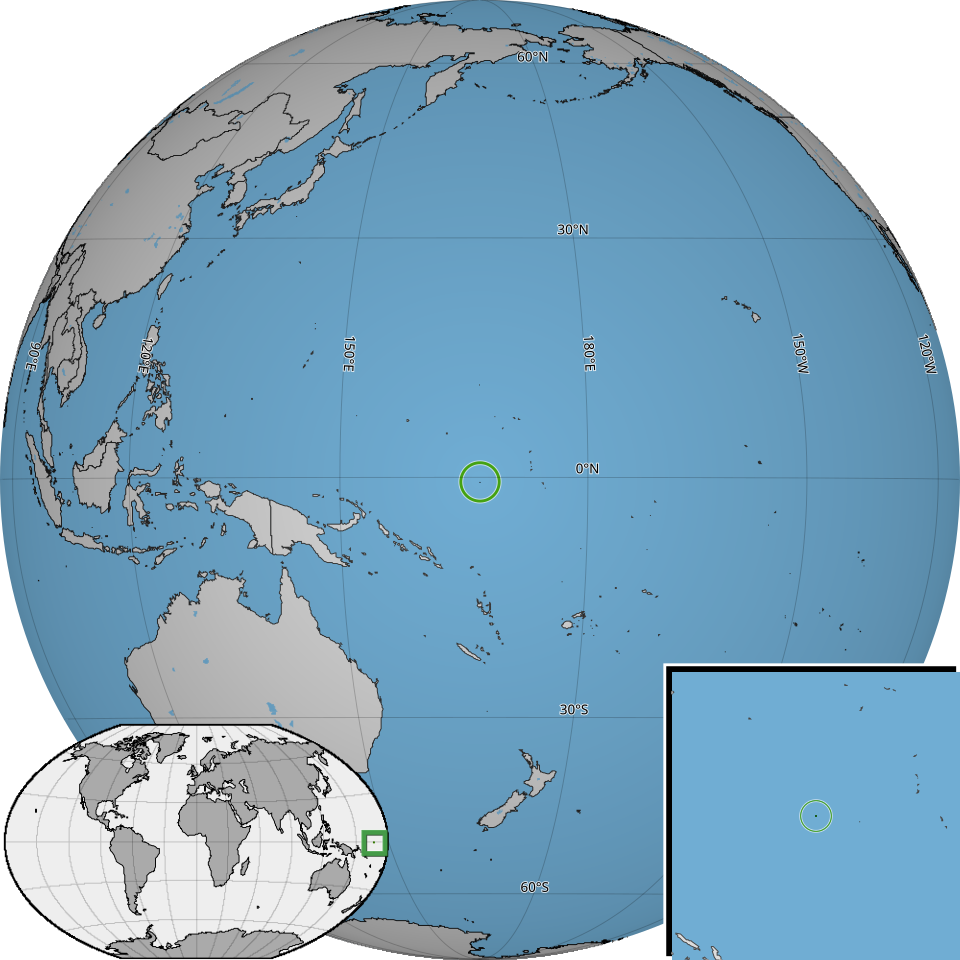
– Nauru, a 21-square-kilometer island nation, is navigating one of the most unique economic transitions in the Pacific, moving from its historical reliance on phosphate mining toward new revenue streams.
– The country’s political landscape is defined by a 19-member unicameral parliament led by President David Adeang, with active participation in international bodies including the United Nations, Commonwealth of Nations, and Asian Development Bank.
– Nauru’s recent accession to the International Renewable Energy Agency (IRENA) signals a strategic pivot toward sustainable energy development.
– As an IMF member since April 2016, Nauru is engaging with global financial institutions to stabilize its economic framework.
– The nation’s economic data remains largely opaque, with the World Bank reporting no current figures on GDP growth, inflation, or unemployment, underscoring the challenges of tracking a micro-economy.
The Phosphates Are Gone — What Replaces the Island’s Economic Backbone?
For much of the 20th century, Nauru’s economy was defined by one thing: phosphate. The island’s guano deposits fueled agricultural industries across the Asia-Pacific region and, for a time, gave Nauruans one of the highest per-capita incomes in the developing world. But those days are long gone.
The phosphate is largely depleted, and the World Bank’s latest data reflects a stark reality — there are no current figures for GDP growth, inflation, or unemployment, and no recorded GDP per capita or GNI per capita. That absence of data is itself a story. It speaks to the difficulty of measuring an economy that has contracted dramatically from its boom era and is now searching for a sustainable identity.
The economic base today is thin. Nauru generates revenue through a handful of sources: fishing licenses sold to international fleets, modest tourism, and, notably, the Regional Processing Centre — an Australian-funded facility that has become a significant, though controversial, source of government income. The country also earns from the sale of its phosphate remnants, though at a fraction of historical volumes.
With no major manufacturing sector and limited arable land, Nauru imports nearly everything, leaving it vulnerable to external price shocks. The lack of World Bank data on employment means we cannot quantify the job market, but anecdotal evidence and regional reports suggest that government employment dominates formal work, and opportunities for private enterprise remain scarce.
What makes Nauru’s economic situation particularly challenging is its isolation. The nearest major markets are thousands of kilometers away, shipping costs are prohibitive, and the country’s small population limits domestic demand. The government has explored options like offshore banking and passport sales in the past, but international pressure has curtailed these ventures.
The path forward, as the government sees it, involves leveraging its membership in regional and international organizations — the Asian Development Bank, the Commonwealth, and the UN — to attract development aid and technical assistance. But without a clear economic driver beyond fishing and the processing center, Nauru’s fiscal future remains uncertain. The World Bank’s silence on key metrics is a reminder that this is an economy in transition, still figuring out what comes next.
The Price of Paradise — Living Costs on a Remote Island
Living in Nauru is not cheap. The island’s geographic isolation means that virtually every consumer good — from food and fuel to building materials and electronics — must be shipped in from Australia, New Zealand, or other Pacific hubs. This import dependency drives up prices significantly, making the cost of living substantially higher than in many neighboring Pacific nations.
There is no local manufacturing base to speak of, and agriculture is limited to small-scale subsistence farming, so the majority of what Nauruans consume arrives by sea or air.
Housing is another pressing concern. The island’s interior has been scarred by decades of phosphate mining, leaving much of the land uninhabitable and forcing the population to concentrate along the narrow coastal belt. This has created land scarcity and, consequently, housing pressures. The government owns most of the land, with residential allocations made through a traditional system that can be slow and bureaucratic.
There is no meaningful private property market, and renting is rare, as most Nauruans live in government-allocated housing. For expatriates working at the Regional Processing Centre or in technical roles, accommodation is typically provided as part of their employment package, reflecting the absence of a developed rental market.
Without official World Bank cost-of-living data, we can only infer from regional comparisons, but the general consensus among Pacific development analysts is that Nauru ranks among the more expensive places in the region to live, second only to the most remote island states.
A Narrow Door for Business — Investment Climate in Nauru
For investors, Nauru presents a paradox: there is potential, but the barriers are formidable. The country’s top companies, if they can be called that, are largely concentrated in a few sectors — fishing, telecommunications, and government services. There is no stock exchange, no meaningful banking sector, and no corporate law framework that would attract foreign direct investment. The government has spoken about diversifying the economy, but concrete policy measures have been slow to materialize.
The sectors to watch are renewable energy and fisheries. Nauru’s recent membership in the International Renewable Energy Agency (IRENA) signals an intention to develop solar and other clean energy sources, reducing the island’s dependence on imported diesel. This is both an environmental and an economic imperative — fuel imports are a major drain on foreign reserves, and renewable energy could lower operating costs for businesses and households alike.
Fisheries, meanwhile, remain the most viable commercial sector. Nauru is part of the Parties to the Nauru Agreement (PNA), which controls a significant portion of the world’s tuna supply, and fishing license fees are a critical revenue source.
The business environment, however, is constrained by practical realities. There is limited internet bandwidth, unreliable utilities, and a small labor pool. The government’s administrative capacity is stretched, and regulatory processes can be opaque. For a foreign investor, the risks are high, and the returns uncertain. Yet for those willing to navigate the challenges, there are opportunities — particularly in infrastructure, renewable energy, and niche tourism.
The Asian Development Bank has been a partner in several infrastructure projects, and its continued engagement offers a degree of stability. But Nauru is not a place for risk-averse capital; it is a frontier market in the truest sense.
Politics, Safety, and the Rhythm of Island Life
Nauru’s political system is compact and personal. The president, David Adeang, leads a 19-member unicameral parliament, and there are no formal political parties — candidates run as independents, and alliances are formed after elections. This creates a fluid, often volatile political environment where governments can change quickly.
Adeang’s leadership has focused on maintaining stability and securing international partnerships, particularly with Australia, which remains Nauru’s largest donor and the funder of the Regional Processing Centre.
In terms of safety, Nauru is generally considered a low-crime society, though the World Bank provides no crime or safety indices for the country. The island’s small population and tight-knit community mean that serious crime is rare, and visitors typically report feeling secure. However, social tensions can arise, particularly around the presence of the processing center, which has been a source of domestic and international controversy. Quality of life is a mixed picture.
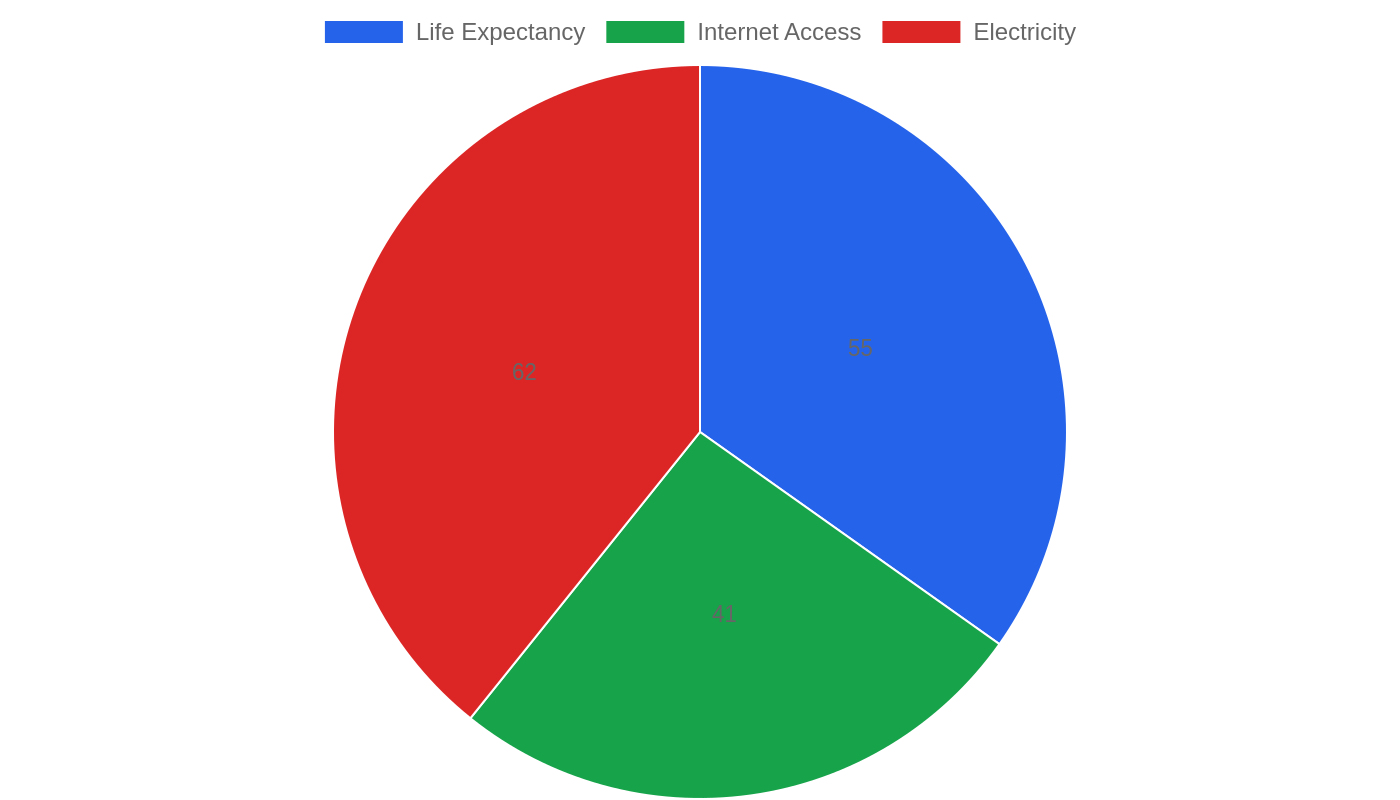
Nauruans enjoy a strong sense of community and cultural identity, but health outcomes are concerning — the country has high rates of diabetes and obesity, and life expectancy lags behind regional averages. The physical environment, too, bears the scars of mining, with much of the interior left as a barren, honeycombed landscape. Yet the coastal areas offer natural beauty, and the ocean remains central to the Nauruan way of life.
A Renewed Focus on Energy and International Standing
The most significant recent development in Nauru is its membership in the International Renewable Energy Agency (IRENA), a move that aligns with broader Pacific efforts to combat climate change and reduce fossil fuel dependence. For a nation that is among the most vulnerable to rising sea levels, this is more than a symbolic gesture — it is an acknowledgment of survival imperatives.
The government has signaled interest in solar projects, and there is potential for international funding to support these initiatives through climate finance mechanisms.
Nauru’s diplomatic engagement has also intensified. The country’s membership in the International Monetary Fund since April 2016 has brought it into the fold of global economic governance, providing access to technical assistance and policy advice. In 2025, Nauru continues to participate actively in the Commonwealth and Olympic Games, maintaining its presence on the world stage despite its small size.
The government is also leveraging its UN membership to advocate for climate action and to secure development assistance. These international engagements are not merely symbolic; they are central to Nauru’s strategy for economic survival. By aligning with multilateral institutions, Nauru hopes to attract investment, aid, and expertise that can help build a more resilient economy.
The road ahead is long, and the data gaps make it difficult to gauge progress, but the direction of travel is clear: Nauru is looking outward, forging partnerships, and betting on a future beyond phosphate.
The Bottom Line
Nauru is a country that defies easy categorization. It is a microstate with outsized geopolitical significance, a former economic powerhouse now dependent on external support, and a Pacific nation confronting the existential threat of climate change. For development economists, policymakers, and investors with a tolerance for risk, Nauru offers a case study in resilience and adaptation.
The data may be sparse, but the story is rich — a small island nation navigating the complexities of the modern world with limited resources but a clear sense of purpose. Those who watch Nauru closely will witness a test of whether a post-resource economy can reinvent itself in the face of immense odds.
Sources & Methodology
This article is authored by Economic Pulse Net for informational and research purposes. Economic Pulse Net sources its data from multilateral institutions, national statistics bureaus, and proprietary databases. All data is believed to be current as of the date of publication.
Published: August 05, 2026 | Category: Research — Nauru
Use these signals in your own platform
Economic Pulse publishes its live signal feed through a documented, read-only API. Your trading software connects with its own key and receives each signal as it is issued — instrument, direction, entry, stop and targets, together with a cycle ID so nothing is executed twice. The feed is independent of this website and cannot change it.
Signals are informational only and are not financial advice.