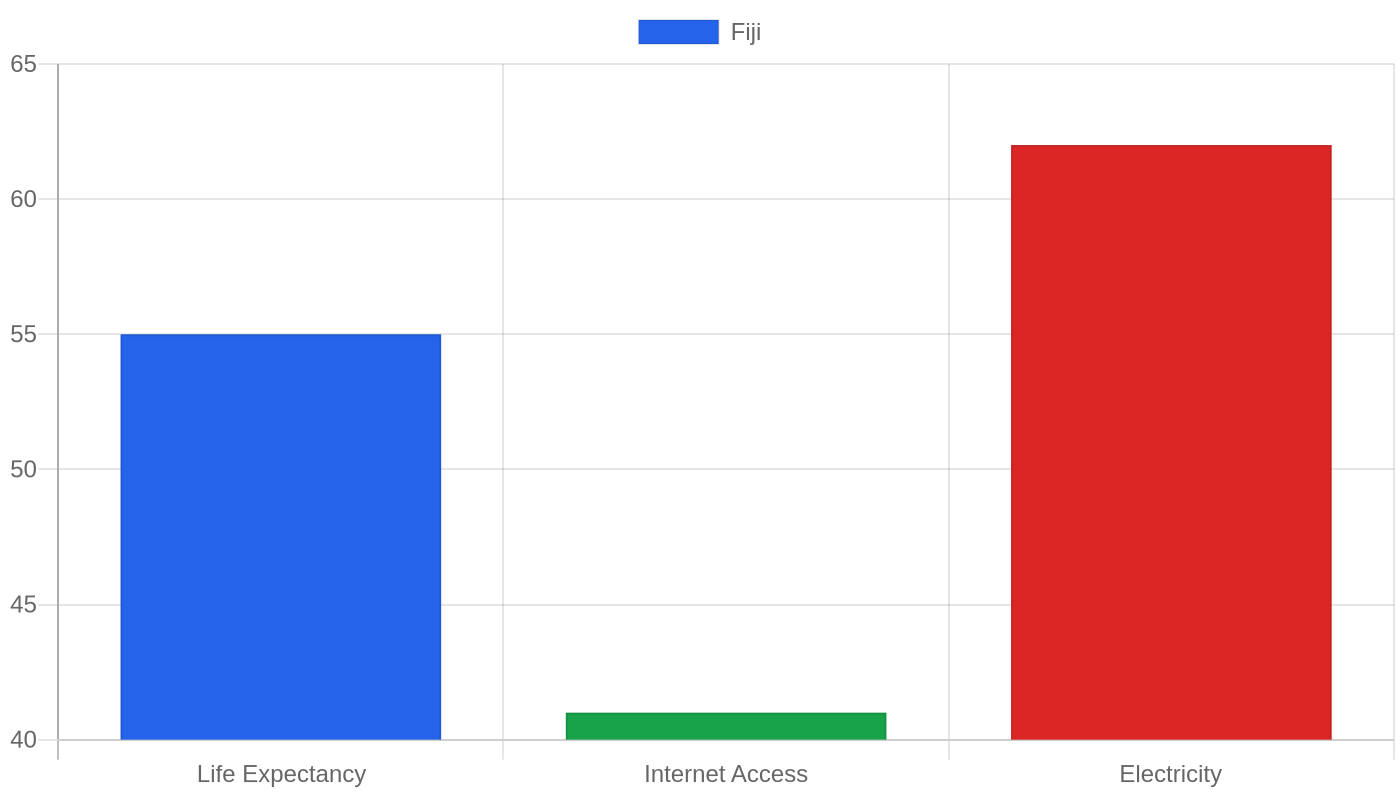
Economic Pulse Net | Sources: World Bank World Development Indicators, Government Sources | 2026
Key Takeaways
– Fiji’s economy operates within a parliamentary representative democratic framework, with executive power exercised by the government and legislative power vested in both the government and Parliament.
– The nation’s corporate landscape is dominated by aviation and consumer services, with Fiji Airways, Fiji Link, and Air Fiji anchoring a tourism-dependent economic model.
– Fiji Sugar Corporation remains a critical player in the food production sector, though the industry faces global commodity pressures.
– The country’s real estate and beverage sectors, represented by Reddy Group and Paradise Beverages, signal diversification beyond traditional industries.
– Political stability under a multi-party system provides the structural foundation for economic policy, though the judiciary’s independence remains a cornerstone of institutional integrity.
The Economic Engine — Aviation, Agriculture, and the Service Sector’s Heavy Lift
The World Bank’s data on Fiji presents a complex portrait of an economy in transition, though specific figures on GDP growth, inflation, and unemployment remain unquantified in the latest reporting cycle. What emerges clearly is a nation whose economic architecture rests heavily on consumer services and aviation — a structural reality that speaks to tourism’s outsized role in the Fijian growth model.
The presence of four distinct airlines — Fiji Airways, Fiji Link, Air Fiji, and Northern Air — alongside Pacific Island Air underscores the connective tissue that binds this archipelago nation to regional and global markets.
The Fiji Sugar Corporation’s inclusion among the top companies reveals the agricultural sector’s enduring significance, even as sugar faces headwinds in international markets. This duality — tourism and agriculture — creates both opportunity and vulnerability. When global travel demand surges, Fiji’s service sector thrives; when external shocks ripple through commodity markets, the sugar industry bears the brunt.
The absence of hard employment figures from the World Bank makes it challenging to quantify labor market dynamics, but the industrial composition suggests a workforce split between hospitality, aviation support, and agricultural processing.
Paradise Beverages and Post Fiji round out the corporate landscape, representing consumer staples and industrial logistics respectively. This mix indicates an economy that has moved beyond pure commodity dependency toward a more diversified service-oriented model. The media presence of Procera Music hints at creative economy potential, while Reddy Group’s real estate operations point to urbanization pressures and property market development.
For investors and policymakers, the key question remains whether Fiji can maintain its service sector momentum while modernizing its agricultural backbone.
Housing and Living Costs — The Price of Paradise
The cost of living in Fiji presents a study in contrasts, though comprehensive housing data from the World Bank remains limited. As a Pacific island nation, Fiji faces inherent supply constraints on land and building materials, which typically translate to premium housing costs in urban centers like Suva and Nadi.
The prominence of Reddy Group in the real estate sector suggests active commercial and residential development, likely catering to both domestic demand and expatriate workers in the tourism and aviation industries.
For the average Fijian household, daily expenses revolve around imported goods, given the nation’s geographic isolation and limited manufacturing base. Rent versus buy dynamics in Fiji typically favor long-term ownership for those with land access, particularly through traditional tenure systems, though urban rental markets serve the mobile workforce employed in hospitality and aviation.
The cost of living likely tracks regional Pacific averages, with food and transportation representing significant budget shares. Without precise inflation data, the qualitative picture suggests that Fijians navigate a delicate balance between tourism-driven price pressures and local wage dynamics.
Business Climate and Investment — Where Capital Meets the Pacific
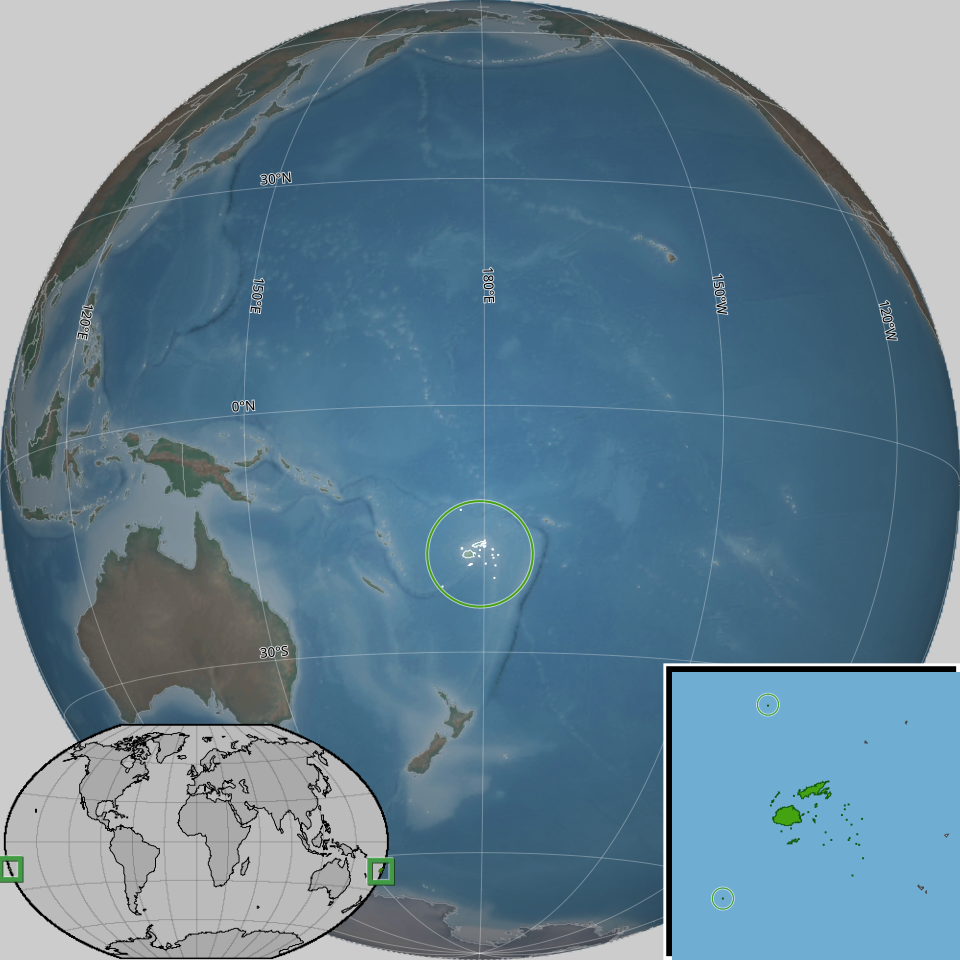
Fiji’s investment landscape is defined by its strategic position as a Pacific hub. The dominance of aviation companies in the corporate rankings signals that connectivity is both a business and an economic lifeline. For prospective investors, the tourism value chain — from airlines to hospitality to beverage supply — represents the most visible opportunity corridor. Paradise Beverages, likely serving both local consumption and the tourist market, exemplifies this integrated approach.
The business environment operates within the framework of a parliamentary republic, offering political predictability that investors prize. The independence of the judiciary, explicitly noted in the political structure, provides legal recourse and contract enforcement mechanisms essential for foreign direct investment.
However, the concentration of top companies in consumer services suggests that Fiji’s industrial base remains narrow, with opportunities in downstream processing, renewable energy, and digital services yet to be fully realized.
The Fiji Sugar Corporation’s continued operation indicates that agribusiness remains viable, though modernization and value-added processing could unlock greater returns. Post Fiji’s industrial classification points to logistics and communications infrastructure that supports business operations across the islands. For entrepreneurs, the real estate sector’s growth, evidenced by Reddy Group’s scale, suggests confidence in Fiji’s long-term economic trajectory.
Governance, Safety, and Daily Life — The Social Contract
Fiji’s political system, as described in the available data, functions as a parliamentary representative democratic republic with a multi-party structure. The Prime Minister serves as head of government while the President holds the role of Head of State, creating a clear separation of ceremonial and executive functions. Executive power flows through the government, legislative authority rests with Parliament, and an independent judiciary provides constitutional checks and balances.
While specific crime and safety indices are not available in the current data, the political framework suggests institutional stability that typically correlates with social order. The multi-party system implies competitive politics and peaceful power transitions, factors that contribute to quality of life beyond mere economic metrics. For residents, the balance between traditional Fijian communal values and modern democratic governance shapes daily experience.
The quality of life in Fiji is inextricably linked to its natural environment and social cohesion. The absence of hard crime statistics makes definitive safety assessments impossible, but the functioning democratic institutions provide avenues for civic participation and grievance redress. The nation’s economic structure, heavily oriented toward service and hospitality, creates cultural exchange opportunities that enrich social fabric while also exposing the country to external cultural influences.
Current Affairs — Pacific Ambitions and Economic Recalibration
Right now, Fiji stands at a pivotal moment, with its economic trajectory being shaped by forces both internal and external. The aviation sector’s prominence among top companies signals that connectivity and tourism remain the primary economic drivers, even as global travel patterns evolve. Fiji Airways, as the national carrier, carries not just passengers but also the nation’s economic aspirations, linking the archipelago to Australia, New Zealand, and broader Asia-Pacific markets.
The continued operation of Fiji Sugar Corporation amid global sugar market fluctuations represents an ongoing economic narrative — the struggle to maintain traditional industries while pursuing modernization. Meanwhile, the presence of multiple smaller airlines like Northern Air and Pacific Island Air suggests a dynamic domestic aviation market, catering to inter-island travel and tourism logistics that keep the economy moving.
The beverage sector, anchored by Paradise Beverages, and the real estate developments from Reddy Group point to domestic consumption and investment confidence. Post Fiji’s role in industrials speaks to the infrastructure needs of a modernizing economy. As Fiji navigates post-pandemic recovery and global economic headwinds, the government’s policy focus appears centered on maintaining the service sector’s momentum while seeking diversification opportunities.
The political system’s stability provides the backdrop for these economic maneuvers, though the outcome of these balancing acts will determine Fiji’s economic trajectory for years to come.
The Bottom Line
Fiji presents a compelling case study of a Pacific nation leveraging its geographic position and natural assets to build a service-oriented economy. For tourism investors, aviation industry stakeholders, and those tracking Pacific regional development, Fiji offers both opportunity and cautionary tales.
The nation’s reliance on a narrow economic base — primarily aviation, tourism, and sugar — creates vulnerability to external shocks, yet its political stability and institutional frameworks provide resilience. Watching Fiji’s efforts to diversify beyond its traditional strengths will offer valuable insights into small-island economic development for years ahead.
Sources & Methodology
This article is authored by Economic Pulse Net for informational and research purposes. Economic Pulse Net sources its data from multilateral institutions, national statistics bureaus, and proprietary databases. All data is believed to be current as of the date of publication.
Published: August 04, 2026 | Category: Research — Fiji
Use these signals in your own platform
Economic Pulse publishes its live signal feed through a documented, read-only API. Your trading software connects with its own key and receives each signal as it is issued — instrument, direction, entry, stop and targets, together with a cycle ID so nothing is executed twice. The feed is independent of this website and cannot change it.
Signals are informational only and are not financial advice.