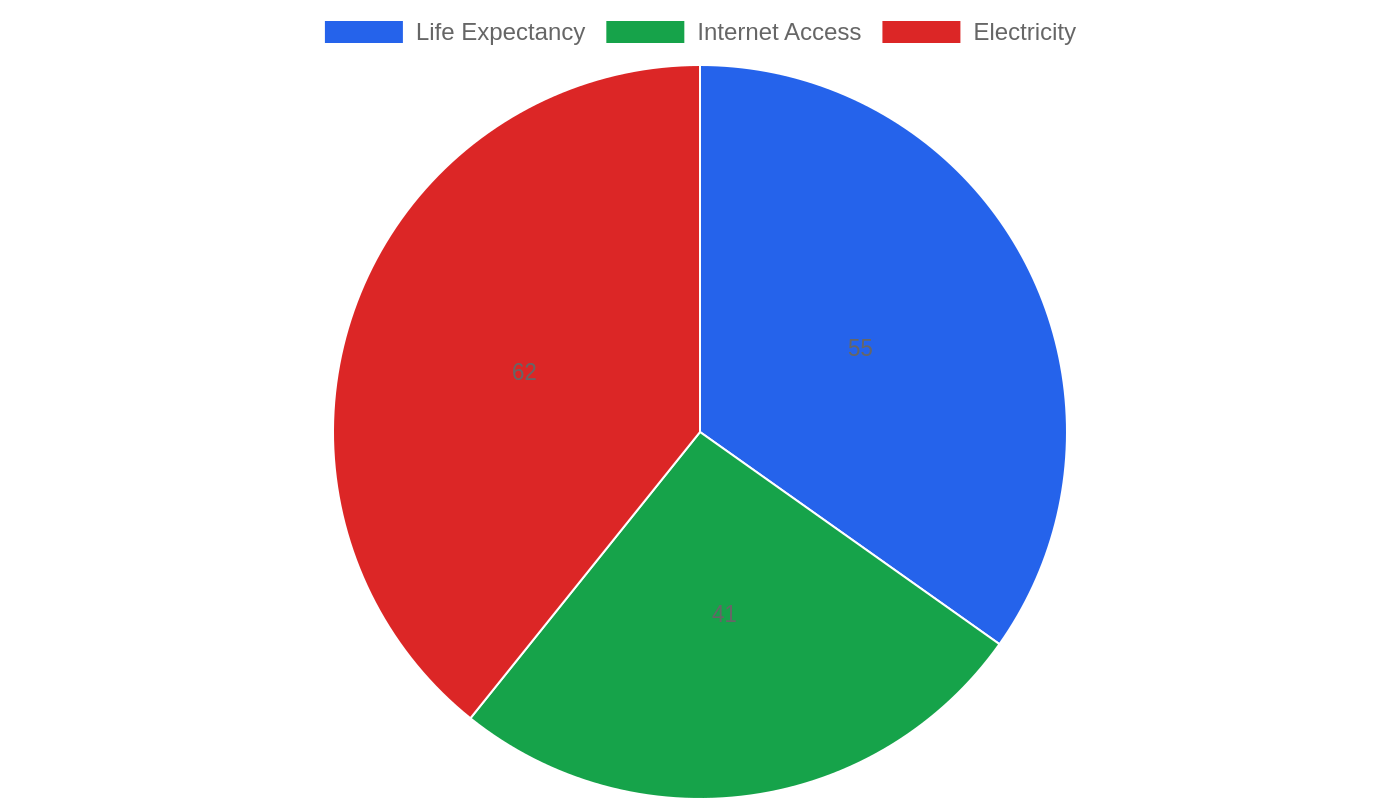
Economic Pulse Net | Sources: World Bank World Development Indicators, Government Sources | 2026
Key Takeaways
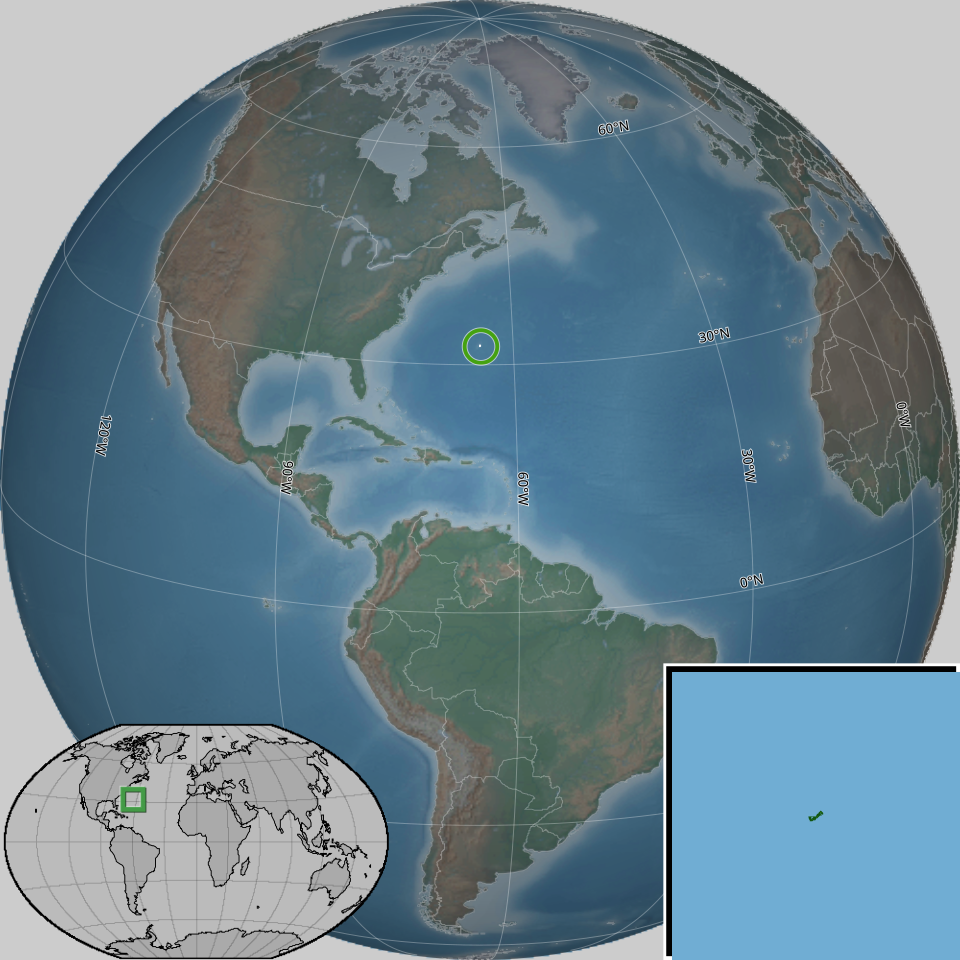
– Bermuda remains one of the world’s most sophisticated financial hubs, hosting a dense concentration of global insurance, reinsurance, and investment firms despite its tiny physical footprint.
– The island’s political status as a British Overseas Territory provides constitutional stability, with a newly appointed governor taking office in January 2025.
– Major listed companies including Bacardi, Butterfield Bank, and Brookfield Infrastructure Partners underscore Bermuda’s outsized role in global capital markets.
– While key economic indicators such as GDP growth and inflation are not currently available from the World Bank, the island’s business environment continues to attract multinational corporations seeking a regulated yet flexible jurisdiction.
The Engine Room — Financial Services and the Bermuda Economy
Bermuda’s economy is not easily captured by conventional metrics, and the World Bank data for GDP growth, inflation, and unemployment remain unavailable for the latest period. This absence of headline numbers, however, does not diminish the island’s significance. Bermuda functions as a specialised node in the global financial system — a role that has made it disproportionately wealthy relative to its population.
The economy is built on a narrow but extraordinarily deep base: international business, particularly insurance and reinsurance, drives the vast majority of economic activity. The Bermuda Monetary Authority, listed among the top companies, acts as both regulator and guardian of the island’s financial reputation, ensuring that the jurisdiction remains compliant with international standards while retaining the flexibility that global firms require.
The presence of major financial institutions such as Butterfield Bank and Fidelity International, alongside industrial giants like Frontline Ltd. and Golden Ocean Group, reveals a diversified portfolio of corporate activity that extends well beyond pure finance. These companies choose Bermuda not merely for tax considerations but for the legal certainty, English common law heritage, and deep professional services ecosystem that the island provides.
The absence of World Bank data on GDP per capita or GNI per capita is regrettable, but the corporate concentration alone tells a story of an economy that punches far above its weight class. Bermuda’s economic model is one of high-value services, not volume — and in that regard, it continues to function smoothly even when traditional data points are missing.
The Price of Paradise — Housing and Daily Life in Bermuda
Living in Bermuda carries a cost that reflects its geography and its economy. The island is small, with limited land and a high concentration of wealthy international professionals, which inevitably pushes housing costs upward. While specific cost-of-living indices are not available in the provided data, the pattern is well understood: Bermuda consistently ranks among the most expensive places to live in the world.
Renting a modest apartment can cost several thousand dollars per month, and purchasing property is largely out of reach for those not employed in the financial sector or supported by overseas income.
The rent-versus-buy calculation in Bermuda is heavily skewed toward renting for most newcomers, given that property ownership is restricted for non-Bermudians and prices are elevated by scarcity. Daily expenses — from groceries to utilities to transportation — are inflated by the island’s reliance on imports for nearly everything.
A simple comparison to regional averages is difficult without specific numbers, but the anecdotal evidence from residents and expatriate communities points to a cost structure that demands a high income simply to maintain a middle-class lifestyle. For Bermudians working outside the financial sector, the gap between wages and living costs can be a source of persistent economic pressure.
Where the Money Lives — Investment Climate and Corporate Dominance
Bermuda’s investment climate is defined by its concentration of world-class financial and industrial firms. The top companies list reads like a roll call of global capital: Bacardi in consumer goods, Brookfield Infrastructure Partners and Catlin Group in financials, Frontline Ltd. and Golden Ocean Group in industrials, and Genpact in business services. These are not shell companies but operating businesses with real assets, employees, and revenue streams.
The Bermuda Monetary Authority provides a regulatory framework that is both rigorous and responsive, making the island a preferred domicile for insurance-linked securities, catastrophe bonds, and reinsurance vehicles.
For investors and businesses, Bermuda offers a stable legal environment rooted in English common law, a sophisticated professional services sector, and a time zone that bridges North America and Europe. The sectors to watch remain insurance and reinsurance, which are the bedrock of the economy, but there is also growing activity in asset management, fintech, and digital asset regulation.
The presence of Fidelity International and Brookfield Infrastructure Partners signals that Bermuda is not merely a tax haven but a genuine operational base for global financial firms. The business environment is pro-commercial, with government policy historically supportive of international business while maintaining regulatory credibility.
Stability in a Small Place — Safety, Politics, and Quality of Life
Crime and safety indices for Bermuda are not available in the provided data, but the island is widely regarded as a safe and orderly society. The political landscape is defined by Bermuda’s status as a British Overseas Territory, with ultimate sovereign authority resting with the Government of the United Kingdom. Executive authority is vested in the British monarch, currently Charles III, and exercised on his behalf by the governor of Bermuda.
In January 2025, Andrew Murdoch was sworn in as governor, with Tom Oppenheim serving as deputy governor. This constitutional arrangement provides a layer of external stability that is rare among small island economies.
The quality of life in Bermuda is shaped by the tension between natural beauty and high costs. The island offers a temperate climate, pink sand beaches, and a close-knit community, but the economic pressures of living in an expensive jurisdiction can affect wellbeing. Political life is conducted within the framework of a parliamentary democracy, with internal self-government on most matters.
The relationship with the United Kingdom is generally cooperative, though there have been periodic debates about the degree of autonomy and the implications of being a non-sovereign territory. For residents, the trade-off is clear: stability and security in exchange for limited control over external affairs.
A New Governor, Same Steady Course — Current Affairs in Bermuda
The most significant recent development in Bermuda’s political landscape is the appointment of Andrew Murdoch as governor, sworn in on 23 January 2025. Murdoch, who replaced the previous governor, takes office at a time when Bermuda is navigating the post-pandemic normalisation of international business travel and the ongoing evolution of global tax standards.
The island has faced pressure from the European Union and other bodies regarding its tax regime, but it has largely managed to maintain its status through compliance and cooperation.
The Bermuda Monetary Authority continues to be active in shaping the regulatory environment, particularly in the areas of digital assets and climate risk insurance. Bermuda has positioned itself as a leader in insurance-linked securities and catastrophe bonds, a sector that is likely to grow as climate change increases the frequency and severity of natural disasters.
The presence of companies like Catlin Group and Brookfield Infrastructure Partners suggests that the island remains at the forefront of innovation in risk transfer and infrastructure finance. While no specific inflation or growth figures are available, the steady flow of corporate registrations and regulatory approvals indicates that business confidence remains intact. The island’s challenge is to maintain its competitive edge as other jurisdictions seek to replicate its model.
The Bottom Line
Bermuda is a country that defies easy categorisation — a tiny island with a giant financial footprint, a dependent territory with world-class institutions. Investors and businesses in the insurance, reinsurance, and asset management sectors should watch Bermuda closely for regulatory innovation and market access. For the casual observer, Bermuda represents a case study in how small jurisdictions can thrive by specialising in high-value services rather than chasing volume.
The missing data points are frustrating, but the story is clear: Bermuda remains a cornerstone of the global financial architecture, quietly and efficiently doing business on its own terms.
Sources & Methodology
This article is authored by Economic Pulse Net for informational and research purposes. Economic Pulse Net sources its data from multilateral institutions, national statistics bureaus, and proprietary databases. All data is believed to be current as of the date of publication.
Published: July 16, 2026 | Category: Research — Bermuda
Use these signals in your own platform
Economic Pulse publishes its live signal feed through a documented, read-only API. Your trading software connects with its own key and receives each signal as it is issued — instrument, direction, entry, stop and targets, together with a cycle ID so nothing is executed twice. The feed is independent of this website and cannot change it.
Signals are informational only and are not financial advice.