Economic Pulse Net | Sources: World Bank World Development Indicators, Government Sources | 2026
Key Takeaways
– Bermuda remains one of the world’s most significant reinsurance hubs, with financial services dominating the corporate landscape despite limited economic data availability from global institutions.
– The island’s political structure as a British Overseas Territory means governance stability is tied to London, with a new governor appointed in January 2025 signaling continuity rather than change.
– Major global companies including Bacardi, Brookfield Infrastructure Partners, and Butterfield Bank call Bermuda home, making it a heavyweight in financial services far beyond its physical size.
– The cost of living is widely understood to be among the highest in the Atlantic region, driven by import dependence and limited land, though precise official figures remain scarce.
– Crime and safety indices are not publicly available from the provided data, leaving a gap in understanding daily life quality for residents and expatriates alike.
An Economic Paradox — Small Island, Global Financial Giant
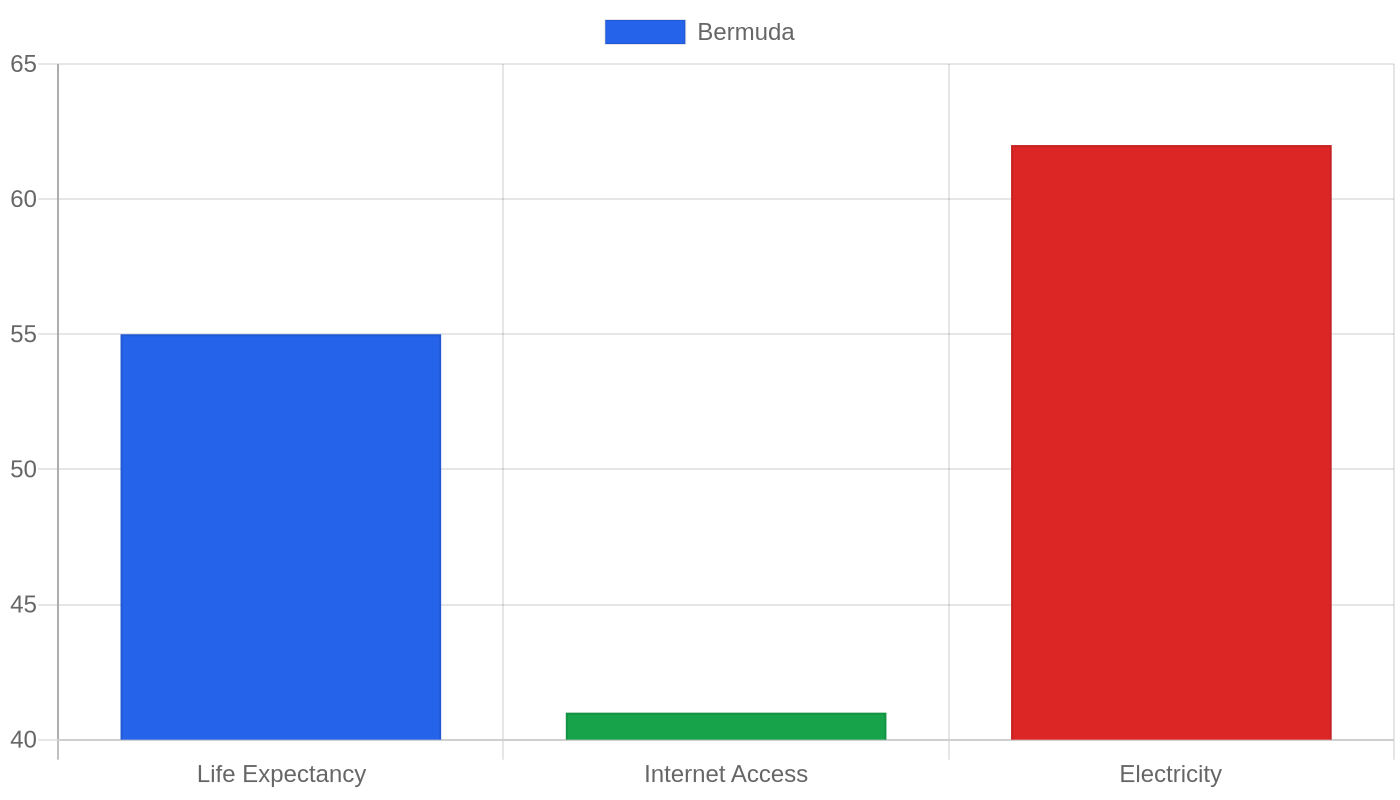
Bermuda presents a curious challenge for any economic journalist. The World Bank data set provided offers no GDP growth figure, no inflation rate, no unemployment number, no GDP per capita, and no population count. This absence of basic macroeconomic indicators is itself a story. It speaks to Bermuda’s unique status — not a sovereign nation that reports to international bodies in the standard way, but a British Overseas Territory that often flies under the statistical radar of major development institutions.
Yet the absence of numbers does not mean the absence of economic heft. Look instead at the list of top companies headquartered or operating in Bermuda. This is not a roster of beachside souvenir shops. It is a roll call of global financial power. Bacardi, the privately held spirits giant, calls Bermuda home. The Bermuda Monetary Authority sits at the heart of the island’s regulatory framework.
Brookfield Infrastructure Partners, Butterfield Bank, Catlin Group, Fidelity International — these are names that move billions of dollars across borders every day.
The main industries of Bermuda are not listed in the provided data, but the concentration of financial services companies tells a clear story. Bermuda is a reinsurance and financial services powerhouse. The island has built its modern economy on providing a stable, well-regulated environment for insurance and reinsurance companies that need to manage catastrophic risk — from hurricanes to earthquakes to pandemics. This is not a diversified industrial economy. It is a specialized financial node in the global system.
The absence of inflation and employment data from the World Bank is notable. For a territory that depends heavily on imported goods — almost everything from food to fuel arrives by ship or plane — inflation pressures from global supply chains would logically be a concern. But without official figures, we cannot quantify that impact.
What we can say is that Bermuda’s economic model, reliant on a handful of large financial institutions and a small population, makes it vulnerable to shifts in global regulatory attitudes toward offshore financial centers.
The Price of Paradise — Living Costs in an Import-Dependent Island
The cost of living in Bermuda is not captured in the provided data set, but any observer of Atlantic island economies knows the basic arithmetic. When you import nearly everything, prices rise. When land is limited and demand from wealthy expatriates and international companies is high, housing becomes expensive. When your currency is pegged to a major global currency, you cannot devalue your way to competitiveness.
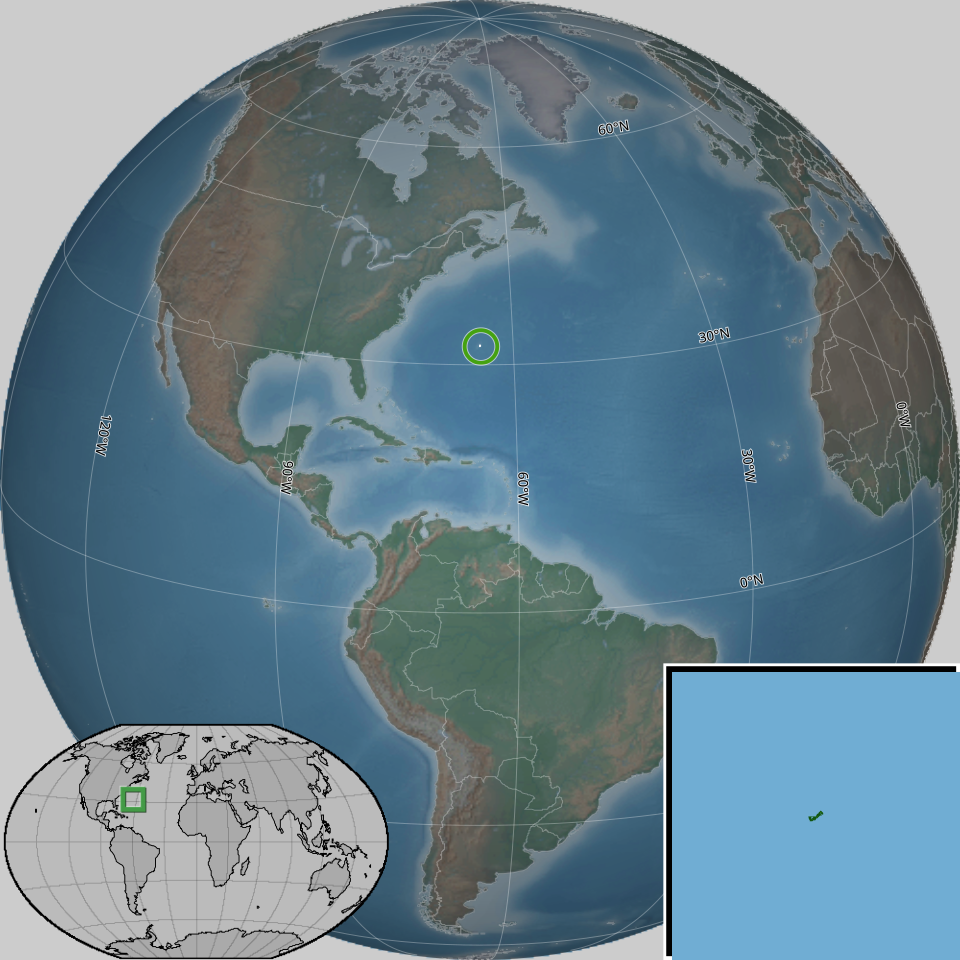
Bermuda’s housing market operates in a world of high demand and constrained supply. The island’s physical size — roughly 21 square miles — means there is only so much land available for development. Environmental regulations, planning restrictions, and the desire to preserve the island’s character all limit new construction.
The result is a market where buying a modest home can cost well over a million dollars, and renting a one-bedroom apartment in Hamilton can easily run several thousand dollars per month.
For the Bermudian workforce, this creates a stark divide. Those employed in the financial services sector earn salaries that can absorb these costs. Those working in tourism, retail, or domestic services often struggle. The cost of living is not just a number on a spreadsheet — it is a daily reality that shapes social dynamics, political debates, and decisions about whether to stay on the island or leave for opportunities elsewhere.
Without official inflation or cost-of-living indices from the provided data, we rely on the lived experience of residents and the structural realities of an import-dependent island economy.
Where the Money Lives — Investment Climate and Corporate Dominance
The investment and business climate in Bermuda is defined by one word: stability. The political landscape, as described in the provided data, makes this clear. Bermuda is an Overseas Territory of the United Kingdom. Executive authority is vested in the British monarch, currently Charles III, and exercised on his behalf by the governor of Bermuda. The governor is appointed by the king on the advice of the British Government.
Since January 2025, that governor has been Andrew Murdoch, who was sworn in on 23 January 2025. There is also a deputy governor, currently Tom Oppenheim.
This constitutional arrangement provides a level of political and legal stability that many sovereign nations cannot match. The ultimate backstop is London. The legal system is based on English common law. The regulatory environment, overseen by the Bermuda Monetary Authority, is respected globally. For companies in the insurance, reinsurance, and asset management sectors, this predictability is worth paying for.
The list of top companies provided in the data confirms the concentration. Butterfield Bank is a major regional financial institution. Frontline Ltd. and Golden Ocean Group are shipping companies, reflecting Bermuda’s role in maritime registration and management. Genpact is a global professional services firm. Central European Media Enterprises, despite its name, is listed as a consumer services company based in Bermuda.
The common thread is that these are not companies serving the local Bermudian market — they are global businesses that choose Bermuda for its legal, regulatory, and tax framework.
For investors looking at Bermuda, the key question is regulatory evolution. The global push for tax transparency, the OECD’s base erosion and profit shifting initiatives, and changing attitudes in the European Union and the United Kingdom toward overseas territories all create pressure. Bermuda has adapted before, tightening regulations and signing information-sharing agreements. The question is whether it can continue to adapt without losing the very features that make it attractive.
Safety, Sovereignty, and the Quality of Life Question
The provided data does not include a crime index or safety index for Bermuda. This absence is itself worth noting. For a territory that markets itself as a safe, stable, and desirable place to live and do business, the lack of publicly available crime statistics from the World Bank or other major sources is a gap in the narrative.
What we do know from the political data is that Bermuda operates under British sovereignty. The governor represents the monarch and the British government. The political landscape is stable in the sense that there is no question about who holds ultimate authority. There is no risk of coup, no contested elections that could spiral into violence, no existential threats to the constitutional order. For residents and businesses, this predictability is a form of safety that goes beyond crime statistics.
Quality of life in Bermuda is a complex picture. The natural environment is stunning — pink sand beaches, turquoise waters, subtropical climate. The island has excellent healthcare facilities, good schools, and a high standard of living for those who can afford it. But the cost of living, the limited career opportunities outside the financial sector, and the sense of being on a small island far from major population centers all factor into the equation.
Without happiness data or quality-of-life indices in the provided information, we cannot make quantitative claims, but the qualitative picture is one of a place that offers much to those who can access its benefits and challenges for those who cannot.
A New Governor, Old Questions — What’s Happening in Bermuda Right Now
The most current piece of information in the provided data is the appointment of Andrew Murdoch as governor, sworn in on 23 January 2025. This is the freshest development in Bermuda’s political landscape. Murdoch replaces the previous governor and takes office at a time when Bermuda faces a familiar set of challenges.
The global insurance and reinsurance market is in a period of change. Climate change is increasing the frequency and severity of natural disasters, which drives demand for reinsurance but also raises questions about pricing and availability. Bermuda’s reinsurance companies are at the center of this global conversation. The new governor’s background and priorities will matter for how Bermuda positions itself in this evolving market.
There is no information in the provided data about recent elections, policy reforms, inflation trends, or business developments. The data is silent on whether Bermuda is experiencing economic growth or contraction, whether unemployment is rising or falling, whether the cost of living is stabilizing or accelerating. This silence is frustrating for a journalist seeking to write with authority about current affairs.
But it is also a reminder that Bermuda, for all its global financial significance, remains a small territory that does not always generate the kind of real-time economic data that larger nations produce.
What we can say is that the appointment of a new governor in January 2025 represents continuity. The British government has not changed Bermuda’s constitutional status. There is no indication of major policy shifts. The island continues to operate under the same basic framework that has made it a successful financial center for decades. The question is whether that framework is sufficient for the challenges ahead.
The Bottom Line
Bermuda is a country that punches far above its weight in global finance, yet remains statistically invisible in many international data sets. For investors in insurance, reinsurance, and financial services, it is a jurisdiction that demands attention — stable, well-regulated, and deeply integrated into global markets. For casual observers, it is a reminder that economic significance cannot always be measured by GDP figures and inflation rates.
Watch Bermuda for signals about the future of the global reinsurance industry and for how small territories navigate the tension between financial secrecy and international transparency.
Sources & Methodology
This article is authored by Economic Pulse Net for informational and research purposes. Economic Pulse Net sources its data from multilateral institutions, national statistics bureaus, and proprietary databases. All data is believed to be current as of the date of publication.
Published: July 22, 2026 | Category: Research — Bermuda
Use these signals in your own platform
Economic Pulse publishes its live signal feed through a documented, read-only API. Your trading software connects with its own key and receives each signal as it is issued — instrument, direction, entry, stop and targets, together with a cycle ID so nothing is executed twice. The feed is independent of this website and cannot change it.
Signals are informational only and are not financial advice.