Economic Pulse Net | Sources: World Bank World Development Indicators, Government Sources | 2026
Key Takeaways
– Spain’s modern democratic framework, anchored by the 1978 Constitution, represents a remarkable transition from dictatorship to constitutional monarchy, yet the country faces ongoing political fragmentation and regional tensions.
– The Spanish economy is anchored by major global players across industrials, technology, and healthcare, with Amadeus IT Group and ACS Group leading the charge in their respective sectors.
– Spain’s corporate landscape reveals a diversified economic base, from renewable energy leaders like Acciona to steel giant Acerinox and healthcare innovator Almirall.
– The country’s political evolution since the death of Franco has been characterized by deliberate, measured reform — a model that continues to shape its approach to contemporary challenges.
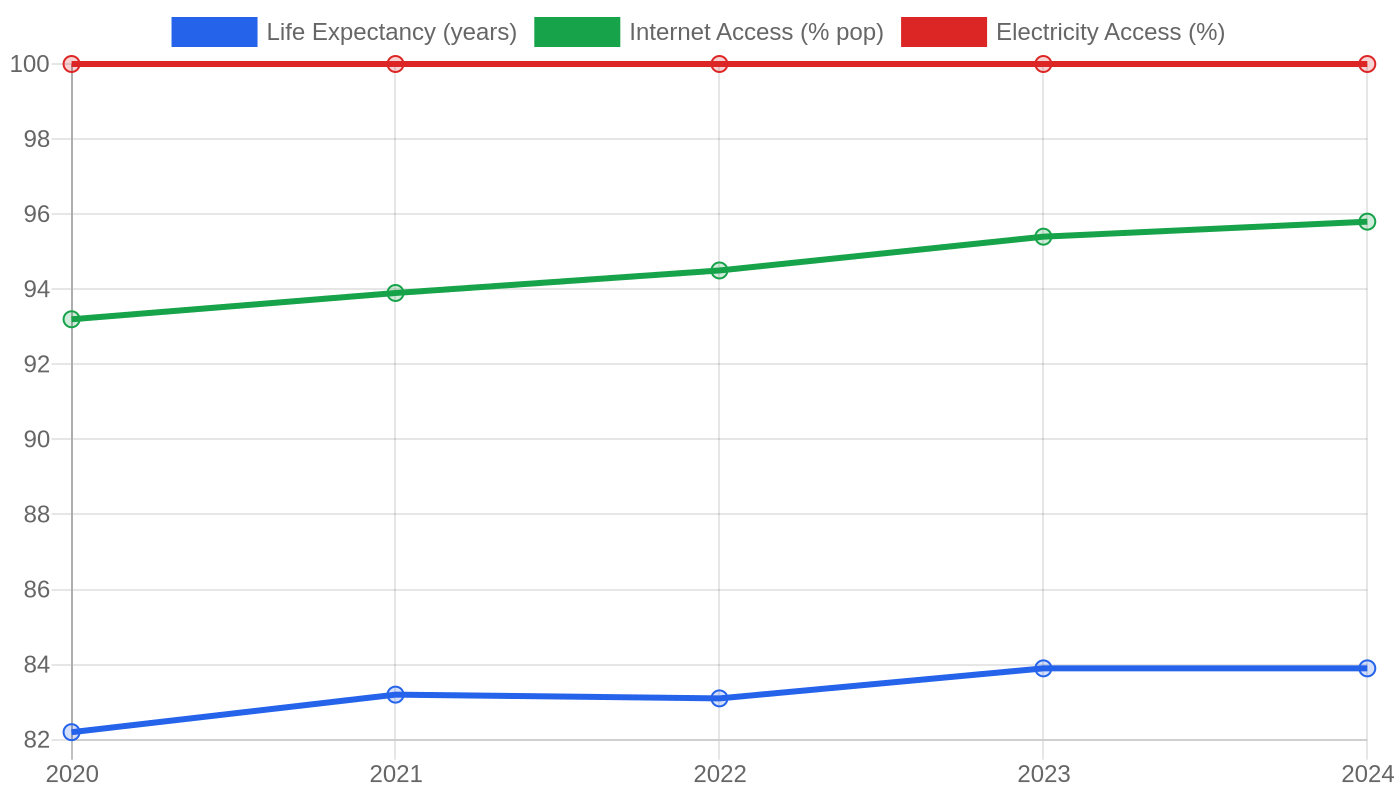
– While comprehensive economic indicators from the World Bank are currently limited, Spain’s industrial composition suggests a mature, service-oriented economy with significant manufacturing and technology capabilities.
The Long Road to Modernity — Spain’s Economic Transformation
Spain’s economic narrative is inseparable from its political journey. The constitutional history stretching back to 1812 speaks to a nation that has long grappled with questions of governance, regional autonomy, and national identity. The pivotal moment came in June 1976, when King Juan Carlos made the bold decision to dismiss Carlos Arias Navarro and appoint reformer Adolfo Suárez as Prime Minister.
This single act, as documented in the country’s political history, set the stage for the 1977 general election that convened the Constituent Cortes — the Spanish Parliament acting as a constitutional assembly.
The 1978 Constitution, approved by a remarkable 88% of voters in a national referendum on December 6, 1978, provided the institutional framework for modern Spain’s economic development. The World Bank’s data on Spain’s current GDP growth, inflation, and unemployment rates remains unavailable, but the structural composition of the economy tells its own story.
Spain has evolved from an agricultural nation into a diversified economy where services, manufacturing, and technology sectors play increasingly vital roles.
The country’s industrial base demonstrates particular strength in infrastructure and construction, with ACS Group standing as one of Europe’s largest construction companies. The presence of Astilleros y Talleres del Noroeste in the shipbuilding sector highlights Spain’s continued maritime industrial capabilities, while Acciona’s prominence signals a serious commitment to renewable energy and sustainable infrastructure.
This industrial diversity provides Spain with multiple engines of growth, though the economy remains sensitive to broader European and global economic cycles.
The technology sector has emerged as a particular point of pride and potential. Amadeus IT Group, a global leader in travel technology, represents Spain’s capacity to compete in high-value digital services. Healthcare innovation, exemplified by Almirall’s pharmaceutical operations, adds another layer of economic sophistication.
The World Bank’s framework suggests that nations with such diversified corporate bases tend to demonstrate greater economic resilience, though the absence of current growth figures makes precise assessment challenging.
Housing and Daily Life — The Cost of Living Challenge
The cost of living in Spain has historically presented a mixed picture compared to its Western European neighbors. While comprehensive current data from the World Bank is not available, the structural characteristics of Spain’s housing market are well-established. The country experienced a dramatic property boom and bust in the late 2000s, leaving a legacy of housing stock that varies dramatically by region.
Major urban centers like Madrid and Barcelona command premium prices, while rural and interior regions offer significantly more affordable options.
The rental market in Spanish cities has become increasingly competitive in recent years, with tourism and short-term rental platforms reducing the availability of long-term housing in popular neighborhoods. This dynamic has created a generational divide, where younger Spaniards increasingly struggle to achieve homeownership that was once a cornerstone of the Spanish middle-class dream.
Daily expenses for food, transportation, and utilities generally remain more moderate than in Northern European countries, though inflation pressures have affected purchasing power across the continent.
The regional variation in living costs is particularly pronounced in Spain. The contrast between the expensive coastal and metropolitan areas and the more affordable interior reflects broader economic disparities that have political implications. These regional economic differences feed into the ongoing debates about fiscal federalism and resource allocation that characterize Spanish political discourse.
Business and Investment — A Platform for Global Competition
Spain’s corporate landscape offers a compelling case study in industrial adaptation. The presence of Abengoa in the conglomerates sector, despite its well-documented financial difficulties, indicates a business culture that encourages ambitious, complex ventures. Acerinox’s position in basic materials demonstrates Spain’s continued relevance in specialized steel production, competing effectively in global markets through technological sophistication rather than cost advantage alone.
The utilities sector, represented by Arteche Group, suggests opportunities in energy infrastructure and grid modernization — areas that align with broader European Union priorities around energy transition. Atresmedia’s presence in consumer services highlights the strength of Spain’s media and entertainment industries, which have successfully exported Spanish-language content to global markets.
For investors, Spain offers a gateway to Latin American markets, with many Spanish companies maintaining significant operations across the Atlantic.
The business environment benefits from Spain’s EU membership, providing access to the single market and its regulatory frameworks. However, challenges remain, including bureaucratic hurdles and regional regulatory complexity that can complicate operations for domestic and international businesses alike. The technology sector, anchored by Amadeus, demonstrates that Spanish companies can achieve global leadership when they invest in innovation and international expansion.
Safety, Politics, and the Quality of Life Equation
Spain’s political landscape, as outlined in its constitutional history, reflects a society that has chosen institutional stability over revolutionary change. The transition from Franco’s dictatorship to constitutional monarchy was deliberately gradual, and this measured approach continues to characterize Spanish political culture.
The 1978 Constitution created a system of autonomous communities that balances central authority with significant regional self-governance — a structure that manages Spain’s linguistic and cultural diversity but also generates ongoing political tension.
The current safety indices for Spain are not available in the World Bank data, but the country has generally maintained crime rates lower than many European peers, with particular strengths in community safety and low rates of violent crime. The quality of life in Spain benefits from a robust public healthcare system, extensive social services, and a cultural emphasis on community and family that contributes to overall wellbeing.
The Mediterranean diet and climate, along with one of the world’s highest life expectancies, add to the quality-of-life equation.
Political fragmentation has increased in recent years, with traditional two-party dominance giving way to a more diverse parliamentary landscape. This has made governance more complex, requiring coalition-building and compromise. The ongoing question of Catalan independence remains the most significant challenge to Spain’s constitutional settlement, testing the flexibility of the 1978 framework and the political will to find negotiated solutions.
Navigating the Present — Spain’s Current Moment
Spain finds itself at a critical juncture where historical strengths meet contemporary challenges. The constitutional framework that facilitated the country’s remarkable democratic transition faces new tests from regional nationalism and political polarization. The economy, while diversified and resilient in many sectors, must navigate the broader challenges affecting the European continent — from energy transition costs to demographic pressures and the digital transformation of traditional industries.
The corporate sector continues to adapt, with companies like Acciona positioning themselves at the forefront of renewable energy development, aligning with both European climate goals and market opportunities. The technology sector’s growth, exemplified by Amadeus’s global reach, suggests that Spain is successfully developing knowledge-based industries that can compete internationally.
However, the persistent challenge of youth unemployment and the precarity of labor market conditions for younger workers remain pressing concerns that policymakers continue to address.
The political sphere remains active with debates over fiscal policy, regional financing, and the balance between central and regional powers. Spain’s role within the European Union provides both constraints and opportunities, as EU recovery funds and policy frameworks shape domestic economic decisions. The country’s geographic position as a bridge between Europe, Africa, and the Americas continues to offer strategic advantages for trade and cultural exchange.
The Bottom Line
Spain represents a mature European democracy with a diversified economy and significant corporate champions across multiple sectors. The country’s constitutional framework, born from the consensus of 1978, has provided remarkable stability even as it faces contemporary pressures. Investors and observers should watch Spain for its renewable energy transition, technology sector development, and the ongoing evolution of its regional governance model.
The nation’s ability to balance modernization with its distinct regional identities will determine its trajectory in the coming decades. For those interested in European political economy, Spain offers a compelling case study in how historical compromises shape present-day possibilities.
Sources & Methodology
This article is authored by Economic Pulse Net for informational and research purposes. Economic Pulse Net sources its data from multilateral institutions, national statistics bureaus, and proprietary databases. All data is believed to be current as of the date of publication.
Published: August 05, 2026 | Category: Research — Spain
Use these signals in your own platform
Economic Pulse publishes its live signal feed through a documented, read-only API. Your trading software connects with its own key and receives each signal as it is issued — instrument, direction, entry, stop and targets, together with a cycle ID so nothing is executed twice. The feed is independent of this website and cannot change it.
Signals are informational only and are not financial advice.