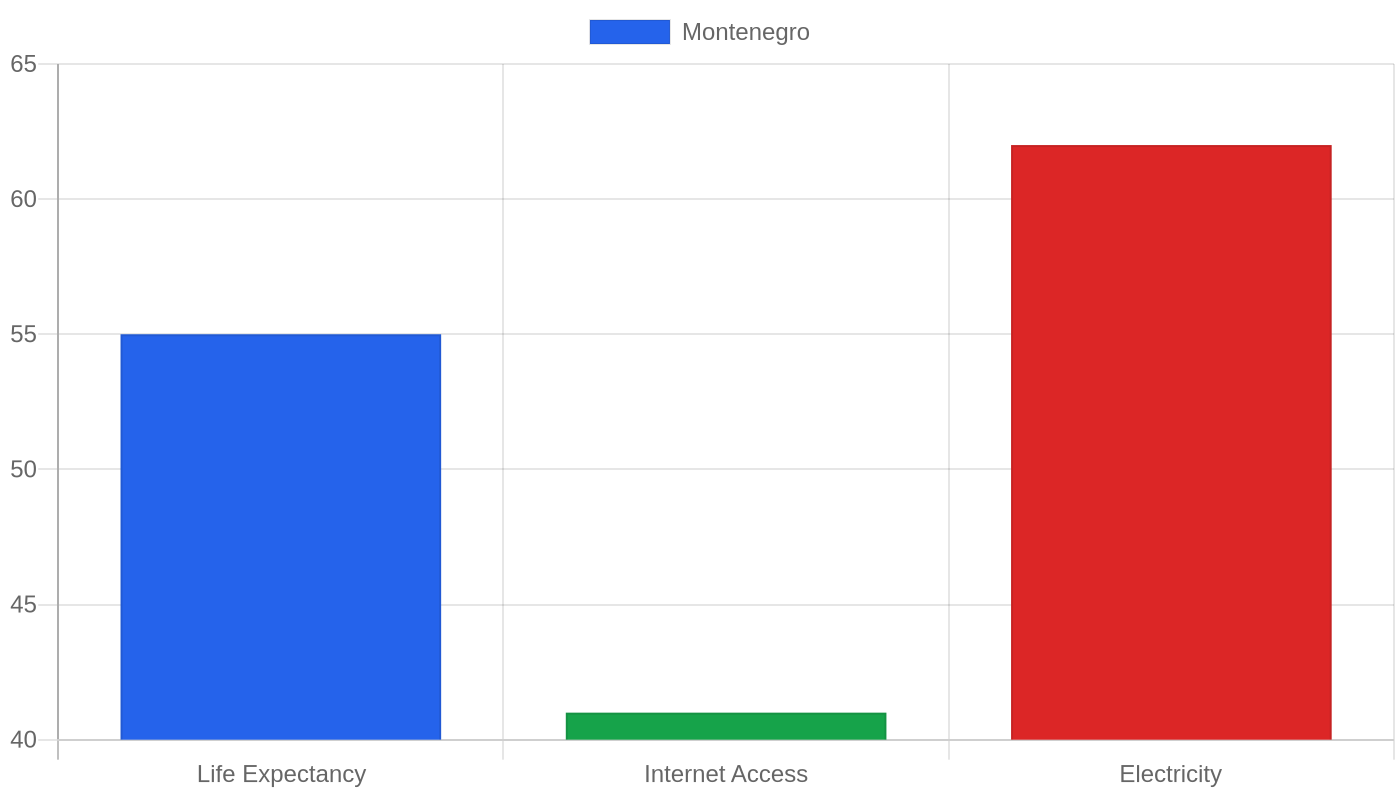
Economic Pulse Net | Sources: World Bank World Development Indicators, Government Sources | 2026
Key Takeaways
– Montenegro operates as a parliamentary democratic republic with a codified constitution that defines it as a “civic, democratic, ecological state of social justice” — a unique blend of European values and Balkan identity.
– The economy is anchored by state-controlled utilities and a handful of dominant private companies, with tourism and energy emerging as critical sectors.
– Despite lacking recent World Bank economic indicators, Montenegro’s corporate landscape reveals a nation still transitioning from industrial legacy to a service-based economy.
– Political stability under a multi-party system remains a work in progress, with the constitution’s lofty ideals tested by practical governance challenges.
– Investors should watch Montenegro for its strategic Adriatic position and tourism potential, though transparency and data gaps remain hurdles.
The Economy of Transition — From Aluminium to Adriatic Ambitions
Montenegro’s economic story is written in the tension between its industrial past and its service-oriented future. The World Bank data provided offers no current figures for GDP growth, inflation, or unemployment — a silence that itself speaks volumes about the challenges of tracking this small Balkan economy. What we do know, from the corporate landscape, is that the country’s economic backbone is a curious mix of old industry and new services.
At the heart of Montenegro’s industrial heritage stands Aluminium Plant Podgorica, a basic materials giant that once symbolized the country’s manufacturing ambitions. Alongside it, **Elektroprivreda Crne Gore** dominates the utilities sector, while **Crnogorski Elektroprenosni Sistem** manages the national electricity grid. These state-linked enterprises suggest an economy where government still plays a commanding role.
Yet the presence of **Crnogorski Telekom** in telecommunications and **NLB Banka Podgorica** in financials points to a gradual opening to private and foreign capital.
The tourism sector, represented by Budvanska Rivijera and **Di Air** in consumer services, alongside the now-defunct **Montenegro Airlines**, reveals both potential and fragility. Montenegro’s Adriatic coastline has long been a draw for European tourists, but the airline’s presence on the top companies list — even as it struggled — underscores how dependent the economy is on connectivity and visitor flows.
The oil and gas sector, via **Jugopetrol Kotor**, adds a traditional energy dimension, though global price volatility makes this a double-edged sword.
Without hard data from the World Bank, we must read between the lines. The absence of recent GDP or inflation figures may indicate statistical capacity challenges common among smaller transition economies. What is clear is that Montenegro sits at a crossroads: its industrial base is aging, its service sector is growing, and its economic future likely hinges on how successfully it can leverage its natural beauty and strategic location.
The Cost of Living — Balancing Beauty and Affordability
Montenegro’s cost of living story is one of contrasts, though specific data is not provided by the World Bank. The country’s appeal to tourists and second-home buyers from wealthier European nations has historically pushed prices upward in coastal areas like Budva and Kotor, while inland regions and the capital Podgorica remain more affordable.
Rent versus buy decisions depend heavily on location: seaside properties command premiums that can rival Western European prices, while inland housing offers better value.
Daily expenses for Montenegrins are shaped by the country’s reliance on imports for many consumer goods, which can inflate prices relative to regional neighbors. Food, utilities, and transportation form the bulk of household spending, with the state’s role in energy pricing — through companies like Elektroprivreda Crne Gore — providing some buffer against market fluctuations.
For visitors and expatriates, Montenegro offers a relatively lower cost of living compared to Western Europe, though this advantage narrows in tourist hotspots.
The broader regional context matters. Montenegro’s cost structure sits between the cheaper economies of the Western Balkans and the pricier Eurozone nations. Without specific CPI data from the World Bank, it is impossible to pinpoint inflation trends, but the presence of multiple consumer service companies suggests a growing retail and hospitality sector that both responds to and drives local pricing dynamics.
Investment and Business Climate — A Landscape of Potential and Pitfalls
Montenegro’s top companies list reads like a map of investment opportunities and cautionary tales. The financial sector, represented by NLB Banka Podgorica and the **Central Bank of Montenegro**, provides the institutional framework for capital flows, though the central bank’s presence on the list underscores the state’s heavy hand in economic management. For investors, this means navigating a system where regulatory oversight and state ownership coexist.
The utilities sector offers stable but potentially low-growth opportunities. Crnogorski Elektroprenosni Sistem and **Elektroprivreda Crne Gore** are essential infrastructure plays, but their state ownership can limit private participation and returns. More dynamic are the consumer services companies: **Budvanska Rivijera** in tourism and **Di Air** in aviation point to sectors where Montenegro has natural advantages.
The Adriatic coast, with its UNESCO-listed towns and burgeoning yacht tourism, remains a draw for hospitality investors.
Telecommunications, via Crnogorski Telekom, and oil and gas, through **Jugopetrol Kotor**, round out a corporate landscape that is small but diverse. The business environment itself, as defined by Montenegro’s constitutional framework, is built on the rule of law and multi-party democracy. However, the practical reality for investors includes bureaucratic hurdles, a relatively small domestic market, and exposure to regional geopolitical risks.
Those looking at Montenegro should focus on tourism infrastructure, renewable energy, and digital services — sectors where the country’s natural and human capital align.
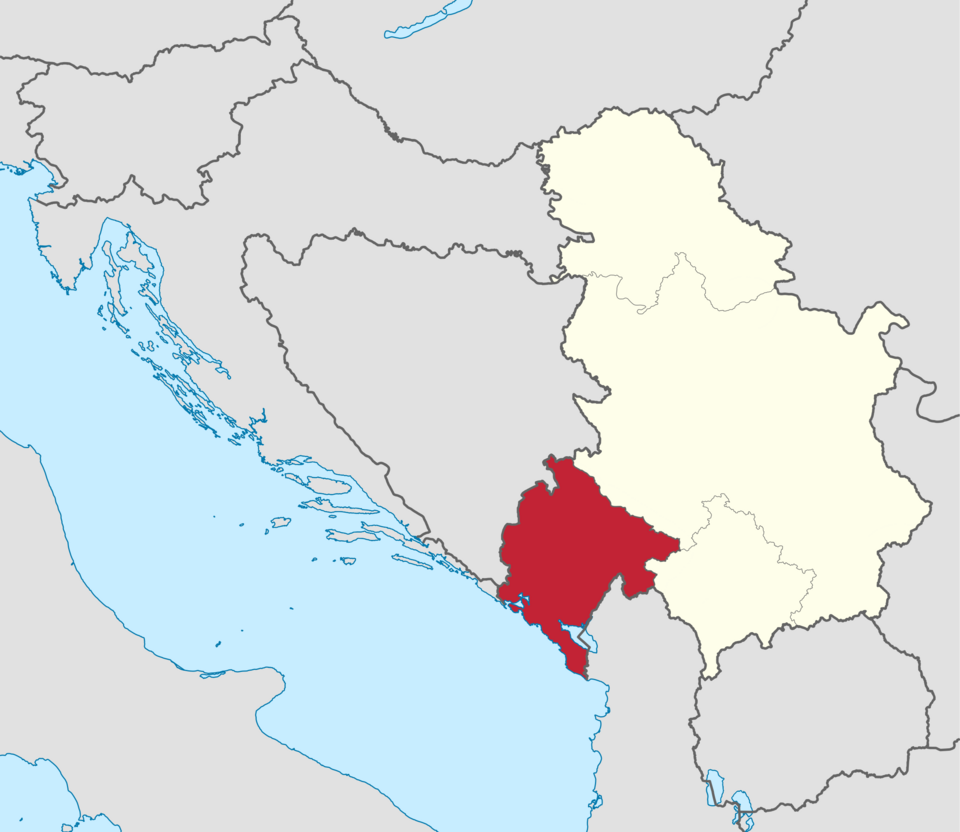
Safety, Politics, and Quality of Life — Democracy on the Adriatic
Montenegro’s political landscape, as described in the provided data, is that of a “parliamentary representative democratic republic with a codified constitution established in 2007.” The constitution’s language is aspirational — describing Montenegro as a “civic, democratic, ecological state of social justice, based on the reign of law.” This framing, combined with the multi-party system, positions Montenegro firmly within European democratic norms, though the gap between constitutional ideals and daily governance is a familiar story across the Balkans.
Crime and safety indices are not provided, making it impossible to offer specific comparisons. What can be said is that Montenegro, as a small country with a significant tourism sector, generally prioritizes public safety for visitors and residents alike. Petty crime can be a concern in tourist areas, but violent crime is less common. The political landscape is characterized by shifting coalitions and occasional instability, a reflection of the multi-party system’s competitive nature.
Quality of life in Montenegro is defined by its environment. The constitution’s reference to an “ecological state” is not merely rhetorical — the country’s mountains, coastline, and protected areas are central to both its identity and its economy. For residents, this means access to natural beauty that few European nations can match, though public services and infrastructure outside tourist zones can be inconsistent.
The balance between development and environmental protection remains a live political issue.
What’s Happening Now — Navigating Data Gaps and Future Paths
Right now, Montenegro finds itself in a peculiar position. The absence of recent World Bank economic data — no GDP growth, no inflation, no unemployment figures — creates a vacuum that is itself newsworthy. For a country seeking European Union integration and foreign investment, statistical transparency is not a bureaucratic nicety but a fundamental requirement.
The fact that these numbers are unavailable suggests either data collection challenges or a reluctance to publish figures that might not tell a flattering story.
The corporate landscape offers real-time clues. Montenegro Airlines presence on the top companies list, despite its well-documented financial struggles, hints at the ongoing challenges in the aviation and tourism sectors. Meanwhile, **Budvanska Rivijera** and **Di Air** represent the consumer-facing side of an economy that is betting on tourism recovery.
The utilities companies — **Elektroprivreda Crne Gore** and **Crnogorski Elektroprenosni Sistem** — are navigating the twin pressures of aging infrastructure and the green energy transition.
Politically, the multi-party system continues to produce the coalition governments that have become Montenegro’s norm. The constitutional commitment to being an “ecological state” is increasingly relevant as global climate pressures mount and European investors demand sustainability credentials. For now, Montenegro’s story is one of potential waiting to be quantified — a country whose economic narrative is being written in real time, even if the official statistics have not yet caught up.
The Bottom Line
Montenegro is a country for patient investors and curious travelers — those willing to look beyond missing data points and see the underlying potential. Its strategic Adriatic location, natural beauty, and constitutional commitment to democracy and ecology offer a foundation for growth, particularly in tourism and renewable energy. However, the lack of transparent economic indicators from the World Bank should give pause to anyone seeking quick returns or clear visibility.
Watch Montenegro for its long-term story, not its quarterly numbers.
Sources & Methodology
This article is authored by Economic Pulse Net for informational and research purposes. Economic Pulse Net sources its data from multilateral institutions, national statistics bureaus, and proprietary databases. All data is believed to be current as of the date of publication.
Published: July 18, 2026 | Category: Research — Montenegro
Use these signals in your own platform
Economic Pulse publishes its live signal feed through a documented, read-only API. Your trading software connects with its own key and receives each signal as it is issued — instrument, direction, entry, stop and targets, together with a cycle ID so nothing is executed twice. The feed is independent of this website and cannot change it.
Signals are informational only and are not financial advice.