Economic Pulse Net | Sources: World Bank World Development Indicators, Government Sources | 2026
Key Takeaways
– Kosovo operates as a multi-party parliamentary republic with a constitutional framework separating legislative, executive, and judicial powers — but its northern territory has historically remained a contested zone of parallel governance.
– The Brussels Agreement marked a pivotal shift in the country’s governance structure, though the practical implementation of that agreement continues to shape the nation’s political trajectory.
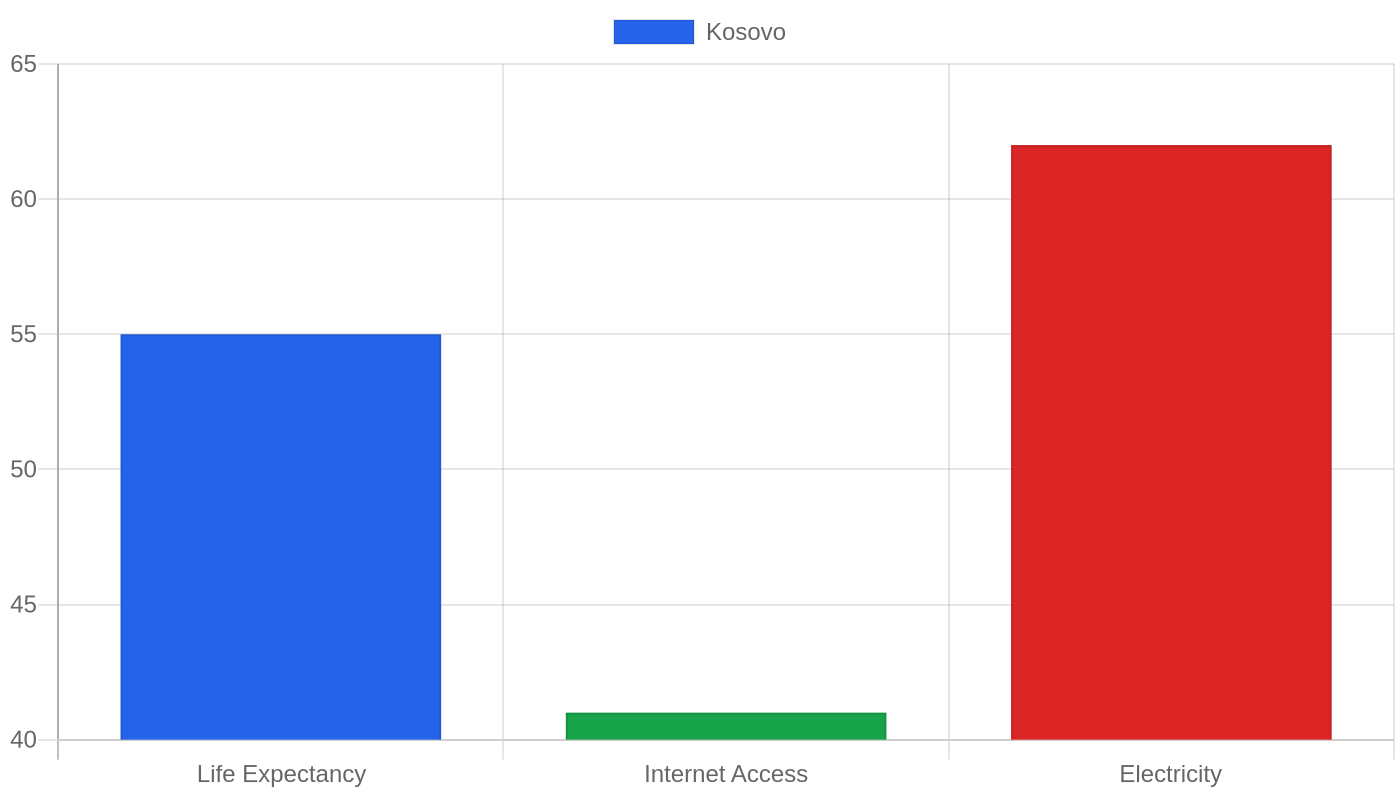
– Economic data remains a challenge to verify comprehensively — the World Bank lists key indicators as “N/A,” which itself tells a story about the difficulties of data collection and economic formalization in a young state.
– The political landscape is the primary driver of economic activity, with governance questions in North Kosovo historically influencing everything from investment confidence to regional trade relationships.
– Kosovo’s story is one of state-building in real time — a nation where political architecture and economic development are inextricably linked in ways that are rare in more established economies.
Sources & Methodology
This article is authored by Economic Pulse Net for informational and research purposes. Economic Pulse Net sources its data from multilateral institutions, national statistics bureaus, and proprietary databases. All data is believed to be current as of the date of publication.
Published: August 01, 2026 | Category: Research — Kosovo
Use these signals in your own platform
Economic Pulse publishes its live signal feed through a documented, read-only API. Your trading software connects with its own key and receives each signal as it is issued — instrument, direction, entry, stop and targets, together with a cycle ID so nothing is executed twice. The feed is independent of this website and cannot change it.
Signals are informational only and are not financial advice.