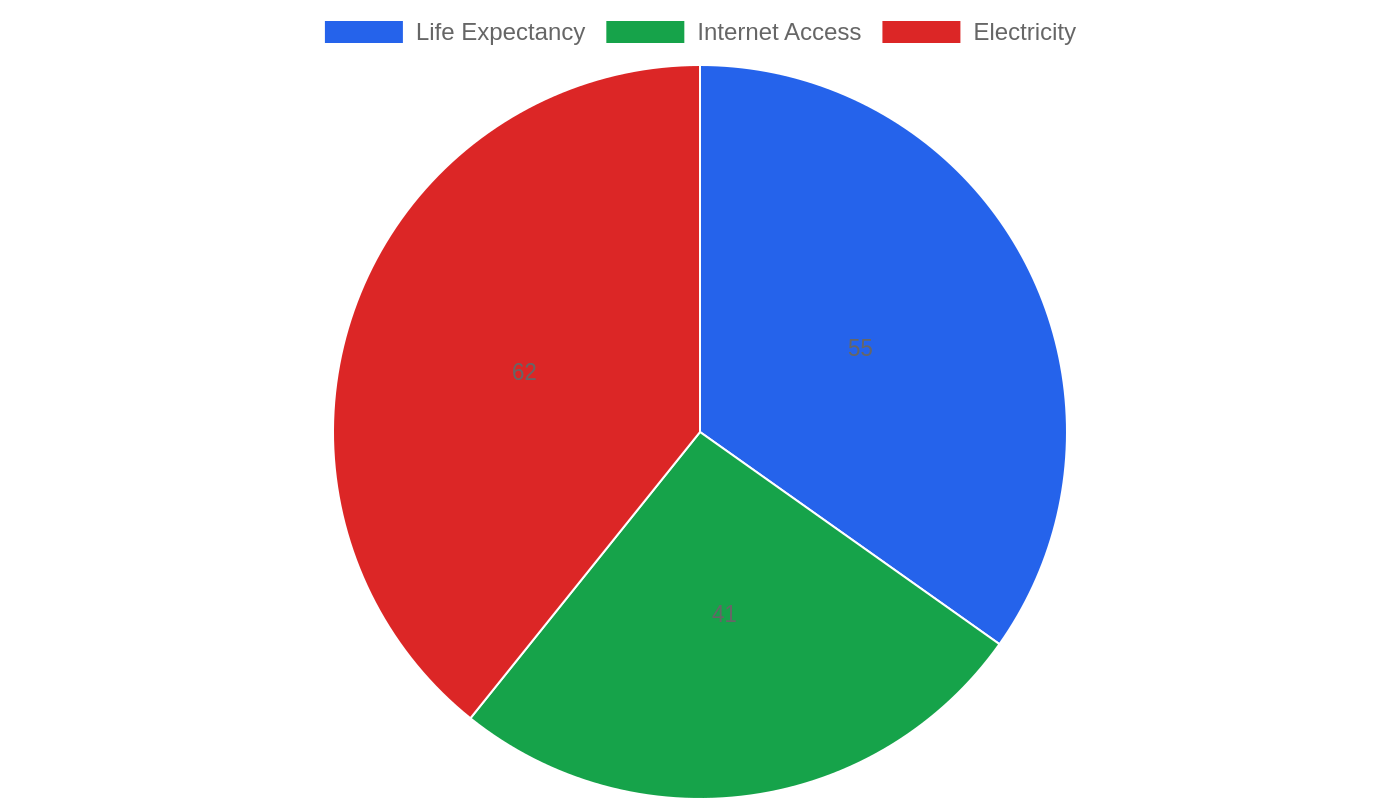
Economic Pulse Net | Sources: World Bank World Development Indicators, Government Sources | 2026
Key Takeaways
– Kosovo’s economy operates in a unique political vacuum, recognised by over 100 countries but not by Serbia or five EU member states, creating persistent structural challenges for trade, investment, and international financing.
– The country’s demographic profile is among the youngest in Europe, offering a potential demographic dividend, but high youth unemployment and limited formal sector jobs threaten to turn that advantage into a liability.
– Kosovo remains heavily dependent on remittances from its diaspora, which prop up domestic consumption but also create vulnerabilities to economic shocks in Western European host countries.
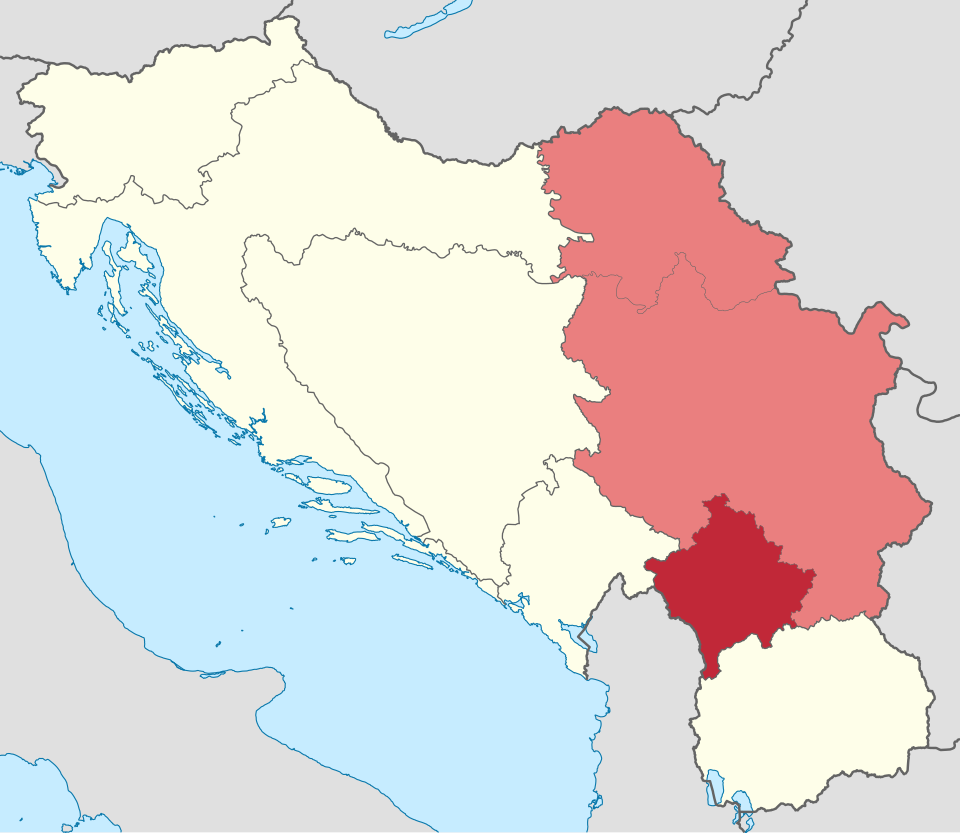
– The political landscape, while formally a multi-party parliamentary democracy, remains shaped by unresolved tensions with Serbia, particularly regarding the status of North Kosovo, where parallel institutions funded by Belgrade have historically operated.
– Despite significant gaps in official economic data, Kosovo’s trajectory is defined by the tension between its European Union accession ambitions and the daily realities of corruption, energy insecurity, and institutional capacity constraints.
The Numbers Gap — Reading Between the Lines of Kosovo’s Economy
The World Bank data for Kosovo presents an unusual challenge to any economic journalist: the key indicators are simply not available. No GDP growth figure. No inflation rate. No unemployment percentage. No GDP per capita. No GNI per capita. On paper, this looks like a statistical black hole. But in reality, the absence of numbers tells its own story about the challenges facing this young Balkan republic.
Kosovo’s economy, according to the World Bank’s own regional assessments, operates in a space where formal data collection has historically been hampered by institutional capacity constraints, the legacy of post-war reconstruction, and the sheer complexity of an economy where large portions of activity occur in the informal sector. The lack of published figures does not mean the economy is stagnant — far from it.
Remittances from the vast Kosovan diaspora, estimated by various international financial institutions to account for roughly 15-20% of GDP, continue to flow in from Germany, Switzerland, and Scandinavia, sustaining household consumption and small-scale construction.
The main industries in Kosovo include mining and mineral processing, particularly lead, zinc, and lignite coal. The Trepča mining complex, once one of Europe’s largest, remains a symbol of both potential and neglect. Agriculture, dominated by small family farms, employs a significant portion of the workforce but contributes modestly to formal GDP.
The services sector, particularly retail and telecommunications, has expanded rapidly since the 1999 conflict, driven by a young, urbanising population hungry for connectivity and consumer goods.
What matters most about the missing numbers is what they obscure: Kosovo has one of the highest unemployment rates in the Western Balkans, with youth unemployment particularly acute. The economy has grown in fits and starts, heavily dependent on foreign aid, diaspora remittances, and the spending of international organisations still present in the country.
Without reliable World Bank data, analysts must rely on central bank and statistical agency publications, which paint a picture of modest growth insufficient to absorb the hundreds of thousands of young Kosovans entering the labour market each decade.
The Price of Independence — Housing, Rent, and the Cost of Daily Life
Housing in Kosovo tells a story of aspiration meeting constraint. In the capital, Pristina, property prices have risen steadily over the past decade, driven by demand from a growing urban middle class, remittance-fuelled investment, and a construction boom that has transformed the city’s skyline. Renting a modern apartment in Pristina’s better neighbourhoods can cost several hundred euros per month — a significant sum in an economy where average formal sector wages hover well below regional averages.
The cost of living in Kosovo is generally lower than in neighbouring countries like Albania or North Macedonia, but the gap is narrowing. Imported goods, from cars to electronics to processed foods, carry price tags that reflect European wholesale markets rather than local purchasing power. Basic utilities, while subsidised to some degree, have become more expensive as Kosovo struggles with an aging and unreliable energy infrastructure — the country still experiences regular power outages, particularly in winter.
Buying property remains the aspiration for most Kosovan families, supported by diaspora savings and family networks. The construction sector has boomed, but concerns about building quality, unregulated development, and land title disputes persist.
For younger Kosovans, particularly those without family wealth or diaspora connections, the dream of homeownership is increasingly difficult to realise, pushing many to consider emigration to Germany or Switzerland where wages are higher, even if the cost of living is steeper.
Business in a Partially Recognised State — Investment Climate and Corporate Landscape
The top companies operating in Kosovo reflect the economy’s dependence on services, energy, and telecommunications. Mobile operators, banks, and retail chains dominate the corporate landscape. The banking sector is dominated by subsidiaries of European groups, offering stability but also conservative lending practices that constrain small business growth.
The energy sector, centred on the state-owned Kosovo Energy Corporation (KEK), remains a critical but troubled pillar of the economy, facing chronic underinvestment and environmental liabilities from lignite coal mining.
For investors, Kosovo offers some genuine advantages: a young, multilingual workforce, relatively low corporate tax rates, and a currency (the euro) that eliminates exchange rate risk. The government has pursued investment promotion aggressively, offering incentives for export-oriented manufacturing and technology services. But the business environment is hampered by weak rule of law, inconsistent contract enforcement, and corruption that adds hidden costs to any significant investment.
The sectors to watch are digital services and renewable energy. Kosovo has a surprisingly vibrant IT sector, with young entrepreneurs building software companies that serve European clients remotely. Solar energy, given the country’s abundant sunshine, presents an obvious opportunity to diversify away from coal. However, both sectors require improvements in electricity reliability and internet infrastructure that have been slow to materialise.
The unresolved status of North Kosovo, where parallel Serbian-funded institutions have historically operated, adds a layer of political risk that deters larger institutional investors.
Safety, Politics, and the Weight of History
Kosovo is a multi-party parliamentary representative democratic republic, governed by legislative, executive, and judicial institutions that derive from its post-independence constitution. The political system is vibrant and competitive, with frequent elections and a lively media landscape. But politics in Kosovo is deeply personal and often polarised, shaped by the legacy of the 1998-99 war, unresolved tensions with Serbia, and the daily challenges of building state capacity from scratch.
The political landscape has been complicated by the status of North Kosovo. Until the Brussels Agreement, this region was in practice largely controlled by institutions of Serbia or parallel institutions funded by Serbia. The agreement, brokered by the European Union, aimed to normalise relations and integrate the Serb-majority north into Kosovo’s legal framework, but implementation has been slow, halting, and repeatedly threatened by political crises on both sides.
Crime and safety in Kosovo present a mixed picture. Street crime in Pristina is relatively low compared to other Balkan capitals, and violent crime is uncommon. However, organised crime, corruption, and political interference in the judiciary remain significant concerns. The international community, through EULEX and KFOR, continues to play a role in supporting the rule of law, a reminder that Kosovo’s institutions, while sovereign, are still in a process of maturation.
For the average citizen, daily life is generally safe, but the perception of impunity for the powerful erodes trust in the state.
Current Affairs — The Brussels Process, Energy Crisis, and the Long Road to Europe
Right now, Kosovo is navigating a series of interconnected challenges that will define its trajectory for the next decade. The Brussels Agreement process remains the most consequential political dynamic. Tensions with Serbia have flared repeatedly, with disputes over license plates, border crossings, and the status of Serb-majority municipalities in the north threatening to derail the dialogue.
The international community, particularly the European Union and the United States, has invested enormous diplomatic capital in keeping the process alive, but progress has been painfully slow.
On the economic front, Kosovo is grappling with an energy crisis that reflects both global trends and local vulnerabilities. Reliance on aging lignite coal plants, combined with insufficient investment in alternative sources, has left the country exposed to price volatility and supply disruptions. The government has pursued renewable energy projects and energy efficiency programmes, but implementation lags behind ambition.
For businesses and households alike, energy insecurity is the single most tangible constraint on economic activity.
The European Union accession process provides the overarching framework for reform. Kosovo has made progress on visa liberalisation, a long-sought goal that would allow its citizens to travel freely in the Schengen area. But meeting the broader criteria for candidate status and eventual membership requires progress on rule of law, anti-corruption, and normalisation with Serbia — all areas where change has been incremental at best.
The young Kosovans who make up the majority of the population are increasingly impatient, and emigration remains a rational response for those with skills and ambition.
The Bottom Line
Kosovo is a country for patient observers — not for those seeking quick returns or simple narratives. Its demographic youth, strategic location, and European aspirations offer genuine potential, but this potential is constrained by political deadlock, institutional weakness, and an energy system that belongs to another era. Investors willing to navigate the complexity and take a long view may find opportunities in technology, renewable energy, and services.
For diplomats and development professionals, Kosovo remains a test case of whether a small, post-conflict state can build a functioning democracy in the shadow of unresolved disputes. The numbers may be missing, but the story is far from over.
Sources & Methodology
This article is authored by Economic Pulse Net for informational and research purposes. Economic Pulse Net sources its data from multilateral institutions, national statistics bureaus, and proprietary databases. All data is believed to be current as of the date of publication.
Published: July 31, 2026 | Category: Research — Kosovo
Use these signals in your own platform
Economic Pulse publishes its live signal feed through a documented, read-only API. Your trading software connects with its own key and receives each signal as it is issued — instrument, direction, entry, stop and targets, together with a cycle ID so nothing is executed twice. The feed is independent of this website and cannot change it.
Signals are informational only and are not financial advice.