Economic Pulse Net | Sources: World Bank World Development Indicators, Government Sources | 2026
Key Takeaways
– Hungary’s political system operates under a heavily reformed Fundamental Law, with a two-thirds parliamentary supermajority typically required for constitutional changes—a structure that has concentrated power and shaped the country’s economic trajectory.
– The nation’s corporate landscape is dominated by a mix of state-linked enterprises and private champions across telecommunications, banking, chemicals, and consumer goods, reflecting a hybrid economic model.
– Major employers like BorsodChem and Budapest Bank anchor traditional industries, while newer players like 4iG signal a push into digital infrastructure.
– Hungary’s consumer economy shows resilience through domestic brands like CBA retail and Borsod Brewery, suggesting a self-sustaining internal market.
– The political framework includes “eternity clauses” protecting human dignity, separation of powers, and the rule of law—though observers watch how these interact with actual governance practices.
The Economic Engine: A Hybrid Model in Transition
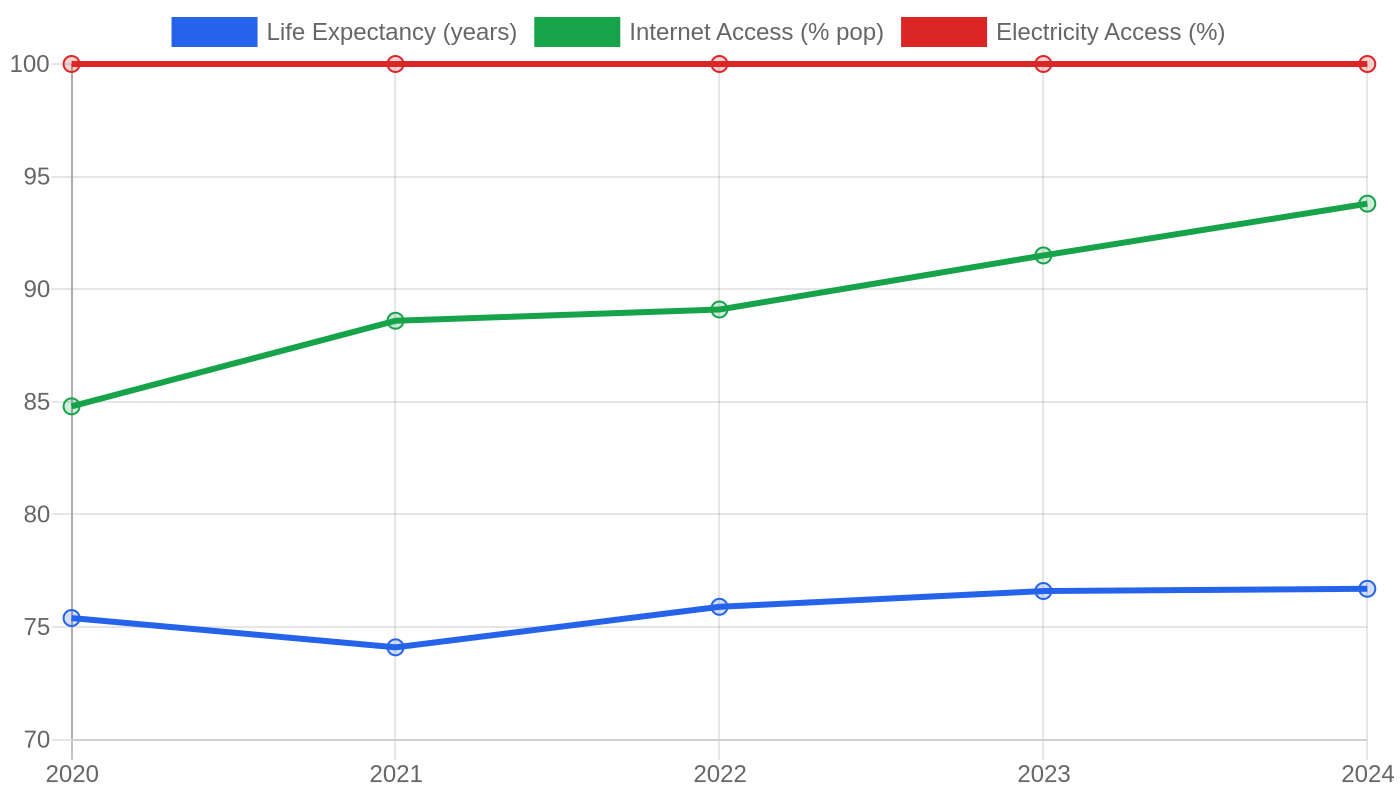
Hungary’s economy presents a fascinating case study in how a mid-sized European nation navigates between East and West, between state influence and market forces. The World Bank’s most recent data collection shows gaps in headline indicators, but the structural picture emerges clearly from the country’s industrial composition. The manufacturing and chemicals sectors, anchored by companies like BorsodChem in the basic materials space, continue to form the backbone of Hungarian export capacity.
Meanwhile, the rise of 4iG in telecommunications signals a strategic bet on digital infrastructure as a future growth driver.
The employment landscape tells a story of a workforce distributed across traditional and emerging sectors. BKV Zrt. maintains urban mobility systems, while Budapest Aircraft Service and ASL Airlines Hungary represent the aviation and logistics segments that connect the country to broader European supply chains. This diversity suggests an economy that has avoided over-reliance on any single sector, even as global headwinds test its resilience.
The presence of AstridBio in healthcare indicates developing capabilities in life sciences, a sector many analysts view as high-value and recession-resistant.
What makes Hungary’s economic model particularly noteworthy is the interplay between state-owned or state-influenced enterprises and private competition. The banking sector, represented by Budapest Bank, operates within a regulatory environment that has at times favored domestic players over international groups. This hybrid approach has produced steady, if unspectacular, growth historically, though it raises questions about long-term competitiveness and foreign investment appeal.
The World Bank’s framework would typically emphasize productivity gains and institutional quality as determinants of sustained growth—areas where Hungary’s record remains mixed.
Housing and Daily Life: The Cost of Living Puzzle
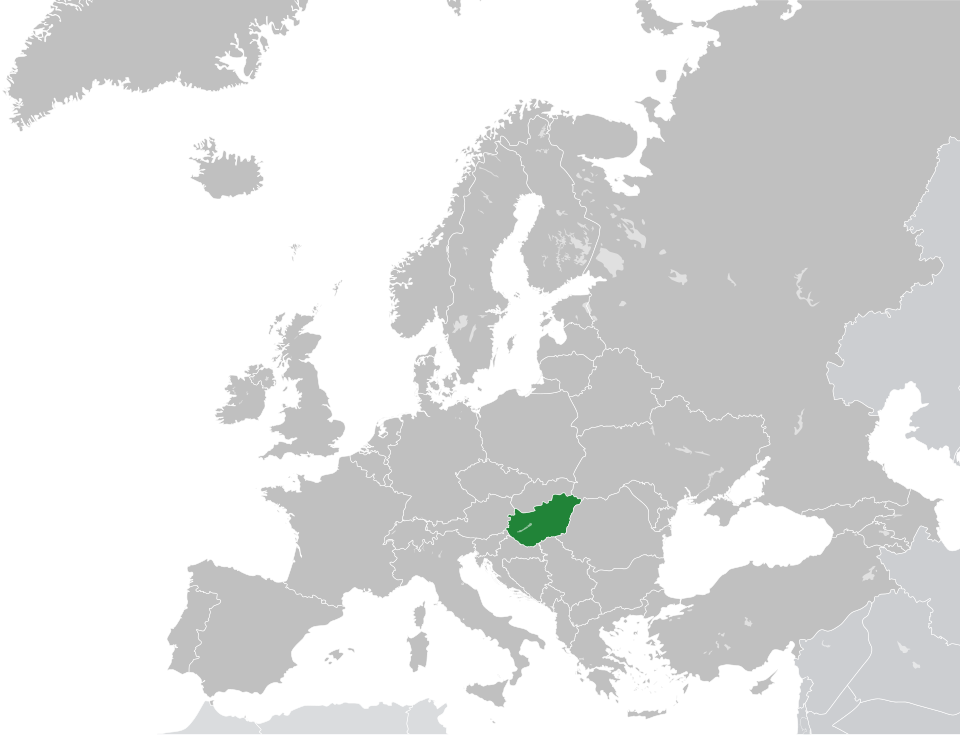
Without current inflation or housing cost indices from the World Bank, the lived experience of Hungarian households must be understood through the lens of the country’s economic structure and regional position. Hungary sits at a crossroads in Central Europe, where prices for everyday goods have historically run below Western European averages but above those of its eastern neighbors.
The presence of CBA, a major grocery retail chain, suggests a competitive food retail market that helps moderate basic living costs for average consumers.
The housing market in Hungary’s capital and major cities has experienced significant transformation over the past decade, driven by a combination of domestic demand, EU structural funds, and foreign investment in real estate. For young Hungarians, the rent-versus-buy calculation increasingly favors renting in urban centers, where property prices have outpaced wage growth.
Outside Budapest, housing remains more affordable, though job opportunities are correspondingly scarcer, creating a geographic trade-off that shapes family decisions.
Daily expenses for food, transportation, and utilities consume a significant portion of household budgets, as they do across the region. The presence of Borsod Brewery in the consumer goods sector indicates a mature domestic beverage market, while Ajka Crystal represents the higher-end consumer segment that caters to both tourists and affluent locals. These consumption patterns suggest an economy where domestic demand provides a stable foundation, even when external conditions deteriorate.
Business and Investment: Where the Opportunities Lie
For investors and business leaders examining Hungary, the corporate roster reveals where the country’s comparative advantages actually sit. The chemicals and materials sector, led by BorsodChem, offers exposure to industrial supply chains that remain essential regardless of economic cycles. The telecommunications push by 4iG aligns with European Union digital agenda priorities, potentially positioning Hungarian firms for structural funding and private investment in network infrastructure.
Consumer services, represented by companies like ASL Airlines Hungary and Budapest Aircraft Service, tie into the tourism and logistics flows that have become increasingly important to the Central European economy. The financial sector, with Budapest Bank at its core, provides the intermediation services that businesses need to expand, though the regulatory environment requires careful navigation.
For foreign investors, the key question is whether Hungary’s political stability translates into predictable business conditions—a calculation that depends as much on political analysis as on economic fundamentals.
The health care sector, through companies like AstridBio, points toward future opportunities in biotechnology and pharmaceutical services. This is a sector where Hungary has historical strengths, dating back to its socialist-era chemical and pharmaceutical industries, and where the current government has expressed ambitions to expand.
The consumer goods landscape, from Borsod Brewery to Ajka Crystal, demonstrates that Hungarian brands can hold their own against international competitors in domestic and regional markets.
Politics, Safety, and the Quality of Life Equation
Hungary’s political system, as defined by the Fundamental Law reformed in 2012, creates a distinctive governance environment that directly impacts economic life. The requirement for a two-thirds supermajority to amend the constitution provides stability, but it also means that the ruling party, if it holds such a majority, faces few institutional checks on its legislative agenda.
The “eternity clauses” protecting human dignity, separation of powers, and the rule of law are constitutionally entrenched, but their practical enforcement depends on judicial interpretation and political will.
The safety situation in Hungary has generally been favorable compared to many European peers, with low rates of violent crime in most urban and rural areas. This safety contributes to quality of life in tangible ways—families feel comfortable walking in public spaces, businesses face lower security costs, and the tourism sector benefits from Hungary’s reputation as a secure destination.
The relationship between political stability and public safety is not coincidental; predictable governance tends to correlate with orderly social conditions.
For residents, the quality of life equation involves weighing economic opportunities against political freedoms and social services. Hungary’s position within the European Union provides access to the single market and structural funds, even as tensions with Brussels over rule-of-law issues have at times threatened funding flows.
The outcome of these negotiations will significantly affect Hungary’s ability to invest in infrastructure, education, and healthcare—all critical components of long-term quality of life.
Current Affairs: Navigating Sovereignty and Integration
The most pressing developments in Hungary today revolve around the tension between national sovereignty and European integration. The government’s constitutional reforms and policy choices have repeatedly brought it into conflict with European Union institutions, creating uncertainty about the flow of EU structural and cohesion funds that have historically supported Hungarian development.
These disputes are not merely political theater; they have direct economic consequences for infrastructure projects, agricultural subsidies, and regional development programs.
The corporate sector is responding to this environment with a mix of caution and opportunism. Companies like 4iG are positioning themselves to benefit from state-backed digitalization initiatives, while internationally exposed firms in chemicals and logistics are diversifying their market focus to reduce dependence on any single political outcome. The banking sector, represented by Budapest Bank, is navigating regulatory changes that affect lending conditions and foreign ownership structures.
Consumer confidence is being tested by the broader economic environment, as households weigh the stability of domestic employment against inflationary pressures and currency fluctuations. The presence of established consumer brands like CBA and Borsod Brewery provides a measure of continuity, but the underlying economic sentiment remains sensitive to political developments.
For international observers, Hungary represents a test case of whether a European nation can chart a distinctly different path while remaining within the EU’s institutional framework—and what that means for the continent’s economic and political future.
The Bottom Line
Hungary demands attention from anyone interested in the future of European political economy. It is a country where the traditional assumptions about liberal democracy and market economics are being actively questioned and reshaped in real time. For investors, the opportunities lie in sectors aligned with government priorities, but the risks require careful political analysis alongside financial due diligence.
For policymakers and researchers, Hungary offers a living laboratory of what happens when a European nation prioritizes sovereignty and national identity over integration and liberal norms. The outcome of this experiment will resonate far beyond Hungary’s borders, making it essential reading for anyone tracking Europe’s economic and political trajectory.
Sources & Methodology
This article is authored by Economic Pulse Net for informational and research purposes. Economic Pulse Net sources its data from multilateral institutions, national statistics bureaus, and proprietary databases. All data is believed to be current as of the date of publication.
Published: July 31, 2026 | Category: Research — Hungary
Use these signals in your own platform
Economic Pulse publishes its live signal feed through a documented, read-only API. Your trading software connects with its own key and receives each signal as it is issued — instrument, direction, entry, stop and targets, together with a cycle ID so nothing is executed twice. The feed is independent of this website and cannot change it.
Signals are informational only and are not financial advice.