Economic Pulse Net | Sources: World Bank World Development Indicators, Government Sources | 2026
Key Takeaways
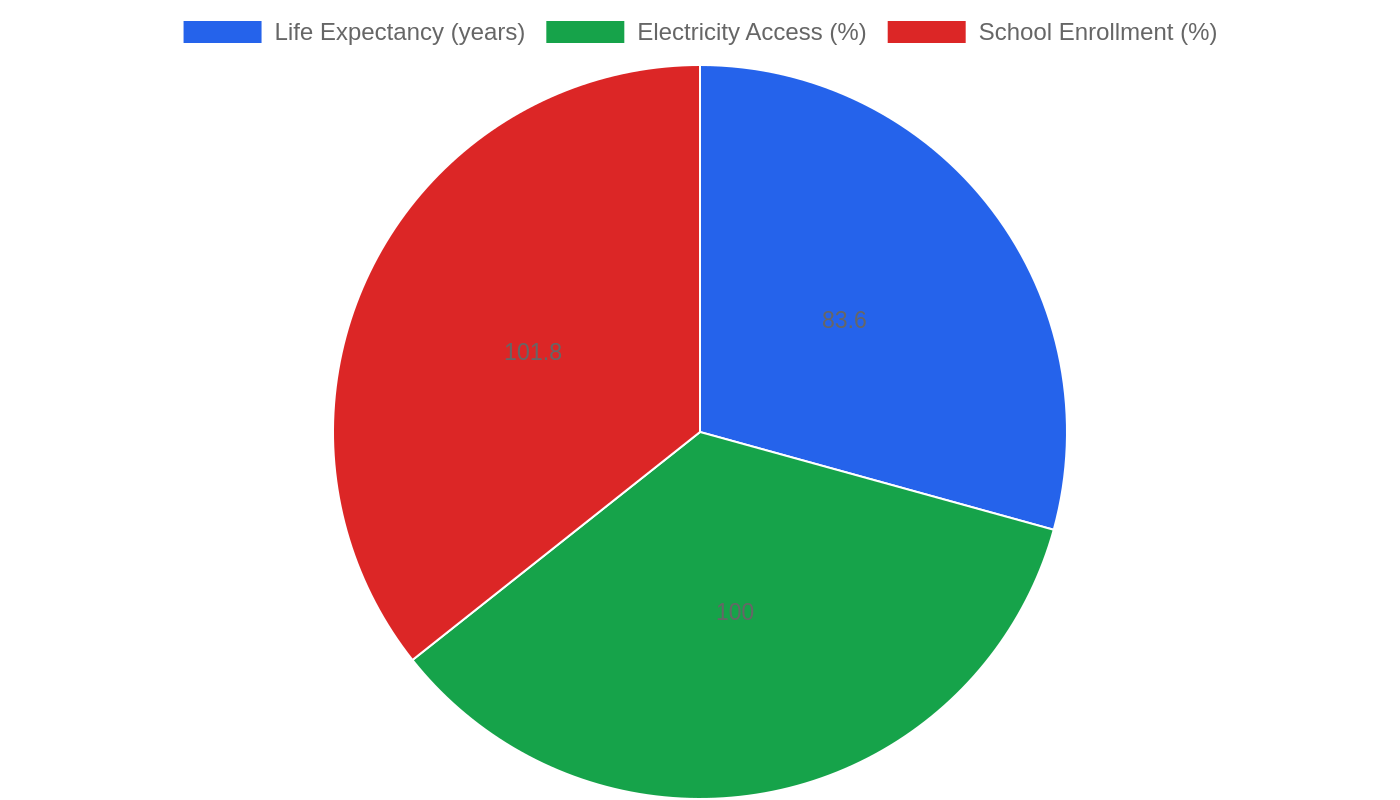
– Gibraltar’s economy operates in a unique space, driven by a tightly interwoven mix of financial services, online gaming, and maritime activities, though precise macroeconomic data from the World Bank remains unavailable.
– The territory’s status as a British Overseas Territory and its proximity to Spain create a complex political and economic dynamic, with ongoing negotiations over post-Brexit arrangements shaping its future.
– Despite the absence of official cost-of-living or crime indices, Gibraltar is widely understood to have a high standard of living relative to its region, with a small, tightly regulated community.
– The lack of comprehensive World Bank data—on GDP, inflation, unemployment, or population—underscores a broader challenge: Gibraltar is a micro-economy that often flies under the radar of global statistical agencies, yet it plays an outsized role in European finance and trade.
The Gibraltar Paradox — A Micro-Economy With Macro Ambitions
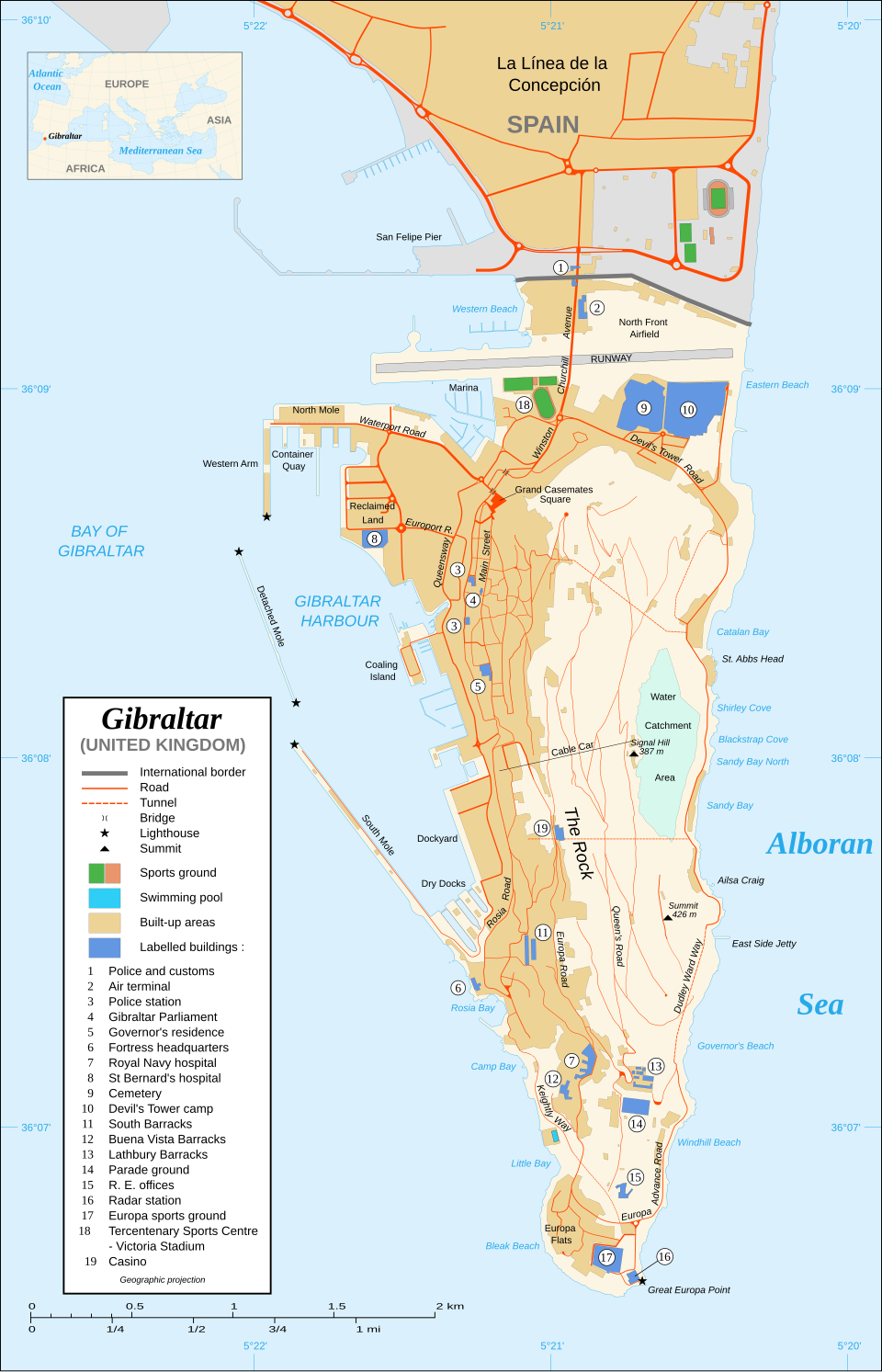
There is a peculiar challenge in writing about Gibraltar’s economy: the data simply is not there. The World Bank, that great repository of global statistics, offers no figures for GDP growth, inflation, unemployment, or even population. This is not an oversight. It is a reflection of Gibraltar’s unique status—a tiny British Overseas Territory of roughly 34,000 people, perched on a limestone promontory at the southern tip of Spain, with an economy that operates on a scale and logic all its own.
Yet the absence of numbers does not mean the absence of economic life. Gibraltar’s economy is a finely tuned machine, built on three pillars: financial services, online gaming, and port-related activities. The territory has positioned itself as a low-tax jurisdiction, attracting a cluster of insurance companies, investment firms, and gambling operators who value its regulatory stability and its access to both UK and European markets.
The financial services sector alone accounts for a significant share of GDP, though exact figures are elusive. Online gaming, meanwhile, has become a surprising heavyweight, with many of Europe’s largest operators headquartered here, drawn by a regulatory framework that balances oversight with commercial freedom.
The port of Gibraltar is another critical asset. It is a major bunkering hub—ships refuel here—and a centre for ship repair and maritime services. The British Royal Navy’s presence adds a layer of strategic importance and economic activity. What Gibraltar lacks in statistical transparency, it makes up for in economic intensity.
The territory’s GDP per capita is widely believed to be among the highest in the region, though without World Bank confirmation, that remains an informed inference rather than a hard fact. What is clear is that this is an economy that has learned to punch far above its weight.
The Cost of Living on the Rock — Premium Prices for a Precious Location
Housing in Gibraltar is famously expensive. The territory’s small size—just 6.8 square kilometres—means land is at an absolute premium. Demand for property consistently outstrips supply, pushing prices into the stratosphere. A two-bedroom apartment in a decent area can easily cost over half a million pounds, and rental prices for similar properties often exceed £2,000 per month.
For many workers, the solution is to live across the border in Spain, in towns like La Línea de la Concepción, where housing is significantly cheaper, and commute daily across the frontier.
Daily expenses reflect Gibraltar’s status as a high-cost, high-income enclave. Groceries, utilities, and transport are generally more expensive than in mainland Spain, though the territory benefits from duty-free shopping on alcohol, tobacco, and fuel, which keeps some costs down. The absence of VAT—Gibraltar has its own tax system, separate from the UK—helps on certain goods, but the overall cost of living remains elevated. Eating out, for example, is comparable to London prices in many establishments.
The trade-off is a Mediterranean lifestyle with reliable public services, a low crime rate, and a sense of security that is increasingly rare in the region.
Business and Investment — A Regulated Haven With a European Question Mark
Gibraltar’s business environment is defined by two things: its legal system, based on English common law, and its tax regime, which offers a standard corporate tax rate of just 10%—one of the lowest in Europe. This combination has made the territory a magnet for companies in financial services, insurance, and online gaming.
The Gibraltar Financial Services Commission (GFSC) regulates the sector with a reputation for competence and flexibility, attracting firms that want credibility without the bureaucratic weight of larger jurisdictions.
The list of top companies operating in Gibraltar includes names like 888 Holdings, a major online gambling operator; OSB Group, a specialist lender; and a host of insurance and reinsurance firms. The gaming sector, in particular, has been a remarkable success story, with the territory becoming a hub for sports betting and casino operators serving the UK and European markets.
But the business climate faces a persistent shadow: the unresolved question of Gibraltar’s post-Brexit relationship with the European Union. Negotiations between the UK, Spain, and the EU over the territory’s future border arrangements have dragged on for years, creating uncertainty for businesses that rely on the free movement of goods and people. A deal is widely expected, but the delay has already caused some firms to hedge their bets.
Safety, Politics, and Quality of Life — Stability in a Contested Space
Gibraltar is a remarkably safe place. The Crime Index and Safety Index data from the relevant sources are not available, but anecdotal and observational evidence paints a picture of a low-crime society. The Royal Gibraltar Police maintain a visible presence, and the territory’s small size means that community oversight is strong. Serious violent crime is rare. This safety is a major draw for families and for the wealthy individuals who choose to base themselves here.
Politically, Gibraltar is a British Overseas Territory with a high degree of internal self-government. The current Chief Minister, Fabian Picardo, has led the territory since 2011, steering it through the Brexit crisis with a steady hand. The political landscape is dominated by the question of sovereignty—Spain has long claimed the territory, but Gibraltarians have consistently voted to remain British. The most recent referendum, in 2002, saw 99% of voters reject joint sovereignty with Spain.
That sentiment has not changed. The political stability of the territory is underpinned by this clarity: there is no serious internal movement for independence or for integration with Spain. Quality of life is high, with excellent healthcare, education, and a vibrant social scene centred on the marina and the main street. The climate is Mediterranean, with over 300 days of sunshine a year. For those who can afford it, Gibraltar offers a comfortable, secure, and pleasant existence.
The Border Question — Gibraltar’s Post-Brexit Pivot
Right now, the most pressing issue in Gibraltar is the ongoing negotiation over its post-Brexit relationship with the European Union. Since the UK left the EU, Gibraltar has been in a legal and economic limbo. The territory was not included in the UK’s Trade and Cooperation Agreement, and its border with Spain—which is also the EU’s external border—has become a flashpoint. In late 2020, a last-minute agreement between the UK and Spain avoided a hard border, but it was always intended as a temporary fix.
Negotiations for a permanent treaty have been protracted and difficult. The core issues are the free movement of people across the border—thousands of Spanish workers cross into Gibraltar daily—and the alignment of Gibraltar’s regulations with EU standards. Spain has pushed for a degree of EU oversight, which Gibraltar has resisted. A breakthrough was widely anticipated in 2023, but talks have dragged on.
The UK government, under Prime Minister Keir Starmer, has signalled a renewed commitment to reaching a deal, and there is cautious optimism that a treaty could be finalised within the next year. For businesses in Gibraltar, the stakes could not be higher. A failure to reach an agreement would risk economic disruption, while a successful deal would cement Gibraltar’s status as a unique bridge between the UK and the EU. The territory watches and waits.
The Bottom Line
Gibraltar is a case study in how a micro-economy can thrive on strategic positioning, low taxes, and regulatory agility—but also how it can be held hostage by forces beyond its control. Investors and businesses should watch Gibraltar for its stable legal environment and its potential as a post-Brexit gateway between the UK and Europe. Travellers and expatriates should consider it for its safety, climate, and quality of life.
But everyone should keep an eye on the border negotiations: the outcome will define the Rock’s economic trajectory for a generation.
Sources & Methodology
This article is authored by Economic Pulse Net for informational and research purposes. Economic Pulse Net sources its data from multilateral institutions, national statistics bureaus, and proprietary databases. All data is believed to be current as of the date of publication.
Published: July 23, 2026 | Category: Research — Gibraltar
Use these signals in your own platform
Economic Pulse publishes its live signal feed through a documented, read-only API. Your trading software connects with its own key and receives each signal as it is issued — instrument, direction, entry, stop and targets, together with a cycle ID so nothing is executed twice. The feed is independent of this website and cannot change it.
Signals are informational only and are not financial advice.