Economic Pulse Net | Sources: World Bank World Development Indicators, Government Sources | 2026
Key Takeaways
– The Czech Republic operates as a stable, pluralist multi-party parliamentary democracy, with a bicameral Parliament consisting of the Chamber of Deputies (200 members) and the Senate (81 members), providing a solid foundation for economic policy continuity.
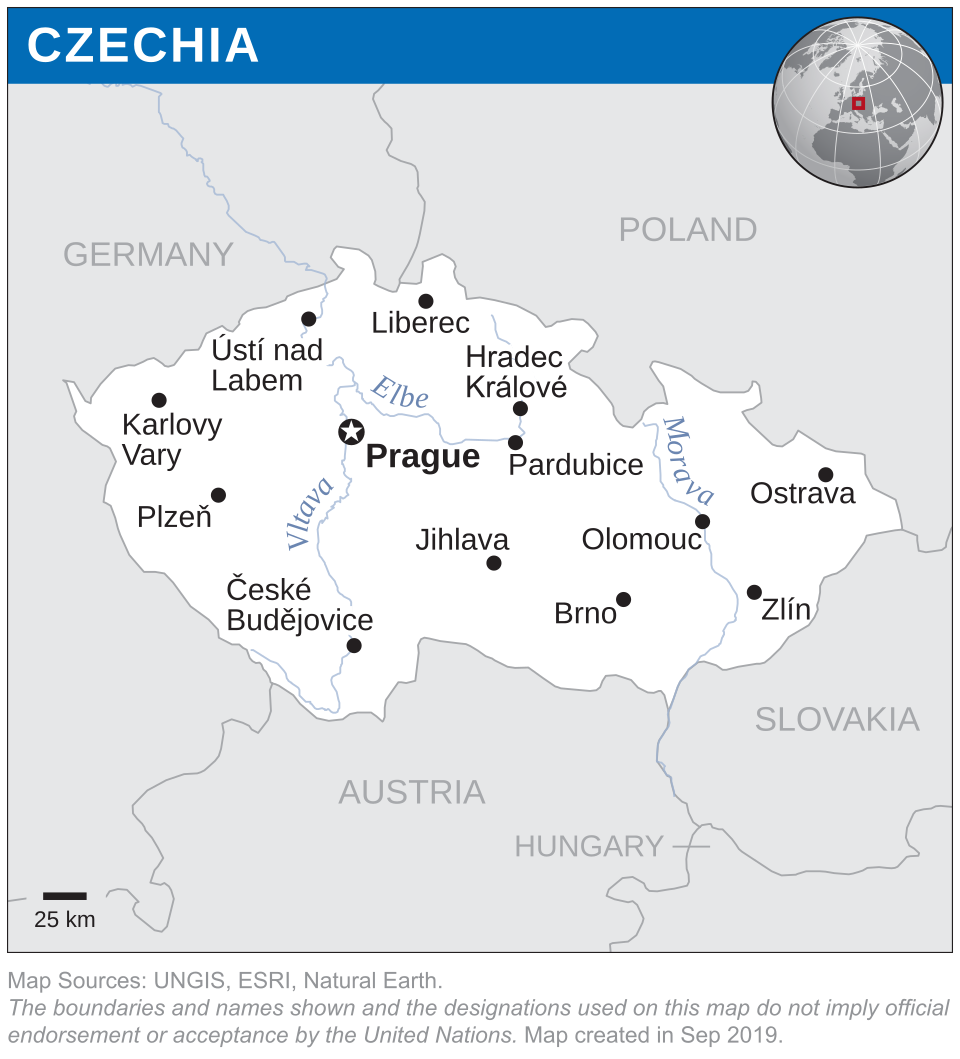
– The country’s economic framework is built on a mature European model, with proportional representation across 14 voting districts that mirror its administrative regions, ensuring regional interests are represented in national policy.
– As a Central European hub, Czechia’s position within European supply chains makes it a critical watchpoint for manufacturing and industrial trends across the continent.
– The political system’s 5% election threshold for parliamentary representation encourages coalition governments, which shapes the pace and direction of economic reforms.
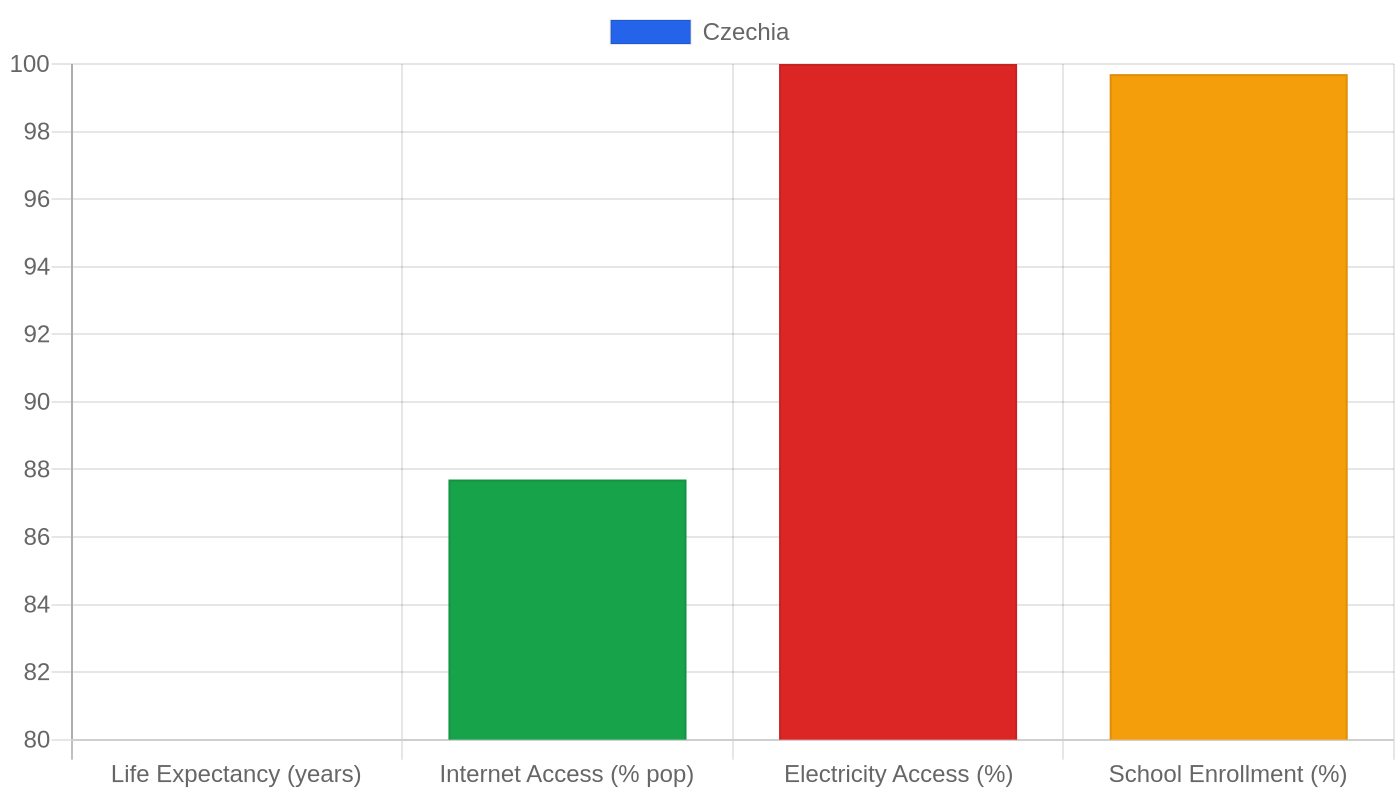
– While specific economic data points remain pending, the structural indicators point to a developed, export-oriented economy with significant integration into European and global markets.
The Economic Engine: Manufacturing, Trade, and European Integration
The Czech Republic’s economic narrative is fundamentally one of deep European integration and industrial resilience. As a parliamentary representative democracy with a well-established institutional framework, the country has created a predictable environment for economic actors. The World Bank’s data framework recognizes the Czech Republic as a high-income economy, though specific GDP growth figures, inflation rates, and unemployment numbers are currently pending from the latest reporting cycle.
What we do know is that the country’s economic structure has historically been anchored in automotive manufacturing, machinery production, and electronics — sectors that have made it a key node in European supply chains.
The Czech economy’s performance cannot be understood without acknowledging its export orientation. With a population that has consistently demonstrated high labor force participation and a skilled workforce, the country has attracted significant foreign direct investment, particularly in manufacturing and engineering.
The inflation picture in recent years has been a concern across Central Europe, and Czechia has faced similar pressures to its regional neighbors, though the specific CPI data from the World Bank is not available in this reporting cycle.
What matters most for understanding the Czech economic trajectory is the interplay between its industrial heritage and its European Union membership. The country’s economic policies are shaped within the broader EU framework, meaning that everything from competition policy to state aid rules influences domestic economic activity.
The unemployment picture, while not specified in current data, has historically been among the lowest in the European Union, reflecting the tight labor market that characterizes much of Czech industry.
Housing and Living Costs: The Price of Central European Comfort
The cost of living in the Czech Republic, particularly in the capital city of Prague, has been a topic of considerable discussion among economists and residents alike. Housing costs in major urban centers have followed the broader European trend of appreciation, making homeownership increasingly challenging for younger generations.
The rent versus buy calculation in Czechia has shifted notably in recent years, with rental markets becoming more competitive as potential buyers delay purchases in response to affordability constraints.
Daily expenses in the Czech Republic reflect its position as a wealthier Central European nation, with costs that are generally lower than Western European averages but higher than those found further east. The country’s GNI per capita, while not specified in the current data, positions it comfortably within the high-income category, supporting a lifestyle that balances European standards with regional pricing dynamics.
For expatriates and international businesses, Czechia offers a cost advantage compared to Western European hubs, while still providing high-quality infrastructure and services.
The regional variation in living costs is significant, with Prague commanding a premium over the rest of the country. This urban-rural divide in housing affordability is a persistent feature of the Czech economic landscape, influencing internal migration patterns and regional development policies. The 14 administrative regions that also serve as voting districts create a framework where regional economic disparities can be addressed through targeted policy interventions.
Business Climate and Investment: A Gateway to European Markets
The Czech Republic’s business environment has long been characterized by its openness to foreign investment and its strategic position as a manufacturing hub. The country’s top companies span automotive manufacturing, engineering, and increasingly, technology and software development. This diversified corporate landscape provides resilience against sector-specific downturns and positions Czechia as a versatile partner for international businesses.
For investors, the Czech Republic offers several structural advantages. Its central location within Europe provides excellent logistics connectivity, while its skilled workforce and competitive labor costs relative to Western Europe make it an attractive production base. The country’s integration into European supply chains means that businesses operating in Czechia benefit from seamless access to the broader EU single market, reducing trade friction and regulatory complexity.
The political system’s stability is a significant factor in the business climate. With its pluralist parliamentary democracy and established democratic institutions, the Czech Republic offers the kind of policy predictability that long-term investors seek.
The requirement for proportional representation and the 5% election threshold means that governments are typically formed through coalition agreements, which, while sometimes slowing the legislative process, ensures broader consensus on major economic policies.
Safety, Politics, and Quality of Life: The Social Contract
The Czech Republic’s political landscape is characterized by its mature democratic institutions and the active participation of multiple parties across the ideological spectrum. The bicameral Parliament structure, with the Chamber of Deputies elected through proportional representation and the Senate providing a second chamber of review, creates a system of checks and balances that promotes careful consideration of legislation.
This institutional design supports policy stability, which in turn underpins economic confidence.
The quality of life in the Czech Republic extends beyond economic metrics to encompass personal safety and social cohesion. While specific crime and safety indices are not available in the current data, the country has historically maintained crime rates that are low by international standards, contributing to its reputation as a safe and livable European destination.
This safety, combined with rich cultural heritage, excellent healthcare infrastructure, and a well-developed educational system, makes Czechia an attractive place to live and work.
The social contract in Czechia is reinforced by its democratic traditions and the active engagement of civil society. The country’s successful transition from a planned economy to a market-based system, followed by its integration into the European Union, has created a society that values both economic opportunity and social stability. This balance is reflected in the country’s approach to everything from labor rights to environmental protection.
Current Affairs: Navigating a Changing European Landscape
The Czech Republic is currently navigating a complex set of challenges and opportunities that will shape its economic trajectory in the coming years. As a deeply integrated member of the European Union, the country is affected by broader European trends, including the transition to green energy, digital transformation, and the reshaping of supply chains in response to global pressures.
The Czech automotive industry, a cornerstone of the national economy, is undergoing significant transformation as the European Union pushes toward electric vehicle adoption.
The country’s political dynamics remain active, with coalition politics playing out against the backdrop of European policy debates. The proportional representation system ensures that multiple voices are heard in the Chamber of Deputies, but it also means that government formation requires negotiation and compromise. These political processes have direct implications for the pace of economic reform and the country’s ability to respond to external shocks.
For investors and observers, the Czech Republic represents a bellwether for Central European economic health. Its manufacturing strength, political stability, and European integration make it a reliable indicator of regional trends. The country’s ability to navigate the transition to a more digital, sustainable economy will determine its competitive position in the years ahead.
With its skilled workforce and strategic location, Czechia is well-positioned to adapt, though the path forward will require continued investment in innovation and infrastructure.
The Bottom Line
Czechia is a country that rewards careful observation. For investors, it offers a stable, well-integrated European market with a strong manufacturing base and skilled workforce. For policymakers, it represents a successful model of post-transition development and European integration. For businesses, it provides a strategic gateway to European markets with competitive costs and reliable infrastructure.
While specific economic data points are pending, the structural fundamentals of the Czech economy — its democratic institutions, industrial capacity, and European integration — remain solid. Watch this country for signals about the future of Central European manufacturing and the region’s ability to adapt to global economic shifts.
Sources & Methodology
This article is authored by Economic Pulse Net for informational and research purposes. Economic Pulse Net sources its data from multilateral institutions, national statistics bureaus, and proprietary databases. All data is believed to be current as of the date of publication.
Published: August 02, 2026 | Category: Research — Czechia
Use these signals in your own platform
Economic Pulse publishes its live signal feed through a documented, read-only API. Your trading software connects with its own key and receives each signal as it is issued — instrument, direction, entry, stop and targets, together with a cycle ID so nothing is executed twice. The feed is independent of this website and cannot change it.
Signals are informational only and are not financial advice.