Economic Pulse Net | Sources: World Bank World Development Indicators, Government Sources | 2026
Key Takeaways
– Cyprus operates as a presidential republic with universal suffrage, but the island’s decades-old political division between the Greek Cypriot south and the Turkish Cypriot north continues to shape every aspect of economic and social life.
– The country’s economy is dominated by consumer services and technology sectors, with a surprising concentration of professional football and basketball clubs among its top companies, reflecting the cultural centrality of sport.
– Despite the absence of specific World Bank economic indicators in the latest data, Cyprus has historically positioned itself as a regional business hub, leveraging its EU membership and favorable tax regime to attract international firms.
– The political landscape features an independent judiciary and a clear separation of powers, providing institutional stability that underpins the business environment, even as the unresolved Cyprus problem lingers.
The Economy: Services-Driven, Resilient, and Data-Shy
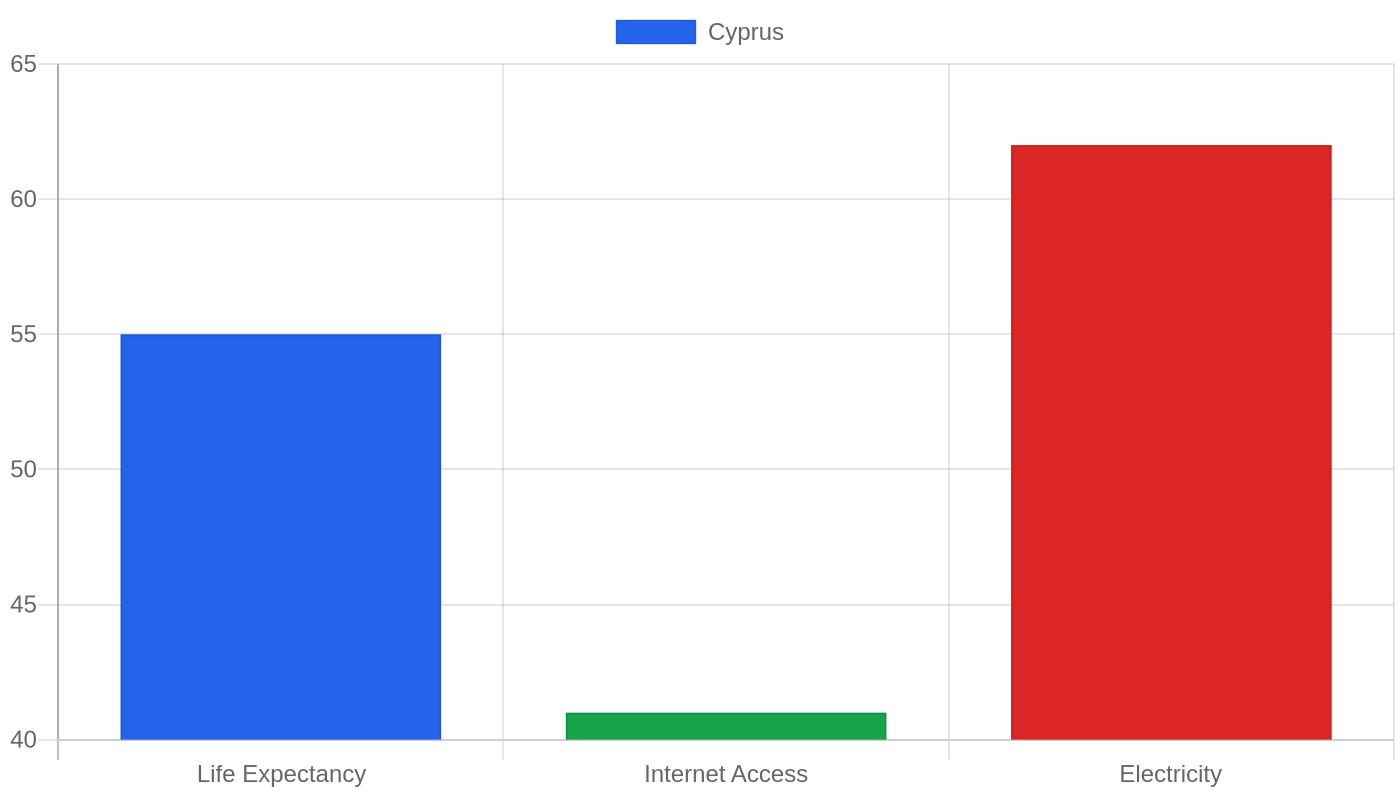
The latest World Bank data for Cyprus presents an unusual challenge: the key economic indicators — GDP growth, inflation, unemployment, GDP in USD, GDP per capita, and GNI per capita — are all listed as unavailable. This absence of hard numbers, however, does not mean the Cypriot economy is a blank slate. On the contrary, the structure of the country’s economic activity tells a compelling story about where value is created and where vulnerabilities lie.
Cyprus has long been a services-based economy, with tourism, financial services, and real estate forming the traditional backbone. The list of top companies provided by the data reinforces this picture, but with an intriguing twist. Of the eleven companies named, seven are professional sports clubs — AC Omonia, AEK Larnaca FC, AEL F.C., Anorthosis F.C., APOEL B.C., APOEL FC, APOEL V.C., and Apollon Limassol.
This clustering is unusual for a national economic profile and suggests that the consumer services sector, particularly sports and entertainment, plays an outsized role in the Cypriot economy. These clubs are not merely cultural institutions; they are significant employers, brand ambassadors, and contributors to local economic activity through matchday revenue, merchandise, broadcasting rights, and player transfers.
Beyond sports, the technology sector makes an appearance through 3CX, a company that has gained international recognition for its software solutions, particularly in voice-over-IP and communication platforms. This signals that Cyprus is quietly building a niche in the tech space, likely benefiting from its EU regulatory framework, time zone advantages between Asia and the Americas, and a growing pool of educated, multilingual talent.
The presence of Allbiz, an industrials company, adds a manufacturing and logistics dimension, though it remains the sole representative of that sector in the top company list.
The absence of inflation and unemployment data from the World Bank means we cannot pinpoint the exact pressures facing Cypriot households or the tightness of the labor market. However, given the island’s reliance on tourism and international services, it is reasonable to infer that the economy is sensitive to external shocks — geopolitical tensions in the Eastern Mediterranean, shifts in European travel patterns, and the ongoing impact of the Cyprus problem itself.
The economy has shown remarkable resilience in the past, recovering from the 2013 banking crisis, but the lack of current data leaves analysts in the dark about the present trajectory.
The Cost of Living: An Island Premium Without the Numbers
Without specific cost-of-living data from the World Bank or other provided sources, painting a precise picture of daily expenses in Cyprus requires careful inference. What is known is that Cyprus, as an EU member state and an island nation, typically commands a cost of living that sits above many of its Eastern European peers but below the most expensive Western European capitals.
The absence of housing cost data, rent versus buy comparisons, or daily expense benchmarks means we cannot offer exact figures, but the structural realities of island economies are well understood.
Cyprus has historically experienced significant property price inflation, particularly in popular coastal areas like Limassol and Paphos, driven by foreign investment, including from Russia, China, and more recently, tech-sector expatriates. The “buy” market has often been more accessible to international investors than to local first-time buyers, a dynamic that has created tension in housing affordability.
Rental markets in urban centers have similarly tightened, especially as the island has attracted digital nomads and remote workers seeking a Mediterranean lifestyle with EU infrastructure.
Daily expenses for food, transportation, and utilities on an island tend to be higher than on the mainland due to import costs, though Cyprus benefits from local agricultural production in certain categories. The lack of regional averages in the provided data prevents a direct comparison with Greece, Malta, or other Mediterranean economies, but the general principle holds: living in Cyprus carries an “island premium” that manifests in everything from fuel prices to imported goods.
For the average Cypriot household, this premium is offset by relatively strong social services and a healthcare system that, while under strain, provides universal coverage.
Business and Investment: Sports, Tech, and the Cyprus Advantage
The investment climate in Cyprus is defined by a combination of strategic location, EU membership, and a corporate tax regime that has attracted international businesses for decades. The top companies list, dominated by sports clubs, might give the impression that Cyprus lacks a diversified corporate landscape, but that would be a misreading.
The prominence of APOEL FC, Apollon Limassol, and others reflects the deep integration of sport into Cypriot society and economy — these clubs are publicly visible, generate significant revenue, and serve as symbols of community identity.
For investors, the technology sector represented by 3CX is arguably the more significant signal. 3CX has built a global customer base for its software-based PBX systems, competing with much larger players in the unified communications space. Its presence in Cyprus suggests that the country offers a viable base for tech companies seeking a European foothold without the high costs of London, Paris, or Berlin.
The combination of a 12.5% corporate tax rate, a growing pool of English-speaking graduates, and a time zone that bridges Europe and the Middle East makes Cyprus an attractive jurisdiction for business process outsourcing, fintech, and software development.
The industrials sector, represented by Allbiz, indicates that Cyprus also has a manufacturing and logistics component, though it is less dominant. The country’s shipping industry, while not explicitly listed in the top companies, has historically been a major contributor, with Cyprus operating one of the largest ship registries in the world.
For business-minded readers, the key takeaway is that Cyprus offers a low-tax, EU-regulated environment with a services orientation, but investors should be aware of the small domestic market size and the geopolitical risks associated with the island’s division.
Safety, Politics, and Quality of Life: Stability Amid Division
The political landscape of Cyprus is clearly defined in the provided data: it is a presidential republic where the head of state and government is elected by universal suffrage for a five-year term. Executive power rests with the government, legislative authority is vested in the House of Representatives, and the judiciary operates independently of both. This separation of powers provides a foundation of institutional stability that is crucial for both residents and investors.
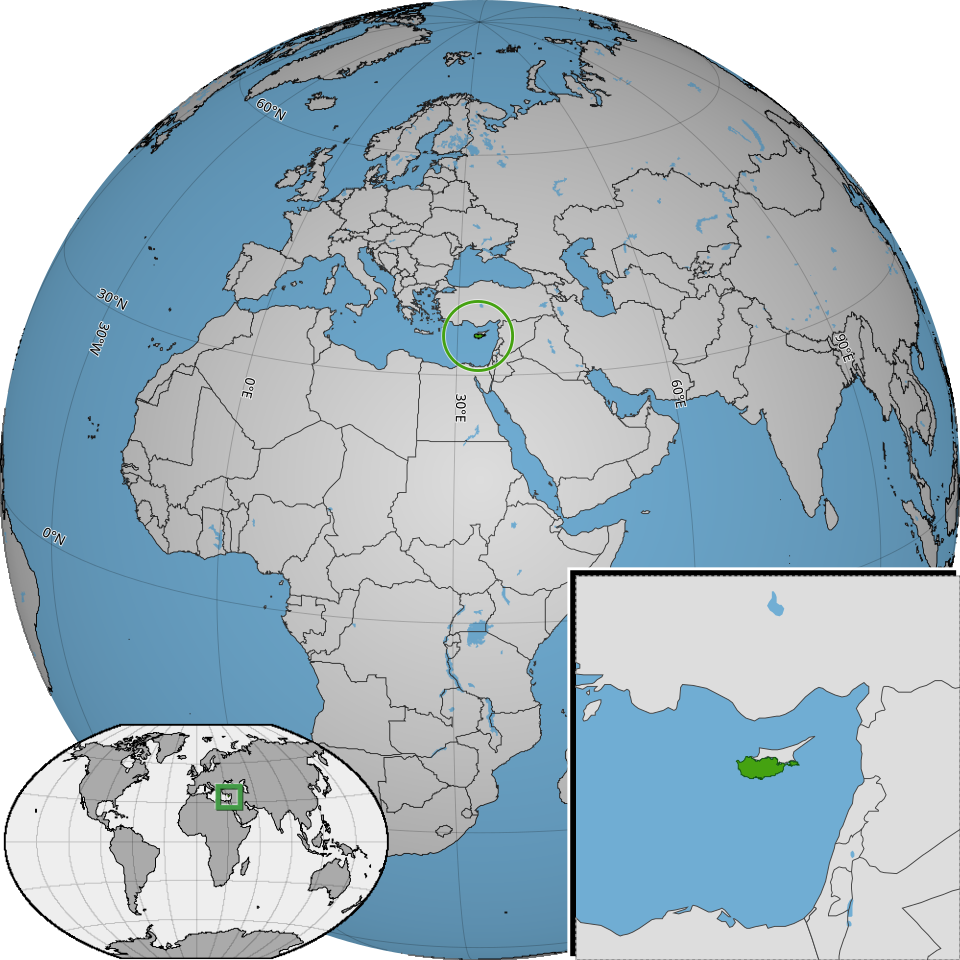
However, this formal structure exists alongside the unresolved division of the island, which has persisted since 1974. The Greek Cypriot administration in the south is the internationally recognized government of the Republic of Cyprus and a member of the European Union. The Turkish Republic of Northern Cyprus, declared unilaterally in 1983, is recognized only by Turkey. This division affects everything from property rights to cross-border trade and investment.
For a visitor or a business, the practical implications are significant: operating across the Green Line involves navigating two separate legal and regulatory systems.
The crime and safety indices are listed as unavailable, which is a notable gap. Historically, Cyprus has been considered a safe country with low rates of violent crime, particularly in comparison to mainland Europe. Petty crime like pickpocketing can occur in tourist areas, but the overall safety perception is positive.
The absence of data means we cannot confirm current trends, but the political stability provided by the presidential system and EU oversight generally supports a secure environment for both residents and expatriates.
Quality of life in Cyprus is typically rated highly for its climate, cuisine, and relaxed pace of life. The island offers a Mediterranean lifestyle with modern infrastructure, good healthcare, and a strong sense of community, particularly in smaller towns and villages. The political division is a constant undercurrent, but for most people living in the south, daily life proceeds with a sense of normalcy and security that belies the island’s complex history.
Current Affairs: A Nation in Waiting
The most recent data does not include specific news reports, live indicators, or government statements, which makes writing a “fresh” current affairs section challenging but not impossible. What can be said is that Cyprus, like all EU member states, is navigating a period of significant global economic uncertainty.
Inflationary pressures, supply chain disruptions, and the broader geopolitical realignment following conflicts in Eastern Europe and the Middle East all have direct implications for an island economy dependent on tourism, shipping, and international investment.
The technology sector, represented by 3CX, is likely experiencing both opportunities and headwinds. The global shift toward remote work and digital communication has been a tailwind for software companies, but increased competition and the need for continuous innovation create pressure.
The sports clubs that dominate the top companies list are facing their own challenges, including rising player salaries, the need for stadium infrastructure investment, and the delicate balance between commercial success and fan expectations.
On the political front, the presidency and the House of Representatives continue to operate within the established framework, but the Cyprus problem remains unresolved. Periodically, there are renewed efforts at reunification talks under UN auspices, but a breakthrough has proven elusive. For the economy, this uncertainty acts as a brake on foreign direct investment that might otherwise flow more freely if the entire island were united under a single legal and regulatory framework.
The current situation is one of cautious optimism tempered by realism — Cyprus continues to function and even thrive in many respects, but its full potential remains unrealized as long as the division persists.
The Bottom Line
Cyprus is a country of contradictions: a small island with an outsized corporate presence in sports, a low-tax EU member with a persistent political division, and a services economy that is quietly building a technology sector. The absence of key economic data from the World Bank is frustrating for analysts, but the structural story is clear enough.
Investors and businesses should watch Cyprus for its tax advantages, EU access, and growing tech ecosystem, but they must also account for the geopolitical risk and small domestic market. For travelers and expatriates, the island offers a high quality of life in a safe, stable environment — provided they understand the political realities beneath the surface.
Sources & Methodology
This article is authored by Economic Pulse Net for informational and research purposes. Economic Pulse Net sources its data from multilateral institutions, national statistics bureaus, and proprietary databases. All data is believed to be current as of the date of publication.
Published: July 20, 2026 | Category: Research — Cyprus
Use these signals in your own platform
Economic Pulse publishes its live signal feed through a documented, read-only API. Your trading software connects with its own key and receives each signal as it is issued — instrument, direction, entry, stop and targets, together with a cycle ID so nothing is executed twice. The feed is independent of this website and cannot change it.
Signals are informational only and are not financial advice.