Economic Pulse Net | Sources: World Bank World Development Indicators, Government Sources | 2026
Key Takeaways
* Democratic Stability: Mongolia operates as a semi-presidential representative democratic republic, with power shared between a directly elected president and a prime minister heading the executive branch.
Corporate Landscape: The business environment is anchored by key players in telecommunications, aviation, and banking, including Mobicom Corporation, MIAT Mongolian Airlines, and Golomt Bank.
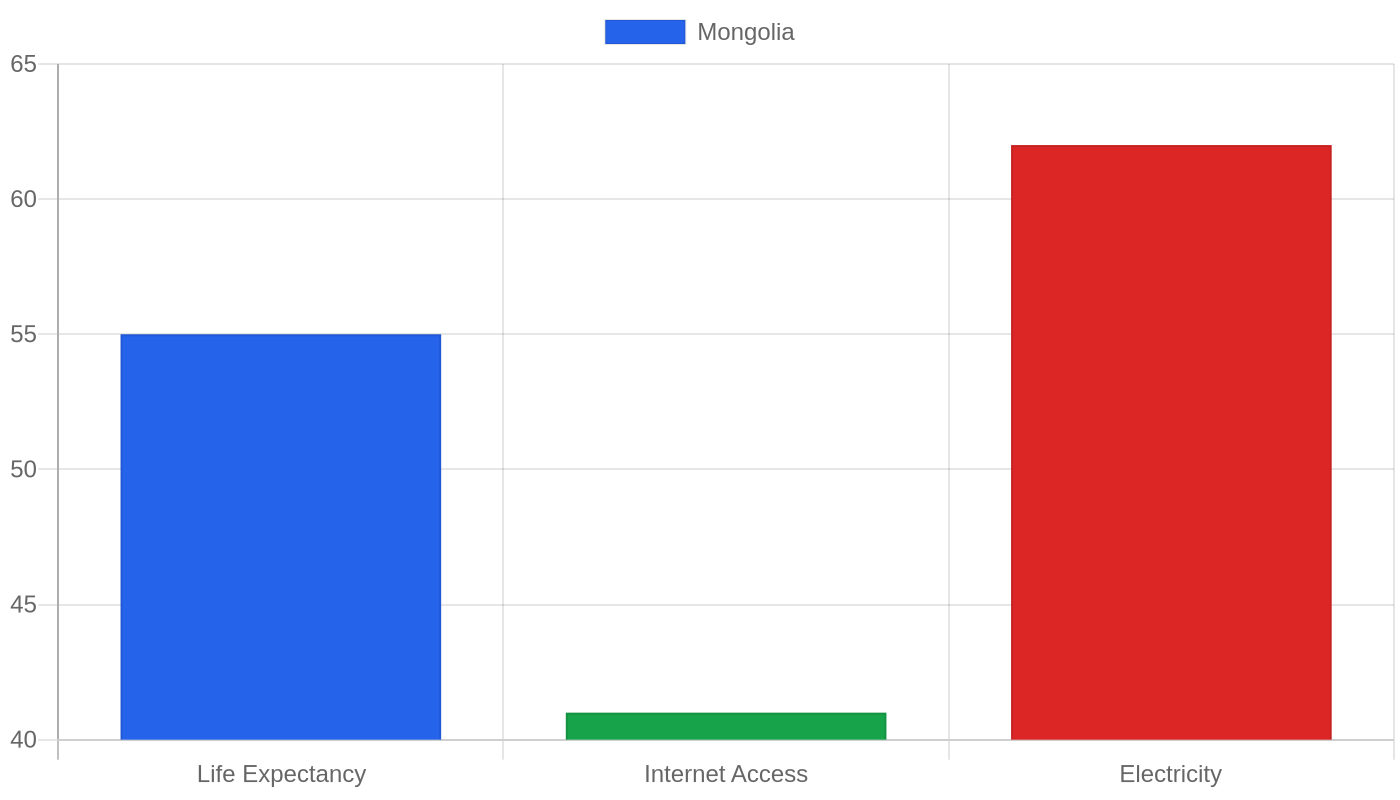
Data Gaps in Macro Indicators: Current World Bank datasets for GDP growth, inflation, unemployment, and per capita income are listed as N/A, necessitating a focus on structural and political frameworks rather than immediate financial metrics.
Sector Dominance: Consumer services, particularly aviation and broadcasting, alongside telecommunications and financials, represent the most visible corporate entities in the national economy.
The Architecture of Power and Governance
To understand Mongolia’s economic trajectory, one must first look at its political foundation, which serves as the bedrock for all policy decisions. The country is structured as a semi-presidential representative democratic republic, a system that balances authority between the head of state and the head of government.
Citizens play a direct role in this democracy by electing the president, who holds significant executive powers, while also choosing deputies for the unicameral legislature known as the State Great Khural. This legislative body is crucial for passing laws that affect trade, investment, and domestic policy. Meanwhile, the prime minister serves as the head of the executive branch, appointed by the president but typically drawn from the legislative majority.
The cabinet is nominated by the prime minister and approved by the president, creating a chain of accountability that defines the nation’s governance. This complex interplay ensures that no single entity holds absolute power, providing a stable framework for long-term planning despite the frequent shifts in political leadership.
For investors and analysts, understanding this separation of powers is vital, as policy continuity often depends on the alignment between the presidential office and the State Great Khural.
Corporate Pillars and Sectoral Focus
In the absence of current macroeconomic aggregates like GDP or inflation figures, the structure of the economy becomes visible through its leading corporations. These companies operate across critical sectors that drive daily life and international connectivity. In the telecommunications sector, Mobicom Corporation and G-Mobile stand out as major providers, ensuring the digital infrastructure necessary for modern commerce.
The aviation industry is equally prominent, featuring carriers such as MIAT Mongolian Airlines, Hunnu Air, Eznis Airways, and Aero Mongolia, which facilitate both tourism and freight logistics across the vast landscape. Financial stability is supported by institutions like Golomt Bank and the Bank of Mongolia, which manage the flow of capital within the domestic market.
Additionally, the consumer services sector includes the Mongolian National Broadcaster and DDishTV, highlighting the importance of media and information dissemination. These entities form the backbone of the private sector, offering insights into where capital is flowing and which industries are prioritizing expansion. Their performance reflects the broader health of the economy, even when aggregate statistical data remains unavailable.
Cost of Living and Daily Realities
While specific cost-of-living indices and crime statistics are currently listed as N/A, the presence of established service and utility providers suggests a functioning urban economy. Companies like Mobicom and DDishTV indicate a population with access to essential communication and entertainment services, implying a baseline level of disposable income in urban centers.
The availability of multiple airline options, including budget carriers like Hunnu Air and legacy carriers like MIAT, points to a demand for mobility that likely influences housing and transportation costs. Without concrete data on rent versus buy ratios or daily expenses, it is difficult to compare Mongolia’s affordability directly to regional averages. However, the operational status of these firms implies that consumers are engaging with the market, sustaining a cycle of spending and employment.
The lack of published safety indices does not negate the need for security awareness, but the structured political system suggests a regulated environment where public order is maintained through legal frameworks. Understanding the cost of living here requires looking at the accessibility of services rather than just price tags, as the presence of robust telecom and transport networks supports a connected, albeit potentially expensive, lifestyle in major cities.
Investment Climate and Business Opportunities
The investment landscape in Mongolia is characterized by a mix of established giants and evolving market dynamics. For foreign and domestic investors alike, the telecommunications and aviation sectors offer clear entry points due to their high visibility and consistent demand. Mobicom Corporation and G-Mobile dominate the connectivity space, making them key partners for technology-driven initiatives.
Similarly, the aviation sector’s diversity, with players ranging from full-service airlines to low-cost operators, indicates a competitive market open to innovation and efficiency improvements. The financial sector, led by Golomt Bank and the Bank of Mongolia, provides the necessary liquidity for business operations, though detailed regulatory environments require closer scrutiny.
Investors should note that while macroeconomic indicators like GDP per capita are not currently available, the operational resilience of these top companies suggests underlying economic activity. Business development in Mongolia will likely hinge on leveraging these existing corporate structures, forming joint ventures, or investing in infrastructure that supports these core industries.
The semi-presidential system adds a layer of complexity to regulatory approvals, requiring careful navigation of both presidential decrees and legislative mandates.
Safety, Politics, and Quality of Life
Quality of life in Mongolia is deeply intertwined with its political stability and social fabric. As a democratic republic, citizens have avenues for political expression through the election of the president and members of the State Great Khural. This democratic engagement contributes to a sense of agency among the populace, which can enhance social cohesion.
However, the absence of specific crime and safety indices means that potential residents or expatriates must rely on general observations and local reports for security assessments. The political landscape, defined by the balance between the president and the prime minister, creates a dynamic environment where policy shifts can occur rapidly. This political agility can be both an advantage and a risk, depending on the stability of the governing coalition.
For those considering relocation or long-term stays, the strong institutional framework provides a degree of predictability. The quality of life is further shaped by the availability of services from broadcasters and telecom firms, which connect Mongolians to global trends and local news. Ultimately, the interplay between democratic participation and economic opportunity defines the lived experience in the country.
What’s Happening Now: Structural Observations
Currently, the narrative around Mongolia is driven by its institutional framework rather than fleeting economic fluctuations. With GDP growth and inflation data marked as N/A, the focus shifts to the ongoing operation of its democratic systems and corporate sectors. The recent political context highlights the continued relevance of the State Great Khural in shaping legislative priorities.
Businesses are adapting to the semi-presidential model, navigating appointments and nominations that define the executive branch. The active presence of companies like Hunnu Air and MIAT Mongolian Airlines indicates that travel and connectivity remain priorities, suggesting steady demand in the service sector. Meanwhile, telecom giants like Mobicom continue to expand their reach, reflecting ongoing digital transformation efforts.
These developments suggest a country focused on maintaining its democratic credentials while fostering growth in key industrial areas. Analysts are watching for any shifts in the relationship between the president and the prime minister, as this dynamic could influence future economic policies. The lack of real-time economic data makes historical trends and corporate performance the primary indicators of current activity.
The Bottom Line
Mongolia presents a unique case for observers interested in democratic governance and emerging market structures. While specific economic metrics are currently unavailable, the strength of its corporate sector and political institutions offers valuable insights. Investors should monitor the interplay between the presidency and the legislature, as these will dictate the regulatory environment.
The country remains a compelling subject for research, particularly for those studying the intersection of democracy and economic development in Central Asia.
Sources & Methodology
This article is authored by Economic Pulse Net for informational and research purposes. Economic Pulse Net sources its data from multilateral institutions, national statistics bureaus, and proprietary databases. All data is believed to be current as of the date of publication.
Published: October 18, 2026 | Category: Research — Mongolia
Use these signals in your own platform
Economic Pulse publishes its live signal feed through a documented, read-only API. Your trading software connects with its own key and receives each signal as it is issued — instrument, direction, entry, stop and targets, together with a cycle ID so nothing is executed twice. The feed is independent of this website and cannot change it.
Signals are informational only and are not financial advice.