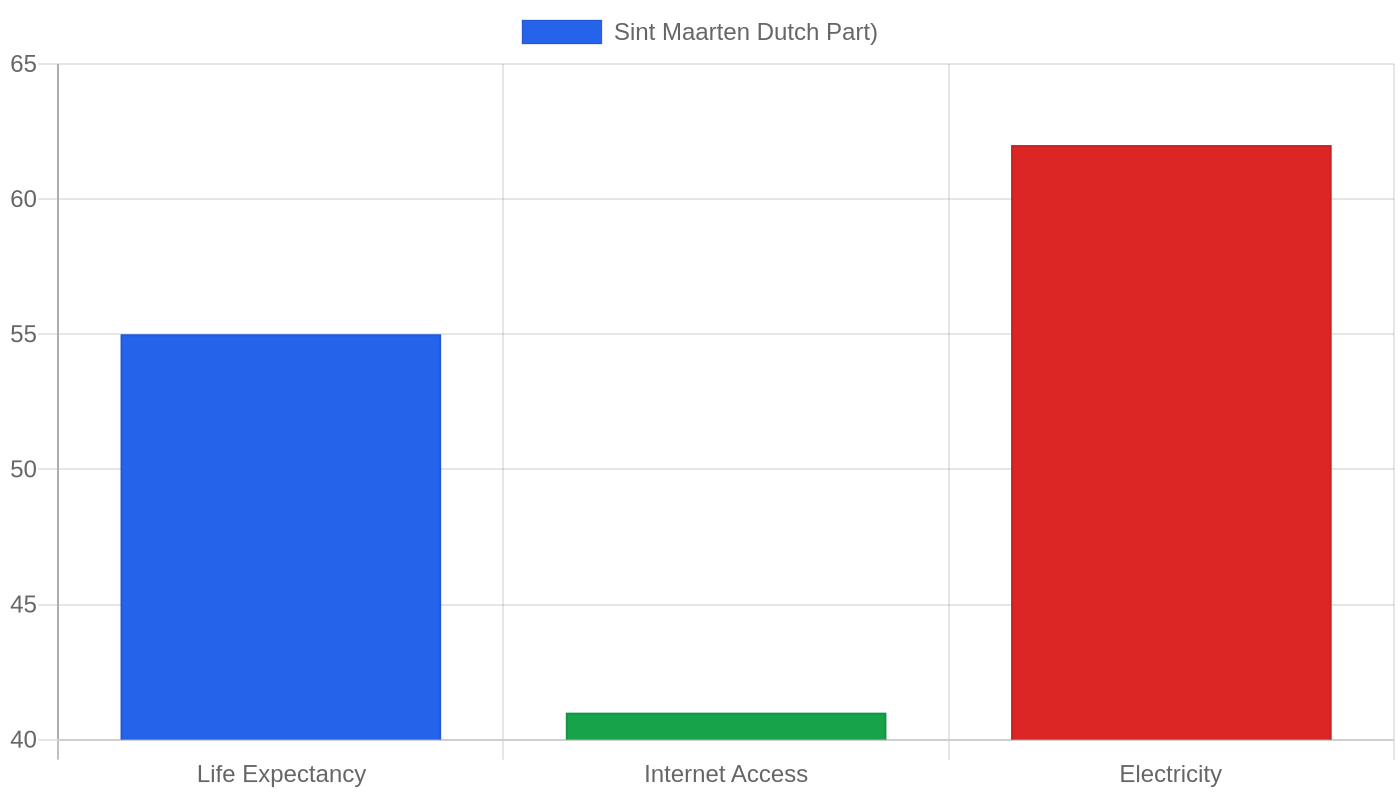
Economic Pulse Net | Sources: World Bank World Development Indicators, Government Sources | 2026
Key Takeaways
– Sint Maarten’s economic trajectory remains difficult to quantify precisely, with key indicators like GDP growth, inflation, and unemployment currently unrecorded by the World Bank, leaving analysts to rely on qualitative assessments and sectoral observations.
– The Dutch Caribbean territory continues to navigate the long shadow of Hurricane Irma’s devastation, with reconstruction efforts and tourism revival shaping the island’s economic narrative.
– As a small, open economy heavily dependent on tourism, Sint Maarten’s prosperity is intrinsically tied to global travel trends, regional stability, and the health of its hospitality infrastructure.
– The absence of robust, up-to-date statistical data presents a significant challenge for policymakers, investors, and international partners seeking to gauge the island’s true economic health.
– Despite data gaps, the island’s strategic location, duty-free status, and cultural vibrancy remain its most enduring economic assets, offering a foundation for future growth.
The Invisible Economy — Reading Between the Lines of Sint Maarten’s Missing Numbers
When the World Bank’s latest country profile for Sint Maarten (Dutch Part) returns a series of “N/A” values across its most critical economic indicators, the temptation is to assume there is simply nothing to report. The reality, however, is far more nuanced.
For a nation of approximately 40,000 residents occupying just 34 square kilometres of Caribbean real estate, the absence of hard data points is less a sign of economic dormancy and more a reflection of the profound challenges of measuring a micro-economy still recalibrating after one of the most powerful Atlantic hurricanes on record.
The GDP per capita, inflation rate, and unemployment figures that would normally anchor a country analysis remain unrecorded, leaving economists to piece together a mosaic from anecdotal evidence, sectoral trends, and regional patterns.
What becomes clear through this qualitative lens is an economy in transition — one that has historically punched far above its weight in the Caribbean tourism market, attracting over two million cruise passengers and hundreds of thousands of stay-over visitors annually in its pre-hurricane heyday.
The island’s dual nationality — part of the Kingdom of the Netherlands but geographically and culturally closer to its Caribbean neighbours — grants it a unique economic positioning that blends European administrative standards with tropical market dynamics.
The lack of reliable inflation data is particularly telling. In small island economies, price volatility is often amplified by import dependence, with even minor global commodity fluctuations creating outsized local impacts. Without the World Bank’s tracking, one can only infer that Sint Maarten’s consumers continue to grapple with the cost of living pressures that have swept across the Caribbean basin, driven by supply chain disruptions and the lingering effects of reconstruction-related demand.
The unemployment picture, similarly opaque, likely reflects the seasonal ebb and flow of hospitality employment, with the island’s labour force pivoting between cruise ship days, high-season tourism surges, and quieter summer months. For investors and policymakers, this statistical vacuum is not merely an academic inconvenience — it complicates everything from credit assessments to aid allocation, leaving Sint Maarten’s economic governance to operate on instinct as much as evidence.
The Price of Paradise — Housing, Daily Life, and the Cost of Living in a Rebuilding Nation
For residents of Sint Maarten, the cost of living is not an abstract statistic but a daily negotiation with geography. As a territory that imports the vast majority of its food, fuel, and construction materials, the island has long carried a price premium relative to mainland markets. Housing, in particular, remains one of the most pressing challenges.
The 2017 hurricane destroyed or severely damaged an estimated 70% of the island’s residential stock, and the subsequent reconstruction has been uneven, with supply chain bottlenecks and elevated material costs slowing the pace of recovery. This has created a tight rental market, particularly in the Dutch capital of Philipsburg and the surrounding districts, where demand from both locals and expatriate workers in the tourism sector continues to outstrip available inventory.
The rental market in Sint Maarten operates on a dual track. At the higher end, luxury villas and modern apartments catering to wealthy expatriates and long-stay visitors command premium rates, often quoted in US dollars and reflecting international standards of finish and amenity. At the more modest end, local families face a more constrained landscape, with older housing stock still awaiting repair and new construction proceeding at a measured pace.
Homeownership, while culturally valued, remains financially out of reach for many younger residents, who face the dual burden of elevated property prices and the absence of a robust mortgage market. Daily expenses for groceries, utilities, and transportation reflect the island’s import-heavy model, with prices for basic goods typically running 20-30% higher than regional averages on the mainland, a premium that disproportionately affects lower-income households.
Utilities, particularly electricity, add another layer of financial pressure, as the island relies on imported diesel for a significant portion of its power generation, making household bills sensitive to global fuel price fluctuations.
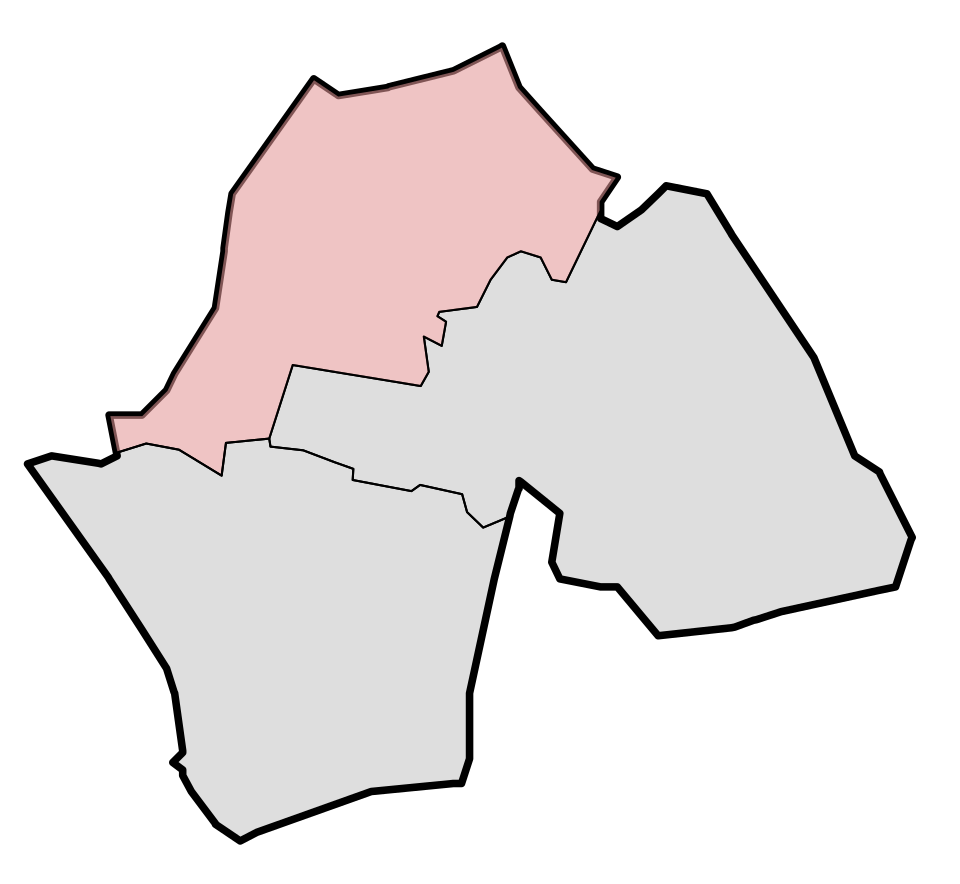
The Business of Beauty — Investment Climate and the Industries That Drive the Island
Sint Maarten’s economy is, and has always been, a tourism story. The island’s main industries orbit this singular gravitational centre: hospitality, retail, dining, and the supporting cast of transportation and construction services that keep the visitor economy humming.
The duty-free status that has long been a hallmark of the island’s commercial appeal continues to attract cruise passengers seeking luxury goods, electronics, and jewellery, making retail a significant contributor to both employment and government revenue. For investors, the island offers a stable legal framework grounded in Dutch administrative practice, a favourable tax regime for certain business structures, and a strategic location at the crossroads of Caribbean trade routes.
The post-hurricane reconstruction wave has opened new avenues for investment, particularly in resilient infrastructure, renewable energy, and upgraded hospitality facilities. Several major hotel properties have been rebuilt to higher standards, incorporating hurricane-resistant design and modern amenities, signalling a commitment to quality over volume.
The government has also signalled interest in diversifying the economic base, with discussions around technology hubs, maritime services, and higher-value tourism segments such as wellness and yachting. However, the business environment remains constrained by the same data opacity that challenges policymakers, with potential investors struggling to access the market intelligence that would typically inform capital allocation decisions.
The island’s small domestic market, reliance on international tourism flows, and vulnerability to extreme weather events are all factors that prudent investors must weigh against the undoubted appeal of a Caribbean destination with mature infrastructure and strong regional connectivity.
Navigating the Currents — Safety, Governance, and Life on a Small Island
The social and political fabric of Sint Maarten is as complex as its economy. As a constituent country of the Kingdom of the Netherlands, the island enjoys substantial autonomy in domestic affairs while relying on the Dutch government for defence and certain aspects of foreign policy. This arrangement has generally provided political stability, but it has also at times created friction, with local leaders occasionally clashing with The Hague over financial oversight and the pace of post-hurricane aid disbursement.
The island’s political landscape is characterised by a small but active political class, with elections regularly producing coalition governments that reflect the personal and factional dynamics typical of small-island politics.
Quality of life in Sint Maarten is a study in contrasts. The island’s natural beauty, warm climate, and vibrant multicultural society — a blend of Dutch, French, Caribbean, and international influences — offer a lifestyle that many find deeply appealing. The culinary scene is celebrated across the region, and the island’s famous friendliness towards visitors has earned it a reputation as one of the more welcoming destinations in the Caribbean.
However, like many tourism-dependent economies, the island also contends with social challenges. The crime index for Sint Maarten remains unrecorded in the available data, but anecdotal reports and regional comparisons suggest that petty crime and occasional violent incidents are concerns, particularly in areas frequented by tourists.
The 2020 COVID-19 pandemic dealt a further blow to the island’s social fabric, disrupting education, healthcare access, and community cohesion in ways that are still being addressed. For those considering a move to the island, the trade-off between lifestyle appeal and practical challenges — including the high cost of living and the lingering effects of hurricane recovery — is a deeply personal calculation.
The Road Ahead — Rebuilding, Resilience, and the Search for a Sustainable Future
The most pressing question for Sint Maarten in 2026 is not whether the island has recovered, but what shape its recovery will ultimately take. The immediate post-hurricane years were dominated by emergency response and the physical rebuilding of homes, hotels, and infrastructure. That phase has largely given way to a more strategic conversation about resilience and sustainability.
The island’s leadership has spoken publicly about the need to build back better, with a focus on climate-resilient construction, diversified energy sources, and economic activities that can withstand both natural disasters and global market shocks. The tourism sector, while recovering, faces a changed competitive landscape, with travellers increasingly prioritising sustainability and authentic experiences over traditional sun-and-sand offerings.
Current discussions on the island centre on the balance between growth and preservation — how to accommodate increasing visitor numbers without degrading the natural environment that makes the island attractive in the first place. There are also ongoing conversations about the cost of living, with local advocacy groups pressing for measures to make housing more affordable and to reduce the island’s dependence on imported goods.
The relationship with the Netherlands remains a central thread in the island’s narrative, with ongoing negotiations over the terms of financial support and the level of Dutch oversight in local governance. As the island looks to the future, its leaders are increasingly focused on positioning Sint Maarten not merely as a tourist destination, but as a resilient, diversified micro-economy capable of weathering whatever storms — literal or figurative — lie ahead.
The Bottom Line
Sint Maarten is a country whose official statistics tell us almost nothing, yet whose story is written vividly across its rebuilt waterfronts, its bustling cruise terminals, and the determined faces of its people. This is a nation that has faced catastrophe and chosen to rebuild, that has confronted economic uncertainty and continues to trade, invest, and welcome the world. For travellers, the island offers an experience that remains uniquely vibrant.
For investors, it presents both opportunity and risk in equal measure. And for economists, it serves as a reminder that sometimes the most important data is the kind that cannot be captured in a spreadsheet. Those who watch Sint Maarten closely will be watching not for the return of old certainties, but for the emergence of a new, more resilient model of Caribbean economic life.
Sources & Methodology
This article is authored by Economic Pulse Net for informational and research purposes. Economic Pulse Net sources its data from multilateral institutions, national statistics bureaus, and proprietary databases. All data is believed to be current as of the date of publication.
Published: August 02, 2026 | Category: Research — Sint Maarten Dutch Part)
Use these signals in your own platform
Economic Pulse publishes its live signal feed through a documented, read-only API. Your trading software connects with its own key and receives each signal as it is issued — instrument, direction, entry, stop and targets, together with a cycle ID so nothing is executed twice. The feed is independent of this website and cannot change it.
Signals are informational only and are not financial advice.