Economic Pulse Net | Sources: World Bank World Development Indicators, Government Sources | 2026
Key Takeaways
– Tunisia stands at a critical crossroads, having transitioned from the only democracy in North Africa to a nation experiencing significant democratic backsliding since 2021, with profound implications for its economic trajectory.
– The country’s economic landscape is dominated by its financial sector, with nine of the ten top companies operating in banking and financial services, indicating a concentrated and potentially vulnerable economic structure.
– Political instability and constitutional changes have created an uncertain environment for investors, with the 2014 constitution’s democratic guarantees now under strain.
– Tunisia’s economic data gaps make precise analysis challenging, but the structural dominance of its banking sector tells a clear story about where the country’s economic priorities lie.
– The nation’s future hinges on whether it can reconcile its democratic aspirations with the pragmatic economic reforms needed to attract investment and create opportunities for its population.
The Paradox of Progress: Reading Tunisia’s Economic Signals
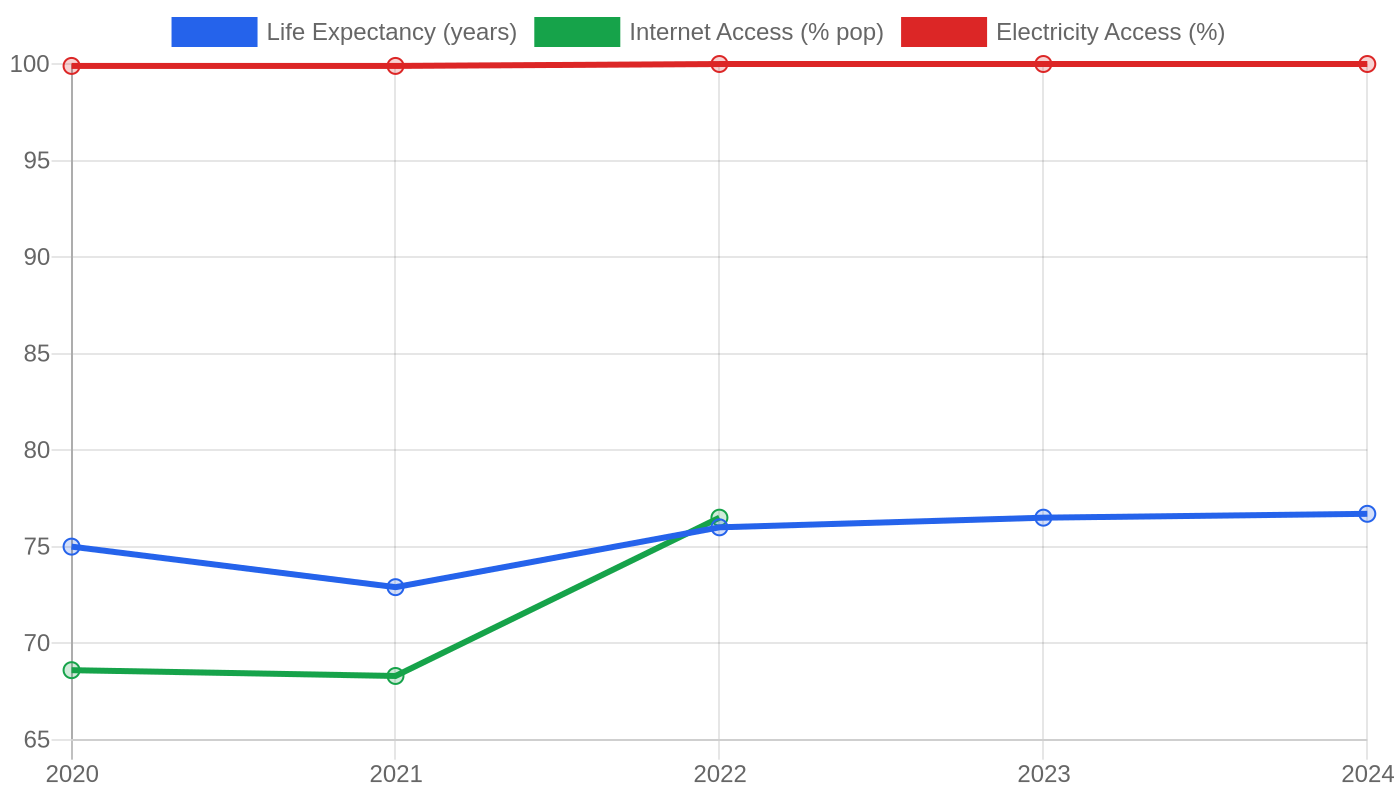
The World Bank’s latest data paints an incomplete but telling picture of Tunisia’s economic condition. With GDP growth, inflation, and unemployment figures currently unavailable, analysts must look to structural indicators to understand the country’s trajectory. What emerges is a portrait of an economy heavily reliant on its financial services sector, with banking institutions dominating the corporate landscape in ways that reveal both historical strengths and potential vulnerabilities.
The concentration of Tunisia’s top companies in the financial sector — from Amen Bank to Banque Nationale Agricole — suggests an economy where credit and banking services have historically played an outsized role.
This financialization of the economy presents a double-edged sword: while a robust banking sector can facilitate investment and growth, over-reliance on financial services often indicates weakness in manufacturing, technology, and other productive sectors that typically drive sustainable economic development.
The absence of current GDP and inflation data from the World Bank is itself noteworthy. In normal circumstances, such metrics would be readily available for a country of Tunisia’s significance. The data gap may reflect reporting challenges, economic volatility, or the broader institutional disruptions that have characterized the country’s recent political journey.
For investors and policymakers, this uncertainty compounds the challenges of operating in a market where the fundamental parameters of economic performance remain opaque.
Tunisia’s economic story is fundamentally intertwined with its political evolution. The Arab Spring, which began in Tunisia in 2010, raised expectations for both democratic governance and economic opportunity. The 2014 constitution represented a high-water mark of these aspirations, promising rights and protections that would theoretically create an environment conducive to economic dynamism.
However, the democratic backsliding that began in 2021 has introduced new uncertainties into an already challenging economic equation.
The Price of Daily Life: Housing and Living Costs in Transition
For ordinary Tunisians, the country’s economic challenges manifest most acutely in the cost of living. While specific housing and expense data remain unavailable, the broader context of political transition and economic restructuring suggests significant pressure on household budgets. The banking sector’s dominance implies that access to credit — including mortgages — may be available but potentially concentrated among certain segments of the population.
The relationship between Tunisia’s political trajectory and its cost of living is direct and consequential. Democratic transitions often bring expectations of improved living standards, and when those expectations go unmet, social tensions rise. The democratic backsliding since 2021 may reflect, in part, public frustration with economic conditions that have failed to improve despite political liberation.
Rental markets and property values in Tunisia’s major urban centers have historically been shaped by tourism, foreign investment, and the presence of international organizations. The country’s Mediterranean location and cultural attractions have made it an appealing destination for European visitors and expatriates, creating demand for housing that often prices out local residents.
As political uncertainty grows, these dynamics may shift, potentially easing some pressures while creating new challenges in other areas of the economy.
The cost of daily necessities — food, transportation, utilities — remains a fundamental concern for Tunisian households. The country’s agricultural sector and its position in Mediterranean trade networks provide some buffer against global price shocks, but the overall economic environment remains challenging. For a population that has experienced profound political change, the promise of economic improvement remains an unfinished project.
Banking on the Future: Investment Climate and Corporate Landscape
Tunisia’s investment climate is defined by its financial sector’s prominence and the uncertainties surrounding its political future. The Bourse de Tunis, the country’s stock exchange, anchors a financial ecosystem that includes major institutions such as Banque Internationale Arabe de Tunisie, Banque de Tunisie, and Banque Zitouna. This concentration of financial power suggests that the country’s economic elite remains closely tied to banking interests.
For potential investors, the current environment presents a complex calculus. On one hand, Tunisia’s geographical position, educated population, and historical connections to European markets offer genuine opportunities. On the other hand, the democratic backsliding since 2021 raises questions about regulatory stability, property rights, and the rule of law — all critical factors in investment decisions.
The dominance of financial companies among Tunisia’s top corporations may also signal barriers to entry in other sectors. When banking and finance overshadow manufacturing, technology, and services, it often indicates that capital is being channeled toward speculative or intermediary activities rather than productive investment. This pattern, if persistent, could limit Tunisia’s ability to diversify its economy and create employment opportunities beyond the financial sector.
The presence of Islamic banking institutions like Banque Zitouna alongside conventional banks suggests a financial sector that has adapted to diverse market demands. This adaptability could prove valuable as Tunisia seeks to attract investment from Gulf countries and other Muslim-majority nations. However, the overall investment climate will ultimately depend on political stability and the credibility of Tunisia’s institutional framework.
Democracy in Retreat: Safety, Politics, and the Quality of Life
Tunisia’s political landscape has undergone dramatic transformation over the past decade and a half. The adoption of the 2014 constitution marked a historic achievement — the document guaranteed women’s rights and established a framework for democratic governance that made Tunisia the standout success story of the Arab Spring. The October 2014 elections, the first under the new constitution, appeared to cement this democratic transition.
However, the democratic backsliding that began in 2021 has fundamentally altered Tunisia’s trajectory. The country that was once celebrated as the only democracy in North Africa now faces an uncertain political future. This shift has implications that extend far beyond politics, affecting everything from international relations to economic confidence and social cohesion.
The constitutional provision requiring the President’s religion to be Islam reflects the delicate balance Tunisia has attempted to strike between its Islamic heritage and its democratic aspirations. The 2014 constitution’s explicit guarantees for women’s rights represented a significant achievement in a region where such protections are not universal. How these constitutional provisions will be interpreted and enforced in the current political climate remains an open question.
Safety and crime data for Tunisia are currently unavailable, but the country’s political transition has generally not been accompanied by the kind of widespread violence seen in other countries affected by the Arab Spring. However, the erosion of democratic institutions creates long-term risks for social stability. When citizens lose faith in political processes, they may seek alternative means of expressing grievances, potentially leading to social unrest that affects quality of life and economic activity.
The Moment of Reckoning: Tunisia’s Current Crossroads
Tunisia today stands at a pivotal moment that will determine its trajectory for years to come. The democratic backsliding that began in 2021 has fundamentally altered the country’s political landscape, raising profound questions about the future of the institutions established under the 2014 constitution. These political developments are inseparable from Tunisia’s economic challenges — the two have always been intertwined.
The banking sector’s continued dominance among Tunisia’s top companies suggests that the financial establishment has weathered the political transition relatively well. However, this resilience may come at a cost if it means that other sectors of the economy are being neglected. The absence of technology, manufacturing, or energy companies among the country’s corporate leaders is striking and potentially concerning for long-term economic diversification.
The international community’s response to Tunisia’s democratic backsliding will be crucial in shaping the country’s economic future. Foreign investment, development assistance, and trade relationships all depend on perceptions of political stability and institutional credibility. As Tunisia’s democratic credentials erode, it may find itself increasingly isolated from the international economic mainstream.
For Tunisian citizens, the current moment represents both a challenge and an opportunity. The democratic aspirations that fueled the Arab Spring remain alive, even if the institutional framework that once embodied them has been weakened. The country’s economic future will ultimately be determined by whether it can find a path that reconciles political stability with democratic governance and economic opportunity.
The Bottom Line
Tunisia deserves close attention from anyone interested in the intersection of political transition and economic development. The country’s experience demonstrates that democratic progress and economic prosperity are deeply interconnected — and that setbacks in one can undermine the other. For investors willing to navigate the current uncertainties, Tunisia’s financial sector and strategic position offer potential opportunities.
For policymakers and observers, Tunisia remains a test case for whether the Arab Spring’s aspirations can ultimately be fulfilled. The coming years will be decisive in determining whether Tunisia can reclaim its democratic promise and translate it into economic progress for its people.
Sources & Methodology
This article is authored by Economic Pulse Net for informational and research purposes. Economic Pulse Net sources its data from multilateral institutions, national statistics bureaus, and proprietary databases. All data is believed to be current as of the date of publication.
Published: August 02, 2026 | Category: Research — Tunisia
Use these signals in your own platform
Economic Pulse publishes its live signal feed through a documented, read-only API. Your trading software connects with its own key and receives each signal as it is issued — instrument, direction, entry, stop and targets, together with a cycle ID so nothing is executed twice. The feed is independent of this website and cannot change it.
Signals are informational only and are not financial advice.