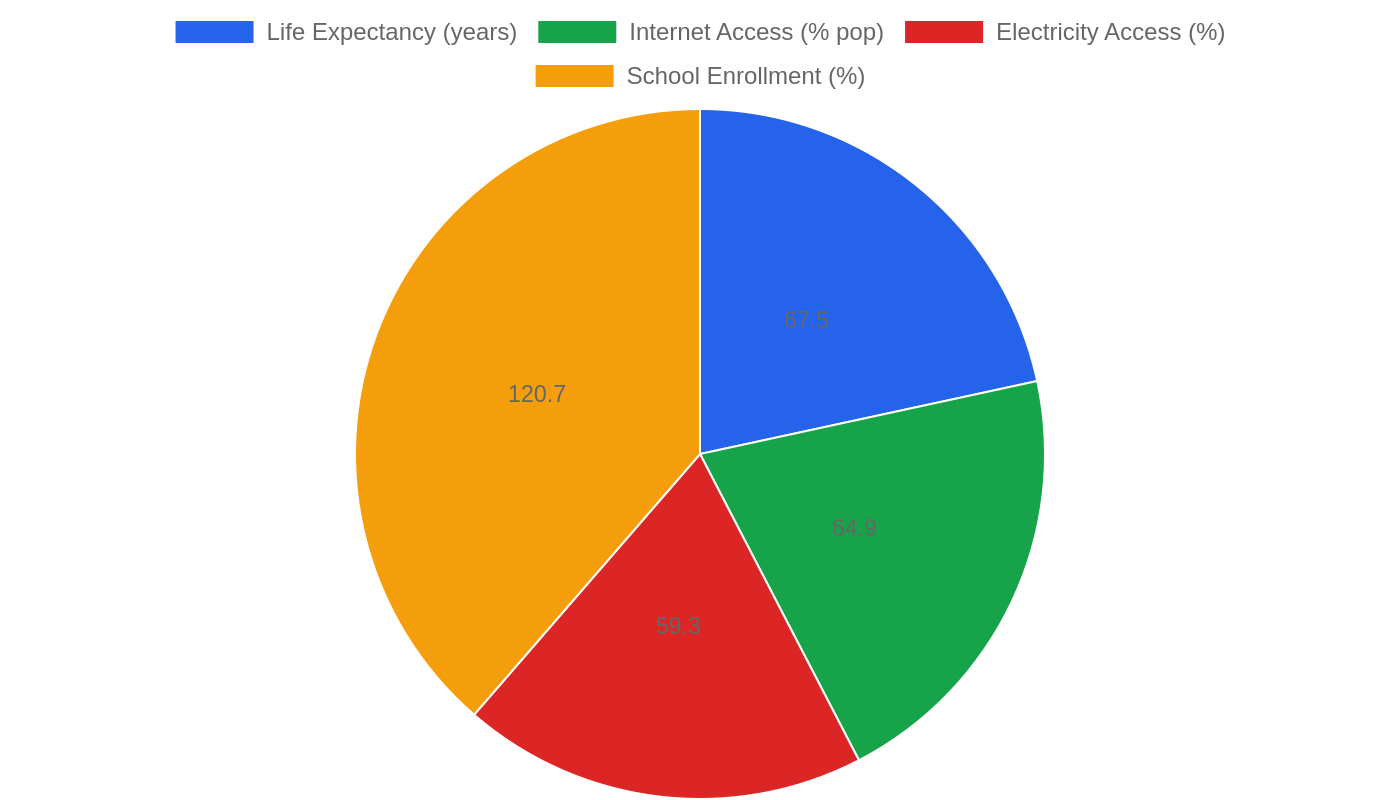
Economic Pulse Net | Sources: World Bank World Development Indicators, Government Sources | 2026
🇳🇦 Namibia 2026 — The Stability of a Small Giant in a Shifting Regional Landscape
Key Takeaways
* Namibia operates as a unitary semi-presidential representative democratic republic, with the President serving as both head of state and head of government.
The country’s corporate landscape is heavily dominated by the financial sector, featuring major institutions like the Bank of Namibia and Bank Windhoek.
Key industries include telecommunications, consumer services, and financial services, anchored by firms such as MTC Namibia and Air Namibia.
Specific quantitative metrics for GDP growth, inflation, and unemployment are currently unavailable in the provided dataset, necessitating a qualitative assessment of the structural economy.
Political stability is a defining feature, with all government members holding individual and collective responsibility to the legislature.
The Structural Backbone: A Financially Anchored Economy
When analyzing the economic architecture of Namibia, it is crucial to look beyond the immediate statistical voids in current growth metrics to understand the deep-seated structural strengths that define the nation. While specific figures for GDP growth, inflation, and unemployment are not currently available in the latest data set, the composition of the country’s top companies offers a clear window into where the real economic power lies.
The financial sector stands as the undisputed pillar of the Namibian economy, housing critical institutions such as the Bank of Namibia, Bank Windhoek, FIDES Bank Namibia, and the Development Bank of Namibia. This concentration of banking giants suggests an economy that relies heavily on formalized credit, investment, and monetary stability to drive growth.
Beyond finance, the telecommunications sector plays a vital role in connectivity and digital infrastructure, with MTC Namibia emerging as a key player in this space. The presence of major consumer service providers like Air Namibia and Kalahari Express Airlines indicates that tourism and logistics remain significant drivers of economic activity. These industries collectively form a resilient base that supports the nation’s status as a stable entity within the Southern African region.
The reliance on established financial institutions implies that policy decisions are deeply intertwined with the health of these banking entities. Understanding this sectoral balance is essential for any observer trying to gauge the nation’s economic trajectory without relying on volatile short-term indicators.
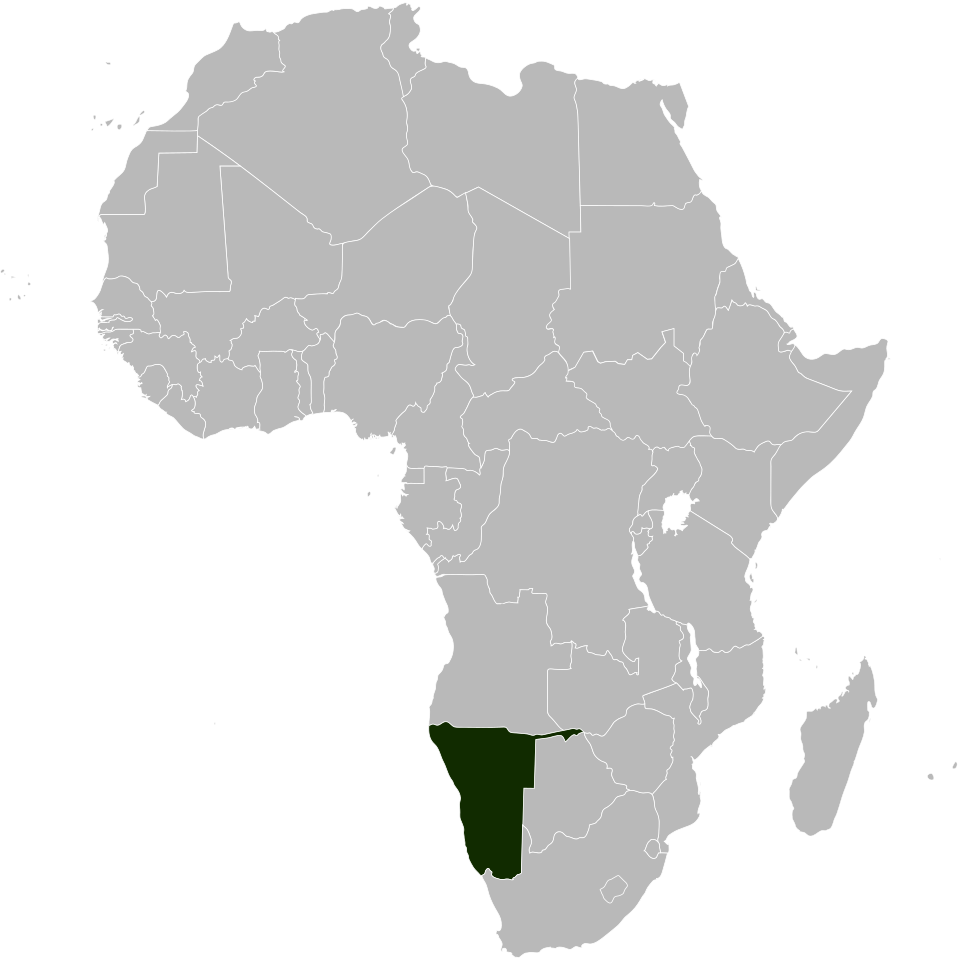
Living in the Kalahari: The Cost of Daily Life
Assessing the cost of living in Namibia requires a nuanced look at the daily expenses that shape the lives of its residents, even in the absence of specific housing or rent data in the current report. The presence of large consumer goods providers like Bidvest Namibia suggests a well-established retail and supply chain infrastructure that helps stabilize prices for everyday necessities.
While we cannot cite specific rent figures or housing costs, the dominance of consumer services and goods companies implies a market that is geared toward meeting the basic needs of a growing population. For residents, the cost of living is likely influenced by the strength of the local currency and the efficiency of these major distribution networks.
The availability of services from companies like Gazza Music Productions and Mshasho Productions also points to a vibrant cultural sector that, while not a basic necessity, contributes to the overall quality of life and disposable income usage. In a unitary state like Namibia, regional variations in cost of living may be less pronounced than in larger federal systems, offering a more uniform economic experience across different parts of the country.
The economic landscape is thus defined by the interplay between essential service providers and the broader consumer market, creating a predictable environment for daily financial planning.
Corporate Titans and the Investment Climate
For investors and business leaders, the Namibian market is characterized by a handful of dominant firms that control significant portions of the national economy. The list of top companies reveals a landscape where financial stability and consumer reach are the primary drivers of corporate success. Bank Windhoek and FIDES Bank Namibia are not just local entities but key players in the broader financial ecosystem, offering opportunities for those looking to engage with the banking sector.
MTC Namibia’s position in telecommunications highlights the importance of digital infrastructure as a growth area, suggesting that future investments may be heavily skewed toward tech-enabled services. The inclusion of production companies like Gazza Music Productions indicates a niche but growing interest in the creative economy, which could serve as a new frontier for cultural exports.
However, the heavy weighting toward financials and consumer services suggests that traditional industrial manufacturing may not be the primary focus for new capital inflows. Businesses looking to enter this market would likely find the most fertile ground in partnerships with these established giants, leveraging their existing networks and regulatory standing.
The business climate, therefore, is one of consolidation and specialization, where success is often tied to alignment with the nation’s key corporate pillars.
Governance, Safety, and the Social Contract
Namibia’s political structure provides a foundation of stability that is critical for long-term economic planning and social cohesion. As a unitary semi-presidential representative democratic republic, the country has a clear chain of command with the President elected to a five-year term, serving as both head of state and head of government.
This dual role ensures that executive power is centralized but checked by the principle that all members of the government are individually and collectively responsible to the legislature. Such a system fosters a sense of accountability that can be beneficial for maintaining public trust and policy consistency.
While specific crime and safety indices are not provided in the current data, the stable political framework suggests a society that is largely able to manage internal security through established democratic institutions. The lack of reported political turmoil in the provided data aligns with the image of a nation that prioritizes legislative responsibility and democratic process.
For citizens and residents, this political stability often translates into a more predictable social environment, where the rule of law is upheld by a government that is directly answerable to the people through their representatives. The quality of life in Namibia is thus underpinned not just by economic factors, but by this robust and responsible political architecture.
The Current Moment: Navigating Uncertainty with Institutional Strength
In the current economic climate, Namibia finds itself in a position where the absence of the latest headline numbers on inflation and GDP growth calls for a deeper reliance on structural indicators. The recent focus on the nation’s top companies suggests that the immediate economic narrative is being driven by the performance and stability of these major institutional players.
With the financial sector leading the charge, the current period may be one of consolidation, where banks and telecom firms are working to maintain their market dominance amidst global uncertainties. The lack of specific recent news on major policy shifts or elections in the provided data implies a period of routine governance, where the focus remains on the steady operation of existing institutions rather than disruptive change.
This stability is a significant asset for Namibia, allowing it to weather global economic storms with a degree of insulation that is often lacking in less stable jurisdictions. As the year progresses, the attention of economic observers will likely turn to how these major companies adapt to changing consumer demands and technological advancements.
The current moment is defined by a quiet confidence in the nation’s institutional frameworks, suggesting that while the numbers may be elusive, the underlying economic machinery continues to function with precision.
The Bottom Line
Namibia presents itself as a stable, institutionally strong economy where the financial and telecommunications sectors play a pivotal role in driving national prosperity. For investors and analysts, the key takeaway is that the country’s resilience lies in its established corporate giants and its clear, accountable political structure.
While specific short-term economic metrics are currently unavailable, the structural integrity of the banking and consumer service sectors provides a solid foundation for future growth. Those looking to engage with the African market should view Namibia as a safe harbor of stability, where the rule of law and institutional responsibility offer a predictable environment for long-term strategic planning.
Sources & Methodology
This article is authored by Economic Pulse Net for informational and research purposes. Economic Pulse Net sources its data from multilateral institutions, national statistics bureaus, and proprietary databases. All data is believed to be current as of the date of publication.
Published: September 08, 2026 | Category: Research — Namibia
Use these signals in your own platform
Economic Pulse publishes its live signal feed through a documented, read-only API. Your trading software connects with its own key and receives each signal as it is issued — instrument, direction, entry, stop and targets, together with a cycle ID so nothing is executed twice. The feed is independent of this website and cannot change it.
Signals are informational only and are not financial advice.