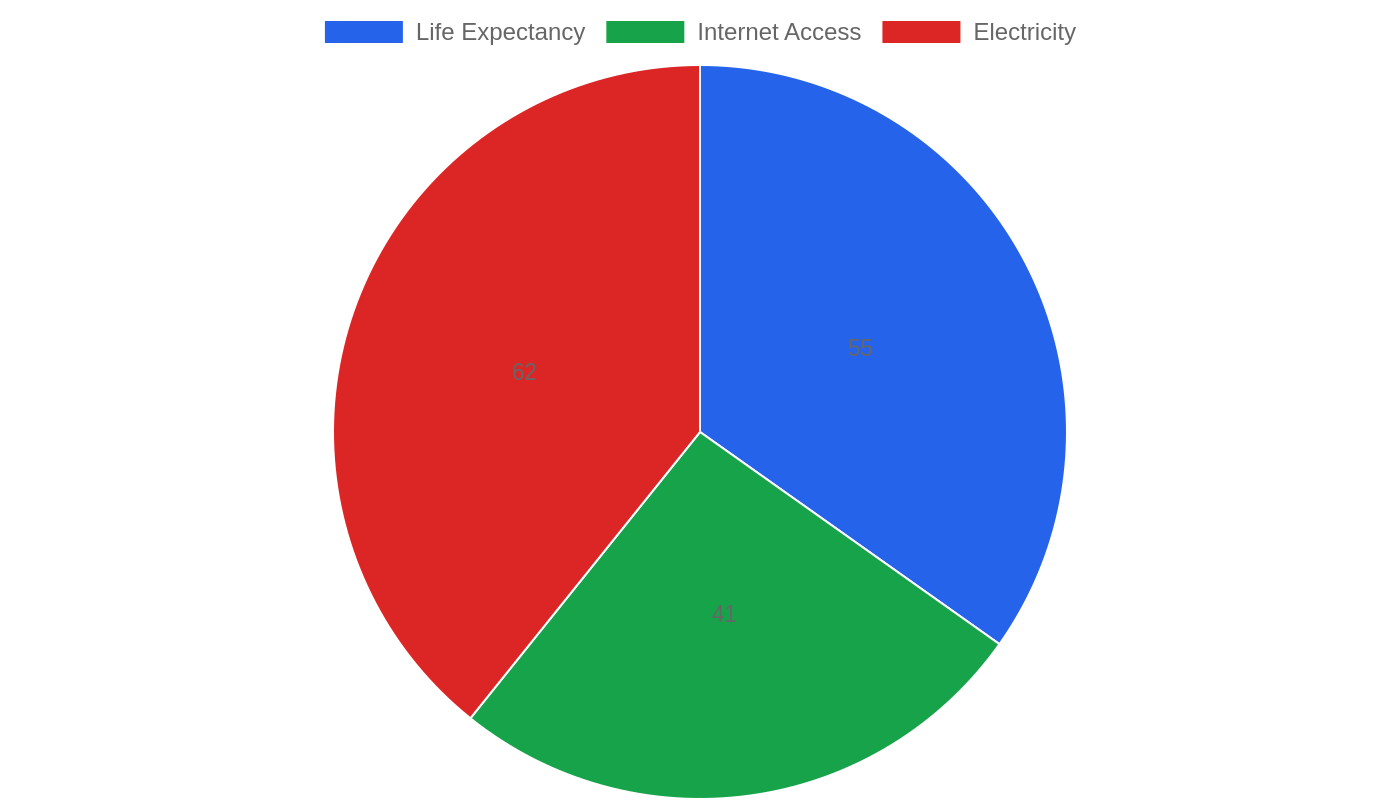
Economic Pulse Net | Sources: World Bank World Development Indicators, Government Sources | 2026
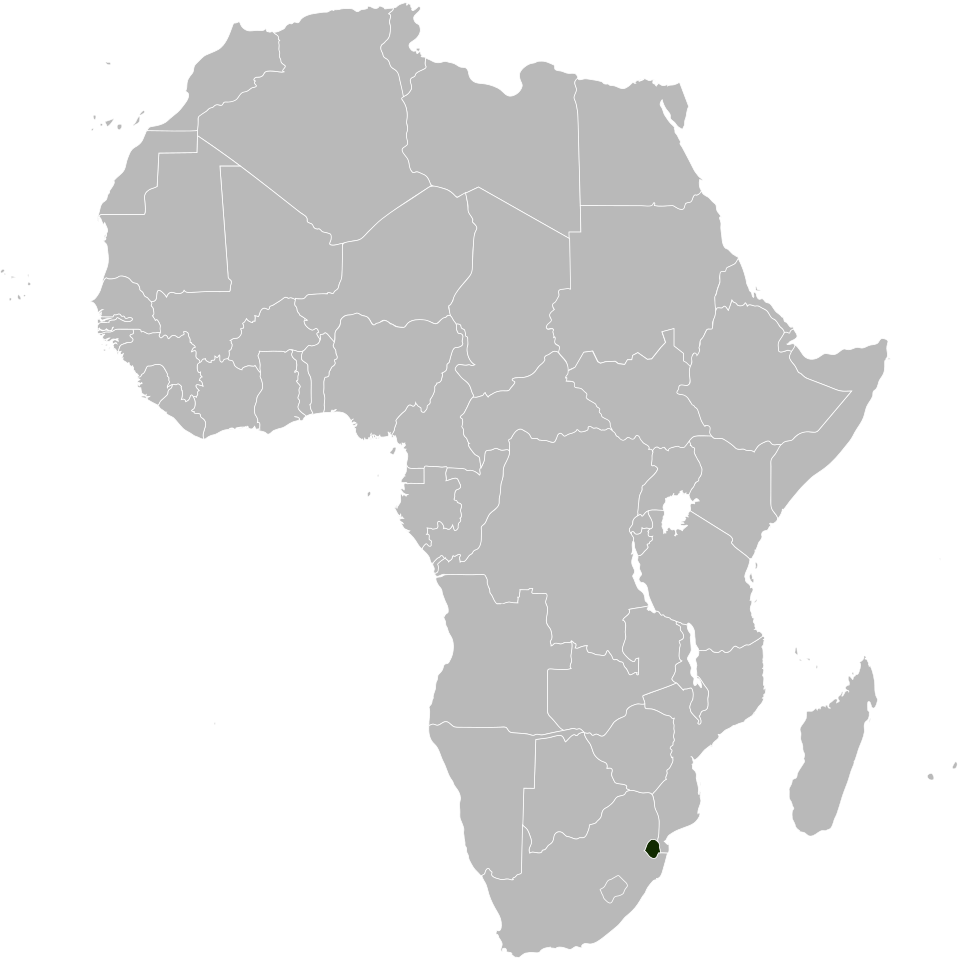
Nestled between South Africa and Mozambique, the Kingdom of Eswatini presents one of the most unique economic and political landscapes on the African continent. As an absolute monarchy with a constitutional framework, this small, landlocked nation is navigating the complexities of the 21st century while preserving its deep-rooted cultural traditions.
The economic picture, as painted by the World Bank, remains a canvas of incomplete data, yet the structural realities of the country—its industries, its state-owned enterprises, and its political system—tell a story of a nation in a delicate balancing act. This is a country where the rhythm of traditional Swazi law and custom intersects with the urgent demands of modern economic development, creating a narrative that is as fascinating as it is challenging.
Key Takeaways
– A Unique Political Economy: Eswatini is one of the world’s last absolute monarchies, where King Mswati III serves as the head of state, and the economy is heavily influenced by royal institutions and state-owned enterprises.
– State-Driven Corporate Landscape: The nation’s economic backbone is dominated by state-linked entities, including Eswatini Railways, Eswatini Posts and Telecommunications, and the royal investment vehicle Tibiyo Taka Ngwane.
– Data Gaps Mask Realities: With the World Bank providing no current figures for GDP growth, inflation, or unemployment, the true scale of economic activity is difficult to gauge, underscoring a lack of transparent, real-time economic reporting.
– A Nation of Infrastructure and Services: Key industries revolve around logistics, aviation, and telecommunications, positioning Eswatini as a potential regional transit hub despite its small size.
– Political Stability vs.
Reform Pressure: The absolute monarchy ensures political continuity, but the pressure for democratic reform and economic liberalisation remains a persistent undercurrent.
The Economic Engine: A State-Led Model in a Data Vacuum
The economic narrative of Eswatini is not written in the crisp numbers of quarterly GDP reports but in the tangible presence of its state-owned giants. According to the World Bank, key data points such as GDP growth, inflation, and unemployment are currently unavailable, leaving analysts to piece together the picture from the country’s industrial structure.
What is clear is that the economy is not driven by a vibrant private tech sector or a booming manufacturing hub, but rather by a network of state-linked corporations that form the core of the nation’s productive capacity. The Central Bank of Eswatini anchors the financial sector, while Eswatini Railways provides the critical logistical backbone for moving goods in and out of the landlocked nation.
This reliance on state-led infrastructure projects is a double-edged sword; it ensures that essential services remain operational, but it often lacks the dynamism and efficiency of a competitive private market.
The importance of these entities cannot be overstated. In the absence of robust private sector growth, these parastatals are the primary employers and the main drivers of capital expenditure. The consumer services sector, notably through aviation companies like Royal Swazi National Airways, Swazi Express Airways, and Eswatini Airlink, indicates a focus on connectivity, essential for trade and tourism.
However, the absence of hard data on inflation and GDP growth makes it challenging to assess whether these investments are translating into tangible improvements in living standards. The lack of transparency is a significant issue; without reliable statistics, foreign investors cannot accurately gauge risk, and policymakers are essentially flying blind.
The economic reality is likely one of modest growth, heavily reliant on South African customs revenue and the performance of these state-owned enterprises, but the World Bank’s data vacuum leaves the true picture obscured.
The Cost of Living: A Tale of Two Kingdoms
Without official indices for consumer prices from the World Bank, assessing the cost of living in Eswatini requires a look at its economic structure and regional context. The nation is heavily integrated with South Africa, its dominant neighbour, which means that price levels for imported goods—from food to fuel—are largely influenced by the Rand zone. However, the distribution of wealth is profoundly uneven.
The presence of a royal elite, whose wealth is managed through conglomerates like Tibiyo Taka Ngwane, stands in stark contrast to the majority of the population living in rural areas. For the average citizen, daily expenses are dominated by food staples and transport costs, with housing in urban centres like Mbabane and Manzini commanding a premium that is out of reach for many.
The housing market, in particular, reflects this disparity. While there is a segment of modern, high-end housing for the elite and expatriates, the majority of the population relies on traditional homesteads or informal settlements. Rent vs. buy dynamics are skewed; purchasing a formal property requires access to credit, which is often restricted due to high-interest rates and collateral requirements.
The cost of living is further exacerbated by the fact that many consumer goods must be imported, adding transport and tariff costs. While a direct comparison to a regional average is not possible with the provided data, it is reasonable to infer that the cost of living in Eswatini’s urban centres is comparable to secondary cities in South Africa, but with a lower average income to offset it, creating a significant squeeze on household budgets.
Investment & Business Climate: The Dominance of the Crown
For any investor looking at Eswatini, the landscape is defined by the central role of the state and the monarchy. The top companies in the country are not private multinationals but rather state-owned utilities and royal investment vehicles. The Eswatini Stock Exchange offers a platform for investment, but it is a small, illiquid market, heavily influenced by the performance of the few listed entities. The business environment is one where connections to the crown are often as important as a solid business plan.
Tibiyo Taka Ngwane, a conglomerate owned by the monarchy, holds significant stakes in key sectors of the economy, effectively blurring the lines between public and private enterprise.
This structure presents a unique challenge for foreign direct investment. On one hand, the government offers stability and a centralised decision-making process, which can facilitate large-scale projects. On the other hand, the lack of a competitive, open market can be a deterrent. Sectors to watch include logistics, given the strategic importance of Eswatini Railways, and telecommunications, where Eswatini Posts and Telecommunications is the dominant player.
The aviation sector, with multiple carriers, suggests an ambition to become a regional hub, though the market size is limited. For the intrepid investor, opportunities exist, but they must be navigated with a deep understanding of the local power structures and a willingness to partner with the state.
Safety, Politics & Quality of Life: The King’s Peace
The political landscape of Eswatini is its defining feature. As an absolute monarchy, the King, or *Ngwenyama* (“Lion”), is the head of state, serving as the symbol of unity and the eternity of the Swazi nation. The constitution provides for the monarchy, but political parties are banned from participating in elections, and the King rules by decree, advised by traditional councils.
This system ensures a high degree of political stability and continuity, but it comes at the cost of democratic representation. The *Ndlovukati* (the Mother of the Nation) also plays a crucial role, balancing the King’s power in a traditional dual-monarchy system. This political structure has been a source of tension, with pro-democracy protests emerging in recent years, often met with a heavy-handed state response.
Regarding safety, the provided data does not offer a specific crime index, but the quality of life in Eswatini is intrinsically linked to its social and economic inequalities. While violent crime is a concern, particularly in urban areas, the country maintains a strong sense of community and tradition. The healthcare system is under pressure, and the economy’s inability to create sufficient jobs for its young population is a persistent social issue.
The “King’s Peace” provides a certain order, but it is a peace built on the suppression of political dissent rather than the active participation of its citizens. For residents, the quality of life is a paradox: a rich cultural heritage and stunning landscapes, offset by limited personal freedoms and economic opportunities.
Current Affairs: The Pressure for Reform Intensifies
The narrative of Eswatini today is one of a nation grappling with the winds of change. While the World Bank data remains static, the political and social climate is anything but. The pro-democracy movement, which saw significant protests in recent years, continues to simmer beneath the surface. The government, under King Mswati III, has shown little appetite for fundamental political reform, instead focusing on economic development projects led by the state.
The recent moves to enhance the role of Eswatini Railways and the national airline suggest an attempt to boost the country’s position as a logistics hub, but these efforts are hampered by a lack of clear economic data and an investment climate that remains wary of the political risks.
The business community is watching closely. The Central Bank of Eswatini is under pressure to maintain stability, but without clear inflation targets or growth figures, its job is made more difficult. There is a palpable sense that the country is at a crossroads, where the old model of state-led development and absolute monarchy is being tested by a young, connected population demanding more accountability and opportunity.
The government’s response to these pressures, whether through liberalisation or further entrenchment, will define the kingdom’s trajectory for the next decade. The world may not be watching closely, but the decisions made in the royal residences and the boardrooms of the Eswatini Stock Exchange will have a profound impact on the future of this small, resilient nation.
The Bottom Line
Eswatini is a country for the patient and the observant. It is not a frontier market for the faint-hearted, but rather a strategic play on the resilience of a traditional monarchy in a modernising world. Investors and analysts should watch this nation for its potential as a regional logistics hub, but they must be prepared to navigate a business environment where the state and the crown are the primary gatekeepers.
For political scientists and students of African governance, Eswatini is a living case study in the survival of absolutism. The kingdom is a land of deep cultural pride and significant untapped potential, but its future hinges on whether the monarchy can adapt to the economic and political demands of its people without losing its soul.
Sources & Methodology
This article is authored by Economic Pulse Net for informational and research purposes. Economic Pulse Net sources its data from multilateral institutions, national statistics bureaus, and proprietary databases. All data is believed to be current as of the date of publication.
Published: August 07, 2026 | Category: Research — Eswatini
Use these signals in your own platform
Economic Pulse publishes its live signal feed through a documented, read-only API. Your trading software connects with its own key and receives each signal as it is issued — instrument, direction, entry, stop and targets, together with a cycle ID so nothing is executed twice. The feed is independent of this website and cannot change it.
Signals are informational only and are not financial advice.