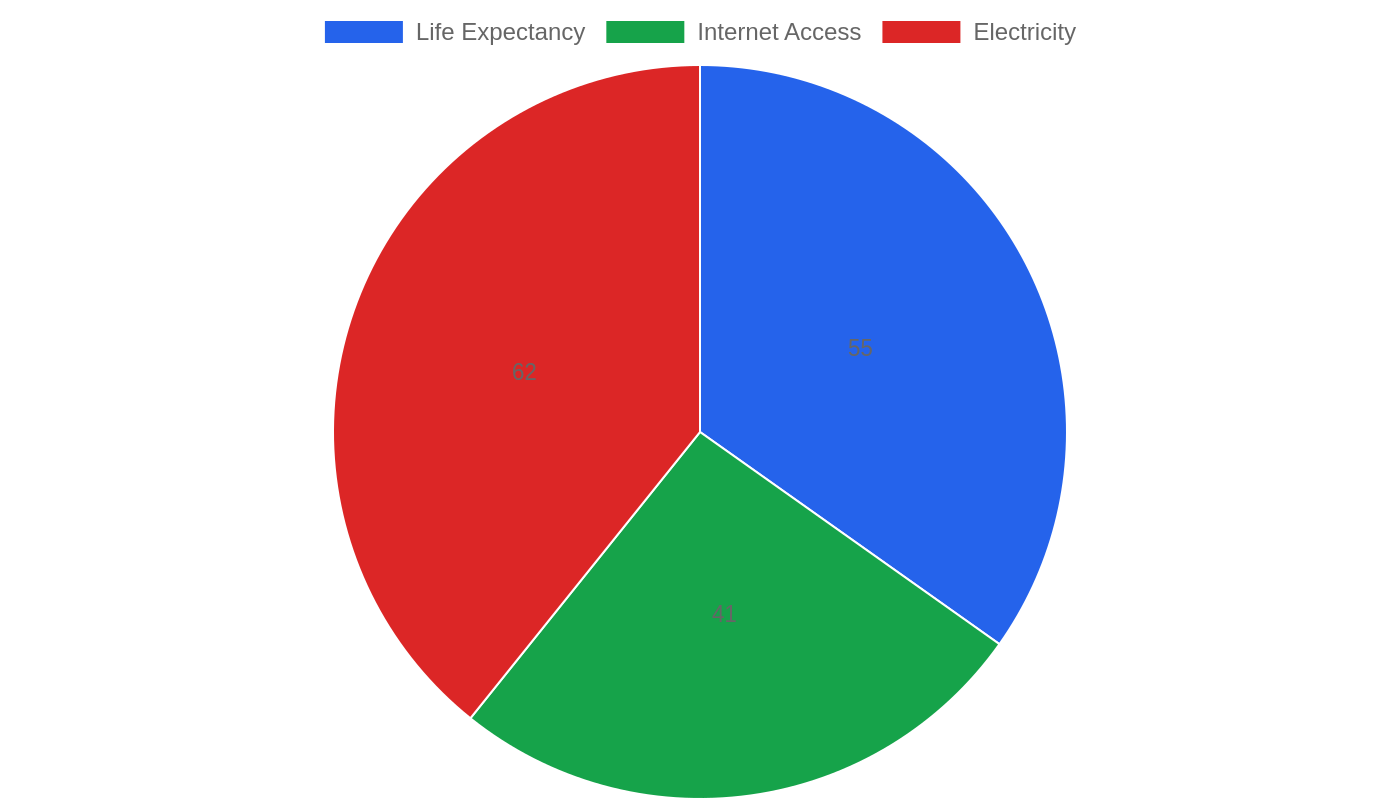
Economic Pulse Net | Sources: World Bank World Development Indicators, Government Sources | 2026
Key Takeaways
* Absolute Monarchy Structure: Eswatini operates under a unique political framework where King Mswati III holds supreme power as the *ngwenyama*, reigning alongside traditional maternal figures (*thandlovukati*), creating a governance model deeply rooted in custom rather than standard democratic processes.
Service-Led Corporate Landscape: The nation’s most prominent entities are concentrated in consumer services, aviation, and telecommunications, with major players like Aero Africa and Royal Swazi National Airways dominating the private sector landscape.
Infrastructure and Logistics Hubs: State-linked and private industrial giants, including Eswatini Railways and Tibiyo Taka Ngwane, play critical roles in maintaining the country’s logistical connectivity and economic backbone.
Data Transparency Gaps: Official macroeconomic indicators such as GDP growth, inflation rates, and unemployment figures are currently listed as N/A by the World Bank, suggesting a reliance on informal metrics or limited statistical reporting capabilities.
Economic Architecture and Industrial Base
The economic narrative of Eswatini is defined less by volatile market fluctuations and more by its structural reliance on specific service-oriented and industrial sectors. While precise macroeconomic metrics such as GDP growth, inflation CPI, and unemployment rates are currently unavailable from the World Bank, the composition of the economy reveals a distinct pattern.
The presence of major corporations like Eswatini Railways indicates that logistics and transportation remain foundational to the national output, serving as vital arteries for trade within the region. Similarly, the prominence of consumer services firms—such as Aero Africa, Royal Swazi National Airways, and Swazi Express Airways—highlights a significant contribution from the travel and hospitality industries, which likely drive foreign exchange earnings through regional connectivity.
Furthermore, the inclusion of Tibiyo Taka Ngwane, a conglomerate, suggests a diversified corporate environment where large-scale holdings manage varied assets across multiple sectors. The Central Bank of Eswatini and the Eswatini Stock Exchange form the financial core, providing necessary liquidity and investment platforms despite the lack of publicly available per capita income data.
This structure implies an economy that is stabilized by established institutional frameworks rather than rapid expansionary growth, relying instead on the consistent operation of legacy industries and telecommunications providers like Eswatini Posts and Telecommunications. Understanding this requires looking beyond aggregate numbers to the operational health of these key enterprises, which collectively sustain the daily economic rhythm of the nation.
Cost of Living and Housing Dynamics
Assessing the cost of living in Eswatini presents a challenge due to the absence of specific consumer price index (CPI) data, yet the availability of major utility and service providers offers clues into the domestic economic environment. The existence of established entities like Eswatini Posts and Telecommunications suggests a regulated infrastructure sector that likely influences daily household expenses regarding communication and postal services.
Without explicit rental yield data or housing cost indices, it is difficult to determine whether residents face high barriers to entry for homeownership versus renting, but the formal nature of the stock exchange and banking sector implies a structured real estate market. Consumers likely navigate a cost structure influenced by import dependencies, given the small size of the domestic manufacturing base inferred from the dominance of service and logistics companies.
Daily expenses are probably shaped by the efficiency of the telecommunications and transport networks, where competition among airlines and railway services may impact the affordability of movement and connectivity. While direct comparisons to regional averages are not possible without broader dataset access, the formalized presence of the Central Bank indicates that monetary policy tools are in place to manage inflationary pressures, even if those current levels remain unreported.
Consequently, the resident experience is likely characterized by a blend of modern service accessibility and traditional economic constraints, requiring careful budgeting in sectors where data transparency is low.
Investment and Business Climate
For investors and business operators, Eswatini presents a landscape dominated by established incumbents and state-adjacent entities rather than a flood of new startup ventures. The top companies list reveals a concentration in consumer services, with Aero Africa, Royal Swazi National Airways, Swazi Express Airways, and Eswatini Airlink indicating a robust aviation sector that facilitates both passenger and cargo movement.
This suggests that opportunities for investment may lie in supporting services for these carriers, such as maintenance, ground handling, or digital integration. In the industrial space, Eswatini Railways stands out as a critical partner for any business involved in heavy goods transport, offering a stable platform for logistics planning.
The conglomerate Tibiyo Taka Ngwane represents a significant pool of capital and diversified interests, potentially offering partnership avenues for foreign entities seeking local market entry. Meanwhile, the Eswatini Stock Exchange provides a venue for capital raising, though its activity levels are unknown without trading volume data. The Central Bank of Eswatini serves as the regulatory anchor, ensuring that financial compliance remains a priority for all new entrants.
For businesses, the key takeaway is that success depends on navigating relationships with these few dominant players who control the majority of market access, particularly in transport and telecommunications. The environment appears stable but closed, favoring established operations over disruptive innovation unless regulatory reforms encourage broader participation.
Safety, Politics, and Quality of Life
The political and social fabric of Eswatini is uniquely defined by its status as an absolute monarchy, where constitutional provisions intersect with Swazi law and customs. King Mswati III, who ascended to the throne in 1986 following the death of his father King Sobhuza II, serves as the *ngwenyama* or “lion,” symbolizing unity and the eternity of the Swazi nation according to the constitution.
This traditional leadership model is reinforced by the practice of the king reigning alongside his mother or a ritual substitute, known as the *thandlovukati*, embedding ancestral authority into modern governance. This dual system of rule creates a complex political landscape where stability is maintained through tradition rather than electoral mandate, influencing the quality of life for citizens who live under this enduring structure.
Regarding safety, specific crime and safety indices are currently listed as N/A, making it impossible to quantify risk levels precisely through standard global benchmarks. However, the continuity of the monarchy since 1986 suggests a degree of internal political stability, albeit one that may suppress dissent or limit political pluralism. The interplay between the king’s symbolic role and actual executive power shapes the societal mood, with citizens adapting to a system where legal and customary laws coexist.
For expatriates and residents, understanding this hierarchical structure is essential for navigating social norms and legal expectations, as the ruler’s word carries immense weight in both public and private spheres.
Current Affairs and Strategic Outlook
While real-time news feeds and live indicators are not provided in the current dataset, the structural elements of Eswatini’s economy point to ongoing challenges and opportunities inherent in its current configuration. The absence of recent GDP growth figures or inflation data from the World Bank suggests that the country may be facing statistical reporting delays or economic stagnation that obscures clear performance metrics.
Despite this, the operational continuity of major firms like Eswatini Posts and Telecommunications and Eswatini Railways indicates that basic infrastructure services remain functional, supporting a baseline level of commercial activity. Investors watching the Eswatini Stock Exchange will likely look for signs of increased listing activity or dividend payouts from companies like Tibiyo Taka Ngwane as proxies for economic health.
The aviation sector, represented by multiple airline entities, may be experiencing shifts in regional demand, affecting revenue streams for Aero Africa and Royal Swazi National Airways. Meanwhile, the Central Bank’s role remains crucial in managing any latent inflationary pressures, even if current CPI rates are not publicly disclosed.
The political landscape, anchored by King Mswati III’s long-standing reign, continues to provide a fixed point of reference, meaning that policy shifts are likely driven by royal decree or constitutional evolution rather than parliamentary debate. Observers should monitor developments in the telecommunications and logistics sectors for early signals of economic recovery or contraction, as these areas are most visible in the current corporate registry.
The Bottom Line
Eswatini is a niche market best suited for investors and analysts interested in stable, tradition-driven economies with strong logistical and service-oriented foundations. The country offers a unique case study in how absolute monarchy intersects with modern corporate structures, particularly in aviation and rail transport. While the lack of transparent macroeconomic data limits short-term speculative opportunities, the established presence of key institutions provides a reliable framework for long-term engagement.
Stakeholders should focus on the operational health of major conglomerates and service providers rather than broad economic trends, as these entities hold the true pulse of the nation’s daily commerce.
Sources & Methodology
This article is authored by Economic Pulse Net for informational and research purposes. Economic Pulse Net sources its data from multilateral institutions, national statistics bureaus, and proprietary databases. All data is believed to be current as of the date of publication.
Published: October 13, 2026 | Category: Research — Eswatini
Use these signals in your own platform
Economic Pulse publishes its live signal feed through a documented, read-only API. Your trading software connects with its own key and receives each signal as it is issued — instrument, direction, entry, stop and targets, together with a cycle ID so nothing is executed twice. The feed is independent of this website and cannot change it.
Signals are informational only and are not financial advice.