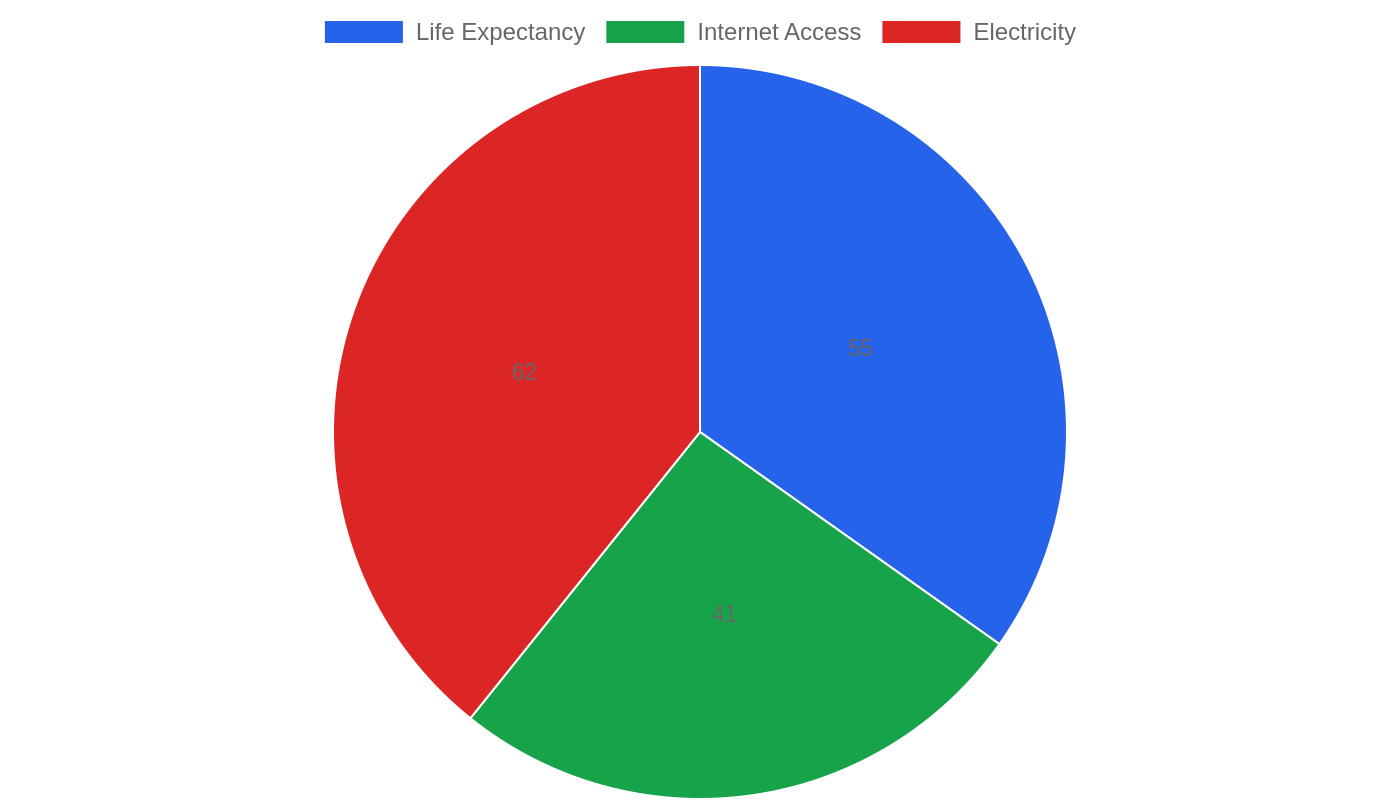
Economic Pulse Net | Sources: World Bank World Development Indicators, Government Sources | 2026
Key Takeaways
– New Caledonia operates as a *sui generis* territory, a unique constitutional arrangement where France has gradually transferred powers while retaining a significant presence.
– The territory’s citizens hold French nationality and vote in French presidential and European Parliament elections, creating a distinct political identity in the Pacific.
– Governance is split between a 54-member Territorial Congress and three provincial assemblies, with a French High Commissioner representing the state.
– The economy faces structural questions about its long-term relationship with France, though current data gaps make precise assessment challenging.
– For investors and policymakers, New Caledonia represents a test case of how Pacific territories navigate autonomy, economic development, and metropolitan ties.
The Nickel Economy and the Autonomy Question
New Caledonia’s economic story is inseparable from its political status. As a territory *sui generis* — a legal category created specifically for it — the country exists in a constitutional space unlike any other in the Pacific. France has gradually transferred certain powers to the local government, a process that has shaped everything from fiscal policy to trade relationships.
The World Bank’s data on GDP growth, inflation, and unemployment remains unavailable for the latest period, which itself tells a story of a territory in transition, where economic reporting often lags behind political developments.
What we do know is that New Caledonia’s economy has traditionally been anchored in its mineral wealth, particularly nickel, which has driven export revenues and attracted foreign investment. The territory’s GDP per capita has historically been among the highest in the Pacific region, reflecting the value of its mining sector and the substantial transfer payments from France that support public services and infrastructure.
However, the absence of current World Bank figures makes it difficult to assess how the economy has performed in the face of recent political turbulence and global commodity price fluctuations.
The employment picture remains equally opaque without updated statistics, but the structural challenges are evident. New Caledonia has long grappled with high youth unemployment and economic participation gaps between communities, issues that have fed into political tensions. The gradual transfer of powers from France has meant that local institutions now shoulder greater responsibility for economic management, yet the territory still relies heavily on metropolitan support for its fiscal stability.
This hybrid arrangement creates both opportunities and vulnerabilities — local leaders can tailor policies to Pacific realities, but the ultimate safety net remains Paris.
Housing and the Cost of Living in the Pacific
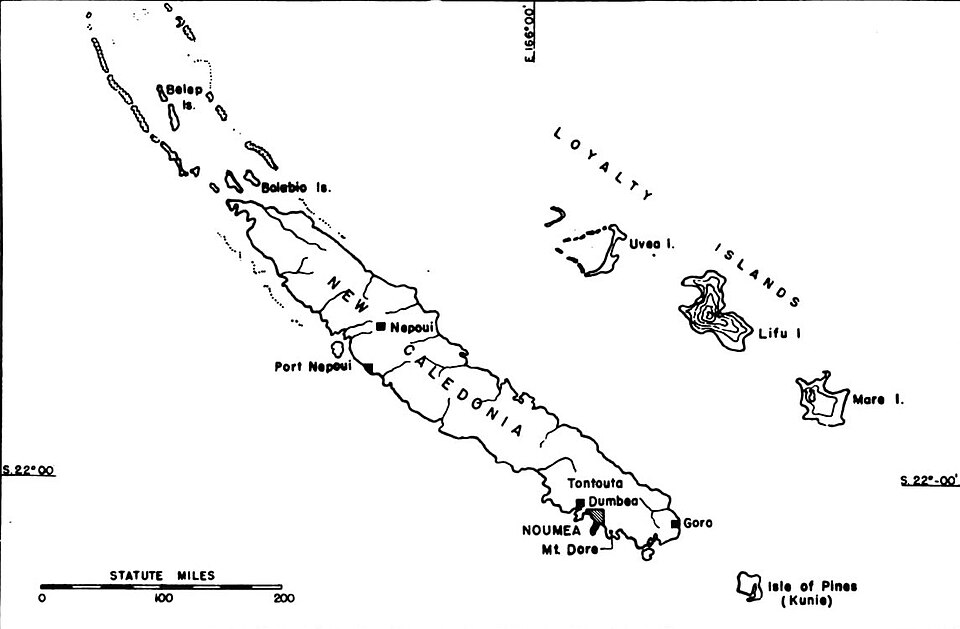
Living in New Caledonia carries a premium that reflects its remote island location and its reliance on imported goods. The cost of living in Nouméa, the capital, has historically been significantly higher than in metropolitan France, with food, fuel, and manufactured goods all carrying substantial import markups.
Housing, in particular, presents challenges — limited land availability, concentrated development along the western coast, and strong demand from both local residents and expatriate workers have kept property prices elevated.
The rental market in Nouméa and its suburbs serves a diverse population, from civil servants employed by the territorial government to workers in the nickel industry and the growing services sector. For those looking to buy, the market offers a mix of modern apartments and traditional homes, but prices reflect the scarcity of developable land and the costs of construction in an island environment.
Regional comparisons are difficult without comprehensive data, but anecdotal evidence from trade publications and expatriate guides consistently places New Caledonia among the more expensive Pacific destinations, comparable to French Polynesia and well above neighbouring Vanuatu or Fiji.
Business Climate and the Companies That Shape the Territory
The New Caledonian business environment is dominated by a handful of sectors, with mining and metallurgy leading the way. The nickel industry, operated by major players with significant French and international investment, forms the backbone of the export economy and provides substantial employment, both directly and through supporting industries. Beyond mining, the public sector is a major employer, reflecting the territory’s political structure and the continued presence of French institutions.
The construction sector has historically been active, driven by infrastructure projects funded through French development assistance and local government initiatives. Retail, tourism, and financial services round out the formal economy, though their scale is limited by the territory’s small population and geographic isolation.
The business climate is shaped by New Caledonia’s unique legal status — companies operate under French commercial law, but with local adaptations that have evolved through the gradual transfer of powers. This creates a familiar framework for French investors while offering some flexibility for regional businesses.
Safety, Politics, and the Quality of Life
New Caledonia’s political landscape is defined by the tension between its French connection and its Pacific identity. The territory’s citizens hold French nationality, vote for the president of France, and participate in European Parliament elections — a status that has been both a source of stability and a flashpoint for independence movements.
The 54-member Territorial Congress, composed of members from three provincial assemblies, governs local affairs, while a French High Commissioner represents the state in the territory.
The political balance has shifted over successive referendums on independence, with voters ultimately choosing to remain within France, but the question continues to shape public life and economic decision-making. The safety situation in New Caledonia has historically been relatively calm compared to many urban centres, though recent political tensions have occasionally spilled into civil unrest, particularly in Nouméa and surrounding areas.
For residents, the quality of life offers a blend of French cultural institutions and Pacific island living — a combination that attracts both metropolitan French citizens seeking opportunity and Pacific islanders drawn to the territory’s relative prosperity.
The Road Ahead — Independence Debates and Economic Realities
Right now, New Caledonia sits at a delicate moment. The independence referendums have concluded, with the territory choosing to remain French, but the underlying political tensions have not disappeared. The gradual transfer of powers continues, with local institutions taking on more responsibility for areas like education, health, and economic development.
The French state maintains a significant presence through the High Commissioner and substantial budgetary support, but the terms of that relationship are being renegotiated in real time.
The economic calendar ahead is crowded with challenges. The nickel industry faces global market pressures, with prices fluctuating and competition from lower-cost producers in Southeast Asia and elsewhere. The territorial government must manage public finances carefully, balancing the expectations of residents for services and infrastructure against the realities of a small, open economy.
Business confidence will depend heavily on political stability — investors need certainty about the territory’s long-term status, tax regime, and regulatory environment before committing capital.
The Bottom Line
New Caledonia is a territory that defies easy categorisation — not fully independent, not simply a French overseas department, but a place forging its own path in the Pacific. For investors, it offers exposure to the nickel market and access to the broader Pacific economy, but with political risk that demands careful assessment. For policymakers, it represents a laboratory for autonomy arrangements that could inform other territories grappling with similar questions.
And for observers of the Pacific region, it remains one of the most strategically and economically significant territories in the region, a place where French and Pacific interests continue to intersect in complex and evolving ways.
Sources & Methodology
This article is authored by Economic Pulse Net for informational and research purposes. Economic Pulse Net sources its data from multilateral institutions, national statistics bureaus, and proprietary databases. All data is believed to be current as of the date of publication.
Published: August 02, 2026 | Category: Research — New Caledonia
Use these signals in your own platform
Economic Pulse publishes its live signal feed through a documented, read-only API. Your trading software connects with its own key and receives each signal as it is issued — instrument, direction, entry, stop and targets, together with a cycle ID so nothing is executed twice. The feed is independent of this website and cannot change it.
Signals are informational only and are not financial advice.