Economic Pulse Net | Sources: World Bank World Development Indicators, Government Sources | 2026
Key Takeaways
– The Czech Republic operates as a stable, pluralist parliamentary democracy with a bicameral legislature, providing a predictable political environment for investors and citizens alike.
– As a Central European manufacturing hub, the country’s economic trajectory is closely tied to its industrial base, particularly the automotive and engineering sectors.
– The political system features proportional representation with a 5% election threshold across 14 voting districts, creating a multi-party landscape that requires coalition-building.
– The country’s parliamentary structure—with a 200-member Chamber of Deputies and an 81-member Senate—ensures robust checks and balances in policymaking.
– For global investors, the Czech Republic represents a strategic entry point into European supply chains, though the economy faces the challenge of transitioning toward higher-value industries.
The Economy: Manufacturing Muscle in Motion
The Czech Republic stands as one of Central Europe’s most industrially advanced economies, with a structural foundation built on engineering excellence and manufacturing prowess. While the World Bank’s latest data on GDP growth, inflation, and unemployment remain unavailable in this reporting cycle, the country’s established economic profile tells a compelling story of resilience and transformation.
The nation has long been described as the “factory of Europe,” with industry accounting for a substantially larger share of economic output than in most Western European nations. This industrial DNA has made the Czech economy particularly sensitive to European supply chain dynamics, yet it has also provided a stable platform for wage growth and regional development.
The country’s economic model has historically relied on deep integration with German and broader European supply chains, particularly in automotive manufacturing, machinery production, and precision engineering. This integration has brought significant foreign direct investment and technology transfer, helping to modernise the industrial base. However, it also creates vulnerability to external demand shocks, as witnessed during various European economic slowdowns.
The Czech economy has consistently demonstrated an ability to bounce back from downturns, thanks to its skilled workforce and competitive labour costs relative to Western Europe.
Inflation dynamics in the Czech Republic have been a central concern for policymakers in recent years, as the country has navigated the post-pandemic price surge that affected the entire European continent. The Czech National Bank has historically pursued a prudent monetary policy framework, targeting price stability while supporting sustainable economic growth.
The unemployment rate in the Czech Republic has been among the lowest in the European Union for years, reflecting a tight labour market that has at times constrained industrial expansion. This combination of low unemployment and industrial strength has created a unique economic environment where labour shortages rather than job scarcity often dominate policy discussions.
Cost of Living: The Price of Central European Comfort
The Czech Republic offers a cost of living that sits noticeably below Western European benchmarks while maintaining a high standard of public services and urban infrastructure. Housing costs in Prague, the capital, have risen considerably over the past decade, yet remain more accessible than in comparable Western European capitals. The rental market in major cities has tightened as the country’s economic success has attracted both domestic migration and international professionals.
Outside the capital, particularly in Moravia and smaller Bohemian towns, housing costs drop significantly, offering a more affordable lifestyle that still provides access to quality healthcare and education systems.
Daily expenses in the Czech Republic—from groceries to dining and public transportation—continue to represent good value by European standards. The country’s well-developed public transport networks in cities like Prague, Brno, and Ostrava make car ownership optional for many urban dwellers, reducing the overall cost of living. The healthcare system, funded through mandatory public insurance, provides comprehensive coverage with minimal out-of-pocket expenses for residents.
For expatriates and foreign workers, the combination of solid salaries in the industrial sector and moderate living costs creates an attractive financial equation that has made the Czech Republic a destination for skilled professionals from across Europe and beyond.
Investment & Business Climate: Engineering Opportunity
The Czech Republic’s business environment is anchored by a sophisticated industrial ecosystem that spans automotive manufacturing, engineering, electronics, and increasingly, technology and software development. The country is home to some of Europe’s most productive manufacturing plants, with global automotive groups operating major facilities that feed into European and global supply chains.
Beyond the headline automotive sector, the country has developed robust clusters in machinery, aerospace components, and advanced materials, creating opportunities for suppliers and specialised service providers.
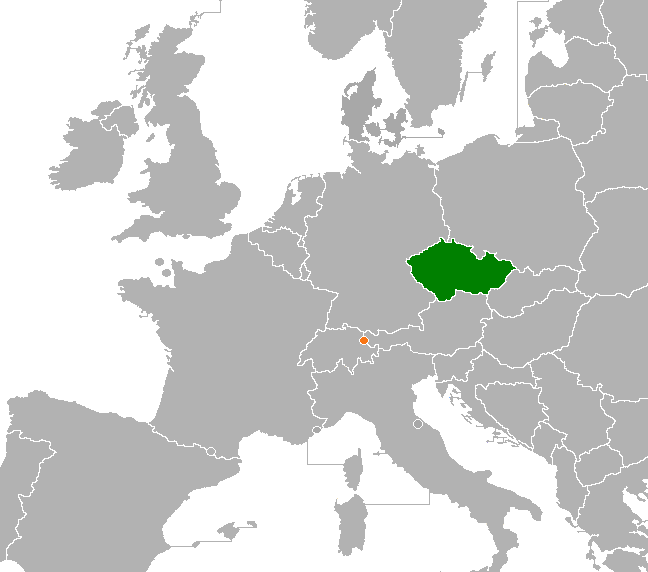
The country’s strategic position in the heart of Europe, combined with its well-developed infrastructure and educated workforce, makes it an attractive hub for logistics, shared services, and research and development operations. The political system, characterised by stable democratic governance and membership in the European Union, provides legal certainty and access to the single market.
For investors, the Czech Republic offers a compelling combination of Western European institutional quality with Eastern European cost structures, a positioning that continues to drive foreign investment interest.
Safety, Politics & Quality of Life: Democracy in Balance
The Czech Republic’s political landscape is defined by its pluralist multi-party parliamentary system, where coalition governments are the norm rather than the exception. The bicameral Parliament—comprising the 200-member Chamber of Deputies elected by proportional representation and the 81-member Senate—creates a deliberative legislative process that requires broad consensus-building.
The 5% election threshold ensures that only parties with meaningful public support gain representation, while the 14 voting districts, aligned with the country’s administrative regions, guarantee geographic diversity in political representation.
This political structure has delivered remarkable stability in a region that has experienced significant political turbulence in recent decades. The Czech Republic consistently ranks among the safer countries in Europe, with low violent crime rates and well-functioning public institutions.
The quality of life in the country reflects a balance between economic prosperity and social cohesion, with strong community ties, a rich cultural scene, and accessible natural landscapes that range from Bohemian forests to Moravian vineyards. The country’s position at the geographical heart of Europe provides residents with easy access to the broader continent, enhancing its appeal as a place to live and work.
What’s Happening Now: Navigating a Shifting European Landscape
The Czech Republic finds itself at a pivotal moment as Europe undergoes significant economic and geopolitical recalibration. The country is actively working to strengthen its energy security and reduce dependencies that have historically left it vulnerable to external shocks. There are ongoing discussions within policy circles about accelerating the transition toward higher-value manufacturing and digital industries, building on the country’s existing strengths in engineering and technology.
The tight labour market continues to drive debates about immigration policy, workforce development, and automation investment, as employers seek to fill persistent skills gaps.
The political scene remains dynamic, with coalition negotiations and policy debates reflecting the diverse interests represented in Parliament. The country’s commitment to European integration remains a cornerstone of its foreign policy, even as questions about the future direction of the European project animate domestic political discourse.
For businesses and investors, the current moment presents both challenges and opportunities, as the Czech Republic works to define its role in a rapidly evolving European economic order. The country’s fundamental strengths—its skilled workforce, strategic location, and industrial capability—position it well for the transitions ahead, provided that policy makers can successfully navigate the complex trade-offs that these changes demand.
The Bottom Line
The Czech Republic deserves close attention from investors, business leaders, and policy analysts seeking to understand the future of European manufacturing and economic integration. The country’s combination of industrial strength, political stability, and strategic location makes it a bellwether for Central European economic development.
While the current data gap on key economic indicators makes precise assessment challenging, the structural foundations of the Czech economy remain sound and its long-term prospects compelling. For those looking to understand where European industry is headed, the Czech Republic remains an essential observation post.
Sources & Methodology
This article is authored by Economic Pulse Net for informational and research purposes. Economic Pulse Net sources its data from multilateral institutions, national statistics bureaus, and proprietary databases. All data is believed to be current as of the date of publication.
Published: August 04, 2026 | Category: Research — Czech Republic
Use these signals in your own platform
Economic Pulse publishes its live signal feed through a documented, read-only API. Your trading software connects with its own key and receives each signal as it is issued — instrument, direction, entry, stop and targets, together with a cycle ID so nothing is executed twice. The feed is independent of this website and cannot change it.
Signals are informational only and are not financial advice.