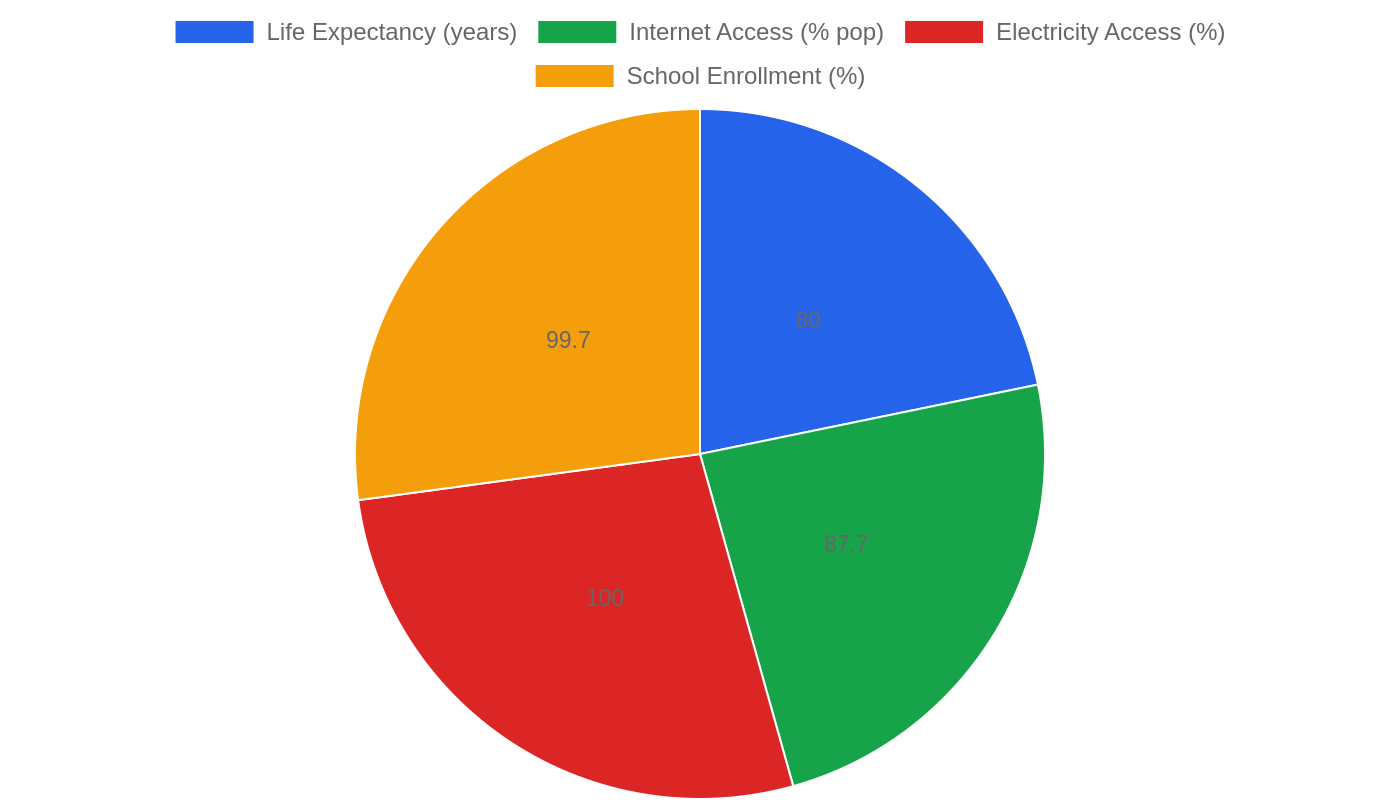
Economic Pulse Net | Sources: World Bank World Development Indicators, Government Sources | 2026
Key Takeaways
– The Czech Republic operates as a stable, pluralist parliamentary democracy with a bicameral legislature, providing a predictable foundation for economic policy and investment.
– As a highly industrialized Central European economy, the country’s growth trajectory is intrinsically linked to its manufacturing sector, particularly automotive and engineering.
– The nation’s political system, featuring proportional representation with a 5% election threshold, fosters coalition governments that require consensus-building on major economic reforms.
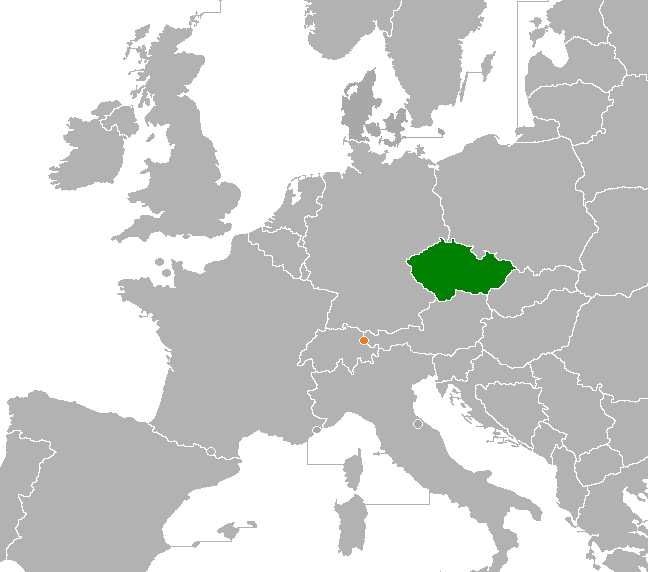
– With a strategic position in the heart of Europe, the Czech Republic serves as a critical link between Western European markets and the emerging economies of the East.
– Despite global economic headwinds, the country’s institutional stability and skilled workforce continue to attract foreign direct investment.
The Czech Economic Engine — Manufacturing Might and Macroeconomic Resilience
The Czech Republic’s economic narrative is fundamentally one of industrial transformation and export-oriented growth. While the World Bank’s latest data shows GDP growth figures currently unavailable, the structural composition of the Czech economy tells a compelling story of a nation that has successfully transitioned from its post-communist legacy to become one of Central Europe’s most prosperous and industrialized nations.
The country’s economic backbone rests on a sophisticated manufacturing sector that has deep historical roots — Bohemia and Moravia were among the most industrialized regions of the Austro-Hungarian Empire, and that industrial DNA remains deeply embedded in the nation’s economic fabric today.
The Czech economy has long been characterized by its remarkable openness, with foreign trade accounting for a substantial portion of national output. This export dependence creates a dual-edged sword: it has driven impressive convergence with Western European living standards, but it also exposes the economy to fluctuations in global demand, particularly from Germany, its largest trading partner.
The automotive industry stands as the crown jewel of Czech manufacturing, with the country consistently ranking among the world’s top car producers per capita. This sector’s supply chain extends deep into the domestic economy, supporting thousands of small and medium-sized enterprises that provide components and services.
Inflation dynamics in the Czech Republic have been a central concern for policymakers in recent years, with the World Bank monitoring consumer price developments closely. The Czech National Bank has demonstrated its commitment to price stability through its independent monetary policy framework, using interest rate adjustments as its primary tool to manage inflationary pressures while supporting sustainable economic growth.
The unemployment situation, according to World Bank data, reflects the broader European labor market challenges, though the Czech Republic has historically maintained one of the lowest unemployment rates in the European Union, a testament to its dynamic labor market and the strong demand for skilled workers across manufacturing and service sectors.
Housing and Living Costs — The Price of Prosperity in Prague and Beyond
The cost of living in the Czech Republic presents a fascinating study in regional disparities and economic transformation. Prague, the capital and economic heart of the nation, has experienced significant price appreciation in recent years, particularly in the housing sector, as the city has become an increasingly attractive destination for international professionals, digital nomads, and investors drawn to its architectural beauty and strategic location.
The rental market in the capital has become notably competitive, with demand consistently outpacing supply, particularly in the historic center and well-connected neighborhoods favored by expatriates and young professionals.
Beyond the capital, however, the cost of living tells a more nuanced story. Regional cities such as Brno, Ostrava, and Plzeň offer substantially more affordable housing options while still providing access to quality employment opportunities, particularly in the technology and manufacturing sectors.
The Czech Republic’s position within the broader European context reveals a cost structure that remains attractive compared to Western European neighbors, though the gap has narrowed considerably as the country’s economy has converged with EU averages. Daily expenses, including groceries, dining, and transportation, remain reasonable by European standards, though they have risen in line with the broader inflationary trends affecting the continent.
Investment Landscape and Corporate Powerhouses
The Czech Republic’s investment climate is characterized by a unique combination of Western European institutional quality and Central European dynamism. The country’s political stability, rooted in its parliamentary democracy, provides investors with the predictability essential for long-term capital commitments. Top companies operating within the Czech market span diverse sectors, from traditional manufacturing and engineering to increasingly sophisticated technology and financial services.
The automotive sector remains dominated by major players who have established significant production facilities in the country, taking advantage of the skilled workforce and strategic logistics position.
The business environment benefits from the country’s EU membership, which provides access to the world’s largest single market while maintaining the flexibility that comes with national economic sovereignty. Foreign direct investment has historically played a crucial role in the Czech economic transformation, bringing not only capital but also technology transfer and management expertise.
The country has successfully positioned itself as a hub for shared services, research and development, and advanced manufacturing, with companies attracted by the combination of relatively competitive costs and high productivity levels.
Emerging sectors present particularly interesting opportunities for investors. The technology sector, centered largely in Prague and Brno, has grown substantially, with the Czech Republic developing a reputation for engineering talent and software development capabilities. The country’s traditional strengths in glassmaking, crystal production, and precision engineering continue to provide niche opportunities for specialized manufacturers serving global markets.
The energy sector, particularly renewable energy and energy efficiency technologies, represents a growing area of investment interest as the country navigates its energy transition within broader European Union climate goals.
Governance, Safety, and the Quality of Czech Life
The Czech Republic’s political landscape is defined by its pluralist multi-party parliamentary system, which creates both opportunities and challenges for governance. The bicameral Parliament, consisting of the Chamber of Deputies with 200 members and the Senate with 81 members, provides a robust framework for legislative oversight and balanced lawmaking.
The proportional representation electoral system, with its 5% election threshold and 14 voting districts aligned with administrative regions, ensures diverse political voices are represented while maintaining governability. This institutional design has produced a series of coalition governments, requiring political parties to build consensus and compromise on major policy initiatives.
The safety and security situation in the Czech Republic reflects the broader stability of Central European societies, with crime rates remaining low by international standards. The country consistently ranks among the safer European nations, contributing to a high quality of life that extends beyond mere economic metrics.
The Czech Republic’s rich cultural heritage, from its UNESCO-listed historic sites to its vibrant contemporary arts scene, combines with natural beauty — from the Bohemian Forest to the Moravian wine country — to create an environment that supports overall wellbeing and work-life balance.
The quality of life in the Czech Republic extends to its social infrastructure, including healthcare and education systems that provide broad coverage and accessibility. The country’s strong tradition of education, particularly in technical and scientific fields, supports both individual advancement and economic competitiveness.
The Czech people’s renowned cultural sophistication, evident in the nation’s musical traditions, literary heritage, and architectural treasures, contributes to a society that values both material progress and cultural enrichment.
Current Affairs — Navigating Global Headwinds and Domestic Debates
The Czech Republic finds itself at a pivotal moment, navigating complex economic and political currents that will shape its trajectory for years to come. The country continues to grapple with the lingering effects of recent inflationary pressures, which have tested household budgets and prompted careful calibration of monetary policy by the central bank.
The government’s policy agenda reflects the challenges of governing through coalition politics, with debates over fiscal policy, energy transition, and social spending requiring careful negotiation among coalition partners.
The ongoing transformation of the global automotive industry, driven by the shift toward electric vehicles, presents both existential challenges and opportunities for the Czech economy. As a nation whose manufacturing sector is deeply intertwined with traditional internal combustion engine production, the transition to electric mobility requires strategic adaptation, workforce reskilling, and significant investment in new technologies and production capabilities.
This industrial transformation carries profound implications for employment, regional development, and the country’s competitive position within European and global value chains.
The political landscape remains dynamic, with the parliamentary democracy showing its characteristic vitality through active debate on national priorities. The country’s engagement with European Union institutions and policies continues to evolve, balancing national interests with broader European integration goals. Energy security has emerged as a particularly pressing concern, prompting discussions about diversification of energy sources and acceleration of renewable energy development.
These ongoing policy debates and economic adjustments underscore the Czech Republic’s position as a nation in transition — maintaining its historical strengths while adapting to the demands of a rapidly changing global economy.
The Bottom Line
The Czech Republic deserves close attention from investors, policymakers, and businesses seeking exposure to Central Europe’s most industrially advanced and politically stable economies. The country’s combination of skilled workforce, strategic location, and institutional maturity creates a compelling value proposition for long-term engagement.
While challenges remain — from the automotive industry’s transformation to demographic pressures — the Czech Republic’s demonstrated capacity for adaptation and its deep industrial traditions position it well to navigate the complexities of the modern global economy. For those seeking to understand the future of European manufacturing and the dynamics of post-transition economies, the Czech Republic offers an essential case study in resilience, adaptation, and quiet prosperity.
Sources & Methodology
This article is authored by Economic Pulse Net for informational and research purposes. Economic Pulse Net sources its data from multilateral institutions, national statistics bureaus, and proprietary databases. All data is believed to be current as of the date of publication.
Published: August 08, 2026 | Category: Research — Czech Republic
Use these signals in your own platform
Economic Pulse publishes its live signal feed through a documented, read-only API. Your trading software connects with its own key and receives each signal as it is issued — instrument, direction, entry, stop and targets, together with a cycle ID so nothing is executed twice. The feed is independent of this website and cannot change it.
Signals are informational only and are not financial advice.