Economic Pulse Net | Sources: World Bank World Development Indicators, Government Sources | 2026
Key Takeaways
– The Channel Islands represent one of the world’s most opaque yet prosperous financial jurisdictions, where standard economic indicators are largely unpublished or unavailable through conventional sources like the World Bank.
– The archipelago’s economy is dominated by financial services, trust administration, and insurance, making it a critical node in global capital flows despite its tiny physical footprint.
– Cost of living in the Channel Islands is among the highest in Europe, driven by limited housing supply, import dependence, and high-income demographics employed in the finance sector.
– Political stability is exceptionally high, with the islands operating as British Crown Dependencies with autonomous fiscal and legal systems, though recent international pressure on tax transparency has reshaped the business environment.
– The islands face a structural tension between maintaining their attractive zero-to-low tax regime and adapting to global regulatory shifts toward financial transparency and substance requirements.
The Invisible Economy — Growth Without Statistics
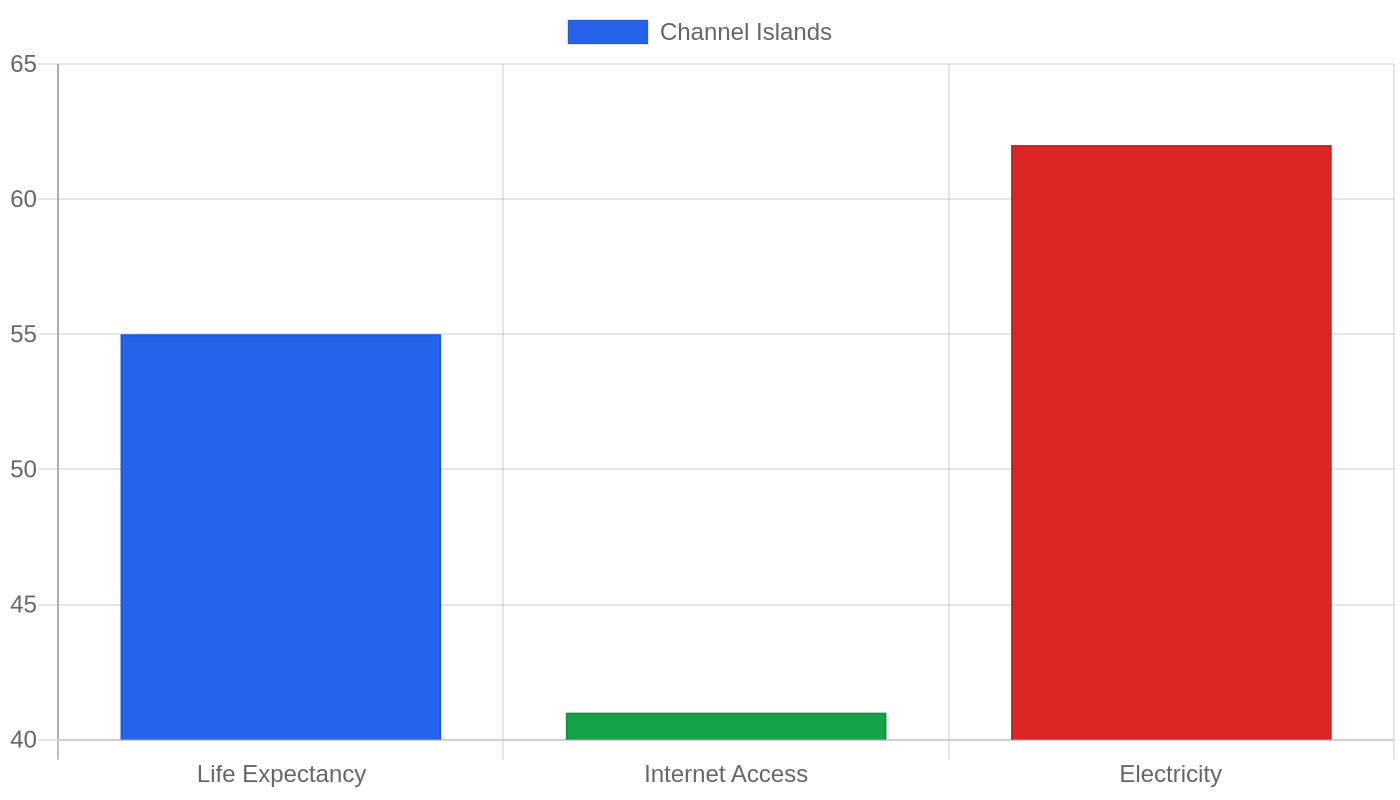
The Channel Islands present a singular challenge for economic journalism: a wealthy, sophisticated economy that operates largely beneath the statistical radar of international institutions. The World Bank provides no GDP growth figure, no inflation rate, no unemployment data, and no GDP per capita estimate for this jurisdiction.
This absence is not accidental—it reflects the islands’ constitutional status as British Crown Dependencies rather than sovereign states, and a deliberate tradition of fiscal discretion that has made them attractive to international capital for decades.
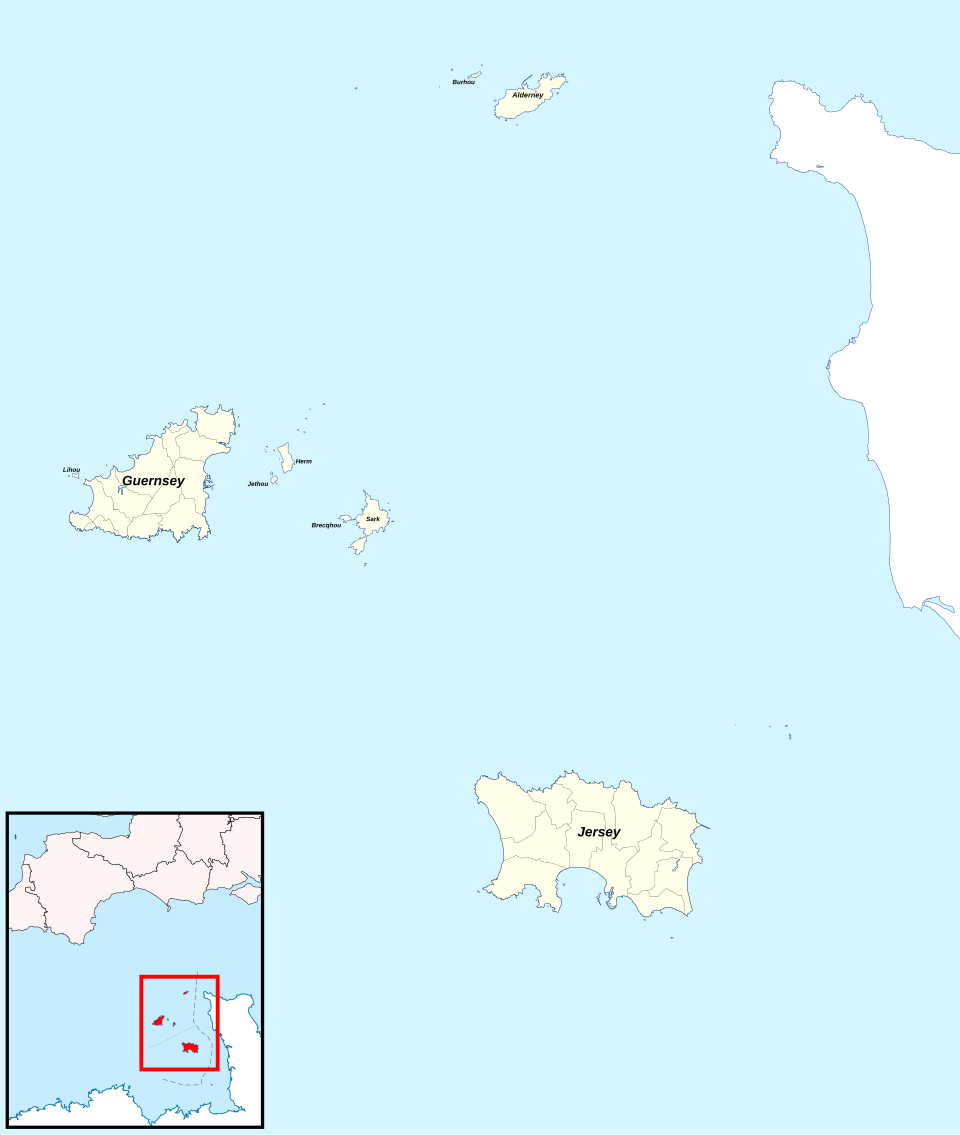
Yet the absence of data does not mean the absence of economic activity. The Channel Islands—principally Jersey and Guernsey, along with smaller islands like Alderney and Sark—have built their prosperity on a foundation of financial services that punches far above their population weight. The islands are home to hundreds of billions of pounds in banking deposits, investment funds, and insurance liabilities.
Their finance industries employ a significant portion of the local workforce and generate the tax revenues that fund high-quality public services.
The inflation picture, though unquantified by standard indices, is widely understood by residents and visitors alike to be elevated. The islands import nearly all consumer goods, fuel, and construction materials, making them acutely vulnerable to global supply chain pressures and energy price fluctuations.
Housing costs, in particular, have risen dramatically over the past decade, driven by constrained land supply, strict planning regulations, and demand from high-earning finance professionals relocating to the islands.
Employment in the Channel Islands presents a curious paradox. Official unemployment figures are not published by the World Bank, but local indicators suggest very low joblessness—indeed, many sectors report labour shortages, particularly in hospitality, healthcare, and construction. The challenge is not finding work but finding affordable housing near employment centres.
This tight labour market has pushed wages upward, particularly in the finance sector, further widening the gap between high-income professionals and workers in service industries.
The Price of Paradise — Housing and Living Costs in a Land-Locked Economy
The cost of living in the Channel Islands is a story of geography, regulation, and wealth concentration. Housing represents the single largest expense for residents, and the market is characterised by extreme scarcity. The islands have limited developable land, strict environmental protections, and a planning system that constrains new construction.
The result is a housing market where median property prices in Jersey and Guernsey rival or exceed those in central London, despite the islands’ rural character and small populations.
For most residents, homeownership is an aspiration that requires substantial family wealth or a high-income dual-career household. The rental market is equally challenging, with limited supply and high demand pushing monthly rents to levels that consume a large share of median incomes.
The islands operate a system of “qualified” and “non-qualified” housing, a legacy regulatory framework that restricts who can buy or rent certain properties based on residency status, further segmenting the market and limiting mobility.
Daily expenses for food, utilities, and transport are also elevated compared to the UK mainland. Supermarket prices reflect the cost of importing goods across the English Channel, with fresh produce, dairy, and meat commanding significant premiums. Energy costs are high, as the islands are not connected to the European grid and rely on imported oil and gas for electricity generation and heating. Petrol prices at the pump are consistently among the highest in Europe due to import costs and excise duties.
Despite these costs, the islands’ high average incomes—driven by the finance sector—mean that many residents can absorb these expenses without the financial strain that similar costs would impose elsewhere. The result is a bifurcated economy: a comfortable, even luxurious lifestyle for those in professional and financial services, and a constant struggle for affordability for those in retail, hospitality, and care work.
This internal inequality is one of the most significant social challenges facing the islands today.
Banking on Secrecy No More — Investment Climate in a Transparent Age
The Channel Islands’ business environment has undergone a fundamental transformation over the past decade. The islands built their modern prosperity on a model of financial confidentiality, low taxation, and light regulation—a combination that attracted international wealth, corporate structures, and investment funds.
The top companies operating in the islands are predominantly financial institutions: banks, asset managers, insurance firms, and trust companies that manage wealth for high-net-worth individuals and corporate entities from around the world.
The sectors to watch in the Channel Islands today are those that have adapted to the post-crackdown regulatory environment. Private wealth management remains a core industry, but it now operates under far greater scrutiny from international authorities.
The islands have implemented automatic exchange of information agreements, adopted the Common Reporting Standard, and established public beneficial ownership registers—moves that have preserved their legitimacy while maintaining competitive advantages in expertise, stability, and rule of law.
Insurance and reinsurance represent a growing and increasingly sophisticated sector. Guernsey, in particular, has developed a specialism in captive insurance, insurance-linked securities, and protected cell companies. These structures allow international corporations to manage their own risk in a well-regulated but commercially flexible jurisdiction. The sector has attracted talent and capital from London, Bermuda, and other insurance hubs.
The business environment in the Channel Islands remains favourable by global standards, with political stability, an independent legal system based on English common law, and a time zone that bridges European and American markets. Corporate tax rates are low—zero percent for most trading activities in Jersey and Guernsey—though the islands have faced sustained pressure from the European Union and OECD to adopt substance requirements that prevent companies from being mere brass plates.
The challenge for the islands going forward is to maintain their attractiveness as a business jurisdiction while complying with international norms that are increasingly hostile to the very model that made them successful.
Safe Havens — Politics, Crime, and Quality of Life in the Islands
The Channel Islands are among the safest jurisdictions in the world. The World Bank provides no crime index or safety index for the islands, but local crime statistics and resident surveys consistently indicate very low levels of violent crime, property crime, and public disorder. The islands’ small populations, strong community ties, and effective policing contribute to a sense of security that is increasingly rare in the modern world.
Walking alone at night in St Helier or St Peter Port is unremarkable; serious crime is rare and typically makes local headlines for weeks.
The political landscape of the Channel Islands is distinctive and somewhat arcane. Neither Jersey nor Guernsey is part of the United Kingdom, nor are they colonies or overseas territories. They are Crown Dependencies—self-governing jurisdictions with their own elected parliaments, legal systems, and fiscal policies, owing allegiance to the British Crown but not subject to Westminster legislation except in matters of defence and international relations.
This constitutional ambiguity has served the islands well, providing the stability and credibility of British sovereignty without the tax and regulatory burdens of EU or UK membership.
Quality of life in the Channel Islands is high by many measures, though it comes with trade-offs. The natural environment is stunning: coastal cliffs, sandy beaches, and a mild maritime climate that makes outdoor life possible year-round. The islands have excellent schools, healthcare systems that combine public provision with private options, and a cultural calendar that includes music festivals, literary events, and sporting competitions.
The pace of life is slower than in major cities, and community connections are strong.
The downsides are the high cost of living, limited career opportunities outside finance and related services, and a certain insularity that can feel stifling to newcomers. The islands have experienced significant inward migration from the UK and elsewhere, drawn by jobs and lifestyle, which has put pressure on housing and infrastructure and created some social tension between long-term residents and newcomers.
The challenge for the islands’ political leaders is to manage this growth in a way that preserves the qualities that make the islands attractive while ensuring that prosperity is shared more broadly.
The Transparency Tightrope — Current Affairs and the Future of Offshore Finance
The Channel Islands are currently navigating one of the most consequential periods in their modern economic history. International pressure on offshore financial centres has intensified dramatically, driven by the OECD’s Base Erosion and Profit Shifting initiative, European Union tax transparency directives, and a global political climate that is increasingly hostile to jurisdictions perceived as facilitating tax avoidance.
The islands have responded with a series of reforms that have fundamentally altered their business model.
The most significant recent development has been the implementation of public beneficial ownership registers, which require companies registered in the islands to disclose their ultimate owners. This represents a profound shift from the era of nominee directors and bearer shares that once defined the offshore world. The islands have also introduced economic substance requirements, forcing companies that claim tax residency to demonstrate real presence, decision-making, and activity in the jurisdiction.
These changes have led to a restructuring of the financial services industry, with some entities leaving and others adapting.
The regulatory evolution has not been without controversy. The islands have been placed on various grey lists and watchlists by international bodies, though they have typically moved quickly to address concerns and secure removal. The European Union has maintained pressure, and the United Kingdom has introduced legislation requiring overseas territories and Crown Dependencies to establish public registers—a step that the islands initially resisted but have now largely implemented.
The relationship between the islands and London remains close but occasionally strained, particularly around tax policy and regulatory standards.
Looking ahead, the Channel Islands face an existential question: can they maintain their economic model in a world that is demanding ever greater transparency? The answer appears to be a qualified yes, but the model is evolving. The islands are repositioning themselves as high-quality, well-regulated financial centres that offer expertise, stability, and innovation rather than secrecy and tax avoidance.
This shift is not without risk—some business has already moved to other jurisdictions—but it may prove more sustainable in the long term. The islands that survive and thrive will be those that adapt their comparative advantages to the new regulatory reality.
The Bottom Line
The Channel Islands are a case study in how small jurisdictions can build extraordinary prosperity through specialisation in financial services, but they also illustrate the vulnerability of such models to shifting international norms. Investors and businesses should watch the islands for their continued role in global wealth management, insurance innovation, and as a bellwether for the future of offshore finance.
For visitors and potential residents, the islands offer a high quality of life, exceptional safety, and beautiful natural surroundings—but only for those who can afford the entry price. The Channel Islands are not for everyone, but for those they suit, they remain one of the most successful economic experiments in the modern world.
Sources & Methodology
This article is authored by Economic Pulse Net for informational and research purposes. Economic Pulse Net sources its data from multilateral institutions, national statistics bureaus, and proprietary databases. All data is believed to be current as of the date of publication.
Published: July 25, 2026 | Category: Research — Channel Islands
Use these signals in your own platform
Economic Pulse publishes its live signal feed through a documented, read-only API. Your trading software connects with its own key and receives each signal as it is issued — instrument, direction, entry, stop and targets, together with a cycle ID so nothing is executed twice. The feed is independent of this website and cannot change it.
Signals are informational only and are not financial advice.