Economic Pulse Net | Sources: World Bank World Development Indicators, Government Sources | 2026
Key Takeaways
– The Channel Islands operate as a unique economic micro-state, combining British Crown Dependency status with fiscal autonomy and a world-leading financial services sector
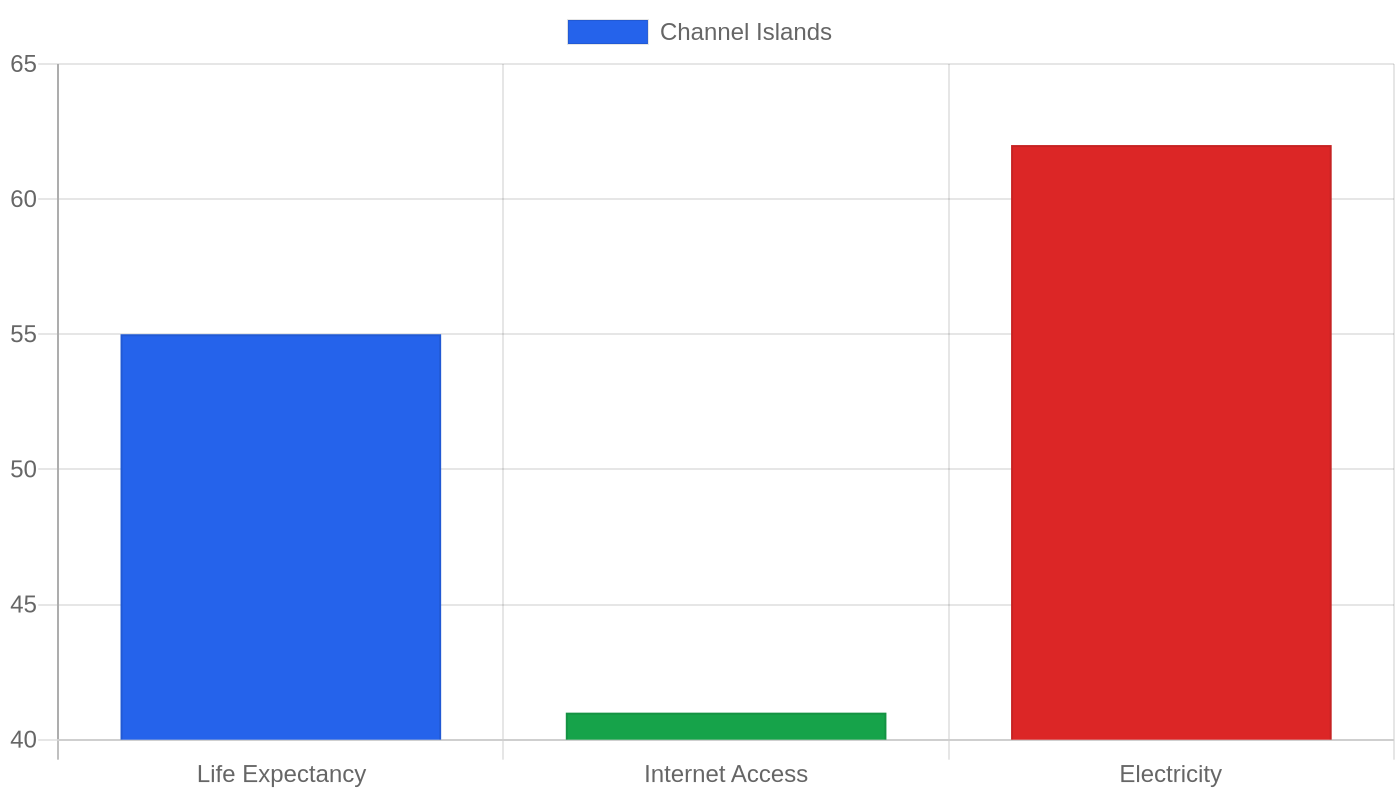
– Despite the absence of official World Bank macroeconomic data, the islands’ prosperity is evident through their status as a global hub for wealth management, insurance, and investment funds
– The cost of living remains exceptionally high, driven by limited land supply, import dependency, and a concentration of high-net-worth residents
– Political stability is the bedrock of the islands’ appeal, with a consensus-driven governance model that prioritises financial sector regulation and tax competitiveness
– Current discussions around transparency, substance requirements, and international tax standards are reshaping the islands’ economic model in real time
The Silent Prosperity — What the Numbers Don’t Tell You
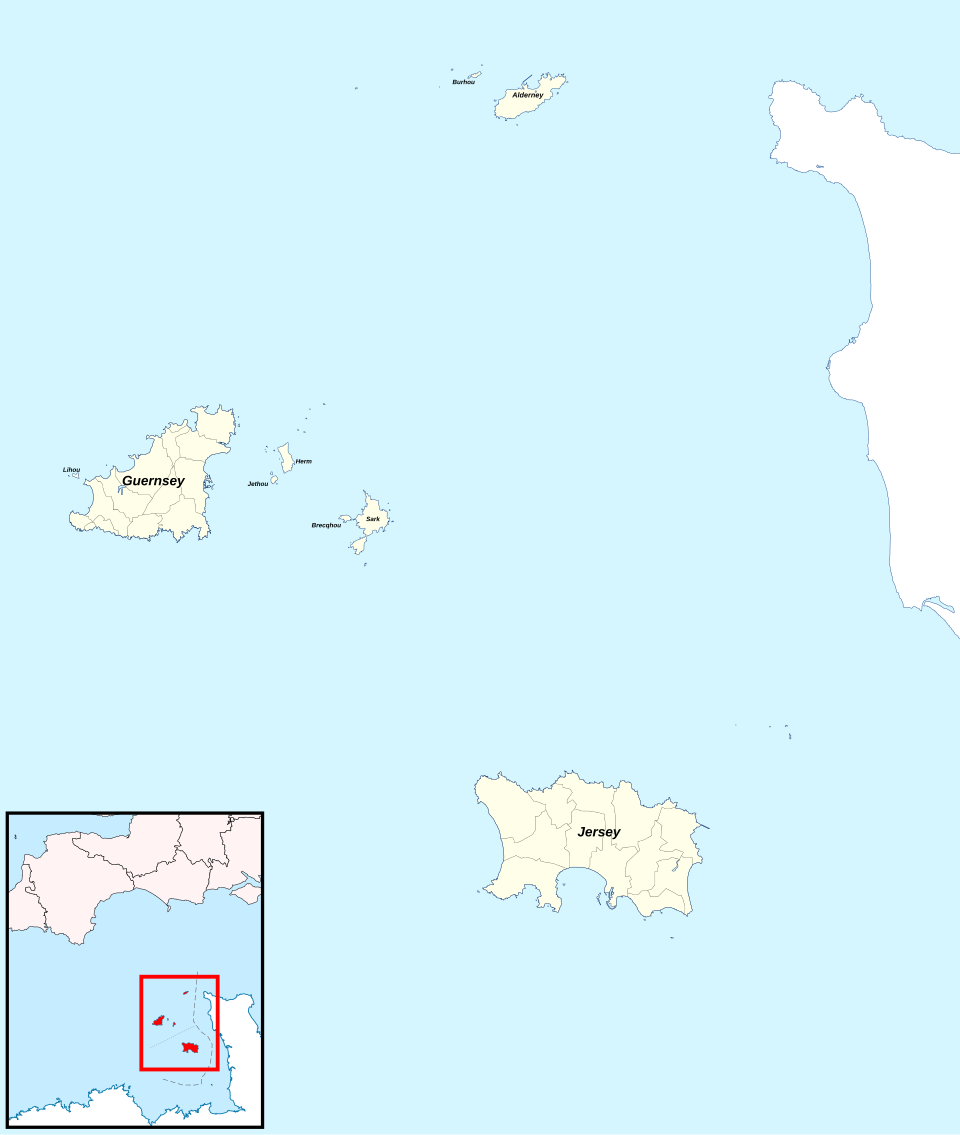
To the casual observer, the Channel Islands present a statistical void. The World Bank records no GDP growth figure, no inflation rate, no unemployment data, and no GDP per capita. This absence is not a sign of economic obscurity—it is a reflection of the islands’ unique constitutional standing. Jersey and Guernsey, the two largest islands in the archipelago, are not sovereign states but British Crown Dependencies.
They are not members of the United Nations, the European Union, or the World Bank’s standard reporting framework. The data gap, therefore, is structural rather than indicative of economic weakness.
In reality, the Channel Islands are among the wealthiest jurisdictions on the planet. Their economy is dominated by financial services, which account for roughly 40% of GDP in Jersey and a similar share in Guernsey.
The islands have built their prosperity on a model of low corporate taxation—zero per cent for most companies in Jersey, and ten per cent in Guernsey—combined with a highly skilled workforce, a robust legal system rooted in English common law, and a regulatory environment that has attracted the world’s largest banks, asset managers, and insurance groups.
The absence of World Bank data should not be mistaken for a lack of economic activity; rather, it reflects the islands’ deliberate choice to remain outside conventional international statistical frameworks.
The real economic story of the Channel Islands is one of resilience through specialisation. While global financial centres have faced headwinds from regulatory tightening and tax harmonisation efforts, the islands have adapted. They have shifted from pure tax avoidance structures toward substance-based operations, requiring companies to have real staff, real offices, and real decision-making on the islands. This evolution has preserved their relevance in a changing international landscape.
The numbers may be missing from the World Bank database, but the prosperity is visible in the islands’ infrastructure, public services, and the quiet confidence of their business community.
The Price of Paradise — Housing and Living Costs in a Land-Locked Economy
If the Channel Islands’ economy is invisible in global datasets, the cost of living is painfully visible to anyone who tries to rent a flat in St Helier or St Peter Port. Housing is the single most significant economic pressure point across both Jersey and Guernsey. The islands are small—Jersey covers just 116 square kilometres, Guernsey 78—and land is finite.
This scarcity, combined with strong demand from wealthy incomers and a construction sector constrained by planning regulations, has pushed property prices to levels that rival central London and Geneva.
The rental market is particularly strained. A modest two-bedroom apartment in St Helier can command monthly rents of £1,500 to £2,500, while family homes in desirable parishes often exceed £3,000 per month. For local workers—teachers, nurses, retail staff—these figures are prohibitive without housing subsidies or employer-provided accommodation.
The islands have attempted to address this through “essential housing” designations and local market restrictions, but supply remains chronically insufficient. Buying a home is even more daunting: the average house price in Jersey now exceeds £600,000, and in Guernsey, a similar figure applies, with entry-level properties often starting above £400,000.
Daily expenses compound the housing burden. Because the islands import the vast majority of their food, fuel, and consumer goods, prices are consistently 15-25% higher than in mainland Britain. A litre of milk, a loaf of bread, or a tank of petrol all carry a premium that reflects shipping costs and the islands’ small market size. Utilities are also expensive, with electricity costs among the highest in Europe due to reliance on imported fuel.
For residents, the trade-off is clear: a high quality of life, low crime, and clean environment come at a steep financial cost. The Channel Islands are not a place for the economically marginal; they are a place for those who can afford to pay for space, safety, and stability.
Where the Money Moves — Investment and Business in the Islands
The Channel Islands’ business environment is defined not by what they produce, but by what they facilitate. The islands are home to a dense concentration of financial institutions that manage, insure, and structure wealth for clients around the world. In Jersey alone, the banking sector holds deposits exceeding £100 billion, while the funds industry manages over £500 billion in assets.
Guernsey is the world’s leading domicile for captive insurance companies, with over 300 licensed insurers writing premiums for multinational corporations. These are not hollow shells; they are substantive operations employing thousands of professionals.
The top companies operating in the Channel Islands include global names such as HSBC, Barclays, and RBS in banking; JP Morgan and UBS in wealth management; and Aon, Marsh, and Willis in insurance. But the islands also host a thriving ecosystem of local law firms, trust companies, accountancy practices, and corporate service providers that support the international financial architecture.
The sector employs roughly 14,000 people in Jersey and 8,000 in Guernsey, representing a significant share of the working population. Beyond finance, there are niche strengths in legal services, e-gaming, and, increasingly, fintech and digital innovation.
The business climate is characterised by stability, pragmatism, and a close working relationship between the private sector and government. The islands have their own parliaments—the States of Jersey and the States of Guernsey—which set fiscal policy independently of London. Corporate tax rates remain low, there is no capital gains tax, and no VAT, which keeps the cost of doing business competitive. However, the regulatory bar is high.
The islands have invested heavily in compliance, anti-money laundering, and international cooperation to maintain their access to global markets. For investors and businesses, the Channel Islands offer a predictable, well-regulated environment—but one that demands commitment to substance and transparency.
Safe, Stable, and Separate — Politics and Quality of Life
Politically, the Channel Islands are a study in continuity. Both Jersey and Guernsey have systems of government that evolved over centuries, with elements of direct democracy, parish-based administration, and ministerial governance. There are no political parties in the traditional sense; most politicians stand as independents, and governments are formed through consensus rather than coalition. This system produces stability, but also caution. Change happens slowly, deliberately, and with extensive consultation.
For residents and businesses, this means policy predictability—a rare commodity in an era of populist upheaval.
The islands are also exceptionally safe. While no official crime index is available in the provided data, anecdotal and historical evidence points to crime rates far below those of mainland UK or continental Europe. Violent crime is rare, and the islands have a strong community policing ethos. St Helier and St Peter Port are safe to walk at night, and petty theft is the most common concern.
This safety is a major draw for wealthy families and retirees, who value the ability to live without the security anxieties common in larger cities.
Quality of life extends beyond safety. The islands offer clean air, uncrowded beaches, excellent schools, and a strong sense of community. The pace of life is slower, the environment is well-preserved, and the cultural calendar is rich with events, from the Jersey Battle of Flowers to the Guernsey Literary Festival. However, this idyll comes with trade-offs. The islands can feel insular, particularly for young people who may struggle to afford housing or find career opportunities outside finance.
The cost of living, as noted, is punishing. And the political system, while stable, can be resistant to the kind of bold reform that might address housing shortages or diversify the economy. For those who fit the mould—financially secure, professionally established, and drawn to a quiet, safe life—the Channel Islands are close to paradise. For others, they can feel like a gilded cage.
The Pressure to Adapt — Current Affairs and the Future of the Model
The Channel Islands are not immune to the forces reshaping global finance. Right now, the most pressing issue is the evolving international tax landscape. The OECD’s global minimum corporate tax rate of 15%, agreed by over 140 countries, directly challenges the islands’ zero-tax model. Both Jersey and Guernsey have announced they will implement the rules, applying the new rate to large multinational groups. This is a significant shift, and it signals the end of an era.
The islands are moving from being pure tax havens to being substance-based financial centres that compete on regulation, expertise, and service quality rather than tax avoidance.
Another live issue is the relationship with the European Union. Since Brexit, the Channel Islands have had to negotiate new protocols for trade, data flows, and financial services access. As Crown Dependencies, they were never EU members, but they had close ties through the UK. The post-Brexit settlement has created friction, particularly around customs arrangements and the movement of goods.
There is ongoing work to maintain equivalence for financial services, allowing firms in the islands to serve EU clients without additional barriers. This is a high-stakes diplomatic effort, and the outcome will shape the islands’ economic trajectory for years.
On the domestic front, housing remains the dominant political issue. Both islands have introduced new planning policies, housing targets, and incentives for development, but progress is slow. In Jersey, the government has committed to building 3,000 new homes by 2027, but critics say the target is insufficient and delivery is behind schedule. In Guernsey, a similar debate rages, with calls for reform of the housing license system that restricts who can buy property.
Meanwhile, the cost of living crisis has prompted discussions about wage subsidies, rent controls, and increased social housing investment. The Channel Islands are wealthy, but that wealth is distributed unevenly, and the pressure to address inequality is growing.
The Bottom Line
The Channel Islands are a case study in how small, specialised economies can thrive in a globalised world—but also how that model faces constant pressure to evolve. For investors and financial firms, they remain a highly credible, well-regulated jurisdiction for wealth management, insurance, and fund domiciliation. For residents, they offer safety, stability, and a high quality of life, but at a cost that is increasingly exclusionary. The islands are not for everyone, and they are not static.
The next decade will test whether they can preserve their prosperity while adapting to a world that demands more transparency, more substance, and more equity. Watch the Channel Islands not for flashy growth, but for a masterclass in managed adaptation.
Sources & Methodology
This article is authored by Economic Pulse Net for informational and research purposes. Economic Pulse Net sources its data from multilateral institutions, national statistics bureaus, and proprietary databases. All data is believed to be current as of the date of publication.
Published: July 18, 2026 | Category: Research — Channel Islands
Use these signals in your own platform
Economic Pulse publishes its live signal feed through a documented, read-only API. Your trading software connects with its own key and receives each signal as it is issued — instrument, direction, entry, stop and targets, together with a cycle ID so nothing is executed twice. The feed is independent of this website and cannot change it.
Signals are informational only and are not financial advice.